

Bissara: Vegetarian Preparation of Fava Beans, Split Peas, Garlic and Olive Oil

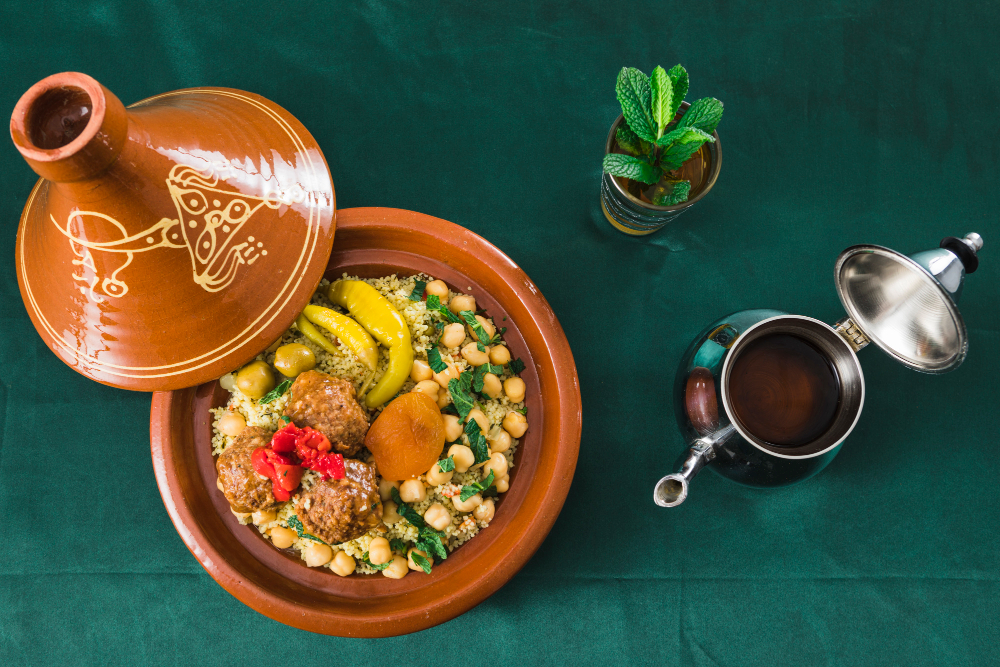
Moroccan cuisine is widely appreciated for its combination of aromatic spices, fresh herbs, vegetables, legumes and carefully developed flavours. Among its traditional everyday preparations, Bissara holds a special place as a simple yet satisfying dish made primarily from dried fava beans or split peas. Slowly cooked with garlic and water, the legumes soften until they can be blended into a thick, creamy soup or purée. Ground cumin, paprika and generous olive oil complete its characteristic flavour.
Bissara is particularly associated with northern Morocco, where it is commonly enjoyed during colder months. It is served in homes, neighbourhood cafés and traditional food stalls, often as a warming breakfast or an affordable everyday meal. Its preparation requires relatively few ingredients, but the slow cooking process transforms ordinary dried legumes into a smooth, substantial dish with a naturally rich consistency.
One of the most interesting characteristics of Bissara is its flexibility. Some preparations use dried fava beans, while others use split peas. Certain versions combine both legumes to create a different flavour and colour. Regardless of the main ingredient, garlic, cumin and olive oil remain central to its identity. The dish can be prepared as a relatively thin soup or reduced to a thicker purée that can be eaten with bread.
Bissara is naturally vegetarian and vegan when prepared with water, legumes, garlic, spices and olive oil. It does not require meat, fish, dairy products or animal-based stock. Its simplicity, nutritional value and adaptability make it an excellent example of traditional plant-based Moroccan cooking.
The Moroccan Culinary Background of Bissara
Bissara has a strong association with everyday Moroccan food culture. Unlike elaborate dishes prepared for celebrations, it is known for its practical ingredients and straightforward cooking method. Dried legumes can be stored for long periods, making them useful household staples. When cooked slowly, they provide a filling meal without requiring expensive ingredients or complicated preparation.
The dish is particularly popular in northern Moroccan cities and towns, including Tangier and the wider northern region. It is often served during winter mornings, when a hot bowl of creamy legumes provides warmth and lasting satisfaction. Traditional food stalls may prepare large quantities in advance and serve the dish with bread, cumin, paprika and olive oil.
Bissara is also part of a broader North African and Mediterranean tradition of preparing dried legumes as soups and purées. Similar dishes exist in neighbouring culinary cultures, although their ingredients, seasoning and serving styles differ. The Moroccan version is especially recognised for its straightforward combination of fava beans or split peas, garlic, cumin and olive oil.
The dish demonstrates how traditional cooking can create depth of flavour through technique rather than a large number of ingredients. Slow simmering allows the legumes to break down naturally, while garlic infuses the cooking liquid. Blending creates a smooth texture, and the final addition of olive oil provides richness and aroma.
Fava Beans: The Traditional Foundation of Bissara
Dried fava beans, also known as broad beans, are one of the principal ingredients used in Moroccan Bissara. They have a mildly earthy flavour and a naturally creamy texture when cooked until completely soft. Once blended, they produce a thick purée that gives the dish its characteristic body.
Split and peeled dried fava beans are particularly convenient because they cook more quickly than whole beans and are easier to blend into a smooth preparation. Whole dried fava beans may require soaking before cooking, while split varieties often need less preparation depending on their size and condition. Rinsing the beans thoroughly before cooking helps remove dust and other impurities.
Fava beans contribute plant-based protein, dietary fibre and several minerals. Their natural starch also helps thicken the cooking liquid without requiring flour, cream or other thickening agents. This is one reason Bissara can achieve a creamy consistency while remaining entirely dairy-free.
The beans should be cooked until they are very soft and begin to fall apart when pressed. If they remain firm, the finished purée may have a grainy texture. Properly cooked fava beans blend into a smooth, cohesive preparation that carries the flavours of garlic, cumin and olive oil effectively.
Split-Pea Bissara: A Popular Alternative
Although fava beans are closely associated with Bissara, dried split peas are also used in Moroccan preparations. They provide a slightly different flavour and colour, depending on whether green or yellow split peas are selected. Green split peas generally produce a deeper greenish or earthy appearance, while yellow varieties create a softer golden colour.
Split peas are convenient because they break down during cooking and naturally create a thick consistency. They can be used independently or combined with fava beans. A mixed version offers an interesting balance between the earthy character of broad beans and the mild sweetness of peas.
The cooking process is similar for both legumes. They are rinsed, simmered with garlic and water until completely tender, and then blended into a smooth mixture. The seasoning is adjusted with cumin, salt and paprika, while olive oil provides the finishing richness.
The choice between fava beans and split peas often depends on regional habits, household preferences and ingredient availability. Both approaches belong to the wider tradition of Moroccan Bissara, and neither requires animal-based ingredients.
Garlic, Cumin and Olive Oil: The Essential Flavour Combination
Garlic is one of the defining ingredients of Bissara. It is commonly added to the cooking pot with the dried legumes, allowing its flavour to spread gradually through the mixture. As it cooks, the sharpness of raw garlic becomes milder and more rounded. Once the beans or peas are blended, the garlic becomes part of the dish’s overall flavour rather than remaining a separate ingredient.
Cumin is equally important. Its warm, earthy aroma complements the mild taste of legumes and gives Bissara much of its recognisable character. Some recipes add cumin during cooking, while others reserve a portion for the final garnish. Using it at both stages creates a more noticeable aroma.
Paprika contributes colour and a gentle sweetness. Sweet paprika is suitable for a mild preparation, while hot paprika or chilli can be added for additional heat. The seasoning should remain balanced so that the natural flavour of the legumes is not overwhelmed.
Olive oil plays both a cooking and finishing role. A small quantity may be incorporated during preparation, but a fresh drizzle over the finished bowl is especially important. Good-quality extra-virgin olive oil adds a fruity, slightly peppery flavour that contrasts with the creamy legumes. In traditional serving styles, the oil is poured over the surface rather than mixed completely into the puree, allowing its aroma to remain noticeable.
How Traditional Bissara Is Prepared
The preparation of Bissara is straightforward, but the cooking process requires patience. Dried fava beans or split peas are first rinsed thoroughly. If whole dried beans are used, soaking them in water for several hours or overnight can help reduce cooking time. Split and peeled varieties may be cooked directly after rinsing, depending on the product.
The legumes are placed in a large pot with fresh water and peeled garlic cloves. The mixture is brought to a boil, and any foam that rises to the surface can be removed with a spoon. The heat is then reduced, allowing the legumes to simmer gently until they become very soft.
During cooking, the water level should be monitored. Legumes absorb liquid as they soften, and additional hot water may be required to prevent the mixture from becoming too dry. Occasional stirring also helps prevent the beans or peas from sticking to the bottom of the pot.
Once fully cooked, the mixture is blended until smooth. A hand blender is convenient because it allows the legumes to be puréed directly in the cooking pot. Alternatively, the mixture can be transferred carefully to a countertop blender in batches. Cumin, paprika, salt and olive oil are then added and mixed thoroughly.
The consistency can be adjusted according to preference. More hot water creates a thinner soup, while further simmering produces a thicker puree. Before serving, the dish is tasted and seasoned as necessary. A final drizzle of olive oil and a light dusting of cumin or paprika complete the preparation.
A Traditional Vegetarian Bissara Recipe
This vegetarian version uses dried fava beans, garlic, cumin, paprika and olive oil. The recipe can also be prepared with dried split peas or a combination of both legumes.
For approximately four to six servings, use 400 grams of dried split fava beans, six garlic cloves, around 1.5 litres of water, one and a half teaspoons of ground cumin, one teaspoon of sweet paprika and salt according to taste. Use approximately three tablespoons of olive oil during cooking, with additional extra-virgin olive oil for serving. A small amount of chilli powder or cayenne pepper can be added if a spicier flavour is preferred.
Rinse the dried fava beans under cold running water. If using whole beans, soak them overnight and drain them before cooking. Place the prepared beans in a large cooking pot with the peeled garlic cloves and fresh water. Bring the mixture to a boil over medium heat. If foam develops on the surface, remove it carefully with a spoon.
Reduce the heat and allow the beans to simmer gently. Keep the pot partially covered and stir occasionally to prevent sticking. Cook until the beans are completely tender and can be easily crushed with a spoon. The cooking time depends on the type, age and preparation of the beans, but split fava beans generally cook more quickly than whole dried beans.
Serve the Bissara hot in individual bowls. Finish each portion with a generous drizzle of extra-virgin olive oil and a light sprinkle of cumin and paprika. Warm Moroccan bread can be served alongside the dish. The final preparation should be smooth, thick and aromatic, with the earthy flavour of fava beans balanced by garlic and cumin.
Regional and Household Variations
Bissara is not restricted to one precise recipe. Its basic preparation remains relatively consistent, but the choice of legumes, thickness and seasoning can differ between households and regions.
Fava bean Bissara is a widely recognised version, particularly in northern Morocco. It generally produces a pale, creamy preparation with a rich legume flavour. Split-pea Bissara offers another approach and can create a slightly sweeter or more earthy result, depending on the variety used.
Some cooks combine fava beans and split peas to create a mixed-legume preparation. This can produce a more complex flavour and a different colour. The ratio depends on personal preference, although using similar quantities of each creates a balanced combination.
The texture also varies. A thinner version is served in bowls as a soup, while a thicker preparation may be spread or spooned onto a shallow plate. In some households, the purée is blended until completely smooth. Others prefer a slightly textured finish in which small pieces of legumes remain.
Seasoning can also change. Cumin is central to the dish, but paprika, chilli, ginger and turmeric may appear in particular recipes. Lemon juice can be added at the table for a fresh, slightly acidic contrast. These variations allow Bissara to reflect individual tastes while retaining its identity as a simple Moroccan legume preparation.
The Importance of Texture and Slow Cooking
Texture is one of the most important qualities of good Bissara. The finished dish should be creamy and cohesive, without hard pieces of beans or an unpleasantly grainy consistency. Achieving this result begins with cooking the legumes until they are completely tender.
Insufficient cooking is one of the main reasons a legume purée can become uneven. If the beans or peas are still firm, blending may not produce the desired smoothness. Allowing enough time for the legumes to break down naturally makes the final blending stage easier.
The amount of water also influences the texture. Too much water creates a thin soup, while too little can cause the mixture to become excessively dense or stick to the pot. It is better to add hot water gradually towards the end of cooking than to add a large quantity at once.
Bissara also thickens as it cools because the starch in the legumes continues to absorb moisture. A preparation that appears perfectly smooth in the cooking pot may become much thicker after standing. When reheating, a little water can be stirred into the purée to restore its original consistency.
Slow cooking helps develop a rounded flavour. The garlic becomes mellow, the legumes release their natural starch and the different ingredients combine into a balanced preparation. This is why Bissara benefits from gentle simmering rather than rapid boiling.
How Bissara Is Served in Morocco
Bissara is commonly served hot, particularly during colder months. In northern Morocco, it is strongly associated with breakfast, when bowls of the thick legume preparation are served with bread and seasoning. It is also enjoyed as a light lunch, an evening meal or a comforting starter.
Moroccan khobz, a traditional round bread, is a natural accompaniment. Its texture makes it suitable for dipping into the creamy purée or scooping it directly from a shallow serving bowl. Other types of bread can also be used according to availability.
The finishing ingredients are important to the presentation. A drizzle of olive oil creates a glossy surface, while cumin and paprika provide colour and aroma. Some people prefer additional chilli, while others add lemon juice for a sharper flavour. Fresh parsley can also be used as a garnish, although the classic preparation is generally quite simple.
Bissara can be served in individual bowls or on a shared platter when prepared as a thicker purée. Its substantial texture makes it suitable for meals in which several people share bread and other simple accompaniments.
Nutritional Characteristics of Bissara
Bissara is a legume-based preparation that provides plant-based protein and dietary fibre. Fava beans and split peas contain complex carbohydrates and contribute minerals such as iron, magnesium and potassium. Their fibre content also makes the dish more substantial than many preparations based mainly on vegetables or refined starches.
The protein in fava beans and split peas makes Bissara a useful component of vegetarian and vegan meals. When served with whole-grain bread or other complementary plant foods, it can contribute to a varied and balanced eating pattern.
Garlic and cumin add flavour without requiring cream, butter or heavy sauces. Olive oil contributes unsaturated fats and provides the characteristic richness of the dish. However, the total energy content depends partly on the amount of oil used. A moderate quantity can provide plenty of flavour while keeping the preparation suitable for different dietary preferences.
People who are sensitive to legumes may need to consider portion size and preparation method. Soaking whole dried beans, cooking them thoroughly and introducing the dish gradually may help some individuals tolerate legumes more comfortably. People with a diagnosed fava bean allergy or glucose-6-phosphate dehydrogenase deficiency should seek appropriate medical guidance before consuming fava beans.
Bissara and the Value of Traditional Plant-Based Cooking
Bissara demonstrates how traditional cuisines can turn affordable, shelf-stable ingredients into nutritious and satisfying meals. Dried legumes can be stored for extended periods and prepared when needed, making them practical ingredients for household cooking. Their ability to produce a creamy texture without dairy products also makes them particularly useful in plant-based recipes.
The dish is relevant to modern vegetarian cooking because it does not depend on specialised ingredients or complicated techniques. Fava beans, split peas, garlic, cumin and olive oil are sufficient to create a complete preparation with a recognisable flavour. The same basic method can be adapted to different legume varieties and adjusted for individual preferences.
Its simplicity also offers opportunities to reduce food waste. Leftover Bissara can be refrigerated and used in another meal after gentle reheating. A thicker preparation can be served as a dip or spread, while a thinner version can be enjoyed as a soup. This versatility allows one cooking session to provide different serving possibilities.
More broadly, Bissara reflects the importance of legumes in traditional Mediterranean and North African food cultures. It shows how plant-based ingredients can provide texture, flavour and nourishment without requiring animal products.
Conclusion
Bissara is a traditional Moroccan vegetarian preparation that transforms dried fava beans or split peas into a smooth, creamy soup or purée. Its distinctive flavour comes from the combination of garlic, cumin, paprika and olive oil, while slow cooking allows the legumes to develop their naturally rich consistency.
Its appeal lies in its simplicity and flexibility. Fava beans create a classic version, split peas provide an alternative, and combining both ingredients offers another interpretation. The final texture can range from a thick purée to a lighter soup, making the dish suitable for different meals and seasons.
Naturally vegan when prepared with water, olive oil and plant-based ingredients, Bissara is a satisfying example of Moroccan culinary tradition. Served hot with bread and finished with olive oil and cumin, it remains a practical and flavourful dish that celebrates the value of simple ingredients and slow cooking.
Online Internship with Certificate
You may be interested
Fara: Traditional Steamed Rice-Flour Dumplings of Chhattisgarh
Anshika Jain - November 13, 2026India’s traditional cuisine is known for transforming simple agricultural ingredients into nutritious, flavourful and culturally meaningful dishes. Across different regions, rice, lentils, seasonal vegetables and locally available…
Mocha Ghonto: Bengal’s Banana Blossom Curry with Potatoes and Bengali Spices
Anshika Jain - November 13, 2026Bengali cuisine is celebrated for its remarkable variety of vegetarian preparations, distinctive spice combinations and creative use of seasonal vegetables. Among its traditional dishes, Mocha Ghonto holds…
Aloo Pitika: Assam’s Rustic Mashed Potato Dish with Mustard Oil, Onions and Herbs
Anshika Jain - November 13, 2026Indian regional cuisine is filled with traditional dishes that demonstrate how simple ingredients can create distinctive flavours and memorable eating experiences. Among the many vegetarian preparations of…
Most from this category
Chakuli Pitha: Odisha’s Traditional Fermented Rice and Black Gram Pancakes
Anshika Jain - November 13, 2026
Papanasi: Romania’s Soft Cheese Doughnuts Served with Sour Cream and Fruit Preserves
Anshika Jain - November 13, 2026
Briam: Greece’s Oven-Roasted Vegetable Dish with Olive Oil, Herbs and Tomatoes
Anshika Jain - November 13, 2026
Kuku Bademjan: Vegetarian Dish of Aubergine, Fresh Herbs and Aromatic Spices
Anshika Jain - November 12, 2026Chakuli Pitha: Odisha’s Traditional Fermented Rice and Black Gram Pancakes
Anshika Jain - November 13, 2026Papanasi: Romania’s Soft Cheese Doughnuts Served with Sour Cream and Fruit Preserves
Anshika Jain - November 13, 2026Briam: Greece’s Oven-Roasted Vegetable Dish with Olive Oil, Herbs and Tomatoes
Anshika Jain - November 13, 2026


Leave a Comment