

Malfouf: Vegetarian Cabbage Rolls with Rice, Herbs, Garlic and Lemon

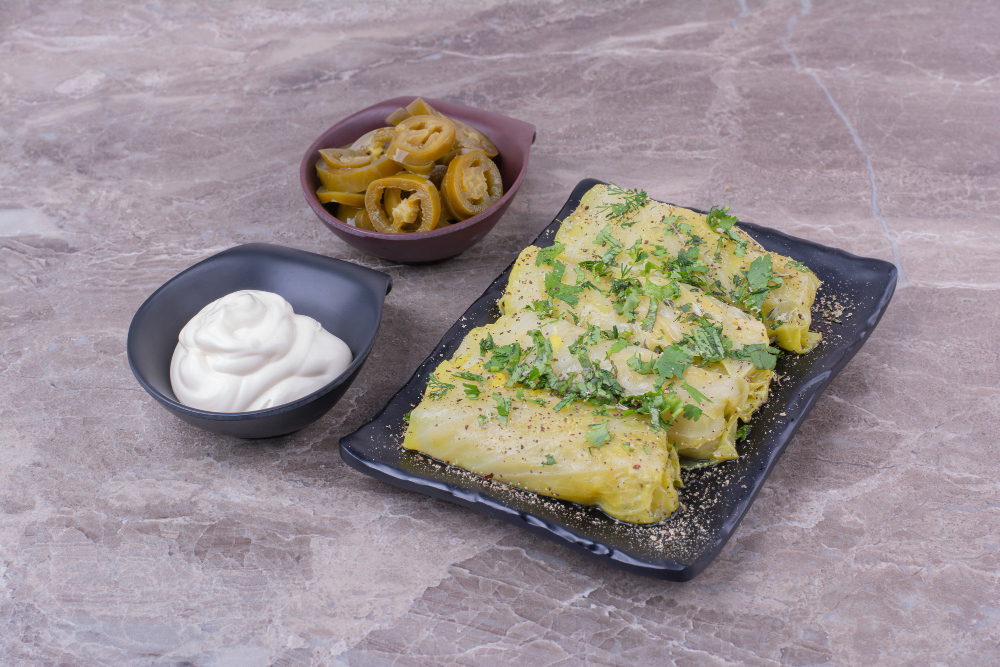
Lebanese cuisine is known for transforming simple vegetables, grains, herbs and spices into dishes with remarkable depth of flavour. Many traditional preparations rely on fresh ingredients, olive oil, garlic, lemon juice and aromatic herbs rather than complicated cooking techniques. One such dish is Malfouf, a traditional Lebanese preparation made by rolling softened cabbage leaves around a seasoned filling and slowly cooking them until tender.
The name Malfouf is associated with cabbage and rolling, making it an appropriate description of this carefully prepared dish. The cabbage leaves are softened, filled with a mixture of rice, herbs and seasonings, and rolled into small parcels. These rolls are then arranged tightly in a cooking pot and gently simmered with garlic, lemon juice and water or vegetable stock. The result is a comforting dish in which the natural sweetness of cabbage balances the freshness of herbs and the sharpness of lemon.
Malfouf is prepared in different ways across Lebanese households. Some familiar versions contain minced meat, while vegetarian and vegan adaptations use rice, vegetables, herbs, chickpeas or other plant-based ingredients. This article focuses entirely on a vegetarian preparation, without meat, poultry, fish or meat-based stock. It explores the dish’s culinary background, ingredients, preparation, flavour, nutritional characteristics and place in Lebanese food culture.
The Culinary Background of Malfouf in Lebanon
Stuffed vegetables are an important part of Lebanese and wider Levantine cooking. The technique of filling vegetables or leaves with rice, herbs and seasonings appears in several regional dishes. Grape leaves, courgettes, aubergines and cabbage can all be prepared using variations of this method. These dishes demonstrate how home cooks make use of seasonal produce while creating meals that are both nourishing and suitable for sharing.
Malfouf is closely connected to this tradition. Cabbage provides a flexible outer layer that holds the filling together while absorbing the flavours of the cooking liquid. The rolls are generally arranged in compact layers so that they remain intact during simmering. Garlic and lemon are particularly important because they give the dish its distinctive aromatic and refreshing character.
Traditional Lebanese malfouf recipes are not uniformly vegetarian. Some well-known preparations combine rice with minced meat and use meat broth during cooking. However, vegetable-based versions are also documented in Lebanese food references and home-cooking traditions. A Lebanese food composition resource records Malfouf Mehchi with cabbage leaves, vegetable stuffing, tomato, lemon juice, cinnamon, garlic and dried mint. Vegetarian and vegan interpretations also use ingredients such as rice, chickpeas, parsley and olive oil.
This variation makes Malfouf particularly suitable for vegetarian cooking. Its essential character comes from the combination of tender cabbage, seasoned filling and a fragrant cooking liquid rather than from any single animal-based ingredient.
What Makes Vegetarian Malfouf Special?
The appeal of vegetarian Malfouf lies in the way it transforms familiar ingredients into a carefully balanced meal. Cabbage has a mild, slightly sweet flavour that becomes softer and more delicate when cooked. Rice provides substance, while herbs introduce freshness and fragrance. Garlic adds savouriness, and lemon creates a bright finish that prevents the dish from tasting heavy.
Unlike dishes that depend on rich sauces or strong spices, Malfouf develops its flavour gradually. As the rolls simmer, the rice absorbs the aromatic liquid, and the cabbage leaves become tender. The herbs release their fragrance, while garlic and lemon move through the layers of rolls.
The vegetarian filling can also be adapted according to taste and availability. A simple version may use rice, parsley, mint, garlic and onion. A more substantial preparation can include chickpeas, finely chopped tomatoes, spring onions or additional vegetables. These ingredients add texture and make the dish more filling without taking away from its traditional character.
Another appealing feature is its presentation. The small cabbage rolls can be arranged closely on a serving platter, with fresh parsley, lemon wedges and a little olive oil added before serving. Their neat shape makes the dish suitable for family meals, festive gatherings and shared vegetarian dinners.
Understanding the Main Ingredients
Cabbage Leaves
Cabbage is the foundation of Malfouf. A medium or large white cabbage is commonly suitable because its leaves can be separated and rolled after gentle blanching. The outer leaves are usually larger, while the inner leaves are smaller and more delicate. Both can be used, provided they are sufficiently flexible.
The cabbage should be fresh, firm and free from extensive damage. Leaves that are too thick or have a very hard central rib may tear during rolling. Removing or thinning the thickest portion of the rib helps create a more even surface and makes the leaves easier to fold around the filling.
Cabbage also contributes natural sweetness and a soft texture after slow cooking. It holds the rice mixture together while allowing the flavours of garlic, herbs and lemon to enter the rolls.
Rice
Short-grain or medium-grain rice is particularly suitable because it absorbs liquid and helps the filling remain cohesive. Some cooks also use basmati rice, although its longer grains produce a different texture.
Rice should be rinsed before use to remove excess surface starch and then drained properly. In a vegetarian preparation, it is usually mixed with herbs, onion, garlic, seasonings and olive oil. The quantity of filling placed in each leaf should remain modest because the rice expands during cooking.
The aim is to create a tender, lightly seasoned filling rather than a densely packed roll. Sufficient space must be left for the rice to cook evenly.
Fresh Herbs
Parsley and mint are two important ingredients in vegetarian Malfouf. Parsley provides a fresh, slightly grassy flavour, while mint contributes a cooling aroma that complements garlic and lemon.
Fresh herbs should be chopped finely so that they distribute evenly throughout the rice mixture. Dried mint can also be used in the cooking liquid, particularly when a more concentrated herbal fragrance is desired.
Some household variations include coriander leaves or spring onion greens. These additions can be used carefully, although parsley and mint provide a recognisable Lebanese flavour profile.
Garlic and Lemon
Garlic and lemon are central to the flavour of Malfouf. Together, they create a cooking liquid that seasons the cabbage rolls without overwhelming the natural taste of the vegetables.
Garlic can be added in the filling, placed between the layers of rolls or incorporated into the cooking liquid. Lemon juice is often added towards the later stage of cooking so that its fresh flavour remains noticeable.
The quantity of lemon can be adjusted according to preference. A balanced preparation should taste bright and aromatic rather than excessively sour.
Olive Oil and Seasonings
Olive oil gives the filling a smooth texture and helps distribute the flavours of the herbs and seasonings. It also contributes to the characteristic richness of many Lebanese vegetable dishes.
Salt and black pepper provide basic seasoning. A small quantity of cinnamon, allspice or Lebanese seven-spice seasoning can introduce warmth, but these spices should be used moderately. The dish is not intended to be heavily spiced. Its identity depends on the relationship between cabbage, herbs, garlic and lemon.
Preparing Vegetarian Malfouf at Home
Selecting and Softening the Cabbage
The first stage is preparing the cabbage leaves. The core is removed carefully, and the whole cabbage is placed in boiling water. As the outer leaves soften, they can be separated gently using tongs. This process is repeated until enough leaves have been collected.
The leaves should become flexible without turning excessively soft. Overcooking them at this stage can make rolling difficult because the cabbage may tear. After blanching, the leaves should be drained and allowed to cool.
Thick central ribs can then be trimmed or flattened with a knife. Large leaves may be divided into smaller pieces so that the finished rolls are relatively uniform. Smaller leaves can be kept whole if they are already suitable for rolling.
Preparing the Vegetarian Filling
The rice is combined with finely chopped parsley, mint, onion and garlic. A small quantity of olive oil is added, followed by salt, black pepper and any preferred mild spices. Fresh tomato can also be included for additional moisture and a slightly sweet flavour.
For a more substantial vegetarian filling, cooked chickpeas can be added in a moderate quantity. They provide a firmer texture and complement the rice and herbs. The chickpeas should be lightly mashed or chopped if they are large, allowing them to distribute more evenly throughout the mixture.
The filling should remain moist enough to cook properly but should not be watery. Excess liquid can make the rolls difficult to handle and may affect the texture of the cabbage during cooking.
Rolling the Cabbage Leaves
Each softened leaf is placed flat on a clean surface. A small quantity of filling is positioned near the base of the leaf, leaving sufficient space at the sides. The leaf is folded over the filling, its edges are tucked inward and the remaining portion is rolled into a compact parcel.
The rolls should be firm but not excessively tight. Rice expands during cooking, so overfilling can cause the cabbage to split. Smaller rolls are generally easier to cook evenly and can be arranged neatly in the pot.
This stage requires patience, particularly when preparing a large quantity. However, consistent roll sizes help ensure that the cabbage and rice finish cooking at approximately the same time.
Slow Cooking with Garlic and Lemon
A heavy-bottomed cooking pot is suitable for preparing Malfouf. A few unused cabbage leaves or trimmed cabbage pieces can be placed at the bottom to protect the rolls from direct heat. The stuffed leaves are then arranged closely in layers.
Garlic cloves or chopped garlic are distributed between the rolls. A cooking liquid made from water or vegetable stock, lemon juice, olive oil, salt and dried mint is poured over them. The liquid should be sufficient to cook the rice and soften the cabbage without making the dish excessively soupy.
An inverted heatproof plate can be placed over the rolls to prevent them from moving during simmering. The pot is covered and cooked over low heat until the rice is tender and the cabbage leaves are fully softened.
The cooking time depends on the cabbage, rice variety, roll size and quantity being prepared. The rolls should be checked carefully towards the end rather than relying only on a fixed cooking time. A small amount of additional water can be added if the liquid reduces before the rice is completely cooked.
The finished rolls should remain intact, with tender cabbage and a moist, fully cooked filling. Additional lemon juice can be added towards the end to strengthen the fresh citrus flavour.
The Flavour and Texture of Lebanese Malfouf
Vegetarian Malfouf offers a combination of textures that develops through slow cooking. The outer cabbage becomes soft and delicate, while the rice filling remains tender and slightly cohesive. Herbs provide small bursts of freshness, and garlic gives the dish a deeper savoury character.
Lemon is particularly important to the overall taste. Its acidity balances the sweetness of cooked cabbage and the mild richness of olive oil. Without sufficient acidity, the dish may taste comparatively heavy. However, excessive lemon can overpower the herbal flavour, so a balanced quantity is preferable.
The cooking liquid also contributes to the final result. As it moves through the layers, it carries garlic, herbs and seasoning into the cabbage rolls. This creates a more integrated flavour than simply serving the rolls with a sauce added at the end.
Malfouf is generally enjoyed warm, although some vegetable-based preparations can also be served at room temperature. A small amount of fresh parsley and lemon juice can be added just before serving to refresh its aroma.
Nutritional Characteristics of Vegetarian Malfouf
Vegetarian Malfouf combines vegetables, grains, herbs and plant-based fats. Cabbage contributes dietary fibre, vitamin C and other naturally occurring plant compounds. Rice provides carbohydrates that supply energy, while parsley and mint contribute additional micronutrients and aromatic compounds.
Garlic contains naturally occurring sulphur-containing compounds, and olive oil provides predominantly unsaturated fats. When chickpeas are included, the dish also gains plant-based protein, fibre and minerals.
Its nutritional profile depends on the filling, portion size and amount of olive oil used. A preparation based mainly on cabbage and rice will have a different protein content from one containing chickpeas or other legumes. For this reason, chickpeas can be a useful addition when the dish is intended to serve as a more substantial vegetarian main course.
Malfouf can form part of a balanced meal when served with other foods such as lentil soup, a fresh vegetable salad or a modest portion of plain yoghurt. For a fully vegan meal, dairy-based accompaniments should be avoided or replaced with a suitable plant-based alternative.
Vegetarian Variations of Malfouf
One of the strengths of Malfouf is its adaptability. A traditional rice-and-herb filling can be modified according to seasonal ingredients and individual preferences while preserving the essential method of preparation.
A chickpea variation is particularly suitable for those who want additional texture and protein. Cooked chickpeas can be combined with rice, parsley, mint, onion and garlic. Their mild flavour works well with lemon and olive oil, making them a natural addition to the filling.
A vegetable-rich version can include finely chopped tomatoes, carrots, spring onions or other suitable vegetables. These ingredients add colour and moisture, although they should be chopped finely to prevent the filling from becoming difficult to roll.
Another interpretation uses brown rice and lentils. This creates a firmer and more substantial filling, but the cooking time may need to be adjusted because whole-grain rice generally takes longer to soften. Pre-cooking the lentils partially can help the ingredients finish together.
A simpler version can be prepared with rice, herbs and olive oil alone. This allows the flavour of cabbage, garlic and lemon to remain prominent. Such a preparation is useful when a lighter dish is preferred or when the cook wants to highlight the natural ingredients rather than introduce several additional flavours.
How Malfouf Is Served in a Lebanese-Style Meal
Malfouf can be served as a main dish or as part of a larger meal featuring several Lebanese preparations. Its lemony flavour makes it suitable for pairing with fresh salads, lentil dishes, hummus and other vegetable-based foods.
A fresh salad containing cucumber, tomato, parsley and lemon can provide a crisp contrast to the soft cabbage rolls. Hummus or a simple tahini-based accompaniment can add creaminess, although these are optional rather than essential.
For a traditional vegetarian-inspired spread, Malfouf can be served alongside Mujadara, a Lebanese preparation made with lentils, rice and caramelised onions. Both dishes use familiar ingredients, but their flavours and textures are different enough to complement one another.
The rolls can be arranged in a shallow serving dish with a little of their cooking liquid. Lemon wedges and chopped parsley make suitable garnishes. Keeping the presentation simple allows the neatly rolled cabbage leaves to remain the main visual feature.
Tips for Preparing Better Vegetarian Malfouf
The quality of Malfouf depends on the condition of the cabbage and the balance of the filling. Fresh leaves are easier to separate and roll, while properly blanched cabbage is less likely to break. Removing thick ribs improves flexibility and helps the rolls cook more evenly.
The filling should not be packed too tightly. Rice expands during cooking, and excessive filling can cause the leaves to split. Arranging the rolls close together and using a plate to hold them in position helps preserve their shape.
Low and steady heat is preferable to rapid boiling. Gentle simmering allows the rice to cook while keeping the cabbage tender. The cooking liquid should be monitored so that the bottom of the pot does not become dry before the filling is ready.
Finally, lemon should be balanced carefully. It is one of the defining flavours of the dish, but it should complement the garlic and herbs rather than dominate them.
Conclusion
Malfouf is a beautiful example of how Lebanese cooking transforms simple ingredients into a comforting and flavourful meal. Soft cabbage leaves, seasoned rice, fresh herbs, garlic, olive oil and lemon come together through a slow cooking process that allows every ingredient to contribute to the final taste.
Although many familiar versions of Malfouf contain meat, vegetarian and vegan interpretations demonstrate that the dish can also be prepared entirely with plant-based ingredients. Chickpeas, lentils and additional vegetables can make the filling more substantial while preserving its Lebanese-inspired flavour.
Its appeal lies in its simplicity, adaptability and careful balance of textures and aromas. The mild sweetness of cabbage, the freshness of parsley and mint, the savoury character of garlic and the brightness of lemon create a dish that feels both comforting and refreshing.
For vegetarian food enthusiasts interested in exploring Lebanese cuisine, Malfouf offers an opportunity to experience a traditional stuffed-leaf preparation without meat or animal-based stock. It is suitable for family meals, shared dining and occasions when wholesome ingredients deserve to be the centre of the table.
Online Internship with Certificate
You may be interested
Bissara: Vegetarian Preparation of Fava Beans, Split Peas, Garlic and Olive Oil
Anshika Jain - November 12, 2026Moroccan cuisine is widely appreciated for its combination of aromatic spices, fresh herbs, vegetables, legumes and carefully developed flavours. Among its traditional everyday preparations, Bissara holds a…
Kuku Bademjan: Vegetarian Dish of Aubergine, Fresh Herbs and Aromatic Spices
Anshika Jain - November 12, 2026Iranian cuisine is recognised for its thoughtful use of vegetables, fresh herbs, aromatic spices, dried fruits and carefully balanced flavours. Aubergine, known as bademjan in Persian, is…
Pkhali: Vegetarian Delicacy of Vegetables, Walnuts, Garlic and Herbs
Anshika Jain - November 12, 2026Georgian cuisine is celebrated for its generous use of walnuts, fresh herbs, seasonal vegetables and aromatic spices. Among its most distinctive traditional preparations is Pkhali, a colourful…
Most from this category
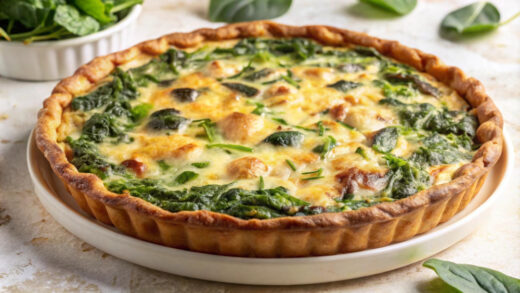
Zelnik: A Traditional Layered Pastry with Spinach, Cheese, Cabbage and Leeks
Anshika Jain - November 12, 2026
Celtuce: Exploring the Chinese Vegetable Valued for Its Thick, Crisp Stem
Anshika Jain - November 6, 2026
Chayote: Exploring the Crisp and Versatile Squash Used in Savoury Cooking
Anshika Jain - November 6, 2026Ajapsandali: Stew of Aubergine, Tomatoes, Peppers and Fresh Herbs
Anshika Jain - November 12, 2026Zelnik: A Traditional Layered Pastry with Spinach, Cheese, Cabbage and Leeks
Anshika Jain - November 12, 2026Celtuce: Exploring the Chinese Vegetable Valued for Its Thick, Crisp Stem
Anshika Jain - November 6, 2026

Pkhali: Vegetarian Delicacy of Vegetables, Walnuts, Garlic and Herbs
November 12, 2026

Leave a Comment