

Celtuce: Exploring the Chinese Vegetable Valued for Its Thick, Crisp Stem

Celtuce is a distinctive Chinese vegetable cultivated primarily for its thick, tender and crisp stem. Although it belongs to the lettuce family, its appearance and culinary uses are quite different from those of familiar leafy lettuce varieties. Instead of being grown mainly for its leaves or compact head, celtuce is valued for its enlarged central stem, which develops into a substantial edible portion with a refreshing texture and mild flavour. It is used in Chinese cooking in stir-fries, soups, cold salads, pickled preparations and other savoury dishes.
Known scientifically as Lactuca sativa var. angustana, celtuce is also called stem lettuce, asparagus lettuce, Chinese lettuce or celery lettuce. In Chinese, it is commonly known as wosun. The vegetable has a long history in Chinese food culture, where its thick stem is appreciated for its ability to remain pleasantly crisp after cooking. Its leaves are also edible and can be prepared like other leafy vegetables, although the stem is the principal attraction.
Celtuce is particularly interesting because it combines characteristics associated with lettuce and stem vegetables. Its outer surface may appear firm and slightly fibrous, but the inner flesh is pale, juicy and tender when properly harvested and prepared. The flavour is mild, with subtle vegetal and nutty notes that become more noticeable when the vegetable is cooked. This makes it suitable for strong seasonings such as garlic, ginger, sesame oil, soy sauce and chilli, while allowing its natural freshness to remain noticeable.
Understanding the Origin and Botanical Identity of Celtuce
Celtuce belongs to the Lactuca genus, which includes several familiar lettuce varieties. Unlike common lettuce cultivated for its leaves, celtuce has been selected and grown for its enlarged stem. It is generally classified as a cultivated form of Lactuca sativa, the same species that includes many types of garden lettuce.
The vegetable is strongly associated with Chinese agriculture and culinary traditions. Its cultivation developed through the selection of lettuce plants that produced thicker, more substantial stems. Over generations, this characteristic became the primary reason for growing the crop. The result is a vegetable with a tall central stalk that can become several centimetres thick under suitable growing conditions.
Celtuce is particularly familiar in Chinese cooking, where it is used in both everyday meals and regional dishes. Its popularity is connected to the value placed on texture in Chinese cuisine. Ingredients are often selected not only for their taste but also for the way they feel when eaten. A crisp vegetable stem can provide contrast to soft rice, noodles, tofu, mushrooms and cooked greens.
The vegetable has also attracted interest outside China because of its unusual appearance and versatility. It is now cultivated or sold in some international speciality markets, particularly those serving communities familiar with East Asian ingredients. Its increasing recognition among chefs and home cooks has introduced more people to the culinary possibilities of stem lettuce.
Appearance and Physical Characteristics
Celtuce has a tall, upright growth habit with elongated leaves attached to a thick central stem. The stem is usually pale green, although its colour can vary depending on the cultivar and growing conditions. The outside may appear slightly ridged or fibrous, while the interior is generally lighter and more tender.
The leaves resemble those of other lettuce varieties, with elongated shapes and a green colour. They can be eaten, although their flavour may become more bitter as the plant matures. The stem is usually harvested before the plant produces a prominent flowering stalk. At the appropriate stage, it is firm, juicy and crisp, making it suitable for raw and cooked preparations.
The most distinctive characteristic of celtuce is the texture of its stem. When fresh, the flesh has a firm bite that can be compared with a combination of cucumber, celery and mild lettuce. It is not identical to any of these vegetables, but the comparison helps explain its refreshing character. Unlike soft leafy lettuce, which loses its structure quickly when heated, celtuce stem can retain a noticeable crunch when cooked briefly.
The outer skin is tougher than the interior and is generally removed before the stem is eaten. Once peeled, the pale flesh can be sliced, diced, shredded or cut into thin strips. Its relatively neutral flavour makes it an adaptable ingredient for different seasonings and cooking techniques.
Why Celtuce Is Different from Ordinary Lettuce
The difference between celtuce and conventional lettuce lies mainly in the part of the plant that is developed for food. Common lettuce varieties are cultivated for their leaves or compact heads. Celtuce, in contrast, is grown primarily for its thickened stem.
This distinction changes how the vegetable is prepared and served. Leaf lettuce is generally eaten raw in salads or added to sandwiches and wraps. Celtuce can also be eaten raw, but its stem is particularly useful in cooked dishes. It can be stir-fried, steamed, added to soups or preserved through pickling. Its firmness allows it to maintain a defined shape after cooking.
The flavour is also somewhat different. While ordinary lettuce can have a fresh, leafy taste, celtuce stem has a more concentrated vegetal character. It is mild rather than strongly bitter, although the taste can vary with maturity and growing conditions. The leaves may have a more pronounced bitterness than the stem.
Celtuce therefore occupies an interesting position among vegetables. It belongs botanically to the lettuce family but is used in ways that resemble stem vegetables. This combination gives it a distinctive place in Chinese cooking and makes it particularly useful in recipes that require a crisp ingredient.
The Role of Celtuce in Chinese Cuisine
Celtuce has a recognised place in Chinese culinary traditions, especially in preparations where texture and quick cooking are important. Its mild taste allows it to complement aromatic ingredients without becoming overwhelmed. Garlic, ginger, spring onions, chilli, sesame oil and light soy sauce are common flavour partners.
One of the most familiar ways to prepare celtuce is through stir-frying. The peeled stem is sliced into thin pieces and cooked briefly over high heat. This method helps retain its crisp texture while allowing the vegetable to absorb the aroma of garlic and other seasonings. It may be cooked on its own or combined with mushrooms, carrots, tofu, meat or seafood, depending on the recipe.
Celtuce is also used in cold dishes. Thinly sliced or shredded stem can be seasoned with vinegar, sesame oil, salt, chilli and garlic. These preparations highlight its natural freshness and crunchy texture. Chilling the vegetable before serving can make the dish particularly refreshing, especially as part of a larger meal containing warm rice, noodles or other cooked dishes.
In soups, celtuce provides a mild vegetable flavour and a pleasant bite. It can be added towards the later stages of cooking so that it becomes tender without losing all of its firmness. The vegetable can also be included in hot pots and mixed vegetable preparations, where diners cook thin slices in a simmering broth.
Its versatility reflects an important feature of Chinese cooking: the careful use of texture. Celtuce can provide crispness in a dish that otherwise contains soft ingredients such as tofu, noodles or mushrooms. It can also introduce freshness to preparations with richer sauces.
Popular Savoury Preparations Using Celtuce
Garlic Celtuce Stir-Fry
A simple garlic stir-fry is one of the best ways to understand the vegetable’s natural flavour. The stem is peeled and sliced into thin rounds or strips before being cooked quickly with oil, chopped garlic and a small amount of salt. Some recipes include ginger or spring onions for additional fragrance.
The vegetable should not be cooked for too long. Its appeal comes from retaining a crisp centre while becoming lightly tender on the surface. A small amount of water or vegetable stock may be added if necessary, but excessive liquid can make the preparation watery. The finished dish is mild, aromatic and suitable as an accompaniment to rice or noodles.
Celtuce with Mushrooms
Celtuce and mushrooms create an effective contrast in texture. Mushrooms become soft and absorb the flavours of the sauce, while celtuce remains firmer. Shiitake mushrooms, oyster mushrooms and other varieties can be used depending on availability.
The ingredients may be cooked with garlic, ginger and a light soy-based seasoning. Celtuce is usually added after the mushrooms have begun to soften so that it does not become overcooked. A little sesame oil at the end gives the dish a nutty aroma. This preparation works well as a vegetarian main dish when served with rice or combined with tofu.
Chilled Celtuce Salad
A cold celtuce salad allows the stem’s natural crispness to become the main feature. After peeling, the vegetable is cut into thin strips or matchsticks and seasoned with rice vinegar, sesame oil, garlic and a small quantity of salt. Chilli oil or crushed chilli can be added for heat.
The salad can be served immediately or chilled briefly to allow the flavours to develop. Some versions include sesame seeds, spring onions or fresh coriander. The acidity of the vinegar balances the vegetable’s mild sweetness, while sesame oil provides richness. This is a useful preparation when a meal needs a refreshing side dish.
Celtuce in Soup
Celtuce can be added to clear vegetable soups, mushroom broths and other light preparations. Its mild flavour does not dominate the broth, and its texture provides a pleasant contrast to softer ingredients. It can be combined with tofu, carrots, leafy greens and noodles.
For best results, the peeled stem should be sliced evenly and added when the other ingredients are nearly cooked. This prevents it from becoming excessively soft. In a simple broth, the vegetable’s fresh taste can remain noticeable without requiring heavy seasoning.
Pickled Celtuce
Pickling is another way to enjoy the vegetable. Thin slices or strips can be placed in a seasoned solution containing vinegar, salt, sugar and selected aromatics. Garlic, chilli and ginger may be included to add complexity. The vegetable absorbs the seasoning while retaining some of its natural crunch.
Pickled celtuce can be served as a side dish with rice, noodles or other savoury meals. Its tangy flavour provides contrast to fried or rich foods. The exact preparation and storage method should follow a tested pickling recipe, particularly when the vegetables are intended for longer storage.
How to Select and Prepare Fresh Celtuce
Selecting fresh celtuce is important because the quality of the stem determines the texture of the final dish. A good specimen should have a firm, thick stem without extensive shrivelling, soft patches or signs of decay. The leaves should appear reasonably fresh and green. The stem should feel solid rather than spongy.
Once purchased, the vegetable should be washed thoroughly to remove soil and other surface impurities. The leaves can be separated from the stem, washed and prepared independently. The stem is then peeled using a vegetable peeler or a sharp knife. Removing the outer layer is important because it can be tougher and more fibrous than the inner flesh.
After peeling, the stem reveals a pale interior that is suitable for cooking. Any remaining tough sections should be trimmed away. The prepared flesh can be sliced into rounds, cut into matchsticks or diced according to the recipe. Thin strips are especially useful for stir-fries and salads because they cook quickly and are easy to eat.
The leaves should not automatically be discarded. Young leaves can be cooked in soups or stir-fried with garlic, although their flavour may be more bitter than the stem. Using both parts of the vegetable can help reduce food waste and make better use of the crop.
Cooking Techniques for Preserving Its Crisp Texture
The main culinary advantage of celtuce is its ability to retain a crisp texture after brief cooking. However, this quality depends on preparation and cooking time. If the stem is cut too thickly, it may take longer to become tender. If it is cooked for too long, it can lose its characteristic firmness.
Stir-frying over high heat is particularly suitable because it cooks the vegetable quickly. The pan should be hot before the ingredients are added, and the slices should be spread sufficiently to avoid overcrowding. If too much moisture collects in the pan, the vegetable may begin to steam instead of stir-fry.
Steaming provides a gentler alternative. Thin slices can be steamed until just tender and then dressed with garlic oil, sesame oil or a light sauce. This method preserves the vegetable’s natural flavour and requires little added fat.
Raw preparations require careful peeling and slicing. Thinly cut celtuce can be included in salads, where its texture adds contrast to leafy greens and softer vegetables. A dressing containing vinegar or citrus juice can complement its mild taste. Because its flavour is delicate, strong dressings should be used in moderation.
Nutritional Characteristics of Celtuce
Celtuce is a vegetable with a high water content and relatively low energy density. Like other lettuce varieties, it contributes dietary fibre and provides certain vitamins and minerals. Its exact nutritional composition depends on the cultivar, growing conditions and the part of the plant being eaten.
The vegetable contains vitamin C and folate, along with minerals such as potassium. Vitamin C contributes to normal collagen formation and supports the normal functioning of the immune system. Folate is required for normal cell division, while potassium plays a role in normal muscle function and fluid balance. Its fibre content contributes to digestive health as part of a varied diet.
The stem is particularly useful for adding volume and texture to meals without requiring large quantities of added fat. When prepared through steaming, light stir-frying or fresh salads, it can be included in a balanced vegetable-based eating pattern. Combining celtuce with tofu, beans, lentils, mushrooms or other protein sources can create a more substantial meal.
Celtuce should not be presented as a treatment for specific health conditions. Although vegetables contain beneficial nutrients and plant compounds, the health effects of an individual food depend on the overall diet and lifestyle. Its value lies primarily in providing variety, fibre, water and useful micronutrients.
Growing and Agricultural Importance of Celtuce
Celtuce is a cool-season crop that generally grows best under moderate temperatures. Like other lettuce varieties, it can be sensitive to excessive heat, which may encourage premature flowering and affect the quality of the edible stem. Suitable soil, regular moisture and adequate sunlight support healthy growth.
The crop is usually grown from seeds. As the plant develops, the central stem becomes thicker and longer. Harvesting at the appropriate stage is important because the stem can become more fibrous as the plant matures. Timely harvesting helps preserve the tender texture that makes celtuce valuable in cooking.
Its agricultural appeal is connected to the fact that both the stem and leaves are edible. This offers multiple uses from a single plant, although commercial cultivation usually focuses on producing a substantial, high-quality stem. The vegetable is especially relevant to food systems that value crop diversity and the use of less familiar vegetables.
Outside its traditional growing regions, celtuce may be less widely available than ordinary lettuce. However, interest in Chinese vegetables and speciality produce has increased its visibility in international markets. Its unusual shape and culinary flexibility make it an interesting option for farmers, chefs and home gardeners looking to expand the range of vegetables they grow or prepare.
Storage and Freshness
Fresh celtuce should be stored in a cool environment to preserve its moisture and firmness. The leaves and stem can be separated if necessary, although both should be handled carefully to avoid unnecessary damage. Refrigeration in a suitable produce bag or container can help reduce moisture loss.
Before storage, the vegetable should be kept dry on the surface. Excess moisture may encourage spoilage, particularly if the leaves are damaged. Once the stem has been peeled or cut, it should be placed in a covered container and refrigerated. Cut pieces are best used promptly to maintain their texture and freshness.
The vegetable should be checked before cooking. Soft areas, unpleasant odours, excessive discolouration or signs of decay indicate that it may no longer be suitable for consumption. Proper storage helps maintain quality, but fresh celtuce is best enjoyed while the stem remains firm and crisp.
Why Celtuce Deserves Greater Recognition
Celtuce offers a different way to experience the lettuce family. While most people associate lettuce with salads and sandwiches, this vegetable demonstrates that the central stem can be just as valuable as the leaves. Its crisp texture, mild flavour and ability to absorb seasonings make it suitable for a wide range of savoury dishes.
Its importance in Chinese cooking also highlights how food traditions make use of different plant structures. A thick stem can provide a texture that leafy vegetables cannot easily reproduce. It can be served raw, cooked quickly, simmered in broth or preserved through pickling. This flexibility makes celtuce useful in both traditional and contemporary kitchens.
The vegetable also offers an opportunity to diversify everyday meals. It can be introduced into familiar stir-fries, combined with mushrooms and tofu, or used in fresh salads. Its mild flavour makes it approachable for people who are unfamiliar with Chinese vegetables, while its texture gives experienced cooks a new ingredient to explore.
Conclusion
Celtuce is a distinctive Chinese vegetable valued for its thick, crisp and tender stem. Although it belongs to the lettuce family, its culinary identity is quite different from that of ordinary leafy lettuce. It is used in stir-fries, cold salads, soups, pickles and other savoury preparations, where its mild flavour and firm texture complement a variety of ingredients.
Its long association with Chinese cooking reflects the importance of texture, balance and versatility in regional food traditions. As interest in international vegetables continues to grow, celtuce offers an opportunity to discover a lesser-known member of the lettuce family. Whether cooked with garlic and mushrooms, served in a chilled salad or added to a light soup, it brings freshness and crispness to the plate.
From its botanical identity to its agricultural history and culinary applications, celtuce demonstrates that a vegetable does not need an intense flavour to be valuable. Its appeal comes from its ability to adapt, absorb seasonings and retain a satisfying texture, making it a distinctive ingredient in savoury cooking.
Online Internship with Certificate
You may be interested
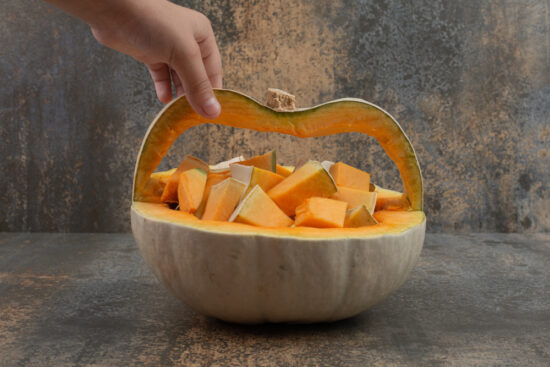
Chayote: Exploring the Crisp and Versatile Squash Used in Savoury Cooking
Anshika Jain - November 6, 2026Chayote is a mild, crisp squash that has become an important ingredient in several regional food traditions around the world. Recognised by its light-green colour, pear-like shape…
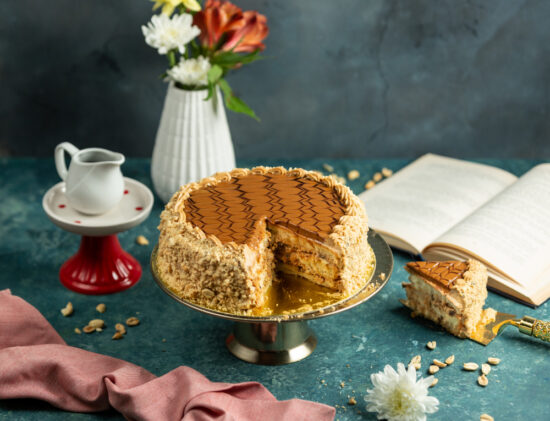
Basbousa: Egypt’s Traditional Semolina Cake Loved Across the Middle East
Anshika Jain - November 6, 2026Basbousa is one of the most recognisable traditional desserts of Egypt and the wider Middle East. Made primarily from semolina, sugar, butter or ghee, and milk or…

Kardinalschnitten: Austria’s Elegant Layered Dessert of Sponge, Meringue and Cream
Anshika Jain - November 6, 2026Austria is known for a rich tradition of coffee-house desserts, delicate pastries and carefully prepared cakes. Among its distinctive sweet creations is Kardinalschnitten, an elegant layered dessert…
Most from this category

Malva Pudding: South Africa’s Famous Soft Sponge Dessert With a Creamy Sauce
Anshika Jain - November 6, 2026
Aloo Ke Gutke — Uttarakhand: The Traditional Pahadi Potato Preparation
Anshika Jain - November 5, 2026
Eromba — Manipur: A Traditional Mash of Vegetables, Chillies and Fermented Flavours
Anshika Jain - November 5, 2026Malva Pudding: South Africa’s Famous Soft Sponge Dessert With a Creamy Sauce
Anshika Jain - November 6, 2026Ringan No Olo: Exploring Gujarat’s Smoky Roasted Aubergine Delicacy
Anshika Jain - November 6, 2026




Leave a Comment