

Mazurek: A decorated, often very flat pastry topped with fruit preserves

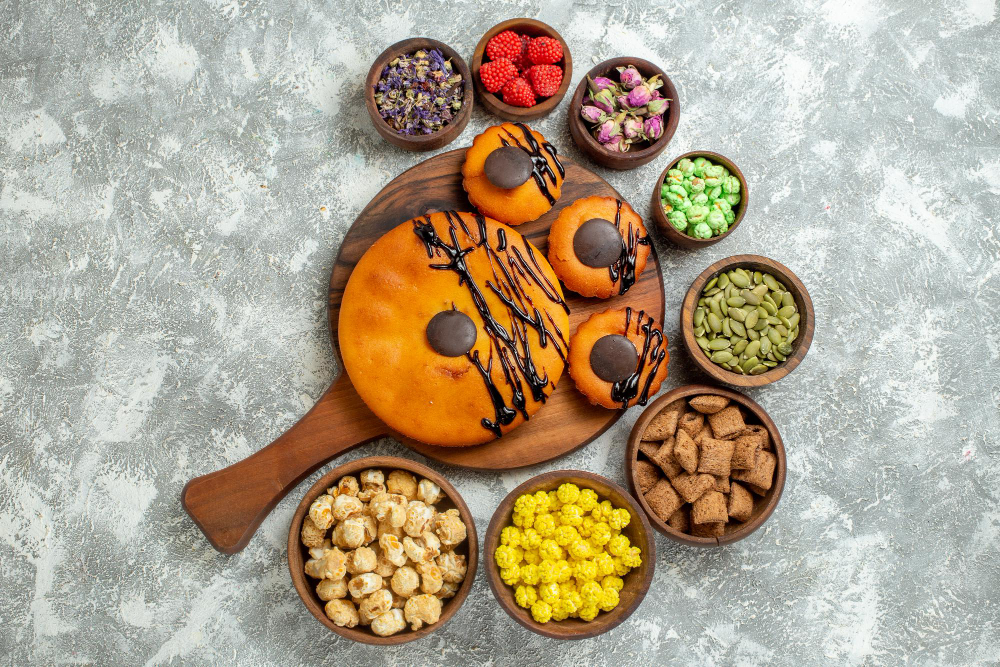
Polish cuisine is known for its diverse collection of traditional baked goods, festive desserts and regional delicacies. Among these specialities, Mazurek holds a distinctive place because of its unusual appearance, rich toppings and strong connection with Easter celebrations. Unlike conventional cakes that are usually tall, soft and layered, Mazurek is typically a low, flat pastry decorated with colourful ingredients such as fruit preserves, caramel, nuts, chocolate and dried fruits. Its visual appeal is just as important as its flavour, making it one of the most recognisable desserts associated with Polish festive traditions.
Mazurek is particularly popular during Easter, when families prepare or purchase it as part of their holiday meals. Its decorative surface often features intricate patterns, symbolic designs and carefully arranged toppings. Although traditional recipes commonly use butter, egg yolks, flour and sugar, variations can be adapted to suit different dietary preferences. Egg-free versions are also possible, allowing the pastry to be enjoyed by people who avoid eggs while retaining much of its characteristic richness and texture.
Beyond its ingredients, Mazurek represents an important part of Poland’s culinary heritage. Its preparation brings together baking techniques, artistic decoration and seasonal celebration. The pastry demonstrates how a relatively simple base can become an elaborate dessert through thoughtful combinations of flavours, textures and presentation.
What Is Mazurek?
Mazurek is a traditional Polish flat pastry that is generally prepared using a shortcrust-style base and finished with a variety of sweet toppings. It is usually rectangular or square, although round and other decorative shapes are also made. Its defining feature is its relatively low height, which provides a broad surface for arranging preserves, nuts, caramel, chocolate and other decorative ingredients.
The pastry is different from many European celebration cakes because it does not depend on multiple sponge layers or elaborate fillings. Instead, its appeal comes from the contrast between a crisp or crumbly base and a rich topping. Depending on the recipe, the pastry may be buttery and delicate, slightly firm, or tender enough to break apart easily. The topping introduces additional sweetness and texture, creating a dessert that can range from fruity and mildly sweet to deeply caramelised and indulgent.
There is no single universal recipe for Mazurek. Polish households and bakeries prepare different versions according to regional preferences, family traditions and available ingredients. Some use a simple layer of fruit jam, while others incorporate thick caramel, chocolate ganache, almond paste or nut-based fillings. This flexibility has helped the pastry remain popular across generations.
Historical Background and Cultural Significance in Poland
Mazurek has a long-standing association with Polish Easter celebrations. Although the precise origins of the pastry and the development of its modern form are not established by one definitive historical account, it became an important feature of festive baking traditions in Poland. Its presence on Easter tables reflects the importance of special foods during religious and family celebrations.
Easter is one of the most significant occasions in the Polish calendar. Traditional meals often include a combination of savoury dishes, decorated eggs, breads, cakes and regional specialities. Mazurek contributes to this festive selection through its decorative appearance and rich ingredients. It is often prepared as a special dessert rather than an everyday pastry, making it particularly associated with the holiday season.
The name Mazurek is also connected linguistically with Mazur, a term associated with the Mazurian and Mazovian cultural regions of Poland. However, the exact relationship between the name and the pastry’s origin is not entirely settled. Over time, Mazurek developed into a recognisable category of Polish festive baking rather than a dessert restricted to one particular region.
Its cultural importance is closely connected with family preparation. In many households, baking and decorating Mazurek is part of the Easter routine. The pastry may be prepared in advance and decorated with ingredients chosen according to personal preference. Some families favour traditional fruit preserves and nuts, while others create more elaborate designs using chocolate, icing and dried fruit.
The Traditional Ingredients Behind Mazurek
The ingredients used in Mazurek vary according to the recipe, but the pastry generally consists of two main elements: a baked base and a decorative topping. The base provides structure, while the topping determines much of the dessert’s flavour and appearance.
The Pastry Base
A traditional Mazurek base is often prepared using wheat flour, butter, sugar and egg yolks. These ingredients produce a shortcrust-style pastry that is rich, delicate and relatively crisp. Butter contributes flavour and tenderness, while flour provides the structure needed to hold the toppings. Sugar adds sweetness and supports the pastry’s overall texture.
Egg yolks are commonly used because they help bind the ingredients and contribute richness. However, the exact proportion of ingredients differs between recipes. Some versions use ground almonds or other nuts to create a more delicate texture and introduce additional flavour.
The dough is generally mixed until it comes together without being overworked. Excessive mixing can encourage gluten development, which may make the pastry tougher than desired. After mixing, the dough is often chilled before rolling. This helps the butter remain firm and makes the pastry easier to shape.
Fruit Preserves and Jam
Fruit preserves are among the most familiar toppings used in Mazurek. Apricot, raspberry, cherry, plum and other fruit-based jams provide sweetness and a pleasant contrast to the buttery pastry. Their colour also makes them useful for decorative designs.
Some recipes spread a thin layer of jam over the entire surface, while others use preserves to create patterns, borders or separate sections. The fruit component can balance the richness of caramel, nuts and chocolate, making it an important part of the dessert’s flavour profile.
Nuts and Almonds
Nuts are frequently used to add crunch and richness. Almonds, walnuts, hazelnuts and other varieties may be arranged across the pastry or incorporated into a topping. Ground almonds can also be added to the base, giving it a more delicate texture.
The choice of nuts influences both flavour and appearance. Sliced almonds create a neat decorative finish, while chopped walnuts and hazelnuts introduce a more rustic character. Nuts can also be lightly toasted before use to intensify their aroma.
Caramel and Chocolate
Caramel is another popular topping, particularly in richer versions of Mazurek. It creates a smooth, sweet layer that can be paired with nuts, chocolate or dried fruits. Depending on the recipe, caramel may be prepared from sugar and cream or made using sweetened condensed milk.
Chocolate offers another way to transform the pastry. Melted chocolate, chocolate ganache or chocolate icing can cover the base or form decorative patterns. Dark chocolate provides a more intense flavour, while milk chocolate produces a sweeter result. White chocolate is sometimes used for contrast and decoration.
How Mazurek Is Traditionally Prepared
The preparation of Mazurek involves making the pastry base, baking it until properly set and adding the selected toppings after cooling. Although the method is relatively straightforward, careful attention to texture and decoration helps produce a successful result.
The process begins with combining flour, butter and sugar to create a crumbly mixture. Egg yolks are added in traditional recipes to bring the dough together. The mixture is handled gently until it forms a smooth dough, which is then wrapped and chilled. Chilling helps the pastry retain its shape during rolling and baking.
Once sufficiently firm, the dough is rolled into a relatively thin sheet and transferred to a baking tray. It may be shaped into a rectangle, square or another preferred form. Some recipes include a slightly raised edge around the pastry to help contain the topping. The base is then baked until lightly golden and cooked through.
After baking, the pastry must cool before the toppings are added. Applying jam, caramel or chocolate while the base is still too warm can affect their consistency and make decoration difficult. Once cooled, the surface is covered or decorated according to the chosen recipe. Nuts, dried fruits, chocolate pieces and other ingredients can then be arranged to complete the design.
The final pastry is often left to rest so that its toppings can set properly. This makes it easier to cut into portions and allows the flavours to come together.
The Art of Decorating Mazurek
One of the most distinctive aspects of Mazurek is its decorative surface. Unlike many pastries where presentation is secondary to the filling, decoration is central to the identity of this Polish dessert. Its flat shape provides enough space for elaborate designs without requiring complex cake structures.
Traditional decorations may include patterns made from nuts, dried fruits, icing and preserves. Some pastries feature geometric arrangements, while others display floral designs, borders or symbolic Easter motifs. Chocolate can be used to draw lines and shapes, and fruit preserves can provide contrasting colours.
The decorations are not limited to appearance. They also influence the flavour and texture of each portion. A slice topped with almonds and apricot preserve may taste different from one containing caramel and dark chocolate. This variety makes Mazurek suitable for individual creative expression.
Easter-themed decorations are particularly common. Some bakers incorporate motifs associated with spring, renewal and celebration. Coloured icing, edible flowers and small chocolate decorations can give the pastry a festive appearance while preserving its traditional structure.
Popular Varieties of Mazurek
Mazurek is not a single fixed dessert, and its different versions demonstrate the flexibility of Polish baking traditions. The same pastry base can be transformed through different toppings, fillings and decorative approaches.
Fruit Preserve Mazurek
Fruit preserve Mazurek is one of the simpler and more familiar varieties. It uses a baked pastry base covered with jam or fruit preserves. Apricot and plum are common flavour choices, although berries and other fruits can also be used.
This version is valued for its balance of sweetness and fruit acidity. The preserves provide a soft layer that contrasts with the crisp pastry, while nuts or icing may be added to improve the appearance.
Caramel Mazurek
Caramel Mazurek is a richer variation that uses a thick caramel topping. Its flavour is generally deeper and sweeter than that of fruit-based versions. Some recipes combine caramel with chopped nuts, creating a contrast between the smooth topping and crunchy additions.
The caramel layer must be prepared and applied carefully. If it becomes too hard, the pastry may be difficult to cut. If it is too soft, it may spread beyond the base. Achieving the right consistency is therefore an important part of preparation.
Chocolate Mazurek
Chocolate Mazurek is popular among people who enjoy cocoa-based desserts. It may feature a chocolate coating, ganache or decorative chocolate patterns. Nuts, fruit preserves and dried fruits can be added to create more complex flavours.
Dark chocolate is especially useful for balancing the sweetness of the pastry and other toppings. White chocolate may also be used to produce contrasting designs across a darker chocolate surface.
Nut-Based Mazurek
Nut-based varieties highlight ingredients such as almonds, walnuts and hazelnuts. Nuts may be incorporated into the dough, used as a filling or arranged over a layer of caramel or chocolate.
These versions tend to have a rich flavour and a satisfying texture. Ground nuts can also provide a slightly different structure to the pastry base, making the dessert more delicate or dense depending on the recipe.
Egg-Free Mazurek: Adapting a Traditional Polish Dessert
Although many traditional Mazurek recipes contain egg yolks, egg-free versions are possible without changing the pastry’s essential character. This makes the dessert adaptable for people who avoid eggs for dietary, personal or ingredient-availability reasons.
In an egg-free pastry base, butter and flour can be combined with a suitable liquid or binding ingredient to bring the dough together. Depending on the recipe, a small quantity of milk, plant-based milk, yoghurt or another appropriate substitute may be used. Some bakers also rely on a carefully balanced combination of fat and moisture to produce a workable dough.
The most important consideration is texture. Eggs contribute binding and richness, so removing them without adjusting the remaining ingredients may result in a dough that is too dry or difficult to handle. The quantity of liquid should be added gradually until the dough holds together without becoming sticky.
For a fully plant-based version, dairy butter can also be replaced with a suitable plant-based baking fat. The selected substitute should be firm enough when chilled to help the pastry maintain its structure. Toppings can also be adapted by using fruit preserves, dairy-free chocolate, nuts and plant-based caramel.
Egg-free Mazurek demonstrates how traditional baking can evolve while retaining its cultural identity. The pastry’s defining characteristics are its flat shape, shortcrust-style base and decorative topping, so different ingredient combinations can still produce a recognisable version of the dessert.
Taste, Texture and Flavour Combinations
Mazurek is valued for the contrast between its pastry and toppings. The base is generally buttery and crumbly, while the toppings may be smooth, sticky, crunchy or fruity. This combination creates a dessert with several textural elements in a relatively simple structure.
The flavour depends heavily on the selected ingredients. Fruit-based versions may have a balance of sweetness and acidity, whereas caramel varieties are usually richer and more intensely sweet. Chocolate introduces bitterness or cocoa depth, while nuts contribute roasted and earthy notes.
The pastry also works well with combinations of ingredients rather than a single topping. Apricot preserve with almonds, chocolate with hazelnuts, and caramel with walnuts are examples of pairings that create a more complex dessert. The flat structure allows these ingredients to be distributed across the surface, so each slice can contain a different combination of flavours.
Nutritional Characteristics of Mazurek
Mazurek is generally considered a rich celebratory dessert rather than an everyday food. Its nutritional composition depends on the ingredients, portion size and preparation method. Traditional pastry bases contain flour, butter and sugar, while toppings may add additional sugar and fat through caramel, chocolate, preserves and nuts.
Butter contributes dietary fat and energy, while wheat flour provides carbohydrates. Sugar increases the dessert’s carbohydrate content, and fruit preserves add fruit-derived compounds alongside concentrated sugars. Nuts contribute unsaturated fats, plant protein, fibre and minerals, although their overall contribution depends on the quantity used.
Fruit-based toppings can introduce some naturally occurring plant compounds, but the presence of jam should not be treated as equivalent to eating whole fruit. The processing of fruit and the addition of sugar influence its nutritional characteristics.
Mazurek can be enjoyed as part of a balanced eating pattern when consumed in appropriate portions. Its richness means that relatively small slices may be satisfying. People who need to manage particular dietary requirements can adjust ingredients, but substitutions may change the pastry’s texture and nutritional profile.
Mazurek in Modern Polish Food Culture
Although Mazurek remains strongly associated with Easter, its appeal extends beyond a single holiday. Polish bakeries and home cooks continue to prepare different versions, combining traditional methods with contemporary ingredients and presentation styles.
Modern recipes may use pistachios, citrus zest, dried cranberries, salted caramel, premium chocolate and other ingredients that were not necessarily central to older household preparations. Some bakers experiment with gluten-free flour blends, dairy-free fats and egg-free doughs to make the pastry suitable for a wider range of dietary preferences.
The visual character of Mazurek also makes it well suited to modern food presentation. Its broad surface can be decorated with carefully arranged nuts, fruit, edible flowers and chocolate patterns. Social media and contemporary baking culture have encouraged more elaborate designs, but the underlying concept remains familiar: a flat pastry transformed through a rich and decorative topping.
Despite these adaptations, its connection with Easter continues to give Mazurek a special place in Polish food culture. It remains an example of how traditional recipes can accommodate changing tastes without losing their cultural meaning.
How Mazurek Differs from Other European Pastries
Mazurek shares some characteristics with other European shortcrust pastries, but its structure and presentation make it distinctive. Many traditional tarts are built around a filling contained within a pastry shell. Mazurek, by contrast, is often relatively flat and may feature toppings spread directly across a baked base.
It also differs from layered celebration cakes. Rather than relying on sponge layers, cream fillings or elaborate internal structures, it uses a single pastry foundation and a decorative surface. This makes its preparation comparatively simple while leaving considerable room for creativity.
Its close association with Polish Easter celebrations further distinguishes it from desserts that are prepared throughout the year without a specific festive connection. Mazurek is therefore not only a pastry but also a cultural food associated with seasonal customs and family gatherings.
Serving and Storing Mazurek
Mazurek is usually served in small rectangular or square portions. Because its toppings can be rich, modest slices are often sufficient after a large festive meal. It can be served on its own or alongside tea and coffee.
The ideal storage method depends on the topping. A pastry covered with fruit preserves or a firm chocolate layer can often be kept in an airtight container in a cool, dry place for a limited period. Versions containing cream-based fillings or other perishable ingredients may require refrigeration. Moist toppings can gradually soften the pastry base, so storage conditions and preparation timing affect the final texture.
For the best results, the pastry should be allowed to cool and its topping should set before cutting. Using a sharp knife and cleaning it between cuts can also help produce neat portions, particularly when the surface contains caramel or chocolate.
Conclusion
Mazurek is a distinctive part of Poland’s traditional baking heritage, combining a flat pastry base with rich toppings and elaborate decoration. Its connection with Easter celebrations gives it cultural importance, while its flexible preparation allows bakers to create a wide range of flavours and designs. From fruit preserves and toasted nuts to caramel and chocolate, each variation offers a different interpretation of the same traditional dessert.
Its adaptability is another reason for its continued popularity. Egg-free versions and other ingredient substitutions make it possible to accommodate changing dietary preferences without abandoning the pastry’s essential character. At the same time, modern additions such as pistachios, citrus and contemporary chocolate decorations demonstrate how traditional recipes can evolve.
More than a sweet pastry, Mazurek represents the relationship between food, celebration and family traditions in Poland. Its combination of simple pastry-making techniques and artistic presentation ensures that it remains a memorable feature of Polish festive cuisine.
Online Internship with Certificate
You may be interested
Yomogi Mochi: Japan’s Mugwort Rice Cake with a Distinctive Herbal Flavour
Anshika Jain - November 2, 2026Japanese cuisine is widely recognised for its attention to seasonal ingredients, delicate flavours and traditional food-making techniques. Among its many rice-based specialities, Yomogi Mochi holds a distinctive…
Rote Grutze: A red-fruit pudding made with berries and starch
Anshika Jain - November 2, 2026German cuisine features a wide range of traditional desserts that combine seasonal fruits, simple cooking techniques and regional ingredients. Among the most recognisable examples from northern Germany…
Ovocne Knedliky: Czech Fruit Dumplings and Their Place in European Cuisine
Anshika Jain - November 2, 2026Czech cuisine is known for its comforting traditional dishes, seasonal ingredients and distinctive approach to sweet and savoury cooking. Among its most beloved specialities is Ovocné knedlíky,…
Most from this category
Cardoon: Thistle Vegetable with Edible Stalks and Distinctive Flavour
Anshika Jain - October 30, 2026
Kissel: A fruit-based dessert made with berries or other fruits
Anshika Jain - November 2, 2026Cardoon: Thistle Vegetable with Edible Stalks and Distinctive Flavour
Anshika Jain - October 30, 2026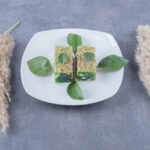
Rote Grutze: A red-fruit pudding made with berries and starch
November 2, 2026
Kissel: A fruit-based dessert made with berries or other fruits
November 2, 2026

Leave a Comment