

Mujadara: The Middle Eastern Lentil and Rice Comfort Food

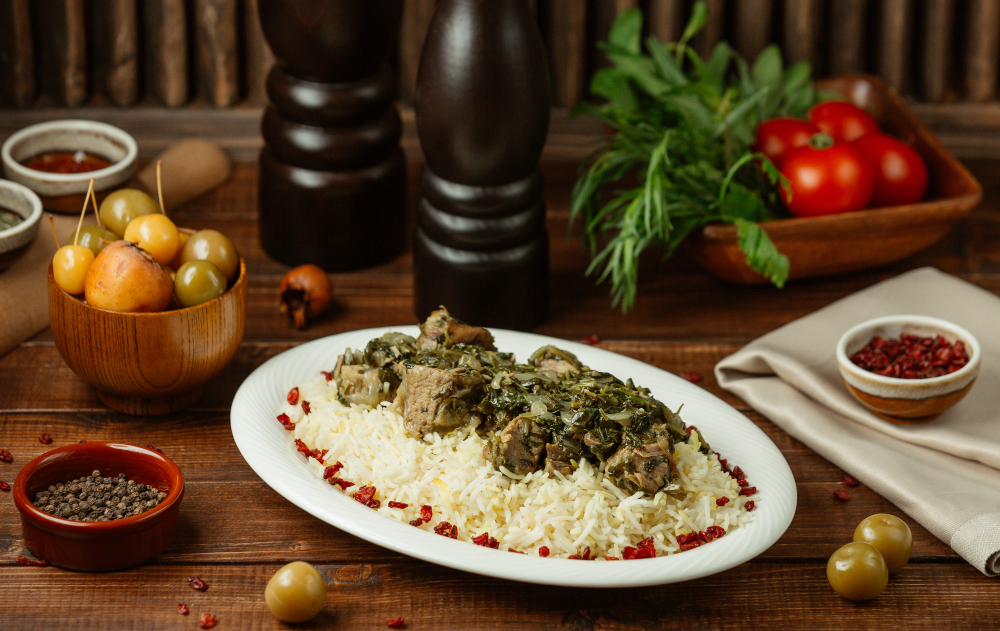
Food has a remarkable ability to communicate the history, traditions, and everyday lifestyles of a community. Some dishes become popular not because they use expensive ingredients or complicated cooking techniques, but because they offer warmth, nourishment, and familiarity. Mujadara, a traditional Middle Eastern dish made with lentils, rice, and caramelised onions, is a perfect example of this type of comfort food. Simple yet deeply satisfying, mujadara has been prepared across generations and remains an important part of home cooking in several Middle Eastern communities.
The dish is appreciated for its combination of earthy lentils, tender rice, sweet golden onions, and aromatic spices. Its ingredients are affordable, widely available, and rich in nutritional value, making mujadara both practical and delicious. Although recipes vary across regions and households, lentils and grains remain central to its identity.
Mujadara is more than a rice-based meal. It reflects the resourcefulness of traditional cooking, the importance of plant-based foods, and the cultural value of sharing homemade meals. This article explores the history, ingredients, preparation methods, regional variations, nutritional benefits, and modern relevance of mujadara.
What Is Mujadara?
Mujadara is a traditional Middle Eastern dish prepared primarily with lentils, rice, and onions. The lentils are cooked until tender, while rice or another grain is prepared with them or separately before being combined. The dish is usually topped with onions that have been slowly fried or caramelised until golden brown.
The flavour of mujadara is simple but layered. Lentils provide an earthy and slightly nutty taste, while rice adds softness and balance. Caramelised onions contribute sweetness and a rich aroma, transforming the dish from a basic combination of grains and legumes into a deeply flavourful meal.
Different versions may include spices such as cumin, coriander, black pepper, cinnamon, or allspice. Some recipes use bulgur instead of rice, while others change the ratio of lentils to grains. Mujadara can be served as a main course, side dish, or part of a larger meal accompanied by yoghurt, salad, pickles, or fresh vegetables.
Its flexibility makes it suitable for everyday cooking. It can be prepared in large quantities, stored for later meals, and adapted according to the ingredients available in the kitchen.
Historical Background of Mujadara
Mujadara has a long history in the culinary traditions of the Middle East. Lentils and grains have been important food staples in the region for centuries because they are affordable, easy to store, and capable of providing substantial nourishment. Combining these ingredients created a practical meal for households across different social and economic backgrounds.
Historical references to dishes combining lentils and grains can be found in Middle Eastern culinary traditions. Although the exact origin of the modern versions of mujadara is difficult to identify, the dish has been associated with Arab, Levantine, and other regional food cultures. Its preparation has developed differently across communities, resulting in variations in ingredients, texture, and presentation.
Mujadara is sometimes described as a dish connected with humble or economical cooking. This description reflects its use of inexpensive staple ingredients rather than suggesting that the dish lacks cultural importance. In many households, simple meals are valued because they are connected to family memories, hospitality, and traditional knowledge.
Over time, mujadara moved beyond home kitchens and became a familiar dish in restaurants and food establishments serving Middle Eastern cuisine. Its continued popularity demonstrates how traditional foods can remain relevant despite changing dietary trends and modern cooking habits.
The Main Ingredients of Mujadara
The basic ingredients of mujadara are lentils, rice or bulgur, onions, oil, water or stock, and spices. Despite this short ingredient list, the cooking process allows each component to contribute to the final flavour and texture.
Lentils are the main source of plant-based protein and provide the dish with its earthy taste. Brown or green lentils are commonly used, although the variety may differ according to regional and family recipes. The lentils must be cooked carefully so that they become tender without turning completely mushy.
Rice provides structure and makes the meal more filling. Long-grain rice, short-grain rice, or other locally available varieties may be used. Some recipes replace rice with bulgur, creating a slightly different texture and a more pronounced grain flavour.
Onions are essential to the identity of mujadara. They are often sliced thinly and cooked slowly in oil until they become golden brown or deeply caramelised. This step requires patience because the onions develop their characteristic sweetness gradually.
Spices vary according to the recipe, but cumin is frequently used because it complements the flavour of lentils. Salt, pepper, coriander, and other seasonings may be added to create a more complex taste.
The Importance of Caramelised Onions
Caramelised onions are one of the most important elements of mujadara. While lentils and rice create the foundation of the dish, onions provide the richness and sweetness that make it distinctive.
The onions are generally sliced thinly and cooked in oil over medium or low heat. As they lose moisture, their texture softens and their natural sugars become more concentrated. The cooking process may take time, particularly when a large quantity of onions is prepared.
Properly cooked onions should become golden brown and fragrant. They may be mixed into the lentil and rice mixture or placed generously on top before serving. Some recipes use onions in both ways, creating flavour throughout the dish as well as a decorative topping.
The contrast between soft grains, tender lentils, and slightly crisp onion edges adds to the eating experience. The onions also reduce the need for heavy sauces or additional ingredients, allowing mujadara to remain simple while still offering a satisfying depth of flavour.
Traditional Preparation Method
Preparing mujadara requires coordination between cooking the lentils, preparing the grains, and frying the onions. The exact method varies, but the general process begins with washing and sorting the lentils and rice.
The lentils are simmered in water until they are partially or fully tender. The cooking time depends on the type of lentil and the desired final texture. Rice is then added at the appropriate stage so that both ingredients finish cooking without becoming excessively soft.
In some recipes, the rice is cooked separately and combined with the lentils later. In others, both ingredients are cooked together in a single pot. Cooking them together allows the grains to absorb the flavour of the lentils and seasonings.
Meanwhile, onions are sliced and fried in oil until golden brown. The onions may be prepared before the lentil and rice mixture or while it is cooking. Once all components are ready, they are combined and seasoned according to taste.
The finished dish is often allowed to rest briefly before serving. This helps the flavours settle and gives the rice time to absorb any remaining moisture. The mujadara is then garnished with caramelised onions and served warm or at room temperature.
Flavour and Texture of Mujadara
Mujadara is valued for its comforting flavour and balanced texture. The lentils provide a soft but substantial bite, while the rice offers a mild and delicate foundation. The onions introduce sweetness, richness, and a slightly roasted aroma.
The final texture depends on the cooking method and the ratio of lentils to rice. Some versions are relatively dry and grainy, with separate rice grains and visible lentils. Others are softer and more cohesive, resembling a thick pilaf or porridge.
Spices can significantly influence the flavour profile. Cumin gives the dish a warm and earthy character, while black pepper adds mild sharpness. Coriander and cinnamon may provide additional fragrance in certain recipes. However, mujadara does not generally depend on intense seasoning. Its appeal comes from the natural flavours of the ingredients and the careful preparation of the onions.
The dish can be served with fresh herbs, lemon juice, or yoghurt to introduce freshness and contrast. These additions complement the hearty base without overpowering its traditional taste.
Regional Variations of Mujadara
Mujadara is prepared in different ways across the Middle East, and regional variations often depend on the choice of grain and cooking method. In some communities, rice is the preferred grain, while others use bulgur or a similar wheat-based ingredient.
The texture and colour of the dish may also vary. Some versions contain a higher proportion of lentils, giving the meal a darker appearance and a stronger earthy flavour. Other preparations use more rice, creating a lighter and softer result.
The treatment of onions differs as well. Some recipes use deeply browned onions as a topping, while others mix them into the dish during cooking. The amount and type of spices can also change according to household traditions.
These differences are not necessarily strict regional rules. Families often develop their own methods over time, adjusting ingredients based on preference, availability, and experience. As a result, mujadara should be understood as a broad family of related preparations rather than one recipe with a single fixed form.
Mujadara as a Plant-Based Food
Mujadara is naturally suitable for many vegetarian and vegan diets when prepared with plant-based ingredients. Its primary components are lentils, rice or bulgur, onions, oil, and spices. Unlike many traditional comfort foods that rely on meat or dairy, mujadara obtains much of its nutritional value from legumes and grains.
This makes the dish particularly relevant to people who want to increase their consumption of plant-based meals. Lentils contribute protein and fibre, while rice or bulgur provides carbohydrates for energy. Onions and spices add flavour without requiring animal-based ingredients.
However, preparation methods should be checked carefully. Some cooks may use butter, animal-based stock, or dairy accompaniments. A fully vegan version can be prepared with olive oil or another plant-based oil and vegetable stock or water.
Mujadara also demonstrates that plant-based cooking does not need to be complicated. By combining a few basic ingredients and using the right cooking techniques, households can prepare a satisfying meal that is both affordable and adaptable.
Nutritional Value of Lentils and Rice
The nutritional profile of mujadara depends on its ingredients, portion size, and cooking method. Lentils are an important source of plant-based protein, dietary fibre, folate, iron, and other nutrients. Fibre can support digestive health and contribute to feelings of fullness.
Rice provides carbohydrates, which are a major source of energy for the body. The nutritional composition differs depending on whether white rice, brown rice, bulgur, or another grain is used. Whole grains may provide more fibre and certain micronutrients than refined grains.
Onions contribute flavour as well as small amounts of vitamins, minerals, and plant compounds. The quantity of oil used during cooking affects the total fat and calorie content of the meal. Deep-fried onions may increase the amount of oil absorbed, while onions cooked with a moderate quantity of oil may produce a lighter version.
Although mujadara can be part of a balanced diet, it is important to consider the complete meal. Serving it with vegetables, a fresh salad, or a suitable protein source can increase variety and improve overall nutritional balance.
Mujadara and Everyday Middle Eastern Meals
Mujadara is commonly associated with home cooking because it uses ingredients that can be stored and prepared easily. Lentils, rice, bulgur, onions, and spices are often available in household kitchens, making the dish a practical choice when families need a nourishing meal without purchasing expensive ingredients.
It can be served for lunch or dinner and may be prepared in advance for busy days. Because the ingredients are relatively stable, mujadara can also be useful for meal planning. Leftovers can be reheated and served with fresh accompaniments.
In many households, the dish is served alongside yoghurt, cucumber salad, tomatoes, pickled vegetables, or fresh herbs. These side dishes add moisture, acidity, and freshness to the meal. Lemon juice may also be used to brighten the earthy flavour of the lentils.
Mujadara’s versatility allows it to fit into both casual family meals and larger gatherings. Its ability to be prepared in large quantities makes it convenient for sharing, reinforcing its connection with hospitality and communal dining.
The Cultural Importance of Mujadara
Traditional foods often carry cultural meaning that extends beyond their ingredients. Mujadara reflects the importance of resourceful cooking and the ability to create nourishing meals from simple staples. Its preparation shows how households have historically used grains, legumes, and locally available vegetables to feed families.
The dish is also associated with comfort and familiarity. A bowl of mujadara can remind people of family kitchens, traditional recipes, and meals shared with relatives. These emotional associations help explain why simple dishes remain important even when more elaborate foods become widely available.
Mujadara can also represent the value of economical cooking. Its ingredients are generally affordable, but the dish does not depend on luxury to provide flavour or satisfaction. The slow preparation of onions and careful cooking of lentils demonstrate how technique can be more important than expensive ingredients.
As food traditions are passed from one generation to another, recipes may change slightly while retaining their essential character. This process allows mujadara to remain connected to its history while adapting to contemporary households.
Mujadara in Modern Food Culture
Modern interest in healthy eating, plant-based diets, and economical meal planning has introduced mujadara to new audiences. The dish naturally aligns with several contemporary food trends because it is based on legumes, grains, vegetables, and simple seasonings.
Restaurants may present mujadara as a traditional side dish or a complete vegetarian meal. Some modern interpretations use brown rice, quinoa, different lentil varieties, or additional vegetables. These adaptations may appeal to customers looking for greater nutritional variety or alternative ingredients.
Food bloggers and home cooks often share mujadara recipes because the dish is accessible and does not require specialised equipment. Its preparation can be adjusted to different kitchen environments, making it suitable for beginners as well as experienced cooks.
Despite these modern adaptations, the traditional combination of lentils, rice, and onions remains central. Contemporary variations can introduce new flavours, but the dish’s identity continues to depend on its simple foundation and comforting character.
How to Prepare Mujadara at Home
Mujadara can be prepared in a home kitchen using ordinary cookware and basic ingredients. The first step is to rinse the lentils and rice or bulgur thoroughly. This removes excess starch and unwanted particles while helping produce a cleaner final texture.
The lentils are then simmered in water until they begin to soften. The grain is added according to the chosen cooking method, and the mixture is seasoned with salt and spices. The cooking temperature should be controlled carefully to prevent the ingredients from sticking to the bottom of the pot.
The onions require particular attention. Thinly sliced onions should be cooked slowly until they become golden brown and aromatic. Rushing this stage can result in burnt edges and uneven texture, while gentle cooking allows the onions to develop a more balanced sweetness.
Once the lentils and grain are cooked, the mixture is combined and allowed to rest briefly. The onions are then added as a topping or mixed throughout the dish. Fresh herbs, yoghurt, salad, or lemon can be served alongside it.
Home cooks can adjust the consistency, seasoning, and ratio of ingredients according to preference. This flexibility is one of the main reasons mujadara remains popular in everyday kitchens.
Serving Suggestions and Accompaniments
Mujadara is often served with accompaniments that complement its earthy and savoury flavour. Plain yoghurt is a popular option because its cool and creamy texture contrasts with the warm lentils and rice. Plant-based yoghurt can also be used when preparing a vegan meal.
Fresh salads made with tomatoes, cucumbers, onions, and herbs add brightness and moisture. Lemon juice or a light dressing can balance the richness of the caramelised onions. Pickled vegetables may provide acidity and a sharper flavour contrast.
Fresh herbs such as parsley or coriander can be sprinkled over the top for colour and freshness. Some people enjoy mujadara with a small amount of olive oil, while others prefer to serve it with roasted vegetables or a light soup.
Because the dish is filling, it does not always require a large number of side dishes. A simple salad and a suitable accompaniment can create a complete and satisfying meal.
Storage and Food Preparation
Mujadara is convenient for meal preparation because it can be cooked in advance and stored appropriately. Once prepared, it should be cooled and refrigerated promptly in a clean, covered container. Proper food storage practices are important, particularly when the dish contains cooked rice.
When reheating, the food should be heated thoroughly and handled safely. A small amount of water may be added if the rice becomes dry during storage. The onions can be stored separately if a crispier texture is preferred.
Preparing mujadara in advance can help reduce cooking time during busy weekdays. It can also make it easier for families to plan balanced meals without relying on highly processed convenience foods.
The dish may change slightly in texture after refrigeration, but its flavours often remain satisfying. Fresh herbs, lemon juice, or yoghurt can be added during serving to refresh the meal.
Mujadara and Sustainable Eating
Mujadara offers an example of how traditional food practices can support economical and resource-conscious eating. Lentils require relatively modest resources compared with many animal-based protein sources, and rice and onions are widely available staple ingredients.
The dish also demonstrates how simple cooking can reduce dependence on expensive or highly processed foods. By using pantry staples, households can prepare filling meals while limiting food waste. Leftover vegetables or herbs may be served alongside the dish, and the recipe can be adjusted to use ingredients already available.
Sustainability depends on several factors, including sourcing, portion planning, food storage, and cooking methods. Mujadara alone cannot address every environmental concern, but its plant-based foundation and practical ingredient list make it relevant to discussions about affordable and sustainable food choices.
Its long history also illustrates how traditional cuisines have often relied on seasonal ingredients, preservation, and efficient household cooking long before modern sustainability movements became widely discussed.
Conclusion
Mujadara is a traditional Middle Eastern comfort food that combines lentils, rice or bulgur, and caramelised onions into a nourishing and flavourful meal. Its ingredients are simple, but careful preparation creates a dish with rich aromas, satisfying textures, and a distinctive balance of earthy, savoury, and sweet flavours.
The dish’s long-standing presence in Middle Eastern food culture reflects the importance of affordable ingredients, plant-based nourishment, and family cooking traditions. Regional and household variations demonstrate its flexibility, while modern adaptations have introduced it to people interested in vegetarian meals, healthy eating, and sustainable cooking.
From a family kitchen to a contemporary restaurant, mujadara continues to show that comfort food does not require complicated ingredients. Its appeal comes from the thoughtful combination of lentils, grains, onions, and spices, along with the cultural memories connected to its preparation and sharing.
Mujadara remains a valuable example of how traditional food can be nutritious, economical, adaptable, and deeply meaningful. Its simplicity is not a limitation but the foundation of its lasting appeal.
You may be interested

Halo-Halo: Exploring the Colourful Filipino Dessert
Anshika Jain - September 17, 2026Desserts often reflect the creativity, traditions, and cultural identity of the communities that prepare them. In the Philippines, few desserts express these qualities as vividly as halo-halo,…
Bibingka: Discovering the Traditional Filipino Rice Cake
Anshika Jain - September 17, 2026Food is often more than a source of nourishment. It reflects a region’s history, cultural traditions, religious practices, family relationships, and connection with local ingredients. In the…

Sahlab: Exploring the Creamy Middle Eastern Winter Drink
Anshika Jain - September 17, 2026Across the Middle East, winter is associated with comforting foods, warm family gatherings, traditional markets, and beverages that provide warmth during cooler evenings. Among these seasonal favorites,…
Most from this category



Mexican Champurrado: The Traditional Chocolate-Based Beverage
Anshika Jain - September 16, 2026
Halo-Halo: Exploring the Colourful Filipino Dessert
September 17, 2026
Bibingka: Discovering the Traditional Filipino Rice Cake
September 17, 2026
Sahlab: Exploring the Creamy Middle Eastern Winter Drink
September 17, 2026
Farinata: Italy’s Unique Chickpea Flatbread
September 17, 2026

Leave a Comment