

Paal Poli: Deep-Fried Bread Soaked in Sweetened Milk

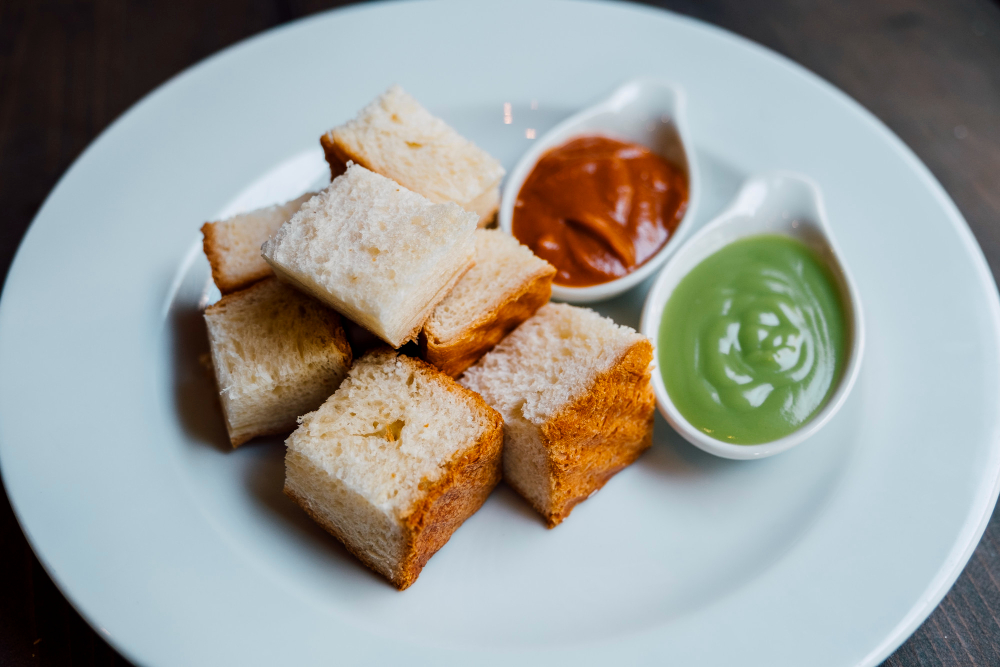
Indian cuisine is home to countless traditional sweets that transform simple ingredients into memorable culinary experiences. Among them, Paal Poli holds a special place for its combination of golden-fried bread and gently flavoured sweetened milk. Popular in Tamil Nadu and associated with festive meals and special family occasions, this dessert brings together two contrasting textures: a soft, fried flatbread that absorbs milk and a creamy, aromatic liquid that surrounds every bite. The result is a rich dessert that feels both comforting and celebratory.
Paal Poli is generally prepared by making small discs from a dough of flour or semolina, frying them until golden, and soaking them in sweetened milk. The milk may be flavoured with cardamom and saffron, while nuts such as almonds and pistachios can provide additional texture. Recipes differ between households, with some using wheat flour, some incorporating rava or semolina, and others adjusting the milk’s thickness according to personal preference.
The appeal of Paal Poli lies in the way its components change when brought together. The fried bread begins with a lightly crisp surface, but as it absorbs the warm or cooled milk, it becomes tender and moist. Meanwhile, the milk carries the flavours of sugar, cardamom, and sometimes saffron, creating a creamy base that complements the bread rather than overwhelming it.
More than a sweet dish, Paal Poli reflects a broader tradition in South Indian cooking: preparing familiar ingredients in a way that makes them suitable for festivals, family gatherings, and celebratory meals. Understanding this dessert means exploring its ingredients, preparation, texture, regional variations, and continuing place in India’s culinary culture.
What Is Paal Poli?
Paal Poli is a traditional milk-based dessert whose name describes its two central elements. In Tamil, paal means milk, while poli refers to a type of flatbread or stuffed sweet preparation in several South Indian culinary traditions. In Paal Poli, the bread is typically fried and then soaked in sweetened milk, allowing it to absorb the liquid and become soft.
The preparation is related in concept to other Indian desserts that combine fried dough with milk or syrup, but Paal Poli has its own character. Rather than relying exclusively on a sugary syrup, it uses milk as the principal soaking liquid. This gives the finished dessert a creamy quality and allows aromatic ingredients such as cardamom and saffron to become part of the overall flavour.
Paal Poli is often prepared for festive occasions, family celebrations, and traditional meals. Its exact method varies according to household custom. Some cooks prefer a thin, delicate bread that absorbs milk quickly, while others make a slightly thicker version that retains more structure after soaking. The milk may be reduced to produce a richer consistency or kept relatively light for a less dense dessert.
Although the name is commonly associated with Tamil cuisine, similar preparations and variations can be found across South Indian home cooking. These variations reflect the flexibility of traditional recipes, where the same basic idea can produce different results depending on local ingredients and family preferences.
The Ingredients That Give Paal Poli Its Character
Paal Poli relies on a relatively straightforward combination of dough, milk, sugar, and aromatic ingredients. However, the proportion and handling of each component determine whether the dessert becomes tender and creamy or overly soft and heavy.
Flour or Semolina for the Fried Bread
The bread is commonly prepared with flour, semolina, or a combination of ingredients, depending on the recipe. Wheat flour produces a flexible dough that can be rolled into thin discs. Semolina, often called rava in South Indian cooking, can contribute a slightly different texture and may require adjustments to the amount of water and resting time.
The dough should generally be smooth and manageable without becoming excessively sticky. Resting it allows the flour to hydrate and makes rolling easier. Small portions are then shaped into discs, with the thickness adjusted according to the preferred final texture.
Thin discs tend to fry quickly and absorb the sweetened milk readily. Thicker pieces may retain more structure but can take longer to cook evenly. The choice depends on whether the cook wants the finished Paal Poli to become very soft or to maintain a noticeable bread-like texture after soaking.
Milk: The Creamy Foundation
Milk is the defining ingredient in Paal Poli. It supplies the dessert’s creamy body and carries the sweetness and aroma of the other ingredients. Whole milk is often preferred because its fat content produces a fuller mouthfeel, although recipes can be adapted to other types of milk.
Some cooks simmer the milk for a period to reduce its water content and create a richer consistency. As the milk reduces, its flavour becomes more concentrated, and its natural sugars and proteins contribute to the overall taste and texture. Careful heating is important because milk can scorch at the bottom of the pan or boil over if left unattended.
The thickness of the milk should suit the bread. A very thick mixture may coat the fried discs without penetrating them as evenly, while a thinner mixture can be absorbed more quickly. The ideal consistency allows the bread to soften while leaving enough milk to serve alongside it.
Sugar and Cardamom for Balanced Sweetness
Sugar provides the basic sweetness, while cardamom adds a fragrant, slightly citrusy note. The two ingredients work well together because cardamom gives the milk more aromatic depth without requiring an excessive amount of spice.
The amount of sugar depends on the richness of the milk, the quantity of bread, and personal preference. Because the fried bread also absorbs the sweetened liquid, the flavour should be balanced across the entire dessert rather than concentrated only in the milk.
Cardamom is commonly added in powdered form or through the use of crushed pods, depending on the recipe. It should be used with restraint so that its aroma complements the milk instead of dominating it.
Saffron and Nuts for a Festive Finish
Saffron is an optional addition that can provide a delicate aroma and a warm golden hue. When steeped in warm milk, its colour and fragrance gradually spread through the liquid. Even a small quantity can make the dessert feel more elaborate.
Chopped almonds, cashews, or pistachios may be added for texture and flavour. Their slight crunch contrasts with the softened bread and creamy milk. Some recipes also use raisins or other dried fruits, although these additions are not essential to the dessert’s basic identity.
These finishing ingredients demonstrate how Paal Poli can be adapted for different occasions. A simple version may use only milk, sugar, and cardamom, while a festive preparation may include saffron and several varieties of nuts.
How Paal Poli Achieves Its Distinctive Texture
The defining feature of Paal Poli is the transformation that occurs when fried bread meets sweetened milk. Immediately after frying, the bread has a cooked outer surface and may retain a degree of crispness. Once it is placed in the milk, the liquid gradually enters the porous structure of the bread, softening it and changing the way it feels when eaten.
The process depends on the bread’s thickness, frying time, temperature of the milk, and duration of soaking. Thin bread generally absorbs liquid more quickly, while thicker pieces may take longer to soften throughout. A longer soaking period can create a very tender result, although excessive soaking may cause the bread to lose its shape.
The milk’s consistency also influences the final experience. Reduced milk provides a richer coating and a more concentrated flavour, while a lighter preparation may feel less heavy. The goal is to achieve a balance in which the bread becomes moist without disintegrating and the milk remains creamy without turning excessively thick.
Temperature changes the eating experience as well. Warm Paal Poli can feel especially comforting because the aroma of cardamom and milk becomes more noticeable. A chilled version offers a different sensation, with a firmer, cooler texture and a dessert-like quality that may be particularly appealing in warm weather.
Traditional Preparation: From Dough to Sweetened Milk
The preparation of Paal Poli involves two main stages: making the fried bread and preparing the sweetened milk. Both components need attention because the final quality depends on how well they work together.
The dough is prepared by combining flour or the chosen flour mixture with water and, where appropriate, a little ghee or another ingredient specified by the recipe. It is kneaded until smooth and rested so that it becomes easier to roll. Small portions are then flattened into discs of even thickness.
Meanwhile, milk is heated in a heavy-bottomed pan. Sugar is added and stirred until dissolved, and the mixture may be simmered to reach the desired consistency. Cardamom and optional saffron are incorporated according to the recipe. The milk should be heated gently enough to prevent scorching.
The fried discs are then placed in the sweetened milk. Depending on the household method, the milk may be warm or cooled before the bread is added. The pieces are allowed to absorb some of the liquid while retaining enough structure to be served. Chopped nuts can be added before serving, either as a garnish or as part of the milk mixture.
Because recipes vary, there is no single soaking time that works for every version. Observing how the bread absorbs the milk is more useful than relying on a fixed time alone. The ideal result is tender, aromatic, and moist without becoming a shapeless mass.
Common Mistakes That Can Affect Paal Poli
One common mistake is rolling the bread unevenly. Thin areas can cook too quickly, while thicker areas may remain undercooked or absorb milk inconsistently. Rolling each disc to a similar thickness helps produce a more uniform result.
Frying temperature is another important factor. Oil that is not hot enough can lead to a greasy texture, while excessive heat can darken the bread before it cooks through. Controlled frying allows the discs to develop colour without becoming excessively hard or oily.
The milk also requires attention. Boiling it too vigorously can cause scorching or excessive reduction, while insufficient heating may leave the flavour less developed than intended. Stirring regularly and using a suitable heavy-bottomed pan can help maintain a more even temperature.
Soaking the bread for too long may cause it to lose its shape, particularly if the discs are very thin. Conversely, serving it immediately without allowing enough absorption can leave the centre comparatively dry. The appropriate soaking period depends on the recipe and the desired softness.
Finally, sweetness should be adjusted thoughtfully. Milk becomes more concentrated when reduced, and the fried bread absorbs the sweetened liquid. Adding too much sugar at the beginning can make the final dessert excessively sweet. Tasting and adjusting the milk before soaking the bread helps maintain a balanced flavour.
Paal Poli in South Indian Festive Food Culture
Traditional desserts are often associated with occasions when families prepare special meals and share food with relatives and guests. Paal Poli fits into this tradition through its rich ingredients, attractive presentation, and suitability for serving as part of a celebratory meal.
In Tamil Nadu, festive cooking frequently draws on ingredients such as rice, lentils, coconut, milk, jaggery, and ghee. The specific dishes served depend on the festival, household, and regional practice. Paal Poli is prepared in some homes for special occasions, although it is not necessarily part of every family’s menu or every festival’s customary food.
Preparing the dessert can also involve a degree of care that distinguishes it from an everyday snack. The bread must be rolled and fried, the milk heated and flavoured, and the two components brought together at the right time. These steps create an opportunity for shared cooking and the transmission of household knowledge.
Traditional recipes frequently survive through practical experience rather than written instructions. A family member may learn the correct thickness of the bread or the desired consistency of the milk by watching an experienced cook. Such knowledge helps preserve the details that make a familiar dessert recognisable from one generation to the next.
How Paal Poli Differs From Other Indian Milk Desserts
India has a wide variety of desserts made with milk, fried dough, flour, and sugar. Paal Poli shares elements with several of these preparations. But its defining feature is the soaking of fried flatbread in sweetened milk.
Gulab jamun, for example, consists of small fried milk-solid or dough-based balls soaked in sugar syrup. Its texture is generally more compact and syrup-saturated. Whereas Paal Poli is made with flat discs and uses milk as its principal soaking liquid. Rasmalai combines soft discs made from chenna with sweetened milk, but the base and preparation differ from the flour-based fried bread used in Paal Poli.
Other regional sweets may combine fried pastries with syrup or use milk to create puddings and reduced-milk desserts. Paal Poli occupies a distinctive position because the bread itself becomes part of the creamy liquid rather than remaining a separate crisp component.
These comparisons illustrate the diversity of Indian dessert-making. Similar ingredients can produce very different results when the cooking method changes. Frying, simmering, soaking, and cooling each influence the final texture and the way flavours are experienced.
Nutritional Considerations and Enjoying Paal Poli in Moderation
Paal Poli is a rich dessert because it combines refined or cereal-based flour, milk, sugar, and frying fat. Its energy content depends on the type of flour, the amount of oil absorbed during frying, the quantity of sugar, and whether whole milk or a reduced-milk preparation is used. Nuts and ghee can add further fat and energy.
Milk contributes protein, calcium, and other nutrients, while nuts can provide additional nutrients depending on the type and quantity used. However, these ingredients do not cancel out the sugar and fat in the dessert. Paal Poli is best understood as a traditional sweet rather than as a substitute for a balanced meal.
People can enjoy it in moderate portions as part of an overall eating pattern that includes a variety of foods. Those who need to manage sugar intake, energy intake, or particular dietary requirements may choose to adjust the recipe or serving size. Alternative milk products can be used in some adaptations, although their flavour and consistency may differ from the traditional version.
Recognising its nutritional characteristics does not reduce the dessert’s cultural importance. Like many festive foods, Paal Poli is valued for its flavour. The effort involved in preparation, and the occasions with which it is associated.
Modern Variations and Contemporary Appeal
Modern home cooks have adapted Paal Poli in several ways to suit different ingredients, schedules, and preferences. Some use whole-wheat flour, while others prefer refined flour or a mixture of flour and semolina. These choices affect the flavour, colour, and texture of the fried bread.
The milk can also be adapted. Some versions use a relatively light sweetened milk, while others reduce it for a thicker consistency. Saffron, cardamom, and nuts can be adjusted according to preference, and the dessert may be served warm or chilled. Some cooks prepare the components in advance and combine them closer to serving time to maintain greater control over the bread’s texture.
These variations illustrate how traditional recipes can remain relevant without requiring every household to follow precisely the same method. The central idea remains consistent: fried bread absorbs sweetened milk, creating a dessert that combines softness, creaminess, and aromatic sweetness.
As interest in regional Indian food continues to grow, Paal Poli offers an example of a traditional preparation. That deserves recognition beyond its place of origin. Its method is relatively accessible. But its success depends on understanding the relationship between the bread, the milk, and the time allowed for soaking.
Conclusion: A Comforting Dessert With a Distinctive South Indian Identity
Paal Poli brings together simple ingredients to create a dessert defined by contrast and transformation. The fried bread begins with structure and a lightly browned surface, while sweetened milk introduces creaminess and aromatic depth. As the bread absorbs the liquid, the components become a unified dessert that is soft, rich, and fragrant.
Its association with Tamil Nadu’s home cooking and festive food traditions gives Paal Poli significance beyond its taste. The preparation reflects the care involved in traditional sweet-making, where the quality of the final dish depends on balanced ingredients, controlled frying, gently heated milk, and thoughtful soaking.
Although modern variations allow cooks to experiment with flour, flavourings, and serving temperatures, the essential character of Paal Poli remains recognisable. It is a dessert that demonstrates how familiar ingredients can be combined through technique to produce something memorable.
In a culinary landscape filled with elaborate sweets and contemporary desserts, Paal Poli retains its appeal through its simplicity and comfort. Each softened piece carries the flavour of sweetened milk and warm spice, preserving a small but meaningful part of South India’s diverse food heritage.
Online Internship with Certificate
You may be interested
Kharvas: The Milky Steamed Pudding That Comes From a Surprising Source
Anshika Jain - October 13, 2026Indian cuisine is filled with traditional desserts that transform simple ingredients into dishes with distinctive flavours, textures, and cultural significance. Among these lesser-known delicacies, Kharvas stands out…
Kajjikayalu: South Indian Fried Pastries With a Coconut-Sugar Filling
Anshika Jain - October 13, 2026Indian cuisine is celebrated for its remarkable variety of traditional sweets, many of which are closely connected with regional ingredients, family traditions, and festive celebrations. Among the…
Sukhiyan: Kerala’s Sweet Moong-Dal Fritters
Anshika Jain - October 13, 2026Kerala is known for its diverse culinary traditions, where coconut, jaggery, rice, lentils, and aromatic spices play an important role in everyday cooking and festive celebrations. Among…
Most from this category
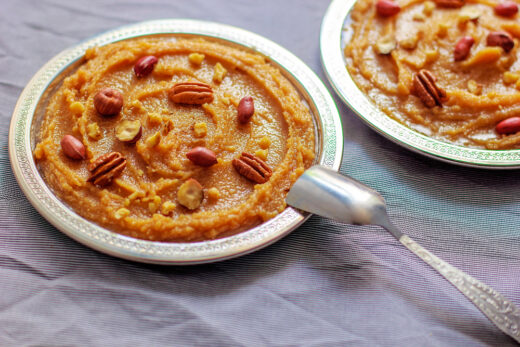
Chalimidi: Andhra’s Soft Rice-Flour Sweet With an Almost Fudge-Like Texture
Anshika Jain - October 13, 2026
Neyyappam: Kerala’s Ghee-Fried Rice Sweet With a Deep Caramelised Edge
Anshika Jain - October 13, 2026
Gujarati Oondhiyu: The Forgotten Village-Style Preparations Behind the Famous Dish
Anshika Jain - October 8, 2026Chalimidi: Andhra’s Soft Rice-Flour Sweet With an Almost Fudge-Like Texture
Anshika Jain - October 13, 2026Neyyappam: Kerala’s Ghee-Fried Rice Sweet With a Deep Caramelised Edge
Anshika Jain - October 13, 2026


Leave a Comment