

Rote Grutze: A red-fruit pudding made with berries and starch

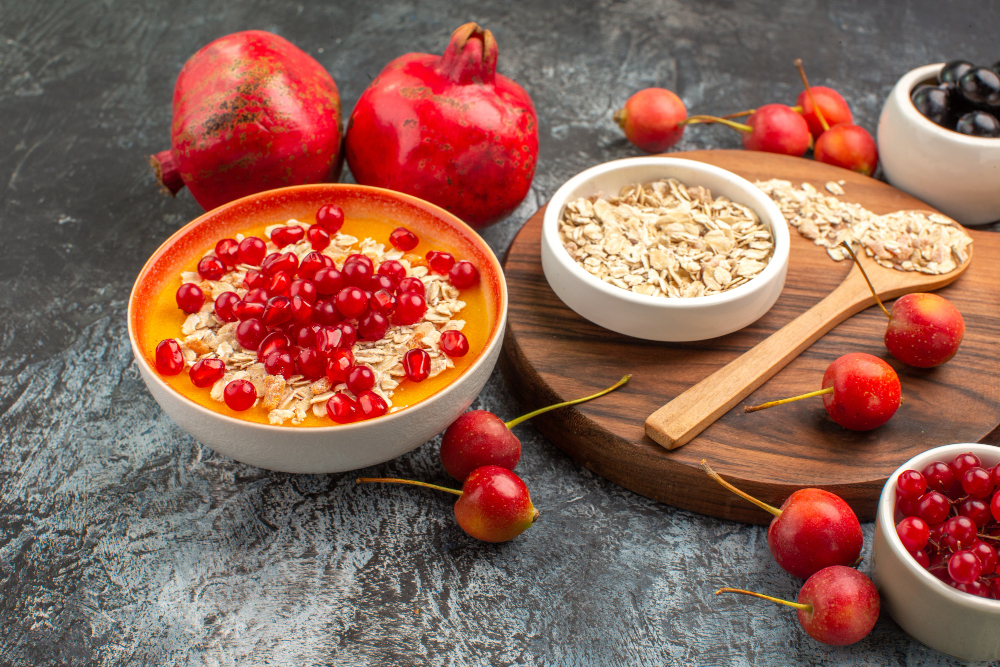
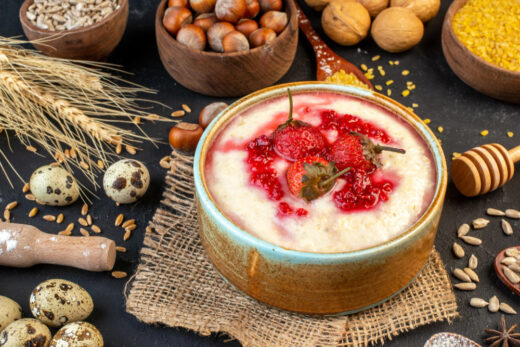
German cuisine features a wide range of traditional desserts that combine seasonal fruits, simple cooking techniques and regional ingredients. Among the most recognisable examples from northern Germany is Rote Grütze, a colourful red-fruit pudding prepared by cooking berries with sugar and thickening the mixture with starch. Known for its vibrant appearance, fruity flavour and soft, spoonable consistency, this dessert has remained popular across generations. It is commonly served chilled or slightly warm with cream, vanilla sauce, milk or a dairy-free alternative.
Unlike baked puddings and elaborate layered cakes, Rote Grütze relies on the natural flavour of fruit. Strawberries, raspberries, redcurrants, blackcurrants, cherries and other red or dark-coloured fruits can be combined to create a mixture with a balance of sweetness and acidity. Starch gives the fruit juices a thicker consistency, allowing the dessert to hold its shape while retaining the appearance and texture of cooked berries.
Rote Grütze is particularly associated with northern Germany, where it has long been part of regional food traditions. Its preparation reflects an approach to cooking that makes effective use of seasonal fruit and preserves its flavour in a simple dessert. Although traditional recipes vary between households and regions, the essential combination of red fruits, sugar and starch remains central to its identity.
Today, Rote Grütze is enjoyed both as a homemade dessert and as a familiar item in German restaurants and supermarkets. Modern variations include different fruit combinations, alternative sweeteners and plant-based accompaniments. Its simplicity, adaptability and distinctive colour have helped it maintain a place in contemporary German food culture.
What Is Rote Grütze?
Rote Grütze is a traditional German fruit dessert whose name is commonly translated as “red fruit pudding” or “red berry pudding”. It is prepared by heating a mixture of red fruits with sugar and liquid, then thickening the resulting fruit mixture with starch. The finished dessert has a consistency between a thick fruit sauce and a soft pudding, depending on the quantity of starch used.
The dessert is not generally made using a conventional custard or gelatin-based mixture. Instead, its structure comes from the interaction between starch and heated fruit liquid. This produces a smooth, glossy consistency while allowing whole or partially broken berries to remain visible.
The ingredients can vary according to availability and personal preference. Raspberries, redcurrants, blackcurrants, strawberries and cherries are commonly used, although other fruits may also be included. Some recipes use a single type of berry, while others combine several varieties to achieve a more complex flavour.
Rote Grütze is usually served with a creamy accompaniment. Vanilla sauce and lightly whipped cream are familiar choices, while milk, custard-style sauces and dairy-free alternatives are also suitable. The contrast between the cool, fruity pudding and the creamy topping is an important part of its appeal.
Historical Background and Northern German Origins
Rote Grütze is strongly associated with northern Germany, particularly regions such as Schleswig-Holstein, Hamburg and the surrounding areas. It belongs to a broader tradition of fruit-based preparations that developed around seasonal produce and practical household cooking.
The name provides a clue to the dessert’s earlier culinary character. The German word Grütze historically referred to coarsely processed grains or grain-based preparations. Older forms of Grütze were not necessarily the smooth, starch-thickened fruit desserts commonly found today. They could include grain-based mixtures, and the term developed different meanings in regional food traditions.
Over time, fruit-based versions became particularly familiar in northern German cooking. The availability of berries during warmer months made them suitable ingredients for sweet dishes that could be prepared without complicated equipment. Cooking fruit with sugar produced a concentrated mixture, while a thickening ingredient helped create a consistency suitable for serving as a pudding.
The development of Rote Grütze also reflects the importance of preserving and using seasonal ingredients. Berries are highly perishable, and cooking them into sauces, compotes and puddings provided households with practical ways to enjoy their flavours. Although modern refrigeration and commercial food production have changed how the dessert is prepared and stored, the traditional relationship with seasonal fruit remains significant.
Today, Rote Grütze is recognised as one of the characteristic desserts of northern German cuisine. It is served in homes, restaurants and traditional food establishments, where recipes may differ according to local preferences.
Traditional Ingredients Used in Rote Grütze
The appeal of Rote Grütze comes from its relatively simple ingredient list. Fruit provides its flavour and colour, sugar adjusts its sweetness, and starch gives it the characteristic pudding-like consistency.
Red Berries and Seasonal Fruits
Berries form the foundation of Rote Grütze. Raspberries, redcurrants, blackcurrants and strawberries are among the familiar choices. Their combination creates a layered flavour profile that includes sweetness, acidity and natural fruit aromas.
Redcurrants contribute a sharp, refreshing taste, while raspberries provide a softer and more fragrant flavour. Strawberries add sweetness and a familiar fruity character, whereas blackcurrants produce a deeper taste. Cherries may also be included, introducing a slightly richer fruit flavour and a firmer texture.
The proportions of these fruits are not fixed. Some recipes favour raspberries and strawberries for a sweeter pudding, while others use a larger proportion of currants to create a more acidic result. The fruit mixture can therefore be adjusted according to the desired flavour.
Fresh berries are often preferred during their growing season, but frozen fruit is also suitable. Frozen berries make it possible to prepare the dessert throughout the year and are especially convenient when certain fruits are unavailable locally.
Sugar and Natural Sweetness
Sugar is used to balance the natural acidity of the berries. The amount required depends on the fruit mixture, as redcurrants and blackcurrants are generally more acidic than ripe strawberries.
Some recipes use white sugar because it dissolves easily and does not significantly alter the colour of the dessert. Others use alternative sweeteners or adjust the quantity according to personal preference. The objective is to preserve the fruit’s characteristic flavour rather than make the pudding excessively sweet.
Starch as the Thickening Ingredient
Starch is responsible for transforming the cooked fruit liquid into a pudding-like preparation. Cornstarch and potato starch are common options, although the choice may vary between recipes.
When starch is mixed with a small amount of cold liquid and added to the hot fruit mixture, it thickens as the preparation is heated. The resulting texture can be adjusted by changing the quantity of starch. A smaller amount produces a loose fruit sauce, while a larger amount creates a firmer pudding.
The starch should generally be mixed with cold water or fruit juice before being incorporated into the hot mixture. Adding dry starch directly to hot liquid can cause lumps, resulting in an uneven consistency.
Liquid and Additional Flavourings
Water, fruit juice or a combination of both may be used to cook the berries. Some recipes incorporate red fruit juice to intensify the colour and flavour. Lemon juice can also be added in small quantities to brighten the taste, particularly when the fruit is naturally sweet.
Vanilla, cinnamon and other flavourings may appear in certain modern or household variations. However, the traditional character of Rote Grütze depends primarily on the fruit itself, so additional ingredients are generally used with restraint.
How Rote Grütze Is Traditionally Prepared
Preparing Rote Grütze involves cooking fruit, balancing its sweetness and thickening the liquid with starch. Although the technique is simple, the order in which ingredients are combined has a significant effect on the final texture.
The process begins by selecting and preparing the fruit. Fresh berries are washed and any unsuitable pieces are removed. Larger fruits, such as strawberries, may be cut into smaller portions, while cherries should be pitted. Frozen fruit can be used directly or allowed to soften slightly before cooking.
The fruit is then placed in a saucepan with sugar and a suitable amount of water or fruit juice. The mixture is heated gently until the berries begin to soften and release their juices. Some fruits break down naturally during cooking, while others retain more of their shape. This difference contributes to the dessert’s characteristic mixture of fruit pieces and thickened liquid.
While the fruit cooks, starch is mixed with a small amount of cold water or juice until smooth. The starch mixture is gradually added to the hot fruit preparation while stirring continuously. The mixture is heated until it thickens and becomes glossy. It is important to avoid adding too much starch because an excessively firm consistency can make the dessert resemble a solid gel rather than a soft fruit pudding.
Once the desired consistency is achieved, the saucepan is removed from the heat. The pudding can then be transferred to individual serving dishes or a larger bowl. It is usually allowed to cool before being refrigerated, although some versions can also be served warm.
As it cools, the starch-thickened mixture becomes more structured. The finished Rote Grütze should remain spoonable and contain visible fruit rather than becoming completely firm.
The Science Behind Its Pudding-Like Texture
One of the most interesting features of Rote Grütze is the way a relatively small quantity of starch can transform fruit juice into a thick pudding. This process is based on starch gelatinisation, a physical change that occurs when starch is heated in the presence of water.
Starch consists of microscopic granules containing carbohydrate molecules. When these granules are heated in water, they absorb moisture and begin to swell. As the temperature rises, their internal structure changes and some starch molecules become dispersed in the surrounding liquid. This increases the mixture’s viscosity, giving it a thicker consistency.
The final texture depends on several factors, including the type of starch, the amount used, the liquid-to-starch ratio and the heating process. Potato starch and cornstarch can behave differently, so recipes may require adjustments when one is substituted for the other.
Fruit acidity can also influence starch performance. Highly acidic mixtures may affect thickening, particularly if they are heated for an extended period. This is one reason why careful preparation and controlled cooking are important.
Cooling further changes the consistency. As the pudding loses heat, it becomes more structured and may thicken slightly. The correct balance produces a dessert that is neither watery nor excessively firm, allowing the fruit to remain the main focus.
Popular Variations of Rote Grütze
Although the traditional dessert is based on red berries, several variations have developed through regional preferences, ingredient availability and modern cooking practices.
Classic Red Berry Rote Grütze
The classic version combines several red and dark-coloured fruits, often including raspberries, redcurrants, strawberries and blackcurrants. The mixture creates a deep red colour and a balanced flavour that combines sweetness with natural acidity.
This version is commonly served with vanilla sauce or cream. Its combination of different berries produces a more complex taste than a preparation made from only one fruit.
Cherry Rote Grütze
Cherry-based Rote Grütze offers a slightly different flavour profile. Cherries provide a rich, sweet and mildly tart taste, while their flesh retains some structure after cooking. They may be combined with raspberries or currants to create a more balanced mixture.
This variation is particularly suitable for people who prefer a deeper fruit flavour rather than the sharper taste of currant-heavy preparations.
Raspberry Rote Grütze
Raspberry Rote Grütze has a fragrant flavour and a vibrant colour. Raspberries soften relatively quickly during cooking, producing a mixture with a smooth consistency and visible fruit seeds.
The natural acidity of raspberries makes them suitable for pairing with sweet vanilla sauce, whipped cream or plant-based cream. Their flavour also works well with a small amount of lemon juice.
Strawberry and Redcurrant Rote Grütze
The combination of strawberries and redcurrants creates a balance between natural sweetness and sharp acidity. Strawberries provide a softer fruit flavour, while redcurrants introduce a refreshing tartness.
This version can be especially appealing during summer, when both fruits are available fresh. Its flavour can be adjusted by changing the proportion of strawberries and currants.
Modern Mixed-Fruit Versions
Contemporary preparations may incorporate blackberries, blueberries, cherries or other seasonal fruits. Although these additions can change the traditional colour and flavour, they demonstrate the adaptability of the dessert.
Some recipes also use a combination of fresh and frozen fruit to maintain consistency throughout the year. The essential preparation method remains the same, with fruit cooked in liquid and thickened using starch.
How Rote Grütze Is Traditionally Served
Rote Grütze is commonly served with a creamy accompaniment that balances its fruity acidity and soft texture. Vanilla sauce is one of the most familiar choices in Germany. Its smooth consistency and mild sweetness complement the berry mixture without overpowering it.
Whipped cream is another popular option. It introduces a light, airy texture that contrasts with the denser pudding. Some people prefer to pour cold milk over Rote Grütze, creating a simple combination that is particularly refreshing during warm weather.
Other accompaniments include custard, yoghurt and soft dairy-based sauces. These additions can change the overall character of the dessert, making it richer or lighter depending on the ingredients.
Rote Grütze can be served in individual glass bowls, dessert cups or larger serving dishes. Transparent containers are particularly suitable because they highlight its deep red colour and visible fruit pieces. It may also be used as a topping for pancakes, waffles, rice pudding, semolina pudding and ice cream.
Plant-Based and Dairy-Free Rote Grütze
One of the reasons Rote Grütze remains adaptable is that the fruit pudding itself can be prepared without dairy products. Its basic ingredients are fruit, sugar, liquid and starch, so the core mixture is naturally suitable for many plant-based diets when the selected ingredients meet the relevant dietary requirements.
The dairy-free element usually concerns the accompaniment. Traditional vanilla sauce or whipped cream can be replaced with plant-based alternatives made from oat, soy, almond or coconut ingredients. Plant-based yoghurt can also provide a creamy contrast.
The choice of alternative influences the final flavour. Oat-based products often have a mild taste, while coconut-based cream introduces a more noticeable flavour. Soy-based alternatives may offer a relatively neutral profile, depending on the product.
A plant-based vanilla sauce can be prepared using plant-based milk, sugar, vanilla and a suitable thickening ingredient. Dairy-free whipped toppings are also available, although their texture and composition differ between products.
It is worth checking the ingredients of commercial sauces and toppings because some may contain dairy, honey or other ingredients that do not meet particular dietary requirements. When prepared with suitable ingredients, Rote Grütze can be a naturally fruit-centred dessert that accommodates both traditional and plant-based serving preferences.
Nutritional Characteristics of Rote Grütze
The nutritional profile of Rote Grütze depends on the fruits selected, the quantity of sugar and starch used, and the type of accompaniment. Since berries form the main ingredient, the dessert can provide several naturally occurring plant compounds and micronutrients.
Raspberries, strawberries, currants and other berries contain vitamin C and various polyphenols. These compounds contribute to the characteristic colours and flavours of fruit and are studied for their roles in plant biology and human nutrition. However, the amount present in the finished dessert depends on the fruit varieties, storage conditions and cooking process.
Cooking softens the fruit and changes its structure. Some heat-sensitive nutrients may decrease during heating, while other compounds can remain relatively stable. The overall nutritional contribution should therefore be considered in the context of the entire recipe rather than assuming that cooked berries have the same composition as fresh fruit.
Starch provides carbohydrates and gives the dessert its structure. Added sugar increases its total sugar content, while dairy-based toppings can contribute fat, protein and calcium. Plant-based alternatives have different nutritional compositions, depending on whether they are made from oats, soy, almonds or coconut.
Rote Grütze can be enjoyed as part of a varied diet, but its nutritional characteristics depend on portion size and preparation. Using naturally sweet fruit and adjusting added sugar can help preserve the dessert’s fruity character without making it unnecessarily sweet.
Rote Grütze in Modern German Food Culture
Rote Grütze remains a familiar dessert in northern Germany and has become widely recognised throughout the country. It is served in traditional restaurants, prepared in households and sold in ready-made forms in supermarkets. Commercial versions make the dessert convenient, although homemade preparations allow greater control over fruit selection, sweetness and consistency.
Modern food culture has also introduced new serving ideas. Rote Grütze is increasingly used as a topping for cheesecakes, pancakes, waffles and breakfast preparations. It can be layered with yoghurt or plant-based cream to create dessert cups, or combined with ice cream for a contrast between warm and cold textures.
Contemporary recipes may also experiment with reduced-sugar preparations, organic berries and alternative starches. These changes reflect wider interest in ingredient transparency and flexible home cooking.
Despite these developments, the dessert’s traditional identity remains closely connected with berries and its characteristic starch-thickened texture. Its continued popularity demonstrates how a simple regional preparation can adapt to modern food preferences without losing its original appeal.
How Rote Grütze Differs from Other Fruit Desserts
Rote Grütze shares some similarities with fruit compotes, jams and other berry puddings, but its preparation and texture distinguish it from these desserts.
Fruit compote generally consists of fruit cooked in a sweetened liquid, with the fruit remaining the main structural component. It may contain some natural thickening from the fruit itself, but it is not necessarily thickened with starch. Rote Grütze, on the other hand, uses starch to create a more defined pudding-like consistency.
Jam is usually cooked for a longer period and relies on fruit pectin, sugar and acidity to produce a spreadable structure. Rote Grütze is generally less concentrated and retains more of the character of cooked berries.
It also differs from gelatin-based desserts because its texture comes from starch rather than gelatin. This makes the traditional preparation suitable for people avoiding gelatin, provided the other ingredients meet their dietary requirements.
These differences give Rote Grütze a distinctive place among European fruit desserts. It combines the freshness of cooked fruit with the structure of a soft pudding, creating a preparation that is simple but recognisable.
Conclusion
Rote Grütze is a distinctive traditional dessert from northern Germany, celebrated for its vibrant red colour, fruity flavour and soft pudding-like consistency. Made by cooking berries with sugar and thickening the mixture with starch, it demonstrates how simple ingredients can create a dessert with a strong regional identity.
Its versatility is one of its greatest strengths. Raspberries, strawberries, redcurrants, blackcurrants and cherries can be combined in different proportions, while accompaniments such as vanilla sauce, cream and plant-based alternatives provide additional possibilities. The dessert can also be incorporated into modern dishes, including pancakes, waffles, yoghurt preparations and layered desserts.
More than a simple berry pudding, Rote Grütze reflects the culinary traditions of northern Germany and the importance of seasonal fruit in regional cooking. Its continued presence in homes and restaurants shows that traditional desserts can remain relevant through changing food preferences while preserving the ingredients and techniques that define them.
You may be interested
Yomogi Mochi: Japan’s Mugwort Rice Cake with a Distinctive Herbal Flavour
Anshika Jain - November 2, 2026Japanese cuisine is widely recognised for its attention to seasonal ingredients, delicate flavours and traditional food-making techniques. Among its many rice-based specialities, Yomogi Mochi holds a distinctive…
Ovocne Knedliky: Czech Fruit Dumplings and Their Place in European Cuisine
Anshika Jain - November 2, 2026Czech cuisine is known for its comforting traditional dishes, seasonal ingredients and distinctive approach to sweet and savoury cooking. Among its most beloved specialities is Ovocné knedlíky,…
Mazurek: A decorated, often very flat pastry topped with fruit preserves
Anshika Jain - November 2, 2026Polish cuisine is known for its diverse collection of traditional baked goods, festive desserts and regional delicacies. Among these specialities, Mazurek holds a distinctive place because of…
Most from this category
Cardoon: Thistle Vegetable with Edible Stalks and Distinctive Flavour
Anshika Jain - October 30, 2026
Kissel: A fruit-based dessert made with berries or other fruits
Anshika Jain - November 2, 2026Cardoon: Thistle Vegetable with Edible Stalks and Distinctive Flavour
Anshika Jain - October 30, 2026

Kissel: A fruit-based dessert made with berries or other fruits
November 2, 2026

Leave a Comment