

Ulluco — Andes: The Colourful Tuber with a Smooth Texture

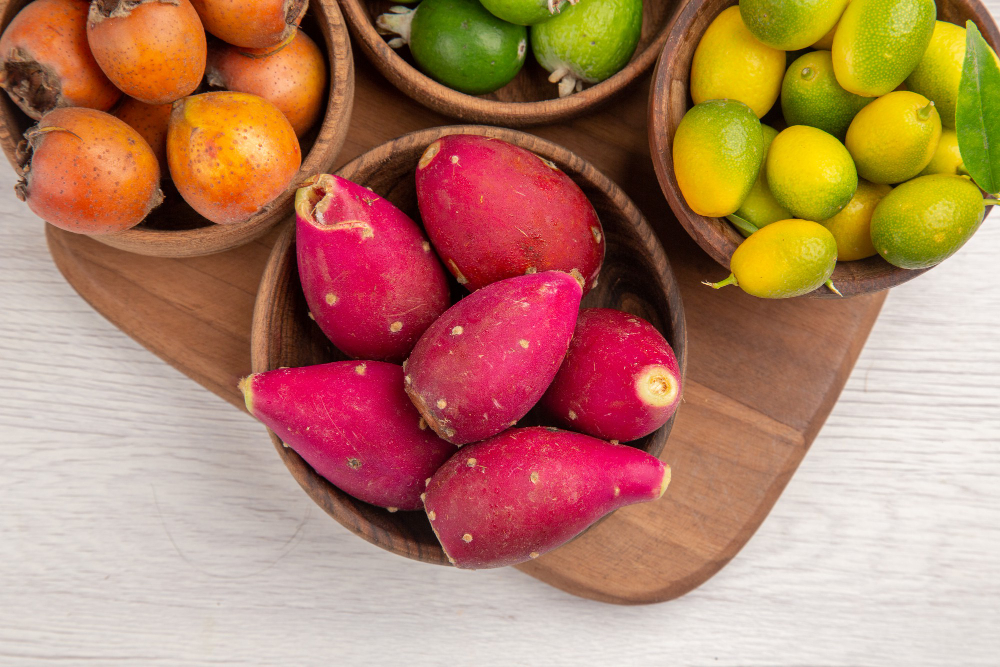
The Andean highlands of South America are home to an extraordinary variety of traditional crops that have sustained communities for generations. Among these lesser-known agricultural treasures is ulluco, a brightly coloured tuber recognised for its smooth texture, mild flavour and adaptability in traditional cooking. Cultivated particularly in Peru, Bolivia and Ecuador, ulluco is an important part of Andean food heritage and belongs to a group of indigenous tubers that have developed alongside the region’s distinctive agricultural traditions.
Scientifically known as Ullucus tuberosus, ulluco belongs to the Basellaceae family. Its underground tubers are available in several colours, including yellow, pink, red, orange and purple. Unlike many familiar root vegetables, ulluco often has a naturally glossy skin and a smooth, firm interior. Its flavour is generally mild and slightly earthy, allowing it to absorb the seasonings and flavours of the dishes in which it is prepared.
Ulluco is traditionally used in soups, stews, boiled vegetable preparations and regional dishes. One of its most distinctive characteristics is its texture. When cooked, it can become tender while retaining a pleasant firmness, making it particularly suitable for meals that require vegetables to hold their shape. Certain varieties also contain natural mucilage, which can give cooked preparations a slightly slippery or thickened consistency.
Although ulluco has been cultivated in the Andes for centuries, it remains relatively unfamiliar outside South America. Growing interest in heritage crops, agricultural biodiversity and traditional food systems has encouraged greater attention towards this colourful tuber. Its culinary versatility and ability to grow in high-altitude environments make it an interesting ingredient for both traditional and contemporary cooking.
What Is Ulluco?
Ulluco is an edible tuber produced by Ullucus tuberosus, a plant native to the Andean region. It is considered one of the important traditional tuber crops of South America, alongside potatoes, oca and mashua. The plant grows relatively close to the ground and produces fleshy underground storage organs that are harvested for food.
The tubers are generally small or medium-sized, with shapes ranging from rounded to elongated. Their skins can display striking colours, including bright yellow, golden orange, pink, red and purple. Some varieties have a single dominant colour, while others feature irregular patches or contrasting patterns.
The edible flesh is usually firm and smooth, with colours that may differ according to the variety. Unlike potatoes, ulluco has a relatively high moisture content and a texture that remains distinctive after cooking. Its mild flavour makes it suitable for combining with other ingredients, particularly onions, garlic, herbs, chillies and traditional Andean seasonings.
Ulluco is also known by different regional names. In Peru, the tuber is commonly called olluco, while the word ulluco is widely used in discussions of the crop internationally. In Bolivia and Ecuador, it forms part of local agricultural and culinary traditions under regional naming variations.
Historical Origins and Its Importance in Andean Agriculture
Ulluco has a long history of cultivation in the Andean highlands, where indigenous communities developed agricultural systems adapted to mountainous environments. The crop became an important part of traditional food production because it could grow under conditions that were challenging for many other cultivated plants.
The Andes contain significant variations in altitude, temperature, rainfall and soil conditions. Communities living in these environments developed farming practices that made use of different crops according to their growing characteristics. Potatoes, ulluco, oca and mashua became valuable components of these systems, providing different textures, flavours and harvesting periods.
Ulluco was cultivated for its underground tubers, which could be cooked fresh or incorporated into traditional preparations. Its importance was not limited to household consumption. The crop also contributed to local food exchanges and regional agricultural diversity. Farmers maintained different varieties based on their colour, shape, productivity and suitability for local conditions.
Traditional farming knowledge played a significant role in preserving this diversity. The selection and replanting of suitable tubers allowed communities to maintain crop varieties adapted to particular environments. This knowledge was passed through generations and remains important to the conservation of Andean agricultural heritage.
Today, ulluco continues to be cultivated in parts of Peru, Bolivia and Ecuador. Although potatoes dominate many modern food markets, ulluco remains an important traditional ingredient in regional cuisines and is increasingly recognised as a valuable heritage crop.
Understanding the Colourful Varieties of Ulluco
One of the most attractive characteristics of ulluco is its remarkable range of colours. The tubers can be bright yellow, orange, pink, red or purple, creating a visually distinctive collection of varieties. This diversity is one reason ulluco attracts attention from chefs and food enthusiasts interested in unusual traditional vegetables.
The colour variation is associated with differences in naturally occurring plant pigments. Red and purple varieties may contain anthocyanins, which are pigments also found in foods such as berries, purple potatoes and red cabbage. Yellow and orange varieties may contain other pigments, including carotenoids. The exact composition varies between varieties, and colour alone does not establish the nutritional value of a particular tuber.
The flesh may also vary in appearance. Some varieties have pale interiors, while others display yellowish or pinkish tones. Their shapes and sizes differ as well, reflecting the genetic diversity maintained through traditional cultivation.
These variations have culinary importance. Brightly coloured tubers can make soups, vegetable stews and mixed preparations more visually appealing. When cooked whole or cut into pieces, they retain much of their distinctive appearance, although colour intensity can change depending on the cooking method.
Taste, Texture and Culinary Characteristics
Ulluco is appreciated for its relatively mild flavour and smooth texture. Its taste is generally earthy and slightly sweet, without the strong starchiness associated with some potato varieties. This makes it suitable for recipes in which the vegetable needs to complement rather than dominate the other ingredients.
Its texture is particularly important. Ulluco contains considerable moisture and can remain firm after cooking, depending on the variety and preparation method. When simmered in soups or stews, the tubers become tender while often retaining their shape. This makes them useful in dishes that contain several vegetables and require ingredients with different textures.
Some ulluco varieties contain natural mucilage, a substance that can create a slightly slippery or thickened consistency during cooking. This characteristic is useful in certain traditional preparations, where the tuber contributes body to the dish. It also distinguishes ulluco from familiar root vegetables such as carrots and potatoes.
The mild flavour allows it to absorb spices, herbs and sauces. It pairs well with garlic, onions, cumin, coriander, chilli and fresh herbs. In traditional Andean cooking, these ingredients help create flavourful dishes while allowing the tuber’s natural characteristics to remain noticeable.
How Ulluco Is Traditionally Prepared
Ulluco can be prepared through several cooking methods, depending on regional traditions and the type of dish being made. Its smooth texture and relatively high moisture content make it especially suitable for boiling and simmering.
Washing and Preparing the Tubers
Fresh ulluco tubers are generally washed thoroughly to remove soil and other surface impurities. Their skins are relatively thin, so peeling is not always necessary. In many traditional preparations, the tubers are cooked with their skins intact after proper cleaning.
Larger tubers may be sliced or cut into smaller pieces, while smaller ones can be cooked whole. The size of the pieces influences the cooking time and final texture. Cutting the tubers evenly helps them cook more consistently when added to soups and stews.
Boiling and Steaming
Boiling is one of the simplest ways to prepare ulluco. The cleaned tubers are cooked in water until tender and can then be served with seasoning, herbs or traditional sauces. Their mild flavour makes them suitable for pairing with grains, legumes and other vegetables.
Steaming is another useful method because it cooks the tubers without requiring them to remain submerged in water. This can help preserve their natural flavour and maintain a firmer texture. Steamed ulluco can be served as a side dish or added to vegetable-based meals.
Cooking in Soups and Stews
Soups and stews are among the most familiar applications of ulluco in Andean cooking. The tubers can be sliced or diced and simmered with onions, garlic, potatoes, herbs and other vegetables. Their texture makes them suitable for longer cooking, although the cooking time should be controlled to prevent them from becoming excessively soft.
In soups, ulluco contributes a gentle flavour and a satisfying texture. In thicker preparations, its natural mucilage may help create a slightly fuller consistency. This characteristic makes it useful in traditional dishes that rely on the combined textures of several vegetables rather than on a single thickening ingredient.
Sautéing and Frying
Ulluco can also be sliced and sautéed with onions, garlic and spices. This method allows the tubers to develop a lightly browned surface while retaining a tender interior. The addition of fresh herbs or chilli can create a simple but flavourful preparation.
In some modern recipes, ulluco is incorporated into vegetable stir-fries or pan-fried dishes. Its mild taste allows it to work with ingredients from different culinary traditions, although traditional Andean seasonings provide a closer connection to its regional origins.
Popular Traditional Dish: Peruvian Olluquito con Charqui
One of the best-known dishes prepared with ulluco is olluquito con charqui, a traditional Peruvian preparation made with finely sliced olluco and charqui, which is dried and preserved meat. The dish is particularly associated with Peruvian culinary heritage and demonstrates how the tuber is used as a central ingredient rather than simply as a side vegetable.
The ulluco is generally cut into thin strips and cooked with onions, garlic, chilli and seasonings. Charqui adds a concentrated savoury flavour, while the tuber’s moisture and texture help create a distinctive preparation. Some versions also use fresh herbs and additional ingredients according to regional and household preferences.
Although the traditional dish commonly contains dried meat, the same cooking approach can inspire vegetarian adaptations. Mushrooms, beans or other plant-based ingredients can provide savoury depth while allowing ulluco to remain the main component. These variations should be understood as modern adaptations rather than identical versions of the traditional recipe.
Olluquito con charqui illustrates the importance of ulluco in Peruvian food culture. It is a dish in which local ingredients, preservation methods and cooking techniques come together to create a recognisable regional speciality.
Nutritional Value and Potential Health Benefits
Ulluco contributes carbohydrates, water, dietary fibre and several micronutrients to the diet. Its nutritional composition varies according to the variety, growing conditions, maturity and cooking method. Like other traditional tubers, it can provide energy while adding variety to meals.
Its relatively high moisture content distinguishes it from some drier, starchier tubers. This contributes to its smooth texture and influences how it behaves during cooking. Ulluco also contains carbohydrates that supply energy for everyday physical activity.
The tuber provides vitamin C, although the amount retained in a prepared serving depends on cooking time and exposure to water and heat. Vitamin C contributes to normal immune function and supports collagen production. It also assists the absorption of non-haem iron from plant-based foods.
Ulluco contains potassium, which contributes to normal nerve signalling, muscle function and fluid balance. It also provides dietary fibre, which supports normal digestive function and contributes to a varied eating pattern.
The colourful varieties may contain naturally occurring plant pigments, including anthocyanins in some red and purple tubers. These compounds are studied for their antioxidant properties, but their presence should not be interpreted as proof that ulluco can prevent or treat specific diseases.
As with other vegetables, the nutritional benefits of ulluco are best considered within a balanced diet that includes a variety of plant foods. Its value comes from its combination of energy, moisture, fibre and micronutrients, rather than from any single exceptional health property.
Ulluco in Vegetarian and Vegan Cooking
Ulluco is naturally suitable for vegetarian and vegan diets because the tuber itself is entirely plant-based. Its ability to absorb flavours and maintain a pleasant texture makes it useful in meals that combine vegetables, legumes and grains.
A simple vegetarian preparation involves simmering ulluco with potatoes, carrots, onions and seasonal greens. Garlic, cumin and coriander can add depth, while fresh herbs provide a balanced finish. This type of preparation reflects the traditional use of tubers in Andean meals.
Ulluco can also be used in plant-based soups. When combined with vegetable stock, leeks, beans and herbs, it contributes texture without requiring dairy or animal-based ingredients. Its natural moisture can help create a satisfying broth.
For a more contemporary dish, sliced ulluco can be sautéed with mushrooms, peppers and onions. The combination creates a colourful vegetable preparation that can be served with quinoa, rice or other grains. Its mild taste also makes it suitable for warm salads and mixed vegetable bowls.
Traditional dishes such as olluquito con charqui can be adapted using mushrooms or legumes instead of dried meat. These alternatives retain the general idea of cooking finely sliced ulluco with aromatics and seasonings while making the meal suitable for plant-based diets.
Growing Ulluco in the Andean Highlands
Ulluco is well adapted to the environmental conditions of the Andean highlands, where agriculture is influenced by altitude, seasonal temperature changes and variations in rainfall. Its ability to grow in these environments has contributed to its long history as a traditional crop.
The plant is generally propagated using tubers, which are planted in prepared soil. As it develops, it produces stems and leaves above ground while forming edible tubers below the surface. Farmers select planting material from suitable plants, helping maintain varieties that perform well under local conditions.
The crop is cultivated in several Andean countries, particularly Peru, Bolivia and Ecuador. Its growing requirements and productivity can vary depending on altitude, soil quality, climate and the variety being planted.
Traditional farmers often grow ulluco alongside potatoes, oca and other crops. This mixed agricultural approach helps preserve a wider range of food plants and reduces dependence on a single crop. It also supports the conservation of locally adapted varieties that may be important for future agricultural research.
The preservation of ulluco cultivation is therefore connected to more than food production. It also involves maintaining traditional farming knowledge, seed and planting-material diversity, and the cultural practices associated with Andean agriculture.
Why Ulluco Is Gaining Attention Beyond the Andes
Although ulluco has a long history in South America, its international visibility remains limited compared with potatoes and other widely distributed vegetables. Its unusual appearance, distinctive texture and traditional culinary applications have nevertheless attracted increasing interest from chefs, researchers and people exploring heritage foods.
One reason for this growing attention is the renewed interest in agricultural biodiversity. Modern food systems often depend heavily on a relatively small selection of crops. Exploring traditional tubers such as ulluco can help introduce greater variety into food production and encourage the conservation of plant genetic resources.
Its colourful appearance also gives it potential in contemporary restaurant cooking. Chefs can use the tubers to create visually distinctive soups, vegetable plates and seasonal dishes. Their smooth texture and mild flavour allow them to work with a wide range of ingredients without losing their identity.
Ulluco is also relevant to the growing interest in plant-based food. Its ability to provide a satisfying texture in soups, stews and vegetable preparations makes it a useful ingredient for vegetarian and vegan menus.
However, expanding its popularity should not mean separating the crop from its cultural origins. Its traditional cultivation and culinary knowledge belong to Andean communities, and greater international interest should support the recognition and preservation of this heritage.
Conclusion
Ulluco is a distinctive Andean tuber that combines bright colours, a smooth texture and a mild, earthy flavour. Cultivated for generations in Peru, Bolivia and Ecuador, it has remained an important part of traditional food systems and regional cooking.
Its versatility allows it to be boiled, steamed, sautéed or simmered in soups and stews. Traditional preparations such as Peruvian olluquito con charqui demonstrate its importance in local cuisine, while vegetarian adaptations offer new ways to use the tuber in contemporary plant-based meals.
Beyond its culinary qualities, ulluco contributes carbohydrates, fibre, vitamin C and potassium to the diet. Its different coloured varieties also reflect the agricultural diversity maintained by Andean farmers over generations.
As interest in heritage crops and alternative vegetables continues to grow, ulluco offers an opportunity to rediscover a food that has long supported communities in challenging mountain environments. More than an unusual colourful vegetable, it represents the agricultural knowledge, culinary traditions and biodiversity of the Andes.
Online Internship with Certificate
You may be interested
Cardoon: Thistle Vegetable with Edible Stalks and Distinctive Flavour
Anshika Jain - October 30, 2026The Mediterranean region is known for its diverse culinary traditions, many of which are built around vegetables that have been cultivated and prepared for centuries. Alongside familiar…

Oca — Andes: The Colourful Traditional Tuber with a Distinctive Tart Flavour
Anshika Jain - October 30, 2026The Andes are home to an extraordinary range of traditional crops that have supported mountain communities for centuries. Among these lesser-known agricultural treasures is oca, a colourful…
Salsify : Root Vegetable with Flavour and Rich Culinary Heritage
Anshika Jain - October 30, 2026European cuisine has a long history of using seasonal vegetables that are often overlooked in modern supermarkets. While potatoes, carrots, onions and parsnips remain familiar ingredients, several…
Most from this category

Ghapama: Armenia’s Festive Stuffed Pumpkin with Rice, Dried Fruits, and Nuts
Anshika Jain - October 29, 2026
Laverbread — Wales: Seaweed Delicacy Made from the Welsh Coast
Anshika Jain - October 30, 2026Ghapama: Armenia’s Festive Stuffed Pumpkin with Rice, Dried Fruits, and Nuts
Anshika Jain - October 29, 2026


Salsify : Root Vegetable with Flavour and Rich Culinary Heritage
October 30, 2026
Laverbread — Wales: Seaweed Delicacy Made from the Welsh Coast
October 30, 2026

Leave a Comment