

Yomari: Nepal’s Sweet Dumpling With a Molten Molasses Centre

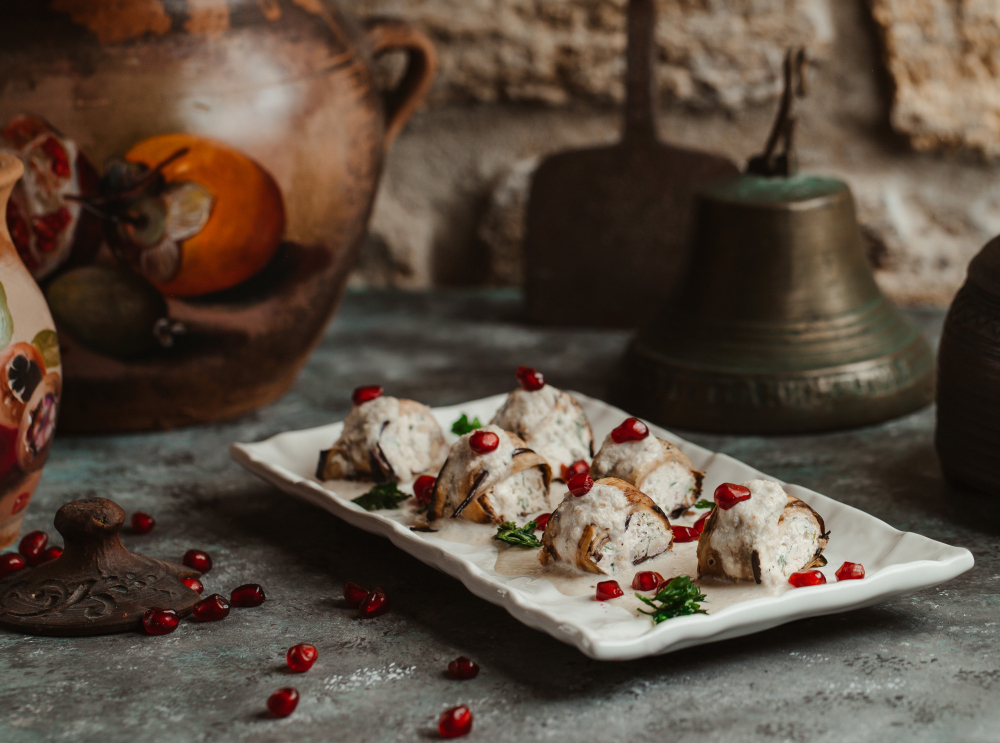
Imagine biting into a soft, warm dumpling made from rice flour and discovering a rich, dark, syrupy filling that melts across your tongue. The outer layer is delicate and slightly chewy, while the centre offers a deep sweetness with caramel-like notes. This is Yomari, one of Nepal’s most distinctive traditional sweets and a celebrated delicacy of the Newar community in the Kathmandu Valley.
Unlike conventional dumplings filled with vegetables, meat, or savoury ingredients, Yomari is a sweet preparation that combines a steamed rice-flour shell with a filling traditionally made from chaku, a concentrated sugarcane-based sweetener similar to molasses, and sometimes sesame seeds. Its distinctive pointed shape, soft texture, and rich centre make it instantly recognisable among Nepal’s traditional foods.
However, Yomari is much more than an unusual dessert. It is connected to seasonal celebrations, agricultural traditions, religious beliefs, and the cultural identity of the Newar community. The sweet is especially associated with Yomari Punhi, a festival celebrated around the full moon of the Nepali month of Mangsir, generally falling in November or December. The festival marks the end of the rice harvest period and celebrates abundance, gratitude, and prosperity.
In an era when global dessert culture is increasingly fascinated by molten-centred pastries, filled buns, and visually distinctive sweets, Yomari offers an experience that has existed for generations. Its appeal lies in the contrast between a simple rice-flour exterior and a deeply flavoured filling, as well as the craftsmanship involved in shaping each dumpling by hand.
Exploring Yomari reveals how a traditional dessert can preserve cultural meaning while offering a flavour and texture that feels remarkably relevant to contemporary food lovers.
What Exactly Is Yomari?
Yomari is a traditional steamed sweet dumpling originating from the Newar communities of Nepal, particularly those living in the Kathmandu Valley. It is usually prepared from rice flour and shaped into a distinctive elongated form with pointed ends. The dumpling is filled with a sweet mixture before being sealed and steamed until the outer covering becomes soft and cooked through.
The traditional filling commonly features chaku, a dense sweetener made by concentrating sugarcane juice, although recipes and ingredients can vary. Sesame seeds are often combined with the sweet filling to add a roasted aroma and a slightly nutty texture. Some modern versions incorporate ingredients such as coconut, milk solids, or other sweet fillings, reflecting changing tastes and culinary experimentation.
The name Yomari is commonly associated with the Newar language and local traditions surrounding the dish. It is sometimes described through its connection with a particularly delicious or beloved food, although explanations of the name can vary. What remains consistent is its importance within Newar culinary culture.
Yomari is different from many other South Asian sweets because its sweetness is enclosed within a steamed dough rather than incorporated throughout the dessert. This creates a layered eating experience in which the mild flavour of the rice-flour shell contrasts with the concentrated sweetness of the centre.
The dumpling is generally eaten warm, when the filling is soft and aromatic. As it cools, the filling may become firmer, depending on its composition, while the outer layer can lose some of its original softness. This makes freshly prepared Yomari particularly appealing.
Although it may resemble a filled pastry or a traditional Asian dumpling, Yomari has its own distinctive shape, ingredients, cultural context, and preparation method.
The Cultural Significance of Yomari Punhi
Yomari is inseparable from Yomari Punhi, an important festival in Newar culture. Celebrated during the full moon of Mangsir, the festival is traditionally associated with the rice harvest and the arrival of a season when freshly harvested grain becomes available.
Agriculture has historically played a central role in life in the Kathmandu Valley. Rice is not only a staple food but also an important part of local customs, festivals, and religious practices. The preparation of Yomari reflects this relationship between food and agricultural abundance.
During Yomari Punhi, families prepare the dumplings at home and share them with relatives, neighbours, and community members. The process of making Yomari can itself become a collective activity, with different family members helping prepare the dough, make the filling, shape the dumplings, and arrange them for steaming.
The festival also has religious and symbolic associations. In some traditions, Yomari is offered to deities as part of household observances, and the food is connected with prayers for prosperity and well-being. Specific customs may differ between families and communities, demonstrating the diversity within Newar religious and cultural practices.
The pointed shape of Yomari is sometimes interpreted symbolically, and certain forms may be associated with religious figures or representations of abundance. Such interpretations belong to particular cultural traditions and should not be treated as universal explanations for every Yomari preparation.
What makes the festival especially meaningful is that the sweet is not simply prepared for consumption. It represents the celebration of a harvest, the sharing of resources, and the preservation of family traditions.
The Molten Molasses Centre: Understanding Chaku
The defining feature of traditional Yomari is its rich, sweet centre. One of the most important ingredients used for this purpose is chaku, a traditional Nepali sweetener produced by concentrating sugarcane juice until it becomes thick and dense.
Chaku has a deep caramel-like flavour that distinguishes it from ordinary refined sugar. Its taste can contain roasted, earthy, and slightly smoky notes, depending on the production method and the degree of concentration. This complexity makes it particularly suitable for a dessert in which the filling needs to stand out against a relatively mild outer shell.
The production of chaku involves heating sugarcane juice to remove water and concentrate its sugars. As the liquid thickens, its colour and flavour develop. The finished sweetener can become firm or pliable depending on how it is prepared and handled.
Inside Yomari, chaku softens during steaming and creates a rich filling that can feel almost molten when the dumpling is freshly cooked. However, the consistency depends on the specific sweetener, its moisture content, the filling mixture, and the steaming time. Not every Yomari will contain a completely liquid centre.
Sesame seeds are often added to the filling because their roasted flavour balances the sweetness of chaku. The combination produces a contrast between deep caramel notes and a slightly bitter, nutty aroma. It also introduces a more complex texture than a filling made entirely from sweetener.
This combination demonstrates the importance of balancing flavours in traditional dessert preparation. The outer rice dough provides mildness, the chaku creates concentrated sweetness, and sesame adds depth. Together, these ingredients create a dessert that feels rich without depending on elaborate flavourings.
Rice Flour: The Foundation of Yomari’s Soft Exterior
Yomari’s outer layer is generally prepared from rice flour, which gives the dumpling its characteristic texture. Unlike wheat-based doughs, rice-flour dough does not develop the same gluten network. Its structure depends instead on the properties of the rice flour, the amount of water used, and the effects of steaming.
The dough is typically made by combining rice flour with warm water until it becomes workable enough to shape. The precise amount of water depends on the flour and the preparation method. A well-made dough should be sufficiently pliable to form a thin covering around the filling without cracking or becoming excessively sticky.
Shaping is one of the most important stages of the process. The dough must be stretched or moulded carefully so that the centre can hold the sweet filling while the outer layer remains intact. If the covering is too thin, it may tear during filling or steaming. If it is too thick, the finished dumpling can become heavy and reduce the contrast between the exterior and the centre.
Steaming cooks the rice-flour dough while preserving its soft texture. As the starch absorbs moisture and undergoes gelatinisation, the dough becomes more cohesive and edible. The result is a tender, slightly chewy shell that contrasts with the dense sweet filling.
The simplicity of rice flour is part of Yomari’s appeal. It provides a neutral base that allows the flavour of the chaku and sesame mixture to remain prominent. At the same time, working with rice-flour dough requires care because its texture can change quickly according to moisture and temperature.
The Art of Shaping Yomari by Hand
One of the most recognisable features of Yomari is its distinctive shape. The dumpling typically has an elongated body with a pointed end, giving it an appearance that differs from round modaks, crescent-shaped dumplings, or folded pastries.
The shaping process begins with a small portion of dough that is formed into a hollow shell. The cook carefully creates enough space inside to accommodate the filling while keeping the surrounding layer reasonably even. The sweet mixture is placed inside, and the opening is closed and shaped to prevent leakage during steaming.
The pointed ends require particular attention because the dough must remain sealed without becoming excessively thick. A well-shaped Yomari balances visual appeal with practical construction. Its outer layer needs to withstand steaming while allowing the filling to soften inside.
Traditional shaping techniques are often learned through observation and practice. Experienced cooks can form the characteristic shape quickly, while beginners may need time to develop the right pressure and finger movements. The process is a reminder that many traditional foods depend on skills that are difficult to acquire through written recipes alone.
Some Yomari are shaped with decorative folds or different profiles according to family practices and cultural conventions. These variations demonstrate that traditional food preparation is not always completely standardised.
The finished dumplings are arranged for steaming, ensuring that they have enough space to cook evenly. Once ready, they are generally served warm, allowing the soft shell and sweet filling to be enjoyed together.
Traditional Yomari Fillings and Modern Variations
Chaku and sesame remain closely associated with traditional Yomari, but the dumpling has inspired a range of variations. Some preparations use sweetened sesame mixtures, while others incorporate ingredients that create a creamier or more contemporary filling.
Coconut is one possible addition because its natural sweetness and texture pair well with concentrated sugarcane sweeteners. In certain modern interpretations, milk-based ingredients may be used to produce a richer centre. These versions offer a different flavour profile while retaining the basic idea of a steamed rice-flour dumpling.
Chocolate-filled Yomari has also become a possible contemporary interpretation, particularly for food businesses seeking to introduce traditional Nepali sweets to younger audiences. Other experimental fillings may include nuts or combinations of traditional and modern ingredients.
However, these variations should be distinguished from established cultural preparations. The existence of a contemporary filling does not mean that it forms part of every traditional recipe or has a long-standing place in Newar customs.
The strongest adaptations preserve the essential qualities that make Yomari distinctive: the rice-flour exterior, the enclosed sweet centre, the characteristic shape, and the steaming method. Changes to the filling can then introduce new flavours without completely transforming the identity of the dessert.
This balance between preservation and innovation allows Yomari to remain relevant in modern food culture while retaining its connection to the traditions from which it emerged.
How Yomari Compares With Other Asian Sweet Dumplings
Yomari belongs to a broader family of filled dough preparations found across Asia, but its ingredients and cultural context make it distinctive. Comparisons with other dumplings can help explain its appeal while highlighting the differences between regional food traditions.
In China, tangyuan are commonly prepared from glutinous rice flour and may contain sweet fillings such as black sesame or peanut paste. They are usually round and are often boiled rather than steamed. Their texture is soft and chewy, but their appearance and preparation differ from Yomari.
Japanese mochi can also contain sweet fillings, including red bean paste. However, mochi is generally made from pounded or processed glutinous rice, creating a different texture and production process. While both mochi and Yomari can feature a soft rice-based exterior, they belong to separate culinary traditions.
Indian modak offers another useful comparison. It may be made with a rice-flour shell and filled with coconut and jaggery, particularly in traditional steamed versions associated with religious celebrations. Despite these similarities, Yomari has its own characteristic shape, chaku-based filling traditions, and association with Yomari Punhi.
These comparisons demonstrate that filled rice-based sweets have developed independently in different food cultures. Similar ingredients can produce different desserts because communities use them according to local tastes, agricultural resources, religious practices, and cooking techniques.
Yomari stands out not because it is the only sweet rice dumpling, but because it combines a particular filling, shape, and festival tradition into a recognisable Nepali delicacy.
Is Yomari Healthy? Understanding Its Nutritional Value
Yomari is prepared from familiar ingredients, but its nutritional value depends on the recipe, the amount of filling, and the portion consumed. Rice flour provides carbohydrates, while chaku contributes concentrated sugars. Sesame seeds can add unsaturated fats, protein, fibre, and minerals.
The sesame component can make the filling more nutritionally varied than a sweetener-only centre. However, the overall dessert still contains a substantial amount of carbohydrate and sugar, particularly when the filling is generous.
Chaku should not automatically be considered a healthier alternative to refined sugar simply because it is less processed or traditionally produced. Its exact composition varies, but it remains a concentrated sweetener. Replacing one sweetener with another does not remove the need to consider total sugar intake.
Yomari is best understood as a traditional dessert intended to be enjoyed as part of a varied diet rather than as a health food. Its cultural value and sensory appeal do not depend on making specific medical or nutritional claims.
Food safety is also important during preparation. The filling and dough should be handled hygienically, and the dumplings should be steamed thoroughly. Freshly prepared Yomari is generally best enjoyed warm. Leftovers should be stored appropriately, particularly in warm climates, and reheated thoroughly before consumption.
Understanding these considerations allows people to appreciate Yomari for its flavour, history, and cultural importance without overstating its nutritional benefits.
Yomari in Nepal’s Modern Food Scene
Although Yomari has deep roots in traditional Newar culture, it also has a place in Nepal’s contemporary food scene. Restaurants, bakeries, food festivals, and tourism-related businesses can introduce the sweet to people who may be unfamiliar with Newar cuisine.
In the Kathmandu Valley, Yomari can be encountered in traditional food settings and during seasonal celebrations. Its distinctive shape and filling make it an attractive subject for food photography and culinary storytelling. Visitors interested in regional cuisine can also discover how it fits into the wider range of Newar dishes and festive practices.
Modern presentation has created opportunities to serve Yomari in different ways. Some chefs may focus on the traditional chaku-and-sesame filling, while others experiment with sauces, alternative fillings, or contemporary plating. These interpretations can broaden its appeal, provided the original preparation remains clearly recognised.
Digital platforms have also helped regional foods reach international audiences. Photographs and videos showing the dumpling’s pointed shape and sweet centre can generate curiosity, encouraging people to explore Nepal’s food traditions beyond familiar dishes such as momo.
However, presenting Yomari only as a visually striking dessert would overlook its deeper cultural significance. Its connection with harvest celebrations, family participation, and Newar identity is central to understanding why it remains meaningful.
Responsible food promotion should therefore combine appetising presentation with accurate information about the dish’s origins and traditions.
Preserving Yomari as a Living Culinary Tradition
Traditional foods survive when people continue to prepare them, share their stories, and adapt them thoughtfully to changing circumstances. Yomari provides a strong example of how a regional dessert can maintain its cultural significance while attracting new interest.
Family recipes, community celebrations, and traditional food-making skills all contribute to its continuity. The process of preparing Yomari brings together ingredients, handcraft, and social interaction in a way that packaged sweets cannot entirely reproduce.
Documentation can also support preservation. Food writers, researchers, and culinary educators can record regional variations. Explain the role of chaku, and document how shaping techniques are passed between generations. Such efforts should recognise the knowledge of the communities. That maintain the tradition rather than treating Yomari simply as a new discovery for outside audiences.
At the same time, contemporary experimentation can help keep the sweet relevant. New fillings and serving formats may attract younger consumers, while traditional versions remain available for festivals and cultural occasions. The important distinction is between creative adaptation and inaccurate claims about historical authenticity.
Yomari’s future depends on both continuity and openness. Its essential identity can remain intact even as cooks explore new presentations and introduce the dessert to a wider audience.
Conclusion: A Sweet Dumpling That Carries Nepal’s Cultural Heritage
Yomari is much more than a steamed rice-flour dumpling with a sweet centre. It represents a distinctive combination of culinary craftsmanship, agricultural history, seasonal celebration, and Newar cultural identity.
Its soft exterior and rich chaku filling create a contrast that makes it memorable. While sesame adds depth and texture to the traditional preparation. The process of shaping and steaming each dumpling demonstrates how simple ingredients can become something special through careful technique.
The association with Yomari Punhi gives the sweet a significance beyond taste. It connects the preparation to the rice harvest, family traditions, community sharing, and hopes for prosperity. These cultural relationships distinguish Yomari from other filled sweets, even when they use similar ingredients.
As interest in regional foods grows, Yomari has the potential to introduce more people to Nepal’s culinary diversity. Contemporary fillings and modern presentations may broaden its audience. But its strongest appeal remains rooted in its traditional form and cultural meaning.
Ultimately, Yomari demonstrates that the most memorable desserts do not always require elaborate ingredients or complicated decoration. Sometimes, a little rice flour, a carefully prepared sweet filling, and a time-honoured shaping technique are enough to preserve a remarkable food tradition across generations.
Online Internship with Certificate
You may be interested
Mahua: The Forest Flower That Became a Traditional Food and Beverage Ingredient
Anshika Jain - October 14, 2026Across the forests of central and eastern India, a small, fleshy flower has played an important role in traditional food cultures for generations. Known as mahua, the…

Boza: The Thick Fermented Drink That Looks Nothing Like a Modern Beverage
Anshika Jain - October 14, 2026In a world dominated by sparkling sodas, iced coffees, fruit smoothies, and brightly coloured energy drinks, Boza stands out for looking almost like something from an entirely…
Chikki Variations: Beyond Peanut Brittle—Indian Nut Sweets
Anshika Jain - October 14, 2026When people think of chikki, the first image that usually comes to mind is a thin, crunchy slab of roasted peanuts held together with golden jaggery. This…
Most from this category
Khar: The Alkaline Food Preparation That Sounds More Like Chemistry Than Cooking
Anshika Jain - October 14, 2026
Kharvas: The Milky Steamed Pudding That Comes From a Surprising Source
Anshika Jain - October 13, 2026
Kajjikayalu: South Indian Fried Pastries With a Coconut-Sugar Filling
Anshika Jain - October 13, 2026Khar: The Alkaline Food Preparation That Sounds More Like Chemistry Than Cooking
Anshika Jain - October 14, 2026Panchamrit-Based Sweets: How Temple Ingredients Become Dessert
Anshika Jain - October 14, 2026Kharvas: The Milky Steamed Pudding That Comes From a Surprising Source
Anshika Jain - October 13, 2026

Chikki Variations: Beyond Peanut Brittle—Indian Nut Sweets
October 14, 2026


Leave a Comment