

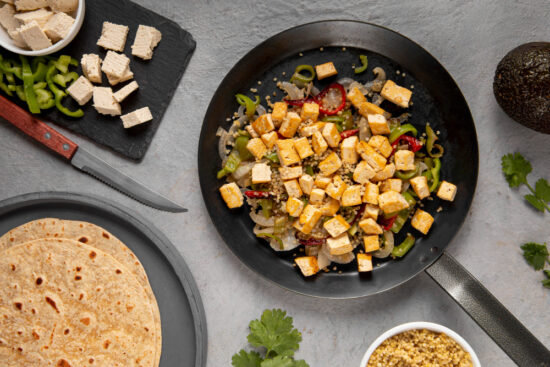
Shan Tofu: Myanmar’s Traditional Chickpea Tofu with Garlic Oil, Herbs and Chilli
Anshika Jain - November 4, 2026Myanmar’s culinary traditions are shaped by a remarkable variety of regional ingredients, cooking techniques and cultural influences. Among its distinctive vegetarian foods, Shan tofu stands out for…
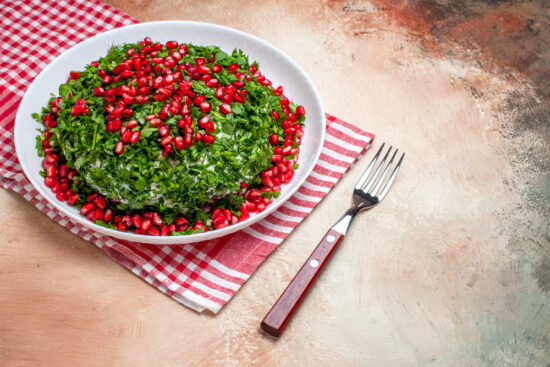
Eetch: Armenia’s Traditional Tangy Bulgur Salad with Tomatoes, Onions and Parsley
Anshika Jain - November 4, 2026Armenian cuisine is known for its thoughtful use of grains, fresh vegetables, herbs, legumes and citrus-based seasonings. Many traditional dishes reflect a balance between simple ingredients and…
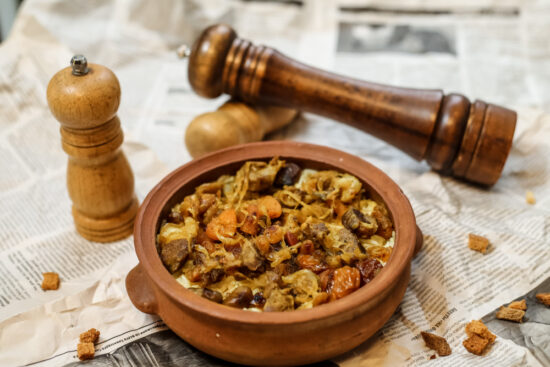
Lobio: Georgia’s Traditional Red Bean Dish with Walnuts, Coriander and Garlic
Anshika Jain - November 4, 2026Georgian cuisine is known for its distinctive combination of fresh herbs, aromatic spices, walnuts, vegetables and carefully prepared seasonal ingredients. Its traditional dishes often balance earthy flavours…
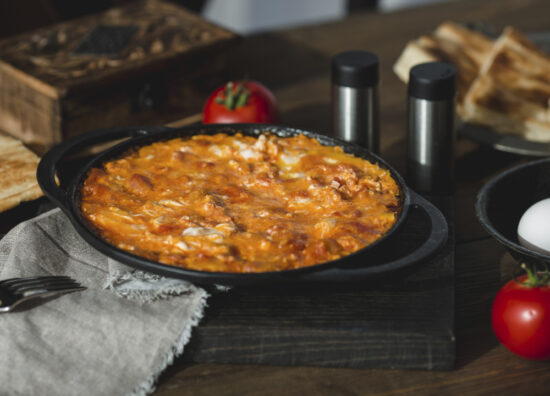
Gigantes Plaki: Greece’s Traditional Giant Butter Beans Baked in Tomato Sauce
Anshika Jain - November 4, 2026Greek cuisine is widely recognised for its use of fresh vegetables, legumes, olive oil, herbs and seasonal ingredients. Many traditional Greek dishes demonstrate how simple plant-based foods…
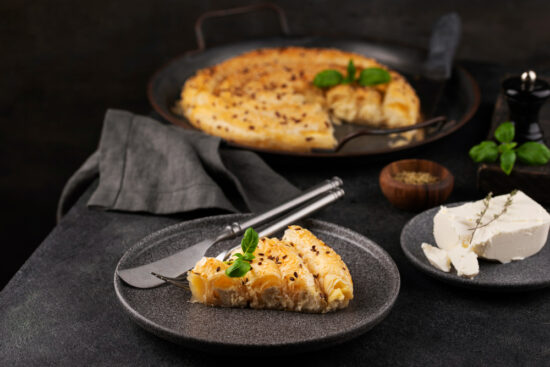
Krompirusa: Bosnia and Herzegovina’s Traditional Potato-Filled Pastry
Anshika Jain - November 4, 2026Bosnia and Herzegovina has a rich culinary tradition shaped by its geography, history and the cultural influences of the Balkans and the wider Ottoman region. Its traditional…
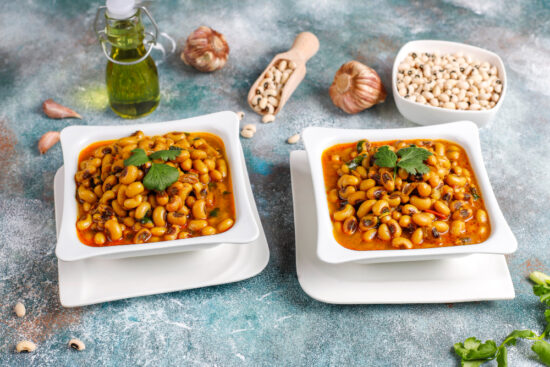
Tavce Gravce: North Macedonia’s Traditional Baked White Bean Dish
Anshika Jain - November 4, 2026Across the Balkans, some of the most memorable traditional dishes are created from simple, locally available ingredients rather than elaborate cooking techniques. Tavče Gravče, a celebrated Macedonian…
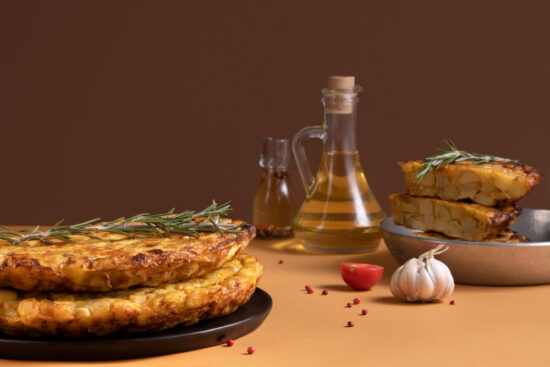
Farinata di Ceci: A thin oven-baked chickpea-flour pancake
Anshika Jain - November 3, 2026Italian cuisine is widely recognised for its regional diversity, where simple ingredients are transformed into distinctive dishes through traditional preparation methods. While pasta, pizza and risotto receive…
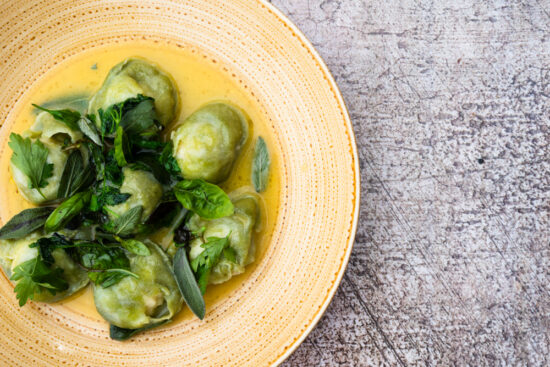
Cime di Rapa: Exploring the Traditional Leafy Turnip Greens of Italian Cuisine
Anshika Jain - November 3, 2026Southern Italian cuisine is celebrated for its ability to transform simple, seasonal ingredients into dishes with remarkable flavour and character. Vegetables, legumes, olive oil, garlic and locally…
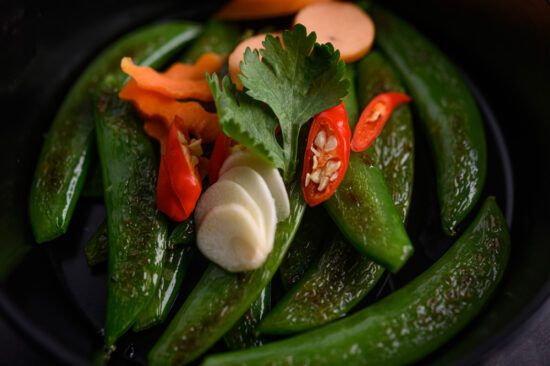
Gomen Besiga-free Gomen: Collard greens cooked with spices
Anshika Jain - November 3, 2026Ethiopian cuisine is widely recognised for its distinctive spice combinations, slow-cooked vegetable dishes, fermented flatbread and rich culinary traditions. Among its many vegetable preparations, Gomen holds a…
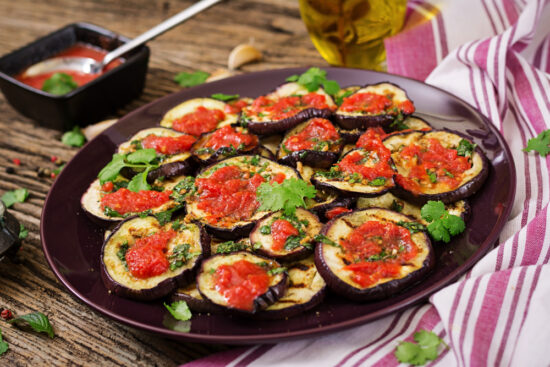
Zaalouk — Morocco, cooked eggplant and tomato salad with spices
Anshika Jain - November 3, 2026Moroccan cuisine is widely recognised for its rich combination of spices, fresh vegetables, olive oil and traditional cooking techniques. Its culinary identity has developed through centuries of…
