The tastes


The gustatory system or sense of taste is the sensory system that is partially responsible for the perception of taste. Taste is one kind of simulation in the tongue. It helps notice the flavor of a food or a drink. It is also necessary to know all kinds of tastes that the tongue can sense. Let us dive into the tastes.
TASTE KINDS:
- Sweet
- Sour
- Salty
- Pungent
- Bitter
- Astringent
DEFINITIONS:
Sweet:
Firstly, Sweetness is a basic taste most commonly perceived when eating foods that are very much rich in sugars. Sweet taste is generally regarded as pleasurable. The sweetness can be due to sugar, honey, or saccharin. The traditional name – MADHURA.
Sour:
Secondly, This has a unique acid taste. This taste also resembles the vinegar or lemon juice. It produces the characteristic of a substance that includes fermentation into it. This is mostly unpleasant. The traditional name – AMLA.
Salty:
Thirdly, Food that contain the seasoning of salts, mostly resembles like the sea water. This taste is the most important of all, because only this adds flavors to all food varieties that you prepare. The traditional name – LAVANA
Pungent:
Fourthly, Foods that literally have a very strong or a sharp smell, This smell is really unpleasant. And sometimes, the smell can be strongly painful. The traditional name – KATU
Bitter:
Fifthly, This is a disagreeable flavor. Bitterness can neither be salty nor sour. It is a harsh taste, that is mostly in green tea and red wine. The traditional name – TIKTA.
Astringent:
Lastly, A dry sensational taste. This taste binds proteins with saliva.
ALSO READ: Know your carbohydrates
World-class learning for you
– Start learning with Easy Shiksha today and get certified
– Authorized certificates recognized everywhere.
You may be interested
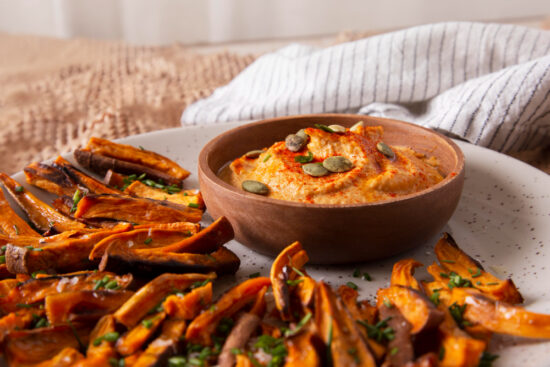
Sikil Pak: Maya Pumpkin-Seed Dip with Roasted Seeds and Tomato
Anshika Jain - October 22, 2026Traditional foods often reveal how communities transform simple, locally available ingredients into preparations with distinctive flavours and cultural significance. Sikil Pak, also written as Sikil P'aak, is…
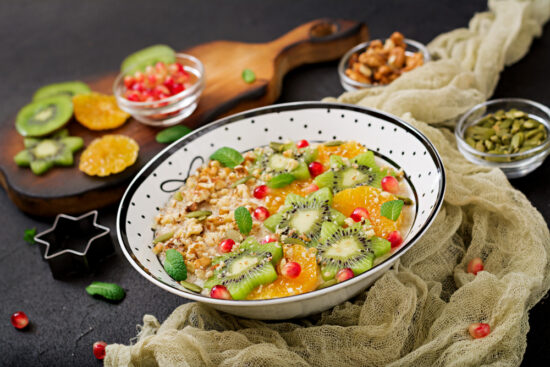
Tinutuan: Indonesian Rice Porridge Celebrating Vegetables
Anshika Jain - October 22, 2026Across Indonesia, traditional food reflects the diversity of local agriculture, community customs and everyday eating habits. Among the distinctive dishes of North Sulawesi is Tinutuan, a savoury…
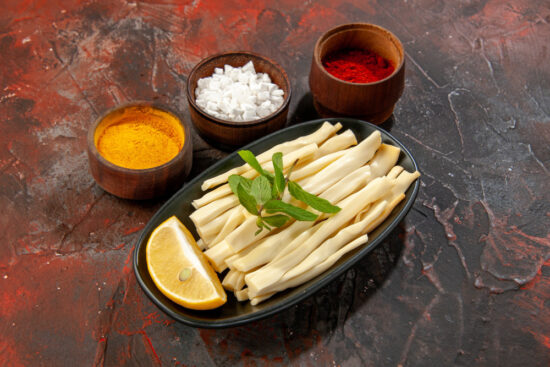
Khorisa-Based Preparations: Fermented Bamboo Shoots
Anshika Jain - October 22, 2026Northeast India is home to a remarkable variety of traditional foods shaped by local agriculture, seasonal ingredients and generations of culinary knowledge. Among the region’s distinctive ingredients…
Most from this category
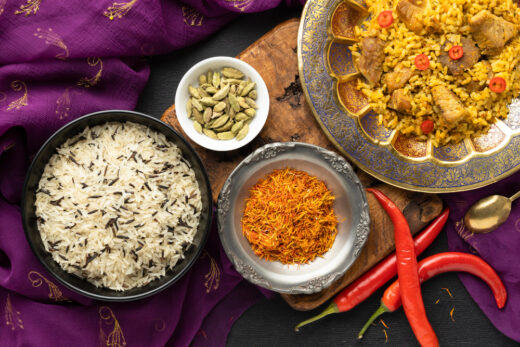
Jadoh: Khasi Rice Dish That Reflects the Culinary Heritage of Meghalaya
Anshika Jain - October 22, 2026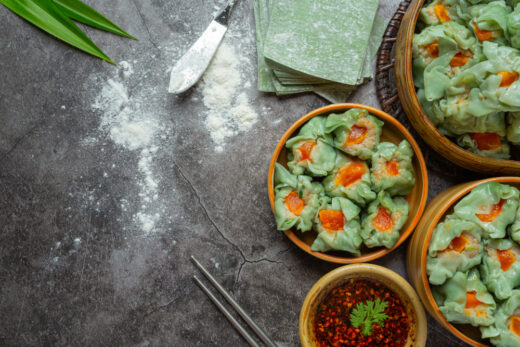
Anishi Curry: How Fermented Leaf Cakes Create a Distinctive Flavour in Naga Cuisine
Anshika Jain - October 22, 2026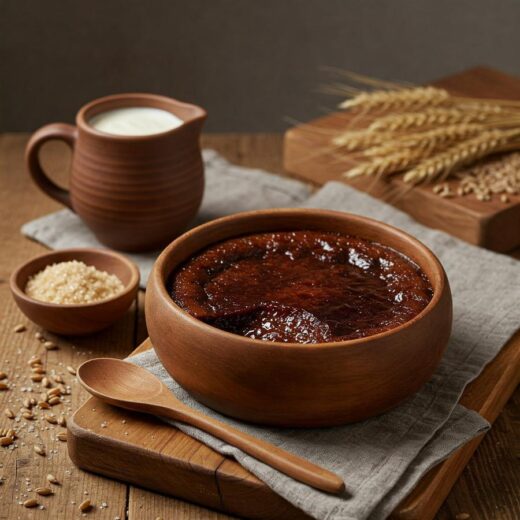
Mammi: The Dark Finnish Easter Dessert Shaped by Rye, Malt and Slow Cooking
Anshika Jain - October 22, 2026
Jadoh: Khasi Rice Dish That Reflects the Culinary Heritage of Meghalaya
Anshika Jain - October 22, 2026Anishi Curry: How Fermented Leaf Cakes Create a Distinctive Flavour in Naga Cuisine
Anshika Jain - October 22, 2026Mammi: The Dark Finnish Easter Dessert Shaped by Rye, Malt and Slow Cooking
Anshika Jain - October 22, 2026
Sikil Pak: Maya Pumpkin-Seed Dip with Roasted Seeds and Tomato
October 22, 2026
Tinutuan: Indonesian Rice Porridge Celebrating Vegetables
October 22, 2026