

Pupusas: El Salvador’s Famous Stuffed Corn Flatbread

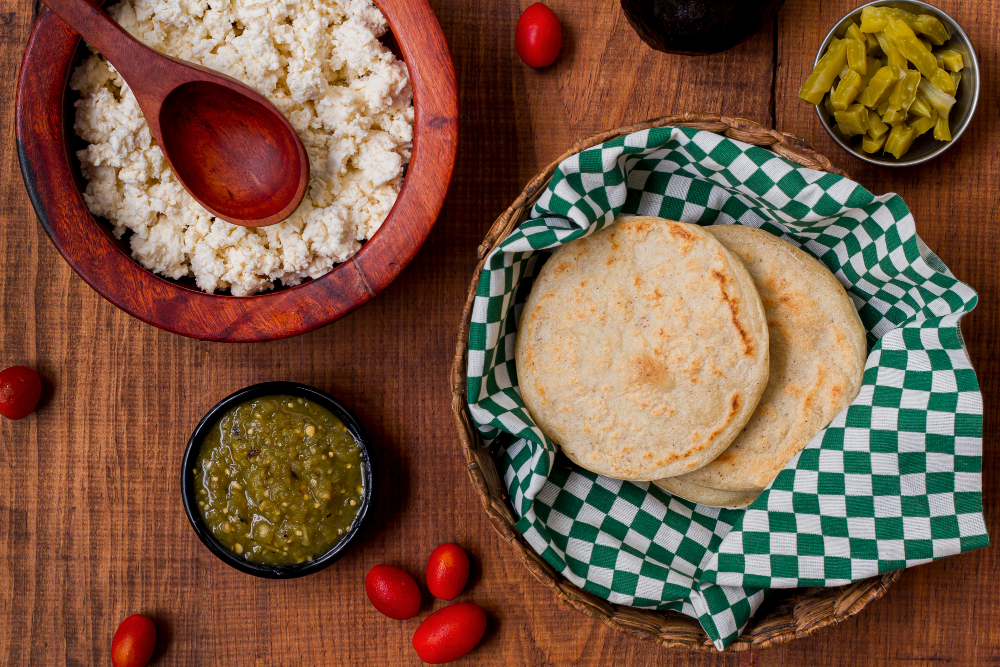
Food is more than a source of nourishment. It represents the history, traditions, cultural identity, and everyday life of communities around the world. Many traditional dishes have gained international recognition because of their distinctive flavours, simple ingredients, and deep cultural significance. One such dish is pupusa, El Salvador’s famous stuffed corn flatbread. Known for its soft texture, savoury fillings, and comforting taste, the pupusa is an important part of Salvadoran cuisine and national identity.
Pupusas are made primarily from corn masa, a dough prepared from ground maize, and are filled with ingredients such as cheese, beans, meat, or vegetables. The filled dough is shaped into a round, thick flatbread and cooked on a hot griddle until the outside develops a lightly toasted surface while the inside remains soft and flavourful. Although pupusas may appear simple, their preparation reflects generations of culinary knowledge and cultural traditions.
Today, pupusas are enjoyed not only in El Salvador but also in different parts of the world, particularly in communities with Salvadoran and Central American connections. Their popularity demonstrates how traditional foods can travel across borders while continuing to preserve the identity of their place of origin. Exploring pupusas provides an opportunity to understand Salvadoran food culture, indigenous culinary influences, traditional cooking methods, and the changing role of heritage food in modern society.
What Are Pupusas?
Pupusas are traditional Salvadoran stuffed flatbreads prepared using corn masa or, in some variations, rice flour. Unlike ordinary flatbreads that are usually served alongside other dishes, pupusas contain their filling inside the dough. This makes them both a bread and a complete, satisfying meal that can be enjoyed at different times of the day.
The dough is generally prepared by mixing corn flour or masa harina with water to create a soft and flexible mixture. A portion of the dough is flattened, filled with selected ingredients, and carefully sealed before being shaped into a round disc. The pupusa is then cooked on a flat griddle, traditionally called a comal. The cooking process gives the outer surface a gentle crispness while retaining the softness of the interior.
The fillings vary according to regional preferences, family traditions, and personal taste. Cheese, refried beans, and pork are among the most familiar ingredients, while vegetables and other combinations are also used. One popular variety combines cheese and beans, creating a creamy, savoury filling inside the corn-based dough. The balance between the slightly earthy flavour of maize and the richness of the filling is one of the main reasons pupusas remain so popular.
The Historical and Cultural Origins of Pupusas
The history of pupusas is connected to the long culinary traditions of the Indigenous peoples of Mesoamerica. Corn has been a fundamental food in the region for thousands of years, and many traditional dishes developed around the preparation of maize-based dough. Pupusas reflect this broader history of using corn as a central ingredient in everyday meals.
The exact origins of pupusas are discussed by historians and food researchers, and different accounts connect the dish to Indigenous communities in the region before and during the colonial period. Over time, cooking practices, ingredients, and methods changed as different cultural influences shaped Salvadoran society. However, the use of corn masa and the technique of preparing filled flatbreads remained important elements of the dish.
Pupusas gradually became closely associated with El Salvador’s national food identity. They are prepared in homes, sold by street vendors, served in restaurants, and enjoyed during celebrations and family gatherings. Their importance extends beyond their taste because they represent continuity between traditional food practices and contemporary Salvadoran life.
For many Salvadorans, pupusas are associated with home, family, and cultural belonging. Preparing them can be a social activity in which relatives and friends work together to shape the dough, prepare fillings, and cook the finished flatbreads. In this way, the dish carries cultural meaning through everyday routines as well as special occasions.
The Importance of Corn in Salvadoran Cuisine
Corn is one of the most significant ingredients in the food traditions of El Salvador and many other parts of Central America. It has historically supported communities as an important source of energy and has been used in a wide range of dishes, including tortillas, tamales, beverages, and different types of dough-based foods.
Pupusas demonstrate the versatility of corn. The same basic ingredient can be transformed into a soft dough that holds different fillings and can be cooked using relatively simple equipment. This makes the dish practical for home kitchens and small food businesses alike.
Corn masa also contributes a distinctive flavour and texture. When cooked, the dough develops a mild toasted aroma while retaining a soft and slightly chewy consistency. This combination allows the flatbread to complement both mild and strongly seasoned fillings. The use of corn also connects the dish to agricultural traditions and the importance of maize in regional food systems.
In modern cooking, corn-based dishes are increasingly appreciated for their cultural history and adaptability. Pupusas offer an example of how traditional ingredients can remain relevant in changing food environments, from local markets to international restaurants.
Traditional Ingredients Used in Pupusas
The ingredients used in pupusas are generally accessible and uncomplicated, but their combination produces a dish with considerable variety. Corn masa forms the foundation of the flatbread, while the filling provides flavour, texture, and nutritional characteristics.
Cheese is one of the most widely used fillings. It melts during cooking and creates a smooth, rich interior. Different types of cheese may be used depending on availability and local preferences. In Salvadoran cooking, fresh or semi-soft cheeses are commonly associated with pupusa preparation.
Beans are another important ingredient. Refried beans are often seasoned and spread inside the dough before it is sealed. They provide a creamy texture, earthy flavour, and plant-based protein. Cheese and beans are frequently combined to create a balanced filling that is both satisfying and easy to prepare.
Pork is also used in traditional varieties, particularly in the form of seasoned ground pork or chicharrón. The pork filling adds a savoury and rich character to the dish. Some recipes combine pork with cheese or other ingredients to create more complex flavours.
Vegetarian versions may include spinach, mushrooms, squash, herbs, or other vegetables. These variations demonstrate how pupusas can be adapted to different dietary preferences without losing their basic identity. Although traditional recipes remain important, contemporary cooks continue to experiment with fillings and preparation methods.
How Pupusas Are Traditionally Prepared
Preparing pupusas requires attention to the consistency of the dough and the way the filling is enclosed. The process may appear straightforward, but achieving the right balance between thickness, softness, and filling distribution takes practice.
The preparation begins with mixing corn flour or masa harina with water. The dough must be soft enough to shape but firm enough to hold the filling without breaking. If the dough is too dry, it may crack during shaping. If it contains too much water, it may become difficult to handle and seal.
Once the dough is ready, a portion is formed into a ball and gently flattened. The cook places the filling in the centre and folds the dough around it. The filled portion is then carefully pressed and shaped into a round flatbread. Skilled preparation helps ensure that the filling remains inside while the dough is evenly distributed.
The pupusa is cooked on a hot, lightly greased or dry griddle, depending on the recipe and cooking practice. It is turned during cooking so that both sides develop a lightly browned surface. The heat also warms the filling and helps cheese melt where applicable.
The final result is a warm, soft flatbread with a flavourful centre. Pupusas are usually served immediately because their texture and aroma are especially appealing when freshly cooked.
Popular Varieties of Pupusas
Pupusas come in several varieties, with differences based mainly on their fillings and the type of dough used. These variations allow the dish to appeal to different tastes while preserving its traditional preparation method.
One well-known variety is the cheese pupusa, which contains melted cheese inside the corn dough. Its mild and creamy flavour makes it a popular choice for people who are trying the dish for the first time. Another common variety combines cheese with refried beans, offering a contrast between the richness of the cheese and the earthy taste of beans.
Pupusas filled with pork are also widely recognised. The seasoned pork contributes a deeper savoury flavour and is often paired with cheese or other ingredients. In some preparations, the pork is finely ground and mixed with spices before being enclosed in the dough.
Rice-flour pupusas represent another variation. Although corn masa is strongly associated with the traditional dish, rice flour may be used in certain regional or family recipes. The texture of the final flatbread can differ depending on the flour, moisture, and cooking method.
Vegetarian and modern versions have also become more common. Fillings made with vegetables, beans, herbs, and plant-based alternatives allow cooks to introduce new flavours while respecting the basic concept of a stuffed flatbread.
Curtido: The Traditional Accompaniment
Pupusas are commonly served with curtido, a lightly fermented or pickled cabbage salad. Curtido usually contains shredded cabbage, carrots, onions, vinegar or another acidic ingredient, and seasonings. Its fresh, tangy, and slightly crunchy texture provides an important contrast to the soft and rich pupusa.
The role of curtido extends beyond decoration. Its acidity helps balance the richness of cheese, pork, and other fillings. The crunchy vegetables also introduce a different texture, making the meal more varied. Depending on the recipe, curtido may have a mild flavour or include chilli peppers for additional heat.
The preparation of curtido can vary between households and food establishments. Some versions are served soon after preparation, while others are allowed to rest so that the flavours develop. The combination of pupusas and curtido reflects the importance of balancing flavours and textures in traditional food culture.
For many people, the meal is incomplete without this accompaniment. Its presence shows how side dishes can become closely connected to the identity of a main food, contributing not only taste but also cultural recognition.
Tomato Salsa and Other Serving Traditions
In addition to curtido, pupusas are often served with tomato-based salsa. The salsa may be prepared using tomatoes, onions, garlic, herbs, and spices. Its flavour can range from mild and fresh to more intense depending on the ingredients and cooking method.
The salsa adds moisture and acidity to the dish. While the pupusa itself contains the main filling, the salsa introduces another layer of flavour and can make each bite more enjoyable. Some people dip the pupusa into the salsa, while others add it directly on top.
Serving traditions may differ depending on the location, family preferences, and restaurant style. However, the combination of a warm stuffed flatbread, crunchy curtido, and tomato salsa is widely associated with the way pupusas are enjoyed.
This combination also illustrates an important feature of traditional cuisine: the meal is shaped not only by the central dish but also by the accompaniments that complete it. The ingredients work together to provide contrast, balance, and variety.
Nutritional Features of Pupusas
The nutritional value of pupusas depends on their size, ingredients, cooking method, and filling. Since corn masa forms the main component, the dish provides carbohydrates that contribute energy. The nutritional composition changes when cheese, beans, meat, or vegetables are added.
Bean-filled pupusas can provide plant-based protein and dietary fibre, depending on the quantity of beans used. Cheese contributes protein and calcium but may also increase the saturated fat and sodium content. Pork fillings can add protein while changing the overall fat content of the meal.
Vegetable-based fillings may increase the presence of fibre and micronutrients. Serving pupusas with curtido can also add vegetables to the meal. However, the overall nutritional balance depends on portion size and the ingredients used in the preparation.
Pupusas can be included in a varied diet when consumed in appropriate portions and combined with other nutritious foods. Individuals with specific dietary requirements may choose fillings and cooking methods that suit their needs. For example, vegetarian fillings can be selected by those avoiding meat, while lower-sodium ingredients may be considered by people monitoring their salt intake.
It is important to recognise that traditional foods should not be judged only by a single nutritional characteristic. Their cultural value, social role, and ability to provide a satisfying meal are also important parts of their significance.
Pupusas in Salvadoran Daily Life
Pupusas are not limited to special celebrations. They are an important part of everyday food culture in El Salvador and are enjoyed by people from different backgrounds and age groups. They may be eaten for breakfast, lunch, dinner, or as a convenient meal during busy days.
Pupuserías, or establishments that specialise in preparing pupusas, are common places where people gather to eat. These businesses may be small family-run operations or larger restaurants. Their presence supports local food traditions and creates opportunities for cooks, vendors, and entrepreneurs.
The preparation of pupusas can also strengthen social connections. Family members may gather to make the dough and fillings, while customers may share meals with friends or relatives. The dish therefore serves both a practical and social purpose.
For Salvadoran communities living abroad, pupusas can provide a connection to their cultural heritage. Restaurants and food businesses in other countries often introduce the dish to new audiences while continuing to serve people who are familiar with its traditional taste. This process allows food culture to travel while retaining its original identity.
The International Popularity of Pupusas
As migration and global food exchange have increased, pupusas have become more visible outside El Salvador. Salvadoran restaurants, food stalls, and home cooks in different countries have introduced the dish to people who may not have previously encountered it.
International interest in pupusas is influenced by several factors. Their ingredients are relatively simple, the preparation can be adapted to different preferences, and the filled structure makes the dish easy to understand and enjoy. The flatbread format is familiar in many food cultures, while the combination of corn masa and savoury fillings offers a distinctive experience.
Social media has also contributed to the visibility of traditional foods. Food videos, cooking tutorials, and restaurant content can introduce pupusas to a wider audience. However, increased popularity also creates a responsibility to represent the dish accurately and acknowledge its Salvadoran roots.
When traditional foods become popular internationally, it is important to appreciate their cultural context rather than treating them only as culinary trends. Learning about the history, ingredients, and communities connected to pupusas allows people to enjoy the dish with greater understanding and respect.
Pupusas and Small Food Businesses
Pupusas offer opportunities for small food businesses because their preparation can be adapted to home-based kitchens, food stalls, cafés, and specialised restaurants. Entrepreneurs may develop menus featuring traditional fillings alongside contemporary variations.
The business potential of pupusas depends on factors such as ingredient costs, food safety, consistency, customer preferences, and location. A food business serving pupusas must maintain reliable quality while ensuring that preparation and storage practices meet applicable health requirements.
Traditional food businesses can also contribute to cultural tourism and community development. Restaurants that serve authentic regional dishes often become places where customers learn about the culture associated with the food. Storytelling, ingredient education, and responsible branding can help businesses communicate the significance of their offerings.
For aspiring food entrepreneurs, pupusas demonstrate how a traditional dish can become part of a modern business model without losing its cultural foundation. Success requires more than selling food; it also involves understanding customers, maintaining quality, and respecting the traditions that give the dish its identity.
Modern Adaptations and Changing Food Preferences
Although traditional pupusas remain important, modern cooks continue to explore new ways of preparing and serving them. Changes in dietary preferences, ingredient availability, and international food trends have encouraged experimentation.
Some cooks prepare vegetarian or vegan versions using plant-based cheese, beans, mushrooms, or seasoned vegetables. Others experiment with different combinations of herbs and regional ingredients. These adaptations can make pupusas accessible to a wider range of consumers.
At the same time, modernisation should not erase the traditional forms of the dish. The original corn-based dough, familiar fillings, and customary accompaniments remain central to its cultural meaning. New variations can exist alongside traditional recipes rather than replacing them.
The continuing popularity of pupusas illustrates how food traditions can adapt while preserving their essential identity. A dish can remain connected to its historical roots while responding to new culinary environments and changing consumer expectations.
Why Pupusas Matter to Salvadoran Identity
Pupusas represent more than a popular food item. They are closely connected to national identity, family traditions, community relationships, and cultural memory. The dish reflects how food can preserve a sense of belonging across generations.
For people who grow up eating pupusas, the dish may be associated with family kitchens, local markets, celebrations, and shared meals. For Salvadorans living in other countries, it can serve as a familiar reminder of home and heritage.
The importance of pupusas is also reflected in efforts to protect and celebrate traditional food culture. Food-related festivals, restaurants, community events, and educational activities help introduce younger generations to the preparation and history of the dish.
Cultural foods remain meaningful when knowledge is passed from one generation to another. Teaching younger people how to prepare pupusas can preserve techniques, recipes, and stories that might otherwise be lost. In this sense, cooking becomes a form of cultural education.
Conclusion
Pupusas are one of El Salvador’s most recognised traditional foods, combining corn-based dough with a wide variety of savoury fillings. Their soft texture, comforting flavour, and versatile preparation have helped them remain popular in homes, restaurants, and communities around the world.
From their connection to the history of maize in Mesoamerica to their role in contemporary Salvadoran identity, pupusas demonstrate how food can carry cultural meaning across generations. Traditional accompaniments such as curtido and tomato salsa further contribute to the dish’s distinctive character, creating a balanced combination of flavours and textures.
As pupusas gain international recognition, their cultural roots remain essential to understanding their significance. Whether prepared in a family kitchen, served by a local vendor, or enjoyed in a restaurant abroad, pupusas represent the enduring relationship between food, heritage, and community. Their story shows that a simple stuffed flatbread can become a powerful symbol of tradition, creativity, and cultural pride.
You may be interested
Swedish Semla: The Cream-Filled Traditional Bun
Anshika Jain - September 18, 2026Swedish semla is a traditional Scandinavian sweet bun known for its soft cardamom-flavoured bread, rich almond filling, and generous layer of whipped cream. Often enjoyed during the…
Qatayef: The Traditional Stuffed Pancake Dessert
Anshika Jain - September 18, 2026Traditional desserts often tell stories about culture, celebrations, family traditions, and the ingredients that shape regional cuisine. Across the Middle East, many sweets are prepared during religious…
Pastel de Nata: Portugal’s Famous Creamy Custard Tart
Anshika Jain - September 18, 2026Every country has traditional foods that reflect its history, culture, and culinary creativity. Some dishes become internationally recognised because of their distinctive flavours, unique preparation methods, and…
Most from this category

Agua Fresca: Mexico’s Colourful and Refreshing Fruit Beverage
Anshika Jain - September 18, 2026
Swedish Semla: The Cream-Filled Traditional Bun
September 18, 2026
Qatayef: The Traditional Stuffed Pancake Dessert
September 18, 2026
Pastel de Nata: Portugal’s Famous Creamy Custard Tart
September 18, 2026
Agua Fresca: Mexico’s Colourful and Refreshing Fruit Beverage
September 18, 2026

Leave a Comment