

Pandan: Southeast Asia’s Green, Fragrant Ingredient Taking Over Modern Desserts

Pandan has become one of the most recognizable ingredients associated with Southeast Asian desserts, but its appeal extends far beyond its striking green colour. Known for its sweet, floral, grassy and slightly vanilla-like fragrance, pandan has been used for generations across countries such as Indonesia, Malaysia, Thailand, Vietnam, Singapore and the Philippines. Traditionally incorporated into rice dishes, cakes, puddings, drinks and savoury preparations, the ingredient is now gaining international attention as modern pastry chefs and food creators search for distinctive flavours that can transform familiar desserts.
Sometimes described as the “vanilla of Southeast Asia,” pandan has a character that is difficult to replicate. Its aroma can be soft and creamy while simultaneously carrying fresh botanical notes. In desserts, it can add depth without becoming overwhelmingly sweet, making it particularly interesting for contemporary pastry. From pandan chiffon cake and kaya toast to ice cream, cookies, lattes and modern plated desserts, the ingredient has moved from regional kitchens into cafés, bakeries and social-media-driven food culture around the world.
Its naturally vibrant green appearance has also contributed to its popularity. In an era when consumers are increasingly attracted to visually distinctive foods, pandan offers both flavour and colour in a single ingredient. However, its significance goes deeper than aesthetics. Pandan represents culinary heritage, regional identity and the continuing global movement toward discovering ingredients that have long been important within local food traditions.
What Is Pandan?
Pandan refers to plants from the genus Pandanus, particularly varieties commonly used in Southeast Asian cooking. The long, narrow leaves are typically green and have a distinctive aromatic quality. Depending on the culinary tradition and the specific variety, pandan leaves may be used fresh, dried, blended, extracted or processed into a concentrated flavouring.
The leaves themselves are not generally eaten like conventional leafy vegetables. Instead, they are used to infuse flavour and aroma into other foods. Whole leaves can be tied into knots and added to cooking liquids, placed in rice while it cooks, or used to perfume desserts. Fresh leaves can also be blended with water and strained to create pandan juice, which can provide both flavour and a natural green hue.
Pandan’s fragrance is its most important characteristic. Its aroma is often compared to a combination of vanilla, jasmine, freshly cut grass, coconut and roasted rice. These comparisons can help describe the experience, but pandan has a personality of its own.
Why Pandan Has Such a Distinctive Aroma
The fascination surrounding pandan begins with its fragrance. Unlike ingredients that primarily contribute sweetness, acidity or spice, pandan works heavily through aroma. This makes it particularly useful in desserts, where fragrance can influence how sweetness is perceived.
Pandan’s aroma is often described as warm, floral and slightly nutty, with a fresh green quality. Some people notice vanilla-like characteristics, while others detect coconut, almond or toasted rice notes. The exact impression can vary depending on the preparation and concentration.
This complexity explains why pandan works so well in modern pastry. A simple cake can acquire a completely different identity when pandan is introduced. Instead of relying on chocolate, coffee or vanilla for familiarity, pastry chefs can create desserts with a more botanical and regional character.
The ingredient also pairs naturally with other flavours frequently found in Southeast Asian cuisine. Coconut, palm sugar, mango, banana, black sesame, sticky rice and tropical fruits can all complement pandan without overpowering it.
Pandan’s Importance in Southeast Asian Cuisine
Pandan is not a recent food trend in Southeast Asia. It has been part of regional culinary traditions for generations. Its use differs from country to country, but its role as an aromatic ingredient remains consistent.
In Thailand, pandan is associated with desserts, drinks, jellies and rice preparations. Malaysian and Indonesian cuisines use pandan extensively in traditional cakes, rice dishes and sweet preparations. Singaporean cuisine has also helped introduce pandan-based flavours to international audiences through foods such as kaya toast and pandan chiffon cake. In the Philippines, pandan is used in desserts and beverages and is often associated with colourful, fragrant sweets.
The ingredient therefore cannot be reduced to a single national cuisine. It belongs to a wider Southeast Asian culinary landscape in which aromatic leaves, coconut, rice, palm sugar and tropical fruits play important roles.
Its modern international popularity is consequently not the creation of a new flavour but rather a new chapter in the global recognition of an established culinary tradition.
Pandan Chiffon Cake and the Rise of a Global Favourite
One of the desserts most responsible for pandan’s international visibility is pandan chiffon cake. Light, airy and delicate, chiffon cake provides an ideal foundation for the ingredient because its soft structure allows the pandan aroma to remain prominent.
The cake is often naturally green or pale green depending on the amount and type of pandan used. Its colour immediately distinguishes it from conventional vanilla or sponge cakes, while its fragrance provides a second layer of interest.
Pandan chiffon cake has become especially popular in bakeries and cafés outside Southeast Asia because it offers something both familiar and new. The texture resembles cakes that international consumers already understand, but the flavour profile introduces a different culinary tradition.
Its popularity also demonstrates how regional foods can cross borders when they combine accessibility with uniqueness. Consumers may be willing to try an unfamiliar flavour when it appears in a familiar format such as cake.
The Green Colour of Pandan
Pandan’s green colour has become almost as important to its modern identity as its fragrance. Fresh pandan leaves contain natural pigments that can create shades ranging from pale green to a more intense grassy green.
The colour is particularly attractive in contemporary food culture because it provides a visual identity without requiring artificial-looking decoration. Pandan desserts can immediately stand out on a café counter or social media feed.
However, not every green pandan dessert derives its colour exclusively from fresh leaves. Commercial pandan flavourings and pastes may contain added colouring, while some modern recipes combine pandan with other natural colour sources.
The distinction matters because flavour and colour are not always directly proportional. A dessert can have a strong pandan aroma without being intensely green, while a bright green product may not necessarily contain a correspondingly strong pandan flavour.
This has encouraged some modern pastry chefs to focus more on authentic flavour than on dramatic colour.
Pandan and Coconut: A Natural Partnership
Few combinations demonstrate pandan’s versatility better than pandan and coconut. The two ingredients frequently appear together in Southeast Asian desserts because their flavours complement one another naturally.
Coconut contributes creaminess, richness and a subtle sweetness, while pandan introduces a fragrant botanical character. The contrast keeps coconut-based desserts from becoming overly heavy and gives pandan a smooth, familiar foundation.
This combination appears in cakes, puddings, ice creams, rice desserts, jellies and beverages. Modern pastry chefs have expanded the pairing into mousse cakes, coconut-pandan tarts, panna cotta, macarons and layered desserts.
The relationship also reflects a broader Southeast Asian flavour structure in which aromatic plants and coconut-based ingredients frequently appear together.
Pandan and Palm Sugar
Palm sugar is another traditional partner for pandan. Its deep caramel-like sweetness can balance pandan’s green and floral characteristics.
The combination is especially effective because the flavours occupy different but complementary areas. Pandan provides fragrance, while palm sugar supplies a darker, more rounded sweetness.
Modern desserts can use this combination to create sophisticated flavour profiles without relying on chocolate or heavily processed syrups. A pandan mousse with palm sugar caramel, for example, can feel both contemporary and rooted in Southeast Asian culinary traditions.
This pairing also demonstrates how pandan can work within desserts that are designed for modern palates. It does not have to dominate the entire dish; it can function as one element within a broader flavour composition.
Pandan in Traditional Southeast Asian Desserts
Pandan appears in an enormous range of regional sweets. It can be found in cakes, steamed desserts, puddings, jellies, sticky rice preparations and sweet soups.
Kueh and kuih traditions across Southeast Asia provide particularly important examples. These bite-sized or small-format sweets often combine rice flour, coconut milk, palm sugar and aromatic ingredients such as pandan. Their textures can range from chewy and sticky to soft and custard-like.
Pandan is also associated with kaya, a rich coconut and egg spread commonly flavoured with pandan. Kaya is closely connected with breakfast foods such as toast, but modern chefs have incorporated it into pastries, cakes, doughnuts and plated desserts.
These traditional applications demonstrate that pandan’s modern popularity is built on a long culinary history rather than being a newly invented food trend.
Pandan in Drinks and Café Culture
Pandan has also entered the rapidly evolving world of modern beverages. Its aromatic profile works particularly well in milk-based drinks, teas, coconut beverages and specialty café creations.
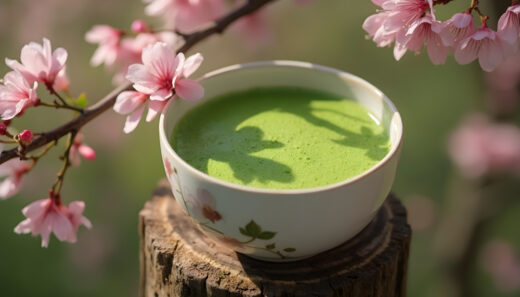
Pandan lattes are one example of how the ingredient is being adapted to contemporary café culture. The format is familiar to consumers who already enjoy matcha, vanilla, taro or floral beverages, while pandan provides a distinctly Southeast Asian alternative.
Pandan can also be combined with coconut milk, condensed milk, espresso or tea to create drinks with layered flavours. Its natural green colour adds visual appeal, making it especially suitable for social-media-friendly beverages.
This movement reflects a larger trend in which cafés are increasingly using regional ingredients to create signature drinks. Instead of relying solely on established flavours, beverage menus are becoming platforms for culinary discovery.
Why Gen Z and Younger Food Consumers Are Interested in Pandan
Pandan fits several contemporary food trends simultaneously. It is visually recognizable, culturally distinctive, versatile and suitable for experimentation.
Younger consumers often encounter new ingredients through short-form videos, food photography, café menus and international travel. A bright green pandan cake or latte can attract attention immediately, while the unfamiliar name creates curiosity.
At the same time, there is growing interest in foods connected to cultural heritage. Consumers increasingly want to understand where ingredients originate and how they are traditionally used. Pandan provides an opportunity to experience Southeast Asian food culture through an ingredient that can be adapted into familiar modern formats.
The ingredient also benefits from the broader global appetite for alternatives to conventional vanilla, chocolate and strawberry. As consumers become more adventurous, flavours once considered niche can become mainstream.
Pandan in Modern Bakery and Pastry
Contemporary pastry chefs have begun using pandan in increasingly sophisticated ways. Instead of treating it simply as a flavour for traditional cakes, they incorporate it into layered entremets, custards, creams, laminated pastries, cookies, tarts and frozen desserts.
Pandan can work particularly well in products where aroma is allowed to develop gradually. A pandan pastry cream can introduce fragrance without changing the texture of a dessert, while pandan-infused cream can provide a subtle flavour layer within a larger composition.
The ingredient also works with modern pastry techniques because its flavour can be extracted into liquids. Milk, cream, coconut milk and sugar syrups can all carry pandan’s aromatic compounds into other components.
This allows chefs to build desserts in which pandan appears in multiple forms without making every component taste identical.
Pandan Ice Cream and Frozen Desserts
Ice cream is another category where pandan has gained considerable attention. Its floral, creamy and slightly grassy character works naturally with dairy and coconut-based frozen desserts.
Pandan ice cream can be smooth and understated, allowing the fragrance to become the central feature. It can also be combined with toasted coconut, palm sugar, black sesame, mango or sticky rice.
Frozen desserts are particularly effective for introducing pandan to first-time consumers because their creamy texture softens the intensity of unfamiliar flavours. The result can feel surprisingly approachable even to someone who has never tasted pandan before.
Pandan gelato, soft serve and coconut-pandan frozen desserts have therefore become part of the broader international experimentation with Southeast Asian flavours.
Pandan as a Natural Alternative to Familiar Flavours
One reason pandan has strong potential in modern desserts is its ability to occupy the role that vanilla often plays. Vanilla provides aroma and complexity without necessarily dominating a dessert, and pandan can function similarly while creating a completely different sensory experience.
This does not mean pandan should simply be treated as a replacement for vanilla. Its flavour is more botanical and culturally specific. However, the comparison helps explain its versatility.
Pandan can be incorporated into cakes, custards, creams, biscuits and beverages while maintaining a recognizable identity. This makes it useful for chefs who want to create familiar dessert formats with an unexpected flavour foundation.
Fresh Pandan, Pandan Extract and Pandan Paste
The form of pandan used can significantly influence the final result. Fresh leaves are valued for their traditional aroma and can be blended with water to produce pandan juice. This approach provides an authentic connection to traditional cooking but requires additional preparation.
Pandan extracts and pastes are more convenient for commercial kitchens and home bakers. They allow cooks to achieve consistent flavour without processing fresh leaves every time.
However, commercially prepared products can vary significantly. Some focus primarily on flavour, while others emphasize intense green colouring. For this reason, modern bakers increasingly pay attention to ingredient labels and choose products based on whether their priority is aroma, colour or both.
The growing global demand for pandan has also encouraged greater availability of pandan products outside Southeast Asia, making the ingredient more accessible to international cooks.
The Cultural Value Behind the Trend
The global popularity of pandan raises an important question about how traditional ingredients enter international food culture. When an ingredient becomes fashionable internationally, there is a risk that its cultural history may be overlooked.
Pandan has been part of Southeast Asian culinary traditions for generations. Its modern popularity should therefore be understood as an expansion of an existing food culture rather than the discovery of an unused ingredient.
Learning about traditional preparations alongside modern interpretations creates a more meaningful relationship with the ingredient. Eating pandan chiffon cake, for example, can become an entry point into the broader world of Southeast Asian cakes, rice desserts, coconut sweets and kueh traditions.
This approach allows modern food culture to celebrate innovation without disconnecting ingredients from their origins.
Why Pandan’s Popularity Could Continue Growing
Pandan has many characteristics that support long-term popularity. It has a distinctive flavour, natural visual appeal, broad culinary versatility and strong cultural identity; It can appear in inexpensive homemade desserts as well as sophisticated restaurant creations.
It also fits the current movement toward global flavours. Consumers are increasingly interested in ingredients that can provide something different from familiar Western dessert profiles. Pandan offers that difference without being inaccessible.
Its compatibility with coconut, chocolate, coffee, tropical fruit, rice, caramel and dairy further expands its possibilities. As pastry chefs continue experimenting with cross-cultural combinations, pandan is likely to appear in increasingly creative forms.
The ingredient may eventually become as familiar internationally as matcha, ube or black sesame, although its strongest identity will remain connected to Southeast Asian culinary heritage.
The Future of Pandan in Global Desserts
Pandan’s journey from traditional Southeast Asian kitchens to modern international cafés illustrates how food trends evolve. An ingredient can begin as an essential part of regional cuisine and later become a source of inspiration for chefs around the world.
Its appeal is not based on a single characteristic. The green colour attracts the eye, the fragrance creates curiosity, and the flavour provides an experience that is both unfamiliar and approachable. Its ability to work across cakes, pastries, drinks, ice creams and traditional sweets gives it an unusually broad range.
More importantly, pandan demonstrates that the future of dessert culture may increasingly depend on regional ingredients with deep culinary histories. As consumers search for flavours that feel authentic, distinctive and meaningful, ingredients such as pandan can offer more than novelty.
Pandan is therefore more than a green ingredient appearing in fashionable desserts. It is a bridge between Southeast Asian culinary heritage and contemporary global pastry culture. Its fragrance can transform a simple cake, its colour can redefine a dessert’s appearance, and its versatility can inspire entirely new combinations. From traditional kueh and kaya to modern lattes, ice creams and plated pastries, pandan is proving that some of the most exciting future flavours are not necessarily new at all—they are ingredients with long histories finally receiving the global attention they deserve.
Online Internship with Certificate
You may be interested
Medovik: Russia’s Multi-Layered Honey Cake That Looks Like Dessert Architecture
Anshika Jain - October 6, 2026Medovik is one of Russia’s most recognizable honey cakes, celebrated for its delicate layers, soft texture, gentle honey aroma, and distinctive appearance. At first glance, the dessert…
Basbousa: The Syrup-Soaked Semolina Cake With Middle Eastern Character
Anshika Jain - October 6, 2026Basbousa is one of the Middle East’s most recognisable semolina desserts, celebrated for its golden surface, dense yet tender texture, fragrant syrup, and characteristic diamond-shaped pieces. Unlike…
Blue Spirulina Latte: The Ocean-Coloured Beverage Trend
Anshika Jain - October 6, 2026Food and beverage trends are increasingly influenced by visual appeal. In modern cafés, a drink is no longer judged only by its flavour or aroma. Colour, presentation,…
Most from this category
Carrot “Bacon”: Can Vegetables Really Recreate a Breakfast Classic?
Anshika Jain - October 5, 2026
Blue Spirulina Latte: The Ocean-Coloured Beverage Trend
October 6, 2026
Amazake: Japan’s Naturally Sweet Fermented Drink
October 6, 2026

Leave a Comment