

Medovik: Russia’s Multi-Layered Honey Cake That Looks Like Dessert Architecture

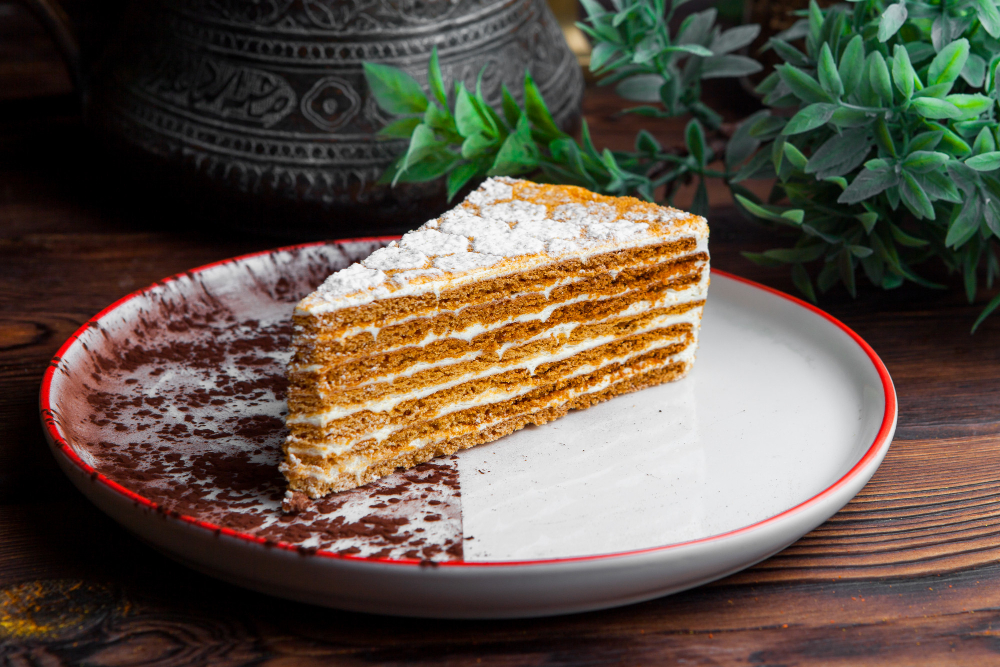
Medovik is one of Russia’s most recognizable honey cakes, celebrated for its delicate layers, soft texture, gentle honey aroma, and distinctive appearance. At first glance, the dessert can look almost architectural: numerous thin cake layers are stacked one above another and separated by generous layers of cream, creating a tall, structured cake with a beautifully defined cross-section. Yet beneath its elaborate appearance, Medovik is built around a surprisingly simple idea—the combination of honey-flavoured cake and a creamy filling that becomes softer and more harmonious as the cake rests.
The appeal of Medovik goes beyond its visual presentation. It represents a style of dessert-making in which patience, layering, and texture are just as important as sweetness. Unlike many modern cakes that rely on elaborate decorations, colourful toppings, or intricate piping, Medovik achieves its character through structure. Its thin layers, creamy filling, and subtle honey flavour create a dessert that feels sophisticated without depending on excessive decoration. This combination has helped Medovik move beyond its traditional cultural setting and become increasingly interesting to international food enthusiasts searching for distinctive cakes with a strong sense of identity.
What Is Medovik?
Medovik is a multi-layered honey cake traditionally associated with Russian cuisine and the broader culinary traditions of Eastern Europe. The name comes from the Russian word “med,” meaning honey, which reflects the defining ingredient in the cake layers. Honey is not simply added as a decorative flavour; it forms an important part of the cake’s identity, contributing sweetness, aroma, colour, and a characteristic caramel-like depth.
The cake is usually made by preparing a honey-based dough, dividing it into several portions, rolling or pressing those portions into very thin sheets, and baking them individually. Once baked, the layers are assembled with a creamy filling. The finished cake is then allowed to rest, often for several hours or overnight, so that the moisture from the cream can gradually soften the cake layers.
This resting period is one of the defining features of Medovik. Freshly assembled layers can have a firmer texture, but after absorbing some of the cream, they become tender and almost melt into one another. The result is neither simply a traditional sponge cake nor a crisp biscuit cake. Instead, Medovik develops a distinctive texture somewhere between soft pastry, layered cake, and creamy dessert.
The Dessert Architecture of Medovik
The phrase “dessert architecture” describes Medovik particularly well because its beauty comes from construction. When the cake is sliced, dozens of thin horizontal layers can become visible, each separated by a pale layer of cream. The repeated pattern creates a striking visual rhythm that makes even a relatively plain cake look elaborate.
The structure is especially fascinating because the cake does not depend on a thick central sponge. Instead, its height comes from accumulation. A baker may prepare many thin sheets, stack them carefully, and use cream to connect each layer. The process resembles constructing a miniature edible structure in which every component contributes to the final form.
The edges of Medovik are often finished with crumbs made from excess pieces of baked cake. These crumbs may cover the sides and sometimes the top, giving the cake a rustic appearance while hiding the complexity of the layers inside. The contrast between its simple exterior and highly structured interior is part of its charm.
The History Behind Russia’s Honey Cake
The exact origin story of Medovik is surrounded by culinary folklore, and different accounts attribute its development to different historical moments. One popular story connects the cake with the Russian imperial court during the nineteenth century. According to the legend, a young cook prepared a honey-based layered cake for Empress Elizabeth Alexeievna, who supposedly disliked honey but enjoyed the finished dessert without realizing that honey was one of its principal ingredients.
The story is widely repeated, although historical evidence for the specific episode is uncertain. What is clearer is that honey has long held an important position in Eastern European food traditions. Honey was used as a sweetener long before modern refined sugar became widely accessible, and honey-based pastries and breads developed across many regional cuisines.
Medovik as it is recognized today became particularly popular during the Soviet period and later spread throughout post-Soviet culinary culture. Its relatively straightforward ingredients made it suitable for home baking, while its impressive appearance made it appropriate for celebrations, birthdays, family gatherings, and festive meals.
Over time, different families and regions developed their own interpretations. Some versions use sour cream-based fillings, while others incorporate condensed milk, buttercream, whipped cream, or combinations of dairy ingredients. This adaptability has allowed Medovik to remain recognizable while accommodating different tastes and baking traditions.
Honey Is the Heart of the Cake
The defining ingredient of Medovik is, naturally, honey. It gives the cake layers their characteristic aroma and helps create their golden-brown appearance during baking. However, the role of honey is more complex than simply making the cake sweet.
When honey is heated and combined with other ingredients, it contributes to browning and develops deeper flavours. Depending on the variety of honey used, the cake can have floral, herbal, caramel-like, or slightly earthy notes. A mild honey produces a delicate flavour, while a stronger variety can make the cake more aromatic and pronounced.
This makes honey selection an interesting part of modern Medovik experimentation. Bakers can explore different honey varieties to change the personality of the cake without fundamentally changing its structure. A floral honey may create a lighter dessert, while darker honey can produce a richer and more intense flavour.
The balance is important because Medovik is not traditionally intended to taste like a heavily sweetened honey confection. Its creamy filling moderates the sweetness of the cake, while the thin layers distribute the honey flavour throughout every bite.
Why Medovik Has So Many Layers
The large number of layers is not simply a visual trick. Thin layers allow the cake and cream to interact more effectively. Because each sheet is relatively delicate, the filling can gradually penetrate the cake, creating the soft texture associated with a well-rested Medovik.
The number of layers can vary considerably depending on the recipe and baker. Some versions contain a modest number of thicker layers, while others are built from many extremely thin sheets. The latter versions create the dramatic striped appearance that has made Medovik particularly attractive in food photography.
Creating these layers requires patience. The dough must generally be divided evenly, rolled thinly, and shaped consistently. Since the sheets can change size during baking, bakers often trim them while warm and save the excess pieces for making crumbs. The trimmed pieces therefore become part of the final decoration rather than being discarded.
This is a useful example of traditional baking efficiency. The cake’s visual finish is partly created from the very material produced during its construction.
The Cream Creates the Transformation
Although honey gives Medovik its identity, the cream gives it its texture. The filling is responsible for turning a collection of crisp or firm cake layers into a unified, tender dessert.
Sour cream is one of the most traditional choices because its slight acidity balances the sweetness of honey and contributes moisture to the cake. The acidity also gives Medovik a more sophisticated flavour profile than a cake made exclusively with sweet buttercream.
Other versions may use condensed milk, whipped cream, cream cheese, butter, or combinations of these ingredients. Each variation changes the final character. A sour cream filling creates a lighter and slightly tangy impression, while condensed milk and butter can make the dessert richer and more indulgent.
The cream should generally be spread evenly between the layers. Too little filling can leave the cake dry, while excessive filling may make the structure unstable. The relationship between cake and cream is therefore central to successful Medovik.
Why Resting Makes Medovik Better
One of the most interesting aspects of Medovik is that it is not necessarily at its best immediately after assembly. Time is an ingredient in the dessert.
After the layers are stacked with cream, moisture gradually moves from the filling into the baked sheets. The process softens the layers and allows the flavours to blend. Honey, dairy, and baked pastry become less distinct as separate components and develop into a unified taste.
This makes Medovik an excellent example of a dessert that changes after preparation. The finished cake becomes more tender as it rests, which is why many traditional preparations recommend refrigerating it for several hours or overnight before serving.
The waiting period also makes Medovik particularly practical for celebrations. Rather than requiring last-minute decoration, the cake can be prepared in advance and allowed to develop its final texture before guests arrive.
The Visual Appeal of a Medovik Slice
Medovik demonstrates how texture can become decoration. A conventional cake might depend on frosting flowers, chocolate decorations, fruit, or colourful toppings. Medovik can remain visually compelling with almost none of these elements.
Its cross-section does most of the work.
The alternating lines of golden cake and pale cream create a naturally graphic pattern. When sliced cleanly, the layers resemble the pages of a miniature book or the horizontal sections of an architectural structure. This makes Medovik particularly attractive for contemporary food photography, where close-up images of the cake can reveal details that are invisible from the outside.
The rustic crumb coating also contributes to its visual identity. Instead of concealing the handmade nature of the cake, the crumbs emphasize it. The dessert looks crafted rather than industrial, which fits modern interest in traditional foods and heritage baking.
Medovik in Modern Food Culture
Medovik has become increasingly relevant to modern dessert culture because contemporary food enthusiasts often look beyond familiar cakes for distinctive culinary experiences. The dessert offers something different from the standard chocolate cake, cheesecake, or sponge cake while remaining accessible in terms of flavour.
Its honey-based profile also fits the growing interest in naturally recognizable ingredients. Honey has a strong cultural association with traditional cooking, while the layered construction provides a sophisticated visual element suitable for modern dessert menus.
Social media has further amplified interest in desserts with dramatic internal structures. Cakes that reveal their design when sliced are particularly effective in photographs and short-form videos. Medovik naturally fits this format because its most impressive feature is hidden inside the cake until the first slice is made.
The dessert therefore connects traditional Eastern European baking with contemporary visual food culture without needing to be radically redesigned.
Vegetarian-Friendly Character
Traditional Medovik is generally suitable for a vegetarian diet because its primary ingredients are honey, flour, dairy products, eggs, and other baking ingredients rather than meat or animal-derived gelatin. However, individual recipes vary, so anyone following a specific dietary restriction should examine the ingredients used in the particular preparation.
Modern bakers can also experiment with plant-based adaptations using dairy-free creams, egg alternatives, and vegan butter substitutes. These versions may change the texture and flavour, but the fundamental concept of thin honey-style layers combined with creamy filling can still be retained.
For vegetarian food enthusiasts interested in distinctive international desserts, Medovik offers an especially interesting example of how traditional baking can be explored without relying on meat-based ingredients.
How Medovik Differs From Other Layer Cakes
Medovik may initially appear similar to other European layered cakes, but its construction and flavour give it a distinctive identity. Many layered cakes are built around thick sponge sheets with generous frosting, whereas Medovik typically emphasizes numerous thin honey-based layers.
Its flavour is also more restrained than desserts dominated by chocolate or rich buttercream. Honey provides the primary aromatic note, while the cream contributes acidity, richness, and moisture. The result can feel surprisingly balanced despite the cake’s considerable height.
Another major difference is the importance of resting. While many cakes can be eaten soon after assembly, Medovik benefits significantly from allowing the layers to absorb moisture. Its final texture is therefore partly created after the baking process has finished.
Why Medovik Feels Both Rustic and Elegant
Perhaps the most appealing contradiction of Medovik is that it manages to look rustic and refined at the same time. The crumb-covered exterior can appear homemade and uncomplicated, while the interior reveals meticulous construction.
This combination reflects a broader movement in modern food culture toward desserts that celebrate craftsmanship rather than excessive decoration. The appeal is not necessarily in making the cake look perfect from the outside. Instead, the skill becomes visible when the dessert is cut.
Every layer represents an additional stage of preparation, and the final appearance communicates the patience involved. Medovik therefore turns time and technique into part of its aesthetic.
Contemporary Variations on the Classic
Modern pastry chefs and home bakers have experimented with Medovik in numerous ways. Some introduce nuts between the layers, while others incorporate caramel, chocolate, berries, citrus zest, coffee, or different cream formulations.
These variations can create new flavour combinations while preserving the essential layered structure. Chocolate-honey Medovik, for example, intensifies the roasted and caramelized notes of the original. Citrus versions can provide brightness that contrasts with the richness of the cream, while nut-based interpretations introduce additional texture.
There is also growing interest in miniature Medovik cakes and individual portions. These formats preserve the characteristic layers while making the dessert easier to serve at contemporary gatherings.
Despite these adaptations, the most successful variations tend to respect the core identity of Medovik: thin honey-flavoured layers, creamy filling, and sufficient resting time to bring everything together.
Why Medovik Deserves Global Attention
Medovik demonstrates that a memorable dessert does not need exotic ingredients or elaborate decoration. Its appeal comes from a carefully constructed relationship between a few familiar components.
Honey provides aroma and sweetness. Thin baked layers provide structure. Cream provides moisture and contrast. Resting allows the components to become one dessert. The result is a cake that is simultaneously simple in ingredients and sophisticated in technique.
Its growing international appeal also reflects a broader interest in discovering regional foods beyond the most familiar global desserts. Traditional cakes from Eastern Europe offer a rich field for exploration, particularly because many of them rely on distinctive preparation methods rather than expensive ingredients.
Medovik is especially compelling because its architecture is edible. The layers tell the story of how the dessert was made, making every slice a visual record of the baking process.
The Enduring Charm of Russia’s Honey Cake
Medovik has survived and evolved because it combines tradition with adaptability. Its origins may be surrounded by culinary legends, but its place in Russian and Eastern European food culture is firmly established. From home kitchens to contemporary pastry displays, the cake continues to demonstrate how a traditional dessert can remain relevant across generations.
Its defining characteristics are remarkably consistent: honey-scented layers, creamy filling, careful assembly, and time for the finished cake to soften. Yet these foundations leave plenty of room for personal interpretation.
Perhaps that is what makes Medovik so fascinating. It is not impressive because it is covered in elaborate decorations. It is impressive because its beauty is built into its structure. Slice through the cake and its hidden architecture is revealed: layer after layer of golden pastry and cream, transformed by patience into a dessert that is delicate, rich, aromatic, and unmistakably distinctive.
In an era when desserts are increasingly designed to be photographed, Medovik offers something more meaningful than visual novelty. Its appearance comes directly from its traditional method of preparation. The architecture is not decoration added after the fact; it is the dessert itself. That combination of history, craftsmanship, texture, and understated beauty is what makes Medovik one of Russia’s most fascinating contributions to the world of layered desserts.
Online Internship with Certificate
You may be interested

Taro Leaf Rolls: Leaf Structure and Safe Cooking Influence a Wrapped Vegetable Dish
Anshika Jain - October 26, 2026Taro leaf rolls demonstrate how a simple leafy vegetable can become the foundation of a distinctive and satisfying dish. Found in different forms across tropical regions, taro…
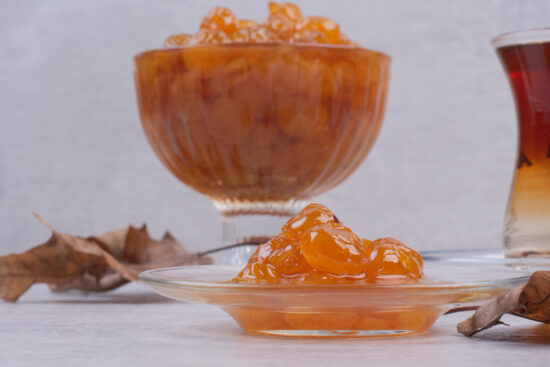
Acorn Jelly: Korean Dotorimuk and the Science of Starch
Anshika Jain - October 26, 2026Acorn jelly is a distinctive food made by transforming the seeds of oak trees into a smooth, firm, sliceable preparation. Best known in Korea as dotori-muk or…
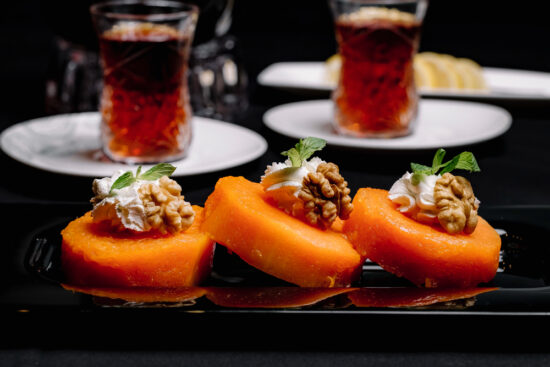
Kabak Tatlisi: Turkish Pumpkin Dessert with a Glossy, Syrupy Finish
Anshika Jain - October 26, 2026Kabak Tatlısı is a traditional Turkish dessert that transforms an everyday autumn vegetable into a glossy, syrup-coated sweet through a remarkably simple cooking process. Prepared by slowly…
Most from this category
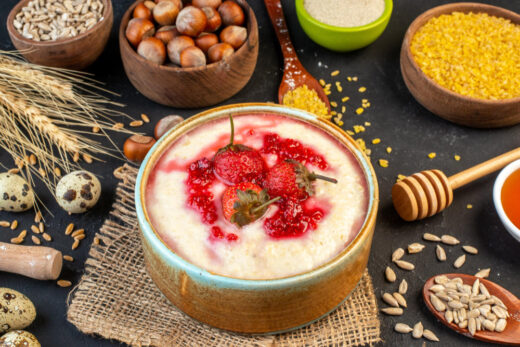
Moustalevria: Traditional Greek Grape-Must Pudding with Natural Sweetness
Anshika Jain - October 26, 2026
Kisiel: Traditional Fruit Dessert That Reveals the Science of Starch Thickening
Anshika Jain - October 26, 2026
Tinginys: Lithuania’s No-Bake Biscuit Dessert with a Distinctive Chocolate Mosaic
Anshika Jain - October 26, 2026
Moustalevria: Traditional Greek Grape-Must Pudding with Natural Sweetness
Anshika Jain - October 26, 2026Kisiel: Traditional Fruit Dessert That Reveals the Science of Starch Thickening
Anshika Jain - October 26, 2026Tinginys: Lithuania’s No-Bake Biscuit Dessert with a Distinctive Chocolate Mosaic
Anshika Jain - October 26, 2026



Leave a Comment