

Mujaddara Hamra — Lebanon: Lebanese Lentil and Grain Dish

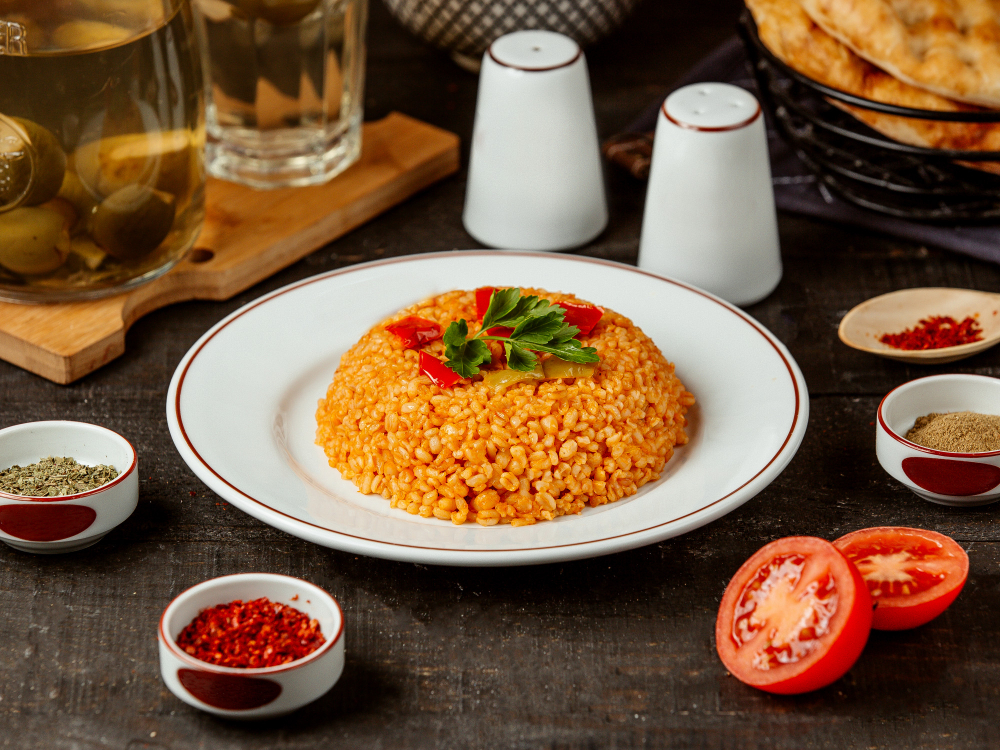
Lebanese cuisine is widely appreciated for its ability to transform simple, locally available ingredients into dishes with remarkable flavour, texture, and nutritional value. Among its traditional plant-based preparations, Mujaddara Hamra holds a special place. Originating from Lebanon, this distinctive lentil and grain dish is recognised for its reddish-brown appearance, earthy flavour, and generous use of deeply caramelized onions. It represents a style of cooking in which everyday ingredients such as lentils, grains, onions, and olive oil are combined through careful preparation rather than complicated techniques.
The name Mujaddara Hamra is commonly translated as red or reddish-brown mujaddara. It belongs to the wider family of mujaddara dishes found across the Levant, where lentils and grains are cooked together and served with onions. However, Mujaddara Hamra has its own character. Its darker colour and rich flavour are associated with the cooking of lentils and onions, particularly the gradual caramelization of onions until they become deeply golden to brown. Depending on the household and regional tradition, the grain used may vary, and some preparations rely on bulgur rather than rice.
Unlike many elaborate dishes that depend on meat, dairy, or rich sauces, Mujaddara Hamra obtains its depth from the natural characteristics of its ingredients. Lentils provide a hearty texture, grains contribute substance, and onions develop sweetness and complexity during slow cooking. Olive oil helps bring these elements together while adding the familiar richness associated with Mediterranean and Levantine food traditions.
Beyond its culinary appeal, Mujaddara Hamra reflects an important aspect of Lebanese food culture: the ability to create satisfying meals from affordable pantry ingredients. It is a practical, nourishing, and naturally plant-based preparation that demonstrates how traditional cooking can offer both flavour and nutritional diversity.
The Cultural Background of Mujaddara Hamra in Lebanese Cuisine
Mujaddara is a well-known family of dishes across the Levant, particularly in Lebanon, Syria, Palestine, and Jordan. Its central ingredients are lentils and grains, although the exact proportions, grain selection, cooking method, and finishing ingredients differ between regions and households. These variations reflect the diversity of home cooking across the eastern Mediterranean, where recipes have developed through local agricultural traditions, seasonal availability, and family preferences.
In Lebanese households, mujaddara is often valued as an everyday meal rather than a dish reserved for special celebrations. Lentils and grains have historically been accessible ingredients, making them useful foundations for economical family cooking. Their ability to provide a filling meal without requiring expensive animal products has contributed to the enduring popularity of lentil-based dishes throughout the region.
Mujaddara Hamra is particularly associated with a reddish-brown colour and a pronounced onion flavour. The preparation is often distinguished by cooking onions until they become deeply coloured before combining them with lentils and grain. This step gives the dish its characteristic richness and helps create a flavour profile that is more complex than its modest ingredient list might suggest.
The dish also illustrates how regional food traditions should not be reduced to a single standardised recipe. Lebanese families may prepare mujaddara differently depending on their location, inherited cooking practices, and preferred texture. Some versions are relatively soft and cohesive, while others maintain more distinct grains and lentils. These differences are part of the living culinary tradition rather than evidence that one preparation is necessarily more authentic than another.
What Makes Mujaddara Hamra Different from Other Mujaddara Varieties?
The wider mujaddara family includes several preparations that share lentils and grains but differ in appearance, flavour, and texture. One familiar version combines brown or green lentils with rice and caramelized onions, producing a dish that is generally brown or golden-brown. Other variations use bulgur, cracked wheat, or different types of lentils.
Mujaddara Hamra stands out because of its deeper reddish-brown colour and its emphasis on richly cooked onions. The colour develops through the interaction of the ingredients and the cooking process rather than through the addition of artificial colouring. Lentils contribute an earthy base, while deeply caramelized onions provide sweetness, savoury depth, and a darker appearance. When bulgur is used, it absorbs the cooking liquid and flavours, giving the dish a distinctive grain texture.
Its flavour is balanced rather than intensely spicy. The natural sweetness of onions contrasts with the earthy character of lentils, while olive oil adds smoothness. Some cooks may include cumin, black pepper, or other seasonings, but the traditional character of the dish depends primarily on the relationship between lentils, grain, and onions.
The result is a preparation that feels substantial without being heavy. It can be served warm as a main meal, accompanied by fresh vegetables, pickles, or a simple salad. Its versatility makes it suitable for everyday lunches, family dinners, and plant-based menus.
The Main Ingredients and Their Culinary Importance
The appeal of Mujaddara Hamra comes from the way a small number of ingredients perform different culinary roles. Lentils are the foundation of the dish, providing body, earthy flavour, and a soft yet slightly firm texture when cooked properly. Brown or green lentils are commonly suitable for preparations in which the legumes need to retain some shape rather than dissolve completely.
Grain selection influences the final consistency. Bulgur is particularly associated with some Lebanese-style red mujaddara preparations. It is made from whole wheat that has been parboiled, dried, and cracked into different sizes. Its slightly nutty flavour complements lentils and caramelized onions. Rice may be used in other mujaddara variations, but bulgur creates a different texture and gives the dish a connection to the wider culinary traditions of the Levant.
Onions are arguably the most distinctive flavour component. They are sliced and cooked slowly in olive oil until their colour deepens and their natural sugars develop a concentrated sweetness. This process is essential because lightly softened onions cannot produce the same flavour or colour. Their gradual transformation gives Mujaddara Hamra much of its identity.
Olive oil provides the cooking medium and contributes a smooth, fruity richness. Salt and black pepper help balance the ingredients, while spices such as cumin may be added according to household preference. Water or vegetable stock is used to cook the lentils and grain, allowing their flavours to combine. The best preparations maintain a balance in which no single ingredient overwhelms the others.
How Mujaddara Hamra Is Traditionally Prepared
The preparation of Mujaddara Hamra may appear simple, but its distinctive flavour depends on the timing and treatment of its ingredients. The most important stage is cooking the onions until they become deeply browned. This requires patience because onions need sufficient time to release moisture, soften, and develop their characteristic sweetness. Cooking them too quickly over excessively high heat can cause uneven browning or burning before their flavour has properly developed.
In many Lebanese preparations, finely chopped or sliced onions are cooked in oil until they become dark golden brown. Some of the cooking liquid from the lentils is then added to the onions, allowing the browned flavours to blend into the liquid. This mixture is incorporated into the lentils, helping create the dish’s characteristic reddish-brown appearance. The use of coarse bulgur gives the final preparation a hearty grain texture, while the lentils provide a soft and substantial base.
Food Heritage Foundation+2
The lentils are generally cooked until tender but not necessarily completely broken down. Depending on the variety, they may be partially cooked before the bulgur is introduced. The grain is then added with the required amount of cooking liquid and allowed to absorb the flavours. Gentle simmering helps the ingredients combine without turning the entire preparation into an excessively thick paste.
The finished consistency varies between households. Some versions are relatively cohesive and soft, while others resemble a thick pilaf in which individual grains and lentils remain distinguishable. A portion of the caramelized onions may be reserved for the final topping, adding another layer of sweetness and texture.
The Science Behind Deeply Caramelized Onions
Onions are responsible for much of Mujaddara Hamra’s distinctive character. Their transformation during cooking involves several flavour-development processes that make them significantly different from raw or lightly sautéed onions. Raw onions contain water, natural sugars, sulphur-containing compounds, and other substances responsible for their sharp aroma and flavour. As they are heated, their structure softens and their pungency changes.
During prolonged cooking, moisture gradually evaporates and the onions become more concentrated. Their natural sugars and other flavour compounds participate in browning reactions, producing a complex mixture of sweet, savoury, roasted, and slightly bitter notes. Caramelization refers specifically to the thermal breakdown and browning of sugars, while the Maillard reaction involves reactions between reducing sugars and amino compounds. Both processes can contribute to the flavour complexity of cooked onions, although their relative importance depends on cooking conditions.
The deep colour of Mujaddara Hamra is therefore not merely decorative. It reflects the development of concentrated onion flavours that become distributed throughout the lentils and bulgur. Adding a little cooking liquid to the browned onions helps release the flavour-rich material attached to the pan and allows it to blend into the rest of the dish.
This is why rushing the onion stage can significantly change the result. Lightly sautéed onions may provide aroma, but they cannot reproduce the depth associated with the traditional preparation. Equally, severely burnt onions can introduce an unpleasant bitterness. The objective is a deep, even brown colour with concentrated sweetness and savoury complexity.
Nutritional Value of Lentils and Bulgur
Mujaddara Hamra offers a combination of plant-based protein, complex carbohydrates, dietary fibre, and several important micronutrients. Its nutritional profile depends on the quantities used, the type of lentils and grain, and the amount of oil added during cooking. Nevertheless, the combination of lentils and bulgur makes it a substantial meal rather than a preparation based primarily on refined starch.
Lentils are an important source of plant protein and dietary fibre. They also contain folate, iron, potassium, and other minerals. Their fibre content supports digestive health and contributes to satiety, while their protein makes them valuable in vegetarian and vegan diets. Lentils also contain slowly digested carbohydrates, making them useful ingredients in meals designed around sustained energy rather than rapid consumption of refined carbohydrates.
Bulgur contributes complex carbohydrates, fibre, and additional plant-based nutrients. Because it is made from whole wheat that has undergone partial cooking and drying, it retains much of the grain’s nutritional structure. Coarse bulgur also gives the dish a satisfying texture and helps make the meal filling.
Olive oil contributes predominantly unsaturated fats, particularly monounsaturated fatty acids. It increases the energy content of the dish, so the quantity used can influence the overall nutritional balance. Onions contribute flavour and contain plant compounds, including flavonoids such as quercetin.
Together, lentils and bulgur provide complementary plant proteins, although the overall amino acid profile of a meal should be considered across the wider diet. This combination demonstrates how traditional plant-based cooking can create nutritionally varied meals without relying on meat or dairy.
A Naturally Plant-Based Meal for Vegetarian and Vegan Diets
One of the most appealing aspects of Mujaddara Hamra is that its traditional preparation is naturally plant-based. Lentils, bulgur, onions, olive oil, and seasonings provide the main components without requiring meat, eggs, or dairy products. This makes the dish suitable for vegetarian and vegan diets, while also offering a practical option for people seeking to include more legumes and whole grains in their meals.
Its plant-based character is not a modern adaptation created to meet current dietary trends. It reflects a long-standing culinary tradition in which legumes and grains have been used to prepare affordable, filling meals. Across the eastern Mediterranean, lentils, chickpeas, beans, wheat, and vegetables have historically played important roles in everyday cooking. Mujaddara Hamra is part of this broader food culture, demonstrating how plant ingredients can create satisfying meals through flavour development and careful preparation.
The combination is also useful for people trying to diversify their protein sources. Instead of depending on a single ingredient, the dish brings together legumes and cereals in one preparation. It can be included in a balanced diet alongside fresh vegetables, fruit, and other sources of essential nutrients.
How to Serve Mujaddara Hamra
Mujaddara Hamra is versatile enough to be served as a main meal or as part of a larger Lebanese-style spread. It is commonly enjoyed warm, with the deeply browned onions providing much of the flavour.
Fresh salads are particularly suitable accompaniments. A Lebanese-style salad containing tomatoes, cucumber, parsley, lemon juice, and olive oil adds freshness and acidity. The citrus flavour helps balance the sweetness and richness of the onions. Pickled vegetables can provide a similar contrast, introducing a sharp and slightly tangy element to the meal.
Some households serve mujaddara with yoghurt or cucumber-based accompaniments. For a completely vegan meal, these can be replaced with unsweetened plant-based yoghurt or a simple lemon dressing. Olives, fresh herbs, and roasted vegetables can also complement the dish without overpowering its characteristic flavour.
The dish can be served at different temperatures depending on preference. It is particularly comforting when freshly cooked, but it can also be enjoyed at room temperature. When prepared in advance, the lentils and bulgur may absorb additional moisture, making the consistency thicker. A small amount of water added during gentle reheating can help restore its original texture.
Regional Variations and Household Interpretations
Although Mujaddara Hamra is associated with Lebanon, its preparation is not completely uniform. Lebanese food traditions vary between regions, villages, and families, and this dish reflects those differences. Some cooks prefer a preparation with a relatively soft consistency, allowing the lentils and bulgur to combine into a cohesive mixture. Others prefer a firmer result in which the grain remains more clearly defined.
The choice of lentils can also affect the appearance and texture. Brown lentils are commonly used because they can retain their shape during cooking, while some regional recipes use red lentils. Red lentils tend to soften more quickly and may create a thicker preparation. The amount of bulgur and cooking liquid also determines whether the final dish resembles a dense pilaf or a softer lentil-and-grain meal.
The treatment of onions is another area of variation. Some recipes use finely chopped onions that are cooked until very dark and then incorporated throughout the dish. Others use sliced onions, reserving part of them for the final garnish. Olive oil is widely used, although individual households may choose different cooking oils or proportions according to availability and preference.
These variations demonstrate why traditional dishes should be understood through their regional and household contexts. Mujaddara Hamra is not defined by one rigid measurement or a single cooking technique.
Why Mujaddara Hamra Remains Relevant in Modern Food Culture
Modern food culture increasingly explores plant-based eating, affordable nutrition, traditional grains, and sustainable cooking. Its appeal does not depend on expensive ingredients, specialised equipment, or complicated culinary techniques.
The dish also connects with the growing interest in Mediterranean and Levantine food traditions. This approach can help broaden the understanding of vegetarian food beyond salads, vegetable sides, and processed meat alternatives.
Its affordability is another important feature. Lentils and bulgur can be stored for extended periods when kept in suitable conditions, making them practical pantry ingredients. Onions and olive oil are also widely available in many markets. This makes Mujaddara Hamra useful for home cooking, meal preparation, and food programmes that aim to provide filling meals through accessible ingredients.
The dish can also be adapted to contemporary dietary preferences without losing its traditional character. Whole-grain bulgur, controlled oil quantities, fresh vegetable accompaniments, and appropriate portion sizes can support a balanced meal. However, the most important element remains the careful preparation of the onions, which gives the dish its recognisable depth and flavour.
Conclusion
Mujaddara Hamra is a remarkable example of how Lebanese cuisine transforms everyday plant-based ingredients into a deeply satisfying traditional meal. Its combination of lentils, coarse bulgur, and richly caramelized onions creates a distinctive reddish-brown appearance, earthy flavour, and hearty texture. Although its ingredients are simple, the preparation requires patience and attention, particularly when developing the deep colour and sweetness of the onions.
Beyond its flavour, the dish represents the importance of legumes and grains in traditional food cultures. Its affordability, versatility, and straightforward preparation also explain why it continues to be appreciated in Lebanese households. It demonstrates that nutritious, flavourful cooking can emerge from a thoughtful combination of accessible ingredients. Whether served with fresh vegetables, pickles, or a light salad, this Lebanese preparation remains a meaningful expression of regional culinary heritage.
Online Internship with Certificate
You may be interested
Cardoon: Thistle Vegetable with Edible Stalks and Distinctive Flavour
Anshika Jain - October 30, 2026The Mediterranean region is known for its diverse culinary traditions, many of which are built around vegetables that have been cultivated and prepared for centuries. Alongside familiar…
Ulluco — Andes: The Colourful Tuber with a Smooth Texture
Anshika Jain - October 30, 2026The Andean highlands of South America are home to an extraordinary variety of traditional crops that have sustained communities for generations. Among these lesser-known agricultural treasures is…

Oca — Andes: The Colourful Traditional Tuber with a Distinctive Tart Flavour
Anshika Jain - October 30, 2026The Andes are home to an extraordinary range of traditional crops that have supported mountain communities for centuries. Among these lesser-known agricultural treasures is oca, a colourful…
Most from this category

Ghapama: Armenia’s Festive Stuffed Pumpkin with Rice, Dried Fruits, and Nuts
Anshika Jain - October 29, 2026
Salsify : Root Vegetable with Flavour and Rich Culinary Heritage
Anshika Jain - October 30, 2026Laverbread — Wales: Seaweed Delicacy Made from the Welsh Coast
Anshika Jain - October 30, 2026Ghapama: Armenia’s Festive Stuffed Pumpkin with Rice, Dried Fruits, and Nuts
Anshika Jain - October 29, 2026
Ulluco — Andes: The Colourful Tuber with a Smooth Texture
October 30, 2026
Salsify : Root Vegetable with Flavour and Rich Culinary Heritage
October 30, 2026

Leave a Comment