

Sopa Paraguaya: Paraguay’s Traditional Savoury Cornmeal Cake

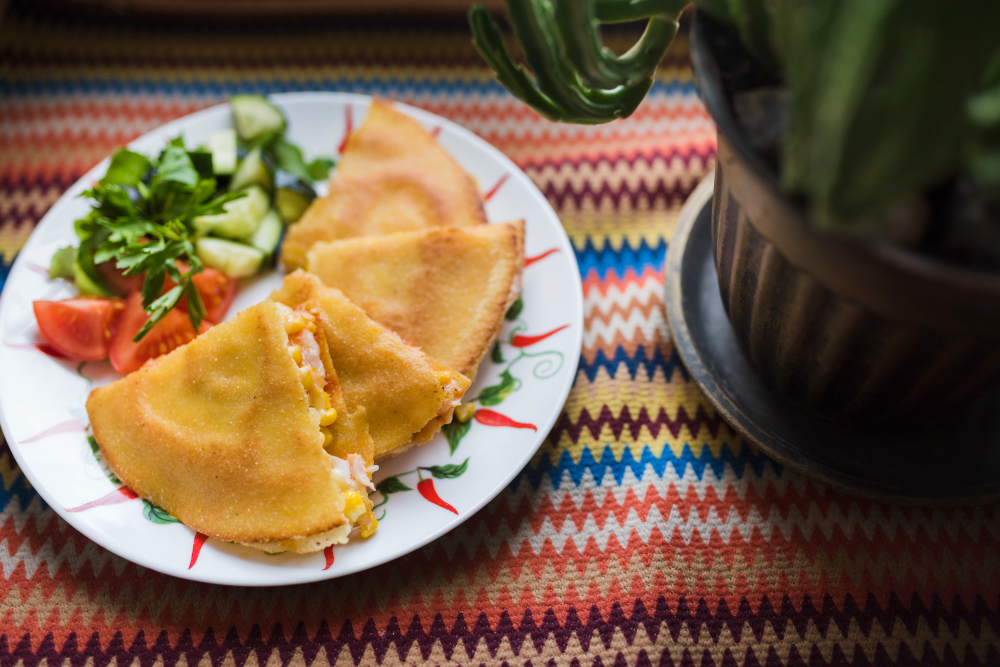
Paraguayan cuisine reflects a rich combination of Indigenous Guaraní food traditions and influences introduced during the colonial period. Corn, cassava, cheese, milk, and onions feature prominently in many regional preparations, demonstrating how locally available ingredients have shaped the country’s culinary identity. Among its best-known traditional foods is Sopa Paraguaya, a savoury cornmeal cake that combines cornmeal, cheese, onions, milk, and eggs to create a soft, hearty dish with a golden exterior and a moist interior.
Sopa Paraguaya is more than an everyday food. It is closely associated with Paraguayan identity and is served in homes, restaurants, family gatherings, and celebrations. Its ingredients are relatively simple, yet their combination produces a distinctive result that reflects the country’s agricultural traditions and long-standing relationship with corn.
The dish can also be suitable for vegetarian diets, provided the ingredients are selected carefully. A meat-free version can use vegetable stock if additional liquid is required and cheese made with vegetarian-friendly rennet. Since many traditional recipes rely on milk rather than stock, the most important consideration is to avoid animal-derived broth or cheese ingredients that do not meet the intended dietary requirements. A fully plant-based version requires further substitutions for eggs, dairy milk, and conventional cheese.
This article explores the history and cultural significance of Sopa Paraguaya, its defining ingredients, the techniques used to prepare it, its nutritional characteristics, and the adaptations that allow modern cooks to enjoy this traditional Paraguayan speciality.
The Cultural History of Sopa Paraguaya
Sopa Paraguaya reflects the blending of Indigenous Guaraní food traditions with ingredients and culinary practices that developed after Spanish colonisation. Corn was already central to food production among Indigenous communities in the region, while dairy products, cheese, and eggs became more prominent with the introduction and expansion of European livestock farming. The dish that emerged from these influences became an enduring expression of Paraguayan culinary identity.
The importance of Sopa Paraguaya extends beyond its unusual name and origin story. Paraguay’s National Secretariat of Culture declared the traditional preparation of Sopa Paraguaya, along with several other emblematic foods, part of the country’s Intangible Cultural Heritage in 2017. The designation recognises not only the food itself but also the traditional knowledge, preparation methods, recipes, and practices transmitted across generations.
The dish is commonly prepared for family gatherings, celebrations, and shared meals. It can accompany grilled foods or be served independently as a snack or light meal. Its ability to be cut into portable portions makes it practical for large gatherings, while its familiar ingredients connect it to everyday household cooking.
Sopa Paraguaya also belongs to a wider family of Paraguayan corn-based foods. Chipa Guasu, for example, is made primarily with fresh corn kernels and has a softer, more pudding-like consistency. Sopa Paraguaya instead relies on cornmeal, giving it a more structured, cake-like crumb. Both dishes feature the importance of corn in Paraguayan cuisine, but their textures and preparation methods distinguish them from one another.
The Essential Ingredients of Sopa Paraguaya
Cornmeal: The Foundation of the Cake
Cornmeal gives Sopa Paraguaya its defining flavour, colour, and structure. It absorbs liquid from the milk and other ingredients, forming a thick batter that sets during baking. Unlike wheat-based bread, which develops its structure through gluten, this cake relies largely on the properties of cornmeal, eggs, dairy ingredients, and the balance of moisture in the mixture.
The type of cornmeal matters. Paraguayan recipes may use locally available corn flour or meal with a texture that differs from the finely ground cornflour commonly sold in other countries. For home cooking, a suitable cornmeal intended for baking is generally preferable to cornstarch, which is a refined starch and does not provide the same texture or flavour. Very coarse meal may produce a grainier cake, while finely ground meal tends to create a more uniform crumb.
Cornmeal should be mixed thoroughly with the wet ingredients so that it absorbs moisture evenly. Allowing the batter a short rest before baking can help the grains hydrate, although the appropriate consistency depends on the particular recipe. The finished batter should be thick and spoonable rather than dry and crumbly or excessively liquid.
Cheese: The Source of Savoury Richness
Cheese contributes saltiness, creaminess, and protein to Sopa Paraguaya. In Paraguay, local fresh cheese is traditionally used, giving the cake a distinctive dairy flavour. Outside the country, a mild, crumbly fresh cheese or another suitable melting cheese can provide a practical substitute, although the result will not be identical to the original.
The choice of cheese influences the final texture. A moist fresh cheese can contribute tenderness, while a firmer or more mature cheese may produce a stronger flavour and more pronounced savoury notes. The salt content should also be considered, because adding too much extra salt can make the cake overly salty.
For vegetarians, the cheese requires particular attention. Some cheeses are produced with animal-derived rennet, while others use microbial or suitable non-animal alternatives. Checking the label or contacting the manufacturer can help establish whether a cheese meets a vegetarian diet’s requirements. This is especially important for people who avoid animal-derived ingredients beyond meat and fish.
Onions: Sweetness and Aroma
Onions are one of the most important flavour components in Sopa Paraguaya. When gently cooked before being added to the batter, they become soft and sweet, balancing the savoury cheese and earthy cornmeal. They also distribute moisture throughout the cake, contributing to its tender interior.
The onions are usually chopped or sliced and cooked in oil, butter, or another suitable fat until softened. They do not always need to become deeply caramelized; many traditional approaches focus on making them translucent and tender so that their flavour blends naturally with the batter. Cooking them too quickly over high heat can produce burnt edges and a bitter taste.
The amount of onion can vary between recipes. A generous quantity produces a moist, flavourful cake with a more noticeable sweetness, while a smaller quantity allows the corn and cheese to dominate. The best balance depends on the type of cornmeal, the strength of the cheese, and individual preferences.
Milk, Eggs, and Fat
Milk supplies moisture and helps soften the cornmeal, while eggs contribute structure and binding as the cake bakes. Fat, traditionally sometimes pork fat but also prepared with other fats in different versions, adds richness and influences the texture. These ingredients work together to create a cake that is moist and tender without collapsing into a loose pudding.
The consistency of the batter is critical. Too little liquid can produce a dry, dense result, while excessive moisture may prevent the centre from setting properly. The amount of milk needed can vary according to how coarsely the cornmeal is ground and how much moisture the cheese contains.
A vegetarian version can use vegetable oil or suitable butter instead of pork fat, with milk and eggs retained. This creates a meat-free preparation without requiring the more substantial substitutions needed for vegan cooking. If the recipe calls for stock, a verified vegetable stock can be used, although many standard recipes rely on milk rather than broth for their main liquid.
How to Prepare Sopa Paraguaya at Home
Preparing the Ingredients
Begin by gathering cornmeal, onions, milk, eggs, cheese, cooking oil or butter, and salt. For a vegetarian preparation, confirm that the cheese is made with a suitable rennet and choose a fat that contains no animal-derived ingredients if required. A simple recipe does not need a long list of spices because the characteristic flavour comes from the corn, onions, and cheese.
Finely chop the onions so they distribute evenly through the cake. Crumble or grate the cheese, depending on its texture, and measure the milk and cornmeal before beginning. Bringing the ingredients together in an organised way helps maintain a consistent batter and reduces the likelihood of overmixing.
Cooking the Onions
Heat the oil or butter in a pan over medium heat. Add the onions and a little salt, then cook them slowly until they become soft and translucent. Stir regularly to prevent sticking and allow the onions to release their moisture. If they begin browning too quickly, lower the heat.
The objective is to soften the onions and develop their natural sweetness rather than produce a deeply browned onion topping. Once the onions are tender, remove the pan from the heat and allow the mixture to cool slightly. This makes it easier to combine with the remaining ingredients without cooking the eggs prematurely.
Mixing the Batter
In a large bowl, whisk the eggs until combined, then add the milk and the cooked onions with their cooking fat. Stir in the cornmeal gradually, mixing until the liquid is distributed throughout. Fold in the crumbled cheese and adjust the salt carefully, keeping the cheese’s existing salt content in mind.
The batter should be thick but moist enough to spread into a baking dish. If it appears excessively dry, a little additional milk may help, depending on the cornmeal used. If it is too loose, allow the cornmeal a short time to absorb the liquid before making further adjustments. Some recipes use baking powder to create a lighter crumb, while others depend primarily on the eggs and the consistency of the mixture.
Baking the Cake
Preheat the oven to approximately 180–200°C, depending on the recipe and the depth of the baking dish. Grease the dish with oil or suitable butter, then transfer the batter into it and spread it evenly. A moderately shallow dish encourages more uniform cooking and allows the top to develop a golden surface without leaving the centre undercooked.
Bake until the surface is golden and the centre is set. The precise time will depend on the thickness of the batter, the oven, and the moisture content of the ingredients. Rather than relying solely on the clock, check that the centre no longer looks liquid and that a skewer inserted into the cake comes out without wet batter attached. Melted cheese may leave some moisture on the skewer, so judge the texture as well as its appearance.
Allow the cake to rest briefly after removing it from the oven. This gives the structure time to settle, making it easier to cut clean portions. Sopa Paraguaya should be moist and tender rather than dry, with a lightly golden exterior and small pieces of onion and cheese distributed throughout.
Serving Sopa Paraguaya
Sopa Paraguaya can be served warm or at room temperature, depending on the occasion. It is commonly cut into squares or rectangular portions and served as an accompaniment to a larger meal. Its savoury corn flavour pairs well with salads, grilled vegetables, beans, and other dishes that provide contrasting textures.
For a vegetarian meal, a portion of Sopa Paraguaya can be accompanied by a fresh tomato salad, sautéed greens, or a bean-based dish. These additions bring colour and variety to the plate without competing with the cake’s rich flavour. If serving it as a snack, smaller pieces can be presented on their own or with a simple herb-based accompaniment.
Nutritional Value of Sopa Paraguaya
Sopa Paraguaya provides carbohydrates from cornmeal, protein from eggs and cheese, and fat from the cooking oil or butter and dairy ingredients. Its precise nutritional composition varies according to the proportions used and the size of each serving. It is generally an energy-rich food, which helps explain its suitability as an accompaniment to substantial meals.
Cornmeal contributes carbohydrates and some fibre, depending on how it is processed. Cheese and eggs provide protein, while dairy ingredients contribute calcium and other nutrients. Onions add flavour and plant compounds, although the quantities in an individual serving are usually modest compared with those found in a vegetable-focused dish. The amount of fat can vary considerably.
Portion size also matters because the cake combines several energy-providing ingredients. Serving it with vegetables or a fresh salad can create a more varied meal, while a source of legumes or another protein-rich food may be helpful when the cake is part of a vegetarian main course. Nutritional suitability ultimately depends on the broader eating pattern rather than one traditional recipe alone.
Vegetarian and Vegan Variations
A Traditional-Style Vegetarian Version
<p>A vegetarian version can retain the familiar ingredients of cornmeal, onions, milk, eggs, and cheese while replacing pork fat with vegetable oil or suitable butter. It is important to check the cheese’s production method, since some varieties use animal-derived rennet. If stock is included in a particular adaptation, it should be vegetable-based rather than made from meat or bones.
This version preserves much of the dish’s traditional texture and flavour. The onions supply sweetness, the cheese adds savouriness, and the eggs help the batter set during baking. It is often the simplest adaptation for people who avoid meat but still consume dairy and eggs.
A Fully Plant-Based Version
A vegan version requires replacing the dairy milk, cheese, eggs, and any animal-derived fat. Unsweetened plant milk can provide moisture, while a suitable vegan cheese offers some of the savoury flavour associated with the original. An egg-free binder, such as a carefully formulated starch-based mixture, may help the cake hold together, although the final texture will differ from a conventional preparation.
<p>Because cornmeal does not develop the same gluten structure as wheat flour, removing eggs and dairy changes the way the batter sets. A vegan version may require recipe testing to establish the right ratio of liquid, binder, and fat. The goal should be a cohesive, moist cornmeal cake rather than an exact imitation of the traditional dairy-and-egg version.
Adjusting the Flavour Without Losing Its Character
<p>Modern cooks may be tempted to add numerous spices, vegetables, or flavourings, but Sopa Paraguaya is most recognisable when cornmeal, cheese, and onions remain central. A little black pepper or a small quantity of fresh herbs can complement the existing flavours, while excessive additions may make the cake taste more like a different corn-based bake.<p>The best adaptation is one that addresses a clear need, such as vegetarian ingredients, local ingredient availability, or a preference for less fat. Preserving the original balance helps the dish remain recognisable while allowing it to fit contemporary dietary preferences.
Sopa Paraguaya Compared with Other Corn-Based Dishes
<p>Sopa Paraguaya is sometimes confused with cornbread, corn pudding, or other Latin American corn cakes because these foods share similar ingredients. However, its combination of cornmeal, cheese, onions, milk, and eggs gives it a distinctive texture and flavour. It is usually moist and savoury, with the cheese and onions integrated throughout rather than used merely as toppings.
One particularly useful comparison is Chipa Guasu, another celebrated Paraguayan dish. Although both preparations commonly contain cheese, onions, and eggs, Chipa Guasu is made primarily with fresh corn and tends to have a softer, more custard-like consistency. Sopa Paraguaya relies on cornmeal, which creates a more structured cake that can be cut into firm portions.
The distinction illustrates the versatility of corn within Paraguayan food culture. Different forms of the same staple ingredient can produce markedly different results depending on how the corn is processed, how much liquid is added, and whether the preparation is baked, boiled, or cooked by another method.
Sopa Paraguaya also differs from conventional sweet cornbread. Its defining flavour is savoury rather than dessert-like, and the cheese and onions are essential to its identity. Although some cornmeal cakes contain sugar, a traditional-style Sopa Paraguaya generally does not depend on sweetness added to the batter. Its subtle sweetness comes largely from the corn and cooked onions.
Storage and Reheating
Sopa Paraguaya can be prepared ahead of time, making it convenient for gatherings and meal planning. Once baked, allow the cake to cool briefly before cutting it into portions. Refrigerate leftovers in a covered container within two hours of cooking, and keep them at 4°C or below. For best quality, consume refrigerated portions within three to four days.
To reheat, place a portion in an oven or covered pan until heated through. A moderate oven temperature helps warm the centre without excessively drying the exterior. If using a microwave, heat the portion in short intervals and check that it is evenly warm. Covering it can help retain moisture.
The cake can also be frozen in individual portions. Wrap the portions securely or store them in a suitable freezer container to reduce moisture loss. Thaw them in the refrigerator before reheating, and ensure that they are thoroughly heated before serving.
Common Mistakes to Avoid
One of the most common problems is using the wrong type of corn product. Cornmeal and cornstarch are not interchangeable, because they behave differently when mixed with liquid and heated. Using cornstarch in place of cornmeal will not create the traditional crumb or texture.
Another mistake is adding too much or too little liquid. Cornmeal absorbs moisture differently depending on its grind, and the moisture in the cheese and onions also affects the batter. A mixture that is too dry can produce a dense cake, while an overly wet batter may remain unset in the middle. Paying attention to the consistency before baking is more reliable than following ingredient quantities without adjustment.
Rushing the onions can also affect the result. Onions that remain raw may have a sharp flavour, while burnt onions can introduce bitterness. Cooking them slowly until tender allows their sweetness to blend into the batter. Similarly, adding excessive salt without accounting for the cheese can make the finished cake unpleasantly salty.
Finally, the cake should not be removed from the oven merely because the top has browned. The centre must also be set. Using a suitably sized baking dish and allowing enough time for the heat to reach the middle will help produce an evenly cooked result.
Conclusion
<p>Sopa Paraguaya is one of Paraguay’s most distinctive traditional foods, transforming cornmeal, cheese, onions, milk, and eggs into a savoury cake that is both practical and full of character. Its unusual name, regional history, and continued presence at family gatherings make it more than a simple baked dish. It represents a culinary tradition shaped by Indigenous Guaraní heritage, later cultural influences, and knowledge passed down through generations.<p>The key to preparing Sopa Paraguaya successfully lies in balancing the moisture of the cornmeal batter, cooking the onions until tender, selecting an appropriate cheese, and baking the mixture until the centre sets while remaining moist. A vegetarian version can preserve its essential character by using a suitable cheese and plant-based cooking fat, while a vegan version can be developed with appropriate substitutes for dairy and eggs.
Online Internship with Certificate
You may be interested
Ghapama: Armenia’s Festive Stuffed Pumpkin with Rice, Dried Fruits, and Nuts
Anshika Jain - October 29, 2026Armenian cuisine is known for its rich culinary heritage, seasonal ingredients, and dishes that bring families together around the table. Among its most distinctive festive preparations is…
Kasespatzle: Cheese Noodles of Austria and Southern Germany
Anshika Jain - October 29, 2026European comfort food often finds its greatest appeal in the thoughtful combination of simple ingredients. Across Austria and southern Germany, few dishes illustrate this principle as effectively…
Kroppkakor: Sweden’s Traditional Potato Dumplings with a Vegetarian Twist
Anshika Jain - October 29, 2026Swedish cuisine is often associated with hearty comfort foods, seasonal ingredients, and traditional recipes that have been passed down through generations. Among its distinctive dishes, Kroppkakor holds…
Most from this category
Kuku Sabzi — Iran’s Fragrant Herb Frittata and a Celebration of Persian Tradition
Anshika Jain - October 29, 2026
Nachni Ambil: Maharashtra’s Traditional Finger Millet Drink and Porridge
Anshika Jain - October 28, 2026Kuku Sabzi — Iran’s Fragrant Herb Frittata and a Celebration of Persian Tradition
Anshika Jain - October 29, 2026Talkkuna: The Traditional Roasted-Grain Flour of Finland and Estonia
Anshika Jain - October 28, 2026
Kasespatzle: Cheese Noodles of Austria and Southern Germany
October 29, 2026

Leave a Comment