

Cardoon: Thistle Vegetable with Edible Stalks and Distinctive Flavour

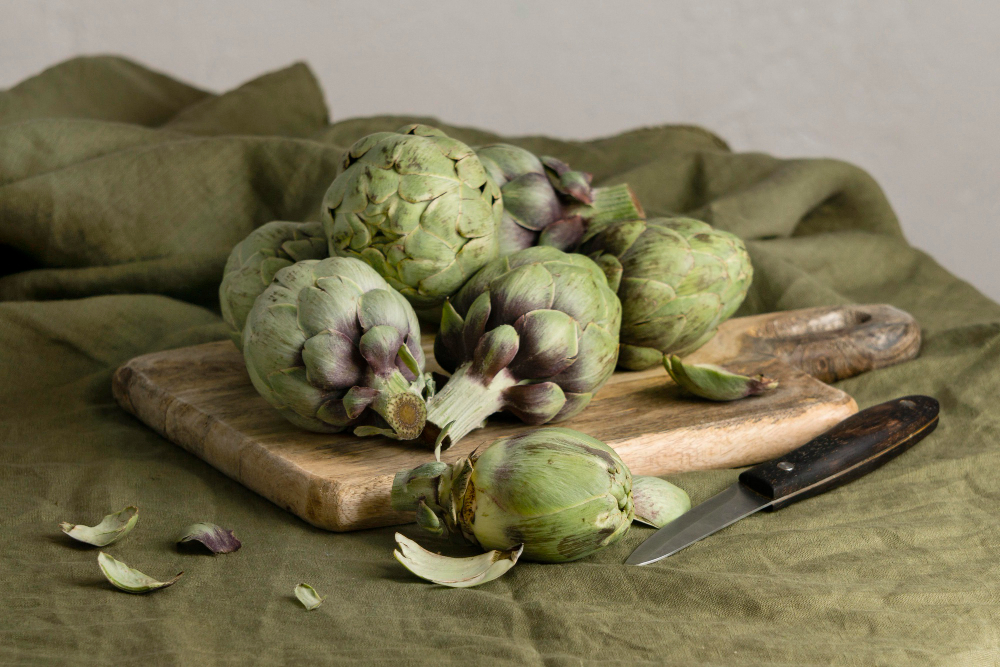
The Mediterranean region is known for its diverse culinary traditions, many of which are built around vegetables that have been cultivated and prepared for centuries. Alongside familiar ingredients such as olives, tomatoes, artichokes and aubergines, traditional Mediterranean cuisine also includes less common vegetables that deserve greater recognition. One such ingredient is cardoon, a striking plant related to the globe artichoke and valued for its thick, edible stalks. With its slightly bitter flavour, fibrous texture and ability to absorb sauces, cardoon has remained an important seasonal vegetable in parts of Spain, Italy, France and North Africa.
Scientifically known as Cynara cardunculus, cardoon belongs to the Asteraceae family, which also includes sunflowers, lettuce and thistles. Its appearance is distinctive, with large silvery-green leaves, prominent veins and tall flower stalks. Although the plant resembles a large thistle, it is cultivated specifically for its fleshy leaf stalks, which become tender when prepared correctly. Its flavour is often compared with artichokes, celery and asparagus, although it has a character of its own.
Cardoon has traditionally been used in braised dishes, soups, gratins and battered preparations. In some Mediterranean regions, it is served with rich sauces, while other recipes combine it with tomatoes, garlic, olive oil, cheese or nuts. Its preparation requires a little attention because the stalks contain fibres and can become discoloured after cutting. However, careful cleaning, peeling and cooking transform this unusual vegetable into a tender and flavourful ingredient.
Despite its long culinary history, cardoon is relatively unfamiliar in many modern food markets. Its renewed appeal comes from growing interest in traditional vegetables, seasonal cooking and regional food heritage. Exploring cardoon reveals not only an interesting ingredient but also the agricultural knowledge and culinary creativity of Mediterranean communities.
What Is Cardoon?
Cardoon is a perennial herbaceous plant cultivated for its large, fleshy leaf stalks. It is closely related to the globe artichoke, and both belong to the species Cynara cardunculus, although they are cultivated for different edible parts. Globe artichokes are primarily grown for their immature flower heads, whereas cardoons are selected for their thick stalks.
The plant can grow quite tall, developing broad, deeply divided leaves with prominent ribs. Depending on the variety, the leaves may have spiny edges, while the stalks can be broad, pale green or silvery. Some cultivated varieties have been selected to produce thicker, less fibrous stalks that are easier to prepare for cooking.
The edible portion is the fleshy central stalk, particularly the thick leaf ribs. These are harvested before the plant develops mature flower heads. The outer fibres are generally removed during preparation, leaving the more tender inner portion for cooking.
Cardoon has a flavour that combines mild bitterness with a subtle artichoke-like taste. When cooked slowly, its texture becomes tender, and it absorbs the flavours of sauces and seasonings. This makes it particularly suitable for preparations that involve braising, simmering or baking.
Historical Origins and Its Place in Mediterranean Food Culture
Cardoon has a long association with Mediterranean agriculture, where wild and cultivated forms of the plant have been used as food for generations. Its botanical relationship with the artichoke reflects a shared agricultural history in the region. Over time, farmers selected plants with desirable characteristics, including larger stalks and more suitable textures for cooking.
The plant became established in different Mediterranean food cultures, particularly in Italy, Spain and France. Its ability to grow in relatively dry climates made it suitable for traditional agricultural landscapes, although successful cultivation still depends on suitable soil, water and seasonal conditions.
In Italy, cardoon is especially associated with regional winter cooking. Piedmont is known for preparations in which cooked cardoon is served with bagna càuda, a warm sauce traditionally made with garlic, anchovies and olive oil. The vegetable’s mild bitterness and ability to absorb sauces make it a suitable accompaniment to this intensely flavoured preparation.
In Spain, cardoon is used in traditional winter dishes, particularly in regions such as Aragón and Navarra. It is commonly cooked with almonds, garlic, olive oil and other ingredients. These recipes demonstrate how a vegetable with a relatively subtle flavour can become the central component of a rich seasonal dish.
Cardoon also has a place in parts of North African and Mediterranean-influenced cooking, where it may be incorporated into vegetable stews and slow-cooked preparations. Its continued use in regional recipes reflects the importance of seasonal produce and the ability of traditional cuisines to make use of locally available plants.
Understanding the Plant and Its Edible Stalks
Cardoon is visually impressive because of its large leaves and thick central ribs. The plant can resemble an oversized thistle, especially when its spiny leaf edges are visible. However, cultivated cardoon varieties are grown with the intention of producing edible stalks rather than simply ornamental foliage.
The stalks are usually harvested while they are still relatively tender. Their outer surfaces may be fibrous, so preparation generally involves trimming the leaves, removing tough strings and cutting the stalks into manageable sections. The inner portions are more suitable for cooking because they have a softer texture.
Some traditional cultivation methods involve blanching the stalks before harvest. This means covering or shielding parts of the plant from direct sunlight so that the stalks become paler and less bitter. The practice also helps produce a more tender vegetable. Different regions and growers use different approaches, but the general purpose is to improve the eating quality of the edible ribs.
The stalks should not be confused with celery, even though their appearance can be similar. Cardoon generally has a stronger vegetal flavour, a more noticeable bitterness and a thicker, more fibrous structure. Its resemblance to artichoke is more apparent in its flavour after cooking.
Taste, Texture and Culinary Characteristics
Cardoon has a distinctive flavour that makes it particularly interesting in Mediterranean cooking. Its taste is mildly bitter, earthy and vegetal, with subtle notes that resemble artichoke. Some varieties are more delicate than others, while poorly prepared or older stalks can retain a stronger bitterness.
The texture is one of its defining characteristics. Raw cardoon is firm and fibrous, but cooking softens the stalks and makes them easier to chew. When properly peeled and simmered, the inner flesh becomes tender while maintaining enough structure to hold its shape in sauces and baked dishes.
Its natural flavour works particularly well with rich and savoury ingredients. Olive oil, garlic, butter, lemon, almonds and cheese are common accompaniments. Tomato-based sauces can also provide acidity that balances the vegetable’s mild bitterness.
Cardoon is especially suitable for slow cooking because its fibres need sufficient time to soften. Braising allows the stalks to absorb liquid and seasoning, while baking creates opportunities to combine them with creamy sauces and browned toppings. These characteristics explain why the vegetable has remained popular in traditional winter recipes.
How Cardoon Is Traditionally Prepared
Preparing cardoon requires more attention than preparing many familiar vegetables. Its stalks contain tough outer fibres, and the exposed flesh can darken when cut. Traditional cooking methods address these characteristics through careful trimming, peeling and immediate preparation.
Cleaning and Trimming the Stalks
Fresh cardoon stalks are separated from the main plant and washed thoroughly to remove soil and other surface impurities. The leaves and thin outer portions are trimmed away, leaving the thick central ribs.
The stalks are then cut into shorter pieces. Tough strings can be removed by peeling the outer surface with a vegetable peeler or carefully pulling away the fibrous strands. This step is important because the fibres may remain unpleasantly chewy after cooking.
The prepared pieces are often placed in water containing lemon juice or vinegar to slow down discolouration. Some traditional recipes also use salted or acidulated water during cooking to help maintain the pale appearance of the stalks.
Boiling and Blanching
Boiling is one of the most common ways to prepare cardoon. The trimmed stalks are simmered in water until they become tender. Cooking time depends on their thickness, age and variety.
Some cooks blanch cardoon before using it in another recipe. Blanching involves briefly boiling the stalks and then draining them. This can help soften their texture and reduce some of their bitterness.
Once cooked, cardoon can be served with olive oil and lemon, incorporated into a soup or used as the base for more elaborate dishes. Properly cooked stalks should be tender without becoming completely mushy.
Braising
Braising is particularly suitable for cardoon because it allows the stalks to soften gradually while absorbing the flavours of the cooking liquid. The prepared pieces are first combined with ingredients such as onions, garlic and olive oil before stock, tomato or another liquid is added.
The mixture is then cooked slowly until the cardoon becomes tender. Herbs and seasoning can be adjusted according to the regional recipe. The result is a savoury dish in which the stalks retain their identity while developing a deeper flavour.
Battering and Frying
In some Mediterranean traditions, cardoon is boiled until tender, coated in batter and fried. This preparation creates a contrast between the soft vegetable interior and the crisp outer coating.
The cooked stalks are dried before being dipped into a simple batter or flour mixture. They are then fried until golden. The result resembles a vegetable fritter, although the distinctive artichoke-like flavour remains noticeable.
Fried cardoon is often served as a snack, appetiser or part of a larger seasonal meal. Lemon juice can be added before serving to provide freshness and balance the richness of the fried coating.
Popular Traditional Cardoon Dishes Across the Mediterranean
Cardoon appears in several regional dishes, each reflecting local ingredients and cooking traditions. Its ability to work with olive oil, garlic, nuts and sauces has helped it become part of different Mediterranean food cultures.
Bagna Càuda with Cardoon — Italy
One of the best-known Italian preparations is cardoon served with bagna càuda, a traditional warm sauce from Piedmont. The sauce is generally prepared with garlic, anchovies and olive oil, although household variations exist.
Cooked cardoon stalks are dipped into the warm sauce, allowing their mild bitterness to balance its concentrated savoury flavour. The combination is associated with communal winter meals, where different vegetables are served alongside the sauce.
Cardoon with Almonds — Spain
In Spain, cardo con almendras is a traditional preparation particularly associated with winter and festive meals. Cooked cardoon is combined with almonds, garlic and a sauce that may be thickened with ground nuts or other ingredients.
The almonds contribute a creamy texture and gentle sweetness that balance the vegetable’s natural bitterness. The result is a rich but distinctive vegetable dish that highlights cardoon as a central ingredient rather than a simple accompaniment.
Cardoon Gratin — France and Italy
Cardoon is also suitable for gratins, particularly in cooking traditions that make use of creamy sauces and baked vegetable dishes. The cooked stalks are arranged in a baking dish, covered with a white sauce and sometimes topped with cheese or breadcrumbs.
Baking allows the sauce to thicken and develop a lightly browned surface. The tender vegetable provides a contrast to the creamy topping, creating a satisfying seasonal preparation.
Nutritional Value and Potential Health Benefits
Cardoon is a relatively low-energy vegetable that contributes dietary fibre, water and several micronutrients to the diet. Its nutritional composition varies according to the variety, growing conditions, maturity and cooking method. The edible stalks are particularly valued for their fibre content and their role in adding variety to vegetable-based meals.
Dietary fibre supports normal digestive function and contributes to a varied eating pattern. It can also help meals feel more satisfying. Cardoon’s fibrous structure is therefore one of its nutritional characteristics as well as an important consideration during cooking.
The vegetable also contains minerals such as potassium, which contributes to normal muscle function, nerve signalling and fluid balance. It provides smaller amounts of other nutrients, although the precise composition depends on the part consumed and how it is prepared.
Cardoon belongs to the same botanical group as globe artichokes. Plants in this group contain naturally occurring phenolic compounds, including cynarin and other caffeoylquinic acids, which have been studied for their antioxidant properties. However, the concentration of these compounds varies, and research involving isolated compounds or extracts should not be interpreted as proof that eating cardoon prevents or treats disease.
The vegetable’s mild bitterness is partly associated with its naturally occurring plant compounds. These contribute to its distinctive flavour and distinguish it from more neutral vegetables.
Cardoon is best enjoyed as one component of a varied diet. Its nutritional value should also be considered alongside the ingredients used to prepare it, as rich sauces, cheese and frying oils can significantly change the overall energy and fat content of a dish.
Cardoon in Vegetarian and Vegan Cooking
Cardoon is naturally suitable for vegetarian and vegan diets because the edible stalks are entirely plant-based. Its fibrous structure and ability to absorb flavours make it useful in dishes that require substantial vegetable ingredients.
A simple vegan preparation involves braising cardoon with olive oil, garlic, onions and vegetable stock. Lemon juice and fresh herbs can be added towards the end of cooking to balance its mild bitterness. The cooked stalks can be served with beans, lentils or roasted potatoes.
Cardoon can also be included in plant-based gratins. Instead of dairy-based cream, cooks can use cashew cream or another plant-based sauce, with breadcrumbs added to create a crisp surface. This approach maintains the traditional idea of a baked cardoon dish while making it suitable for vegan diets.
Another possibility is using cooked cardoon in vegetable fritters. The stalks can be combined with chickpea flour, herbs and seasoning before being pan-fried or baked. This creates a plant-based alternative to traditional battered preparations.
Its versatility makes cardoon particularly interesting for cooks who want to explore vegetables beyond the familiar range of carrots, potatoes, courgettes and aubergines.
Growing Cardoon in Mediterranean Climates
Cardoon is adapted to Mediterranean growing conditions and is generally cultivated in regions with relatively mild winters and warm summers. It prefers fertile, well-drained soil and sufficient space because the mature plant develops large leaves and a substantial structure.
The crop is usually grown from seeds or established plants. Its growing period allows the stalks to develop before harvesting, with seasonal timing depending on local climate and variety. In traditional cultivation, some growers blanch the stalks before harvest to improve tenderness and reduce bitterness.
Cardoon can tolerate periods of dry weather once established, although adequate moisture is important for producing fleshy stalks. Soil preparation, spacing and weed management all influence the quality of the harvested vegetable.
Its cultivation is connected to regional agricultural traditions, particularly in areas where winter vegetables remain an important part of local diets. Although cardoon is not as commercially widespread as many modern vegetables, it continues to be grown by specialist producers and traditional farms.
Why Cardoon Is Gaining Attention in Modern Cuisine
Cardoon’s renewed visibility is connected to the growing interest in forgotten vegetables, seasonal ingredients and regional food traditions. Many contemporary chefs are exploring ingredients that provide distinctive flavours and textures while connecting menus with local agricultural heritage.
Its appearance makes it visually interesting, while its mild bitterness creates opportunities for more complex flavour combinations. It can be served as a simple braised vegetable, incorporated into a creamy gratin or transformed into a crisp fried appetiser.
The vegetable also fits into the wider movement towards plant-based cooking. Its thick stalks provide a substantial texture that works well in vegetable-centred meals, while its flavour can be balanced with legumes, grains and fresh herbs.
Another reason for its appeal is its botanical connection to the globe artichoke. Consumers who enjoy artichokes may find cardoon an interesting alternative, although its preparation and texture are different. Introducing it into modern kitchens can help preserve knowledge about traditional crops that might otherwise become less familiar.
Conclusion
Cardoon is a distinctive Mediterranean vegetable that combines an unusual appearance with a delicate, slightly bitter flavour and versatile culinary properties. Closely related to the globe artichoke, it is cultivated primarily for its thick edible stalks, which become tender after careful cleaning and cooking.
Its traditional uses in Italian bagna càuda, Spanish cardoon with almonds and Mediterranean gratins demonstrate how regional cuisines have developed different ways to prepare this vegetable. It can also be braised, battered, fried or incorporated into soups, making it suitable for a wide range of vegetarian and vegan dishes.
Beyond its culinary qualities, cardoon contributes dietary fibre and several micronutrients while representing an important part of Mediterranean agricultural heritage. As interest in seasonal vegetables and traditional food cultures continues to grow, cardoon offers an opportunity to rediscover an ingredient that has long been valued in regional kitchens. Its return to contemporary cooking demonstrates that lesser-known vegetables can provide both culinary variety and a meaningful connection to food traditions.
Online Internship with Certificate
You may be interested
Ulluco — Andes: The Colourful Tuber with a Smooth Texture
Anshika Jain - October 30, 2026The Andean highlands of South America are home to an extraordinary variety of traditional crops that have sustained communities for generations. Among these lesser-known agricultural treasures is…

Oca — Andes: The Colourful Traditional Tuber with a Distinctive Tart Flavour
Anshika Jain - October 30, 2026The Andes are home to an extraordinary range of traditional crops that have supported mountain communities for centuries. Among these lesser-known agricultural treasures is oca, a colourful…
Salsify : Root Vegetable with Flavour and Rich Culinary Heritage
Anshika Jain - October 30, 2026European cuisine has a long history of using seasonal vegetables that are often overlooked in modern supermarkets. While potatoes, carrots, onions and parsnips remain familiar ingredients, several…
Most from this category
Ghapama: Armenia’s Festive Stuffed Pumpkin with Rice, Dried Fruits, and Nuts
Anshika Jain - October 29, 2026
Laverbread — Wales: Seaweed Delicacy Made from the Welsh Coast
Anshika Jain - October 30, 2026Ghapama: Armenia’s Festive Stuffed Pumpkin with Rice, Dried Fruits, and Nuts
Anshika Jain - October 29, 2026
Ulluco — Andes: The Colourful Tuber with a Smooth Texture
October 30, 2026
Salsify : Root Vegetable with Flavour and Rich Culinary Heritage
October 30, 2026
Laverbread — Wales: Seaweed Delicacy Made from the Welsh Coast
October 30, 2026

Leave a Comment