

Sea Beet: The Wild Coastal Green Connects European Food

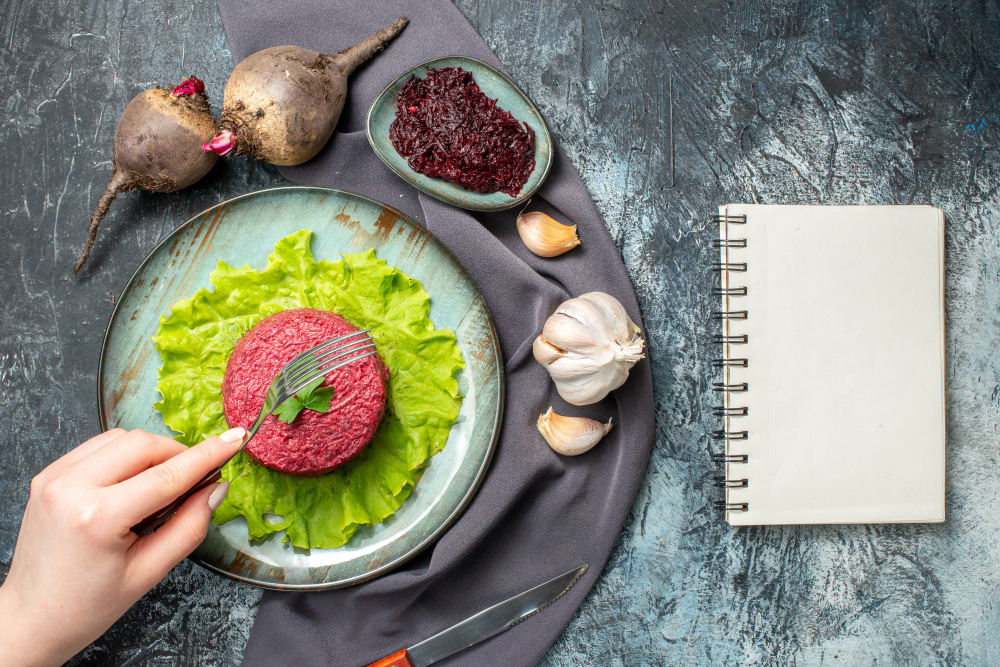
Along the rocky shorelines, sandy beaches and coastal cliffs of Europe grows a leafy plant that has quietly contributed to traditional food cultures for generations. Known as Sea Beet (Beta vulgaris subsp. maritima), this wild relative of cultivated beetroot, Swiss chard and sugar beet is valued for its edible leaves, distinctive earthy flavour and ability to thrive in challenging coastal environments. Although it rarely receives the attention given to familiar vegetables, sea beet represents an interesting connection between wild plant biodiversity, traditional cooking and modern interest in sustainable food sources.
Sea beet is native to coastal regions of Europe, North Africa and parts of western Asia. It is commonly found growing near beaches, cliffs, salt marshes and coastal paths, where it tolerates conditions that many cultivated vegetables cannot withstand. Its thick, fleshy leaves and natural resilience make it particularly interesting from both an agricultural and nutritional perspective. In traditional coastal communities, the leaves were collected and cooked as a seasonal green, often prepared in ways similar to spinach, chard and other leafy vegetables.
Today, sea beet attracts attention for several reasons. Its relationship with cultivated beetroot makes it important to botanical and agricultural research, while its natural salt tolerance offers potential insights into crop resilience. At the same time, its traditional culinary uses provide an example of how wild plants can contribute to regional food identities. Exploring sea beet therefore involves more than discovering an unfamiliar vegetable. It reveals how coastal ecosystems, food traditions and agricultural diversity are connected.
What Is Sea Beet?
Sea beet is a perennial or short-lived perennial herbaceous plant belonging to the Amaranthaceae family, which also includes cultivated beetroot, spinach and several other edible plants. Its botanical name is Beta vulgaris subsp. maritima. The term maritima refers to its association with maritime or coastal environments.
The plant is considered the wild ancestor or close wild relative of several important cultivated forms of Beta vulgaris. Through generations of selection and agricultural development, different forms of this species became important food crops. Beetroot was selected primarily for its enlarged storage root, while Swiss chard was cultivated for its broad leaves and fleshy leaf stalks. Sugar beet was developed for its high sugar content.
Unlike these domesticated varieties, sea beet generally has a more irregular growth pattern. Its leaves are often thick, glossy and dark green, sometimes with reddish colouring around the stems or veins. The leaves can vary considerably in shape and size depending on growing conditions, plant age and local population characteristics. The plant produces small, relatively inconspicuous flowers that develop into seed structures after flowering.
Its appearance may not be particularly dramatic, but sea beet has an important botanical history. It represents part of the genetic diversity from which familiar cultivated vegetables developed. This makes it valuable to researchers studying crop evolution, plant adaptation and the future improvement of agricultural varieties.
Where Does Sea Beet Grow?
Sea beet is strongly associated with coastal habitats across Europe. It can be found along the Atlantic coastline, the Mediterranean region, the North Sea and parts of the Baltic coastline. Its distribution extends into coastal areas of North Africa and western Asia, reflecting its ability to survive across different maritime climates.
The plant commonly grows in disturbed coastal environments, including shingle beaches, sandy areas, rocky shorelines, sea walls and cliffs. These locations can expose vegetation to strong winds, salt spray, changing moisture levels and nutrient-poor soils. Sea beet is adapted to these conditions and can establish itself in places where more delicate leafy vegetables would struggle.
One of its most interesting characteristics is its tolerance of saline conditions. Coastal plants regularly experience salt exposure through seawater spray, salty soils and occasional flooding. Sea beet possesses physiological mechanisms that help it manage this environmental stress. Its ability to maintain growth under such conditions makes it an important species for studying plant adaptation to salinity.
However, salt tolerance does not mean that sea beet grows equally well in every coastal environment. Soil structure, drainage, sunlight, temperature and competition from other plants all influence its development. Some populations may grow vigorously in exposed locations, while others remain smaller because of limited nutrients or water availability.
The Historical Relationship Between Sea Beet and Cultivated Vegetables
Sea beet has a particularly interesting place in the history of European agriculture because it is closely related to several vegetables that are now widely cultivated. The development of beetroot, chard and sugar beet demonstrates how human communities gradually selected wild plants for specific characteristics.
Early agricultural communities relied on available wild vegetation for food, particularly before modern crop varieties and commercial farming systems became established. Over time, people selected plants with desirable leaves, roots, stems or storage characteristics. These selections contributed to the development of different cultivated forms.
Beetroot became valued for its enlarged, edible root, which could be boiled, roasted, preserved and used in a variety of dishes. Chard was developed primarily for its broad leaves and substantial leaf stalks, making it useful as a leafy vegetable. Sugar beet eventually became an important industrial crop because of its high sucrose concentration.
Sea beet offers a glimpse into the genetic background of these crops. Its natural populations contain variations that may be useful in agricultural research, particularly when scientists investigate resistance to environmental stress, pests and diseases. In this way, a wild coastal plant can contribute to the long-term development of cultivated food varieties.
What Does Sea Beet Taste Like?
Sea beet has a flavour profile that is often compared with spinach and Swiss chard, although its taste can be more pronounced. Its leaves generally have a mild earthy character with a slightly mineral or salty impression, particularly when grown close to the sea. Younger leaves are often more tender and delicate, while mature leaves can become thicker and more substantial.
The flavour is influenced by plant age, growing conditions and preparation methods. Young leaves may work well in salads or lightly cooked dishes, while larger leaves are better suited to boiling, steaming, sautéing or incorporating into cooked recipes. Cooking helps soften the leaf structure and develop a more rounded flavour.
Sea beet should not automatically be considered salty simply because it grows near seawater. Its actual mineral composition varies according to environmental conditions, and the taste can differ between individual plants and locations. Some leaves may have a stronger earthy character, while others taste closer to cultivated chard.
Its versatility is one of its main culinary attractions. It can be used in many recipes that traditionally include spinach, chard or other robust leafy vegetables. This makes it relatively easy to introduce into contemporary cooking without requiring completely unfamiliar preparation techniques.
Traditional Culinary Uses Across European Coastal Regions
Sea beet has historically been collected as a wild leafy vegetable in different European coastal communities. Its use reflects a broader tradition of gathering edible plants from beaches, fields, hedgerows and other natural environments. Before modern food distribution networks became widespread, seasonal wild greens helped diversify household diets.
In parts of Britain and Ireland, sea beet has been traditionally gathered and prepared as a cooked green. Its leaves can be boiled or steamed and served alongside potatoes, fish or other everyday foods. The preparation is relatively simple because the plant already has a flavour that works well with basic ingredients.
Across Mediterranean coastal regions, sea beet can be incorporated into dishes influenced by the wider tradition of cooking wild greens. It may be sautéed with olive oil and garlic, mixed with onions or combined with other seasonal vegetables. Such preparations highlight the plant’s natural flavour without requiring complicated seasoning.
In contemporary European cooking, sea beet is sometimes used in vegetable tarts, savoury pastries, soups, pasta fillings and warm salads. Its leaves can also be combined with cheese, legumes, grains and herbs. Because it resembles cultivated chard in texture, it can replace chard in many recipes where a leafy vegetable is required.
These culinary applications demonstrate how wild plants can remain relevant even when commercial vegetables dominate modern food markets. Sea beet offers a distinctive regional ingredient while maintaining the practical versatility of a familiar leafy green.
Nutritional Profile of Sea Beet
Sea beet is a leafy green vegetable and can contribute several nutrients to a balanced diet. Like other plants in the beet and chard group, its leaves contain water, dietary fibre, vitamins, minerals and naturally occurring plant compounds. However, its exact nutritional composition can vary depending on the growing environment, maturity and preparation method. Detailed nutrient data for wild sea beet are less widely available than for commonly cultivated vegetables, so its nutritional value should not be assumed to be identical to spinach or Swiss chard.
Its leafy structure makes it a potential source of dietary fibre, which supports normal digestive function. Fibre contributes to stool regularity and helps maintain a healthy intestinal environment when consumed as part of a varied diet.
Sea beet may also provide vitamin C, which contributes to normal immune function and supports collagen formation. Vitamin C is sensitive to heat and prolonged cooking, so preparation methods can influence how much remains in the finished dish. Light steaming or brief sautéing may preserve more of this vitamin than extended boiling.
Leafy vegetables in the Beta vulgaris group are also associated with vitamin K, which contributes to normal blood clotting and bone metabolism. They may contain folate, which supports normal cell division and the formation of healthy blood cells. The quantity of these nutrients in sea beet can differ from that found in commercially grown chard or beetroot leaves.
Minerals such as potassium, magnesium, calcium and iron may also contribute to its nutritional profile. Their availability depends on soil composition and the plant’s ability to absorb and store nutrients. Sea beet can therefore add nutritional diversity to meals, although it should be treated as one component of a balanced diet rather than a complete source of essential nutrients.
Natural Plant Compounds and Antioxidant Potential
Like many leafy vegetables, sea beet contains naturally occurring phytochemicals that contribute to plant colour, structure and environmental defence. These compounds are of interest because some have antioxidant activity in laboratory studies.
Plants produce antioxidant compounds to protect their cells against oxidative stress caused by environmental conditions. Coastal plants such as sea beet must cope with strong sunlight, salt exposure, fluctuating moisture and other environmental challenges. Their natural protective mechanisms make them interesting subjects for research into plant physiology and food chemistry.
Species within the Beta vulgaris group may contain phenolic compounds, flavonoids and other secondary metabolites. These compounds can participate in antioxidant reactions, although their concentrations vary according to genetics, maturity, sunlight exposure and growing conditions.
It is important to distinguish laboratory antioxidant activity from proven health benefits in humans. The presence of plant compounds does not mean that eating sea beet can prevent or treat a particular disease. Its value is better understood as part of a varied diet that includes different vegetables, fruits, grains and other nutrient-rich foods.
How to Prepare Sea Beet at Home
Preparing sea beet is relatively straightforward when the plant has been obtained from a reliable food source. The leaves should first be examined and washed thoroughly to remove sand, soil and other coastal debris. Older or damaged leaves can be removed, while the tender leaves and suitable stems can be retained for cooking.
Young leaves can be used in salads if they are tender and have been safely harvested. Their earthy flavour pairs well with olive oil, lemon juice, fresh herbs and other mild ingredients. However, larger leaves generally benefit from cooking because heat softens their texture.
One simple preparation involves briefly steaming the leaves until they become tender. They can then be seasoned with olive oil, garlic and lemon juice. This approach allows the natural flavour of the plant to remain noticeable without overwhelming it with additional ingredients.
Sea beet can also be sautéed in a pan with onions, garlic and a small quantity of olive oil. The cooked leaves can be added to pasta, rice, savoury pies or vegetable fillings. Combining them with potatoes and legumes creates a more substantial dish, while adding them to soups provides colour and leafy texture.
The thicker stems may require slightly longer cooking than the leaves. Separating them before preparation helps achieve a more consistent texture. As with other leafy vegetables, excessive cooking can reduce some heat-sensitive nutrients and create a softer texture than intended.
Sea Beet and Sustainable Food Systems
Sea beet is interesting not only because of its culinary history but also because of its ability to survive in challenging environments. As climate change, soil degradation and water scarcity place increasing pressure on agriculture, researchers are exploring plants that possess natural tolerance to environmental stress.
Salinity is a major agricultural challenge in many parts of the world. Irrigation with saline water, poor drainage and rising groundwater salinity can gradually increase salt concentrations in agricultural soils. This can interfere with water absorption, damage plant cells and reduce crop productivity.
Sea beet provides a useful biological model for studying how plants manage salt exposure. Researchers can investigate how its roots, leaves and cellular processes respond to saline conditions and whether particular genetic characteristics could contribute to improving cultivated crops.
Its wild genetic diversity may also help plant breeders identify useful traits for developing more resilient beet varieties. Such research could support agricultural adaptation in areas where soil salinity is increasing. However, transferring traits from wild relatives into commercial crops requires careful breeding and testing.
Sea beet should not be viewed as a replacement for large-scale staple crops. Its importance lies in the genetic knowledge it can provide, its role in coastal biodiversity and its potential contribution to diversified food cultures. Protecting wild plant populations also helps preserve genetic resources that may become increasingly valuable as agricultural conditions change.
Harvesting Sea Beet: Safety and Environmental Responsibility
Although sea beet is an edible wild plant, harvesting it requires careful identification and attention to environmental conditions. It should never be collected solely on the basis of a photograph or general resemblance to cultivated beetroot or chard. Correct botanical identification is essential because other coastal plants may look similar but are not necessarily suitable for consumption.
Location is equally important. Plants growing near industrial discharge points, heavily polluted beaches, roads or contaminated waterways may accumulate unwanted substances. Coastal environments can also contain debris, animal waste and other contaminants. Washing the leaves cannot reliably remove every form of chemical contamination.
Harvesting should also follow local regulations. Some coastal habitats are protected, and collecting plants may be restricted or prohibited in conservation areas. Removing large quantities of vegetation can damage fragile ecosystems and reduce the ability of wild populations to regenerate.
Responsible harvesting involves taking only small amounts from abundant populations, leaving enough foliage for continued growth and avoiding damage to roots or surrounding vegetation. Purchasing sea beet from a knowledgeable specialist or reliable supplier may be a safer option for people who are unfamiliar with wild plant identification.
People with specific dietary restrictions should also consider the wider characteristics of leafy greens, including their naturally occurring oxalates and vitamin K content. Those taking medication that requires consistent vitamin K intake should seek appropriate dietary advice before making significant changes to their consumption of leafy vegetables.
Why Sea Beet Deserves More Attention in Modern Cuisine
Modern food culture increasingly values ingredients that offer a connection to regional traditions, natural ecosystems and sustainable food practices. Sea beet fits this interest because it combines an unusual coastal identity with the practical characteristics of a familiar leafy vegetable.
Chefs and home cooks can use it to introduce regional diversity into menus without relying on complicated preparation methods. Its flavour works with Mediterranean ingredients, traditional European vegetable dishes and contemporary plant-based recipes. It can also help revive interest in wild edible plants that were once part of everyday food traditions but became less familiar as commercial agriculture expanded.
Sea beet also creates opportunities for food education. Its relationship with beetroot and Swiss chard provides an accessible example of how domesticated crops developed from wild plant populations. Its salt tolerance offers an introduction to agricultural adaptation, while its coastal habitat highlights the relationship between food biodiversity and environmental conservation.
As interest in seasonal and locally sourced ingredients continues to develop, sea beet can be appreciated as more than an unfamiliar vegetable. It represents a connection between botanical heritage, culinary creativity and the future of resilient food systems.
Conclusion
Sea beet is a distinctive European coastal plant with an important place in the history of cultivated vegetables and traditional wild-food practices. As a close wild relative of beetroot and Swiss chard, it offers insight into the origins and development of familiar agricultural crops. Its thick, earthy leaves can be prepared in ways similar to spinach and chard, making it a versatile ingredient for soups, savoury dishes, vegetable sides and modern plant-based recipes.
Its significance extends beyond the kitchen. Sea beet’s natural tolerance of saline environments makes it valuable for studying plant adaptation and agricultural resilience. Its genetic diversity may help researchers understand how future crops could cope with changing environmental conditions, particularly increasing soil salinity.
Although it is not a substitute for a balanced and varied diet, sea beet can contribute leafy vegetables and plant compounds to everyday meals. Responsible identification, safe harvesting and respect for coastal ecosystems are essential when using it as a wild food.
Ultimately, sea beet demonstrates how a relatively overlooked coastal plant can connect European culinary heritage with modern concerns about biodiversity, nutrition and sustainable agriculture. Its story reminds us that some valuable food resources are not necessarily new discoveries; they are often plants that have been growing quietly in familiar landscapes for generations.
You may be interested
Yomogi Mochi: Japan’s Mugwort Rice Cake with a Distinctive Herbal Flavour
Anshika Jain - November 2, 2026Japanese cuisine is widely recognised for its attention to seasonal ingredients, delicate flavours and traditional food-making techniques. Among its many rice-based specialities, Yomogi Mochi holds a distinctive…
Rote Grutze: A red-fruit pudding made with berries and starch
Anshika Jain - November 2, 2026German cuisine features a wide range of traditional desserts that combine seasonal fruits, simple cooking techniques and regional ingredients. Among the most recognisable examples from northern Germany…

Ovocne Knedliky: Czech Fruit Dumplings and Their Place in European Cuisine
Anshika Jain - November 2, 2026Czech cuisine is known for its comforting traditional dishes, seasonal ingredients and distinctive approach to sweet and savoury cooking. Among its most beloved specialities is Ovocné knedlíky,…
Most from this category

Mazurek: A decorated, often very flat pastry topped with fruit preserves
Anshika Jain - November 2, 2026
Cardoon: Thistle Vegetable with Edible Stalks and Distinctive Flavour
Anshika Jain - October 30, 2026
Mazurek: A decorated, often very flat pastry topped with fruit preserves
Anshika Jain - November 2, 2026Kissel: A fruit-based dessert made with berries or other fruits
Anshika Jain - November 2, 2026Cardoon: Thistle Vegetable with Edible Stalks and Distinctive Flavour
Anshika Jain - October 30, 2026

Rote Grutze: A red-fruit pudding made with berries and starch
November 2, 2026



Leave a Comment