

Kissel: A fruit-based dessert made with berries or other fruits

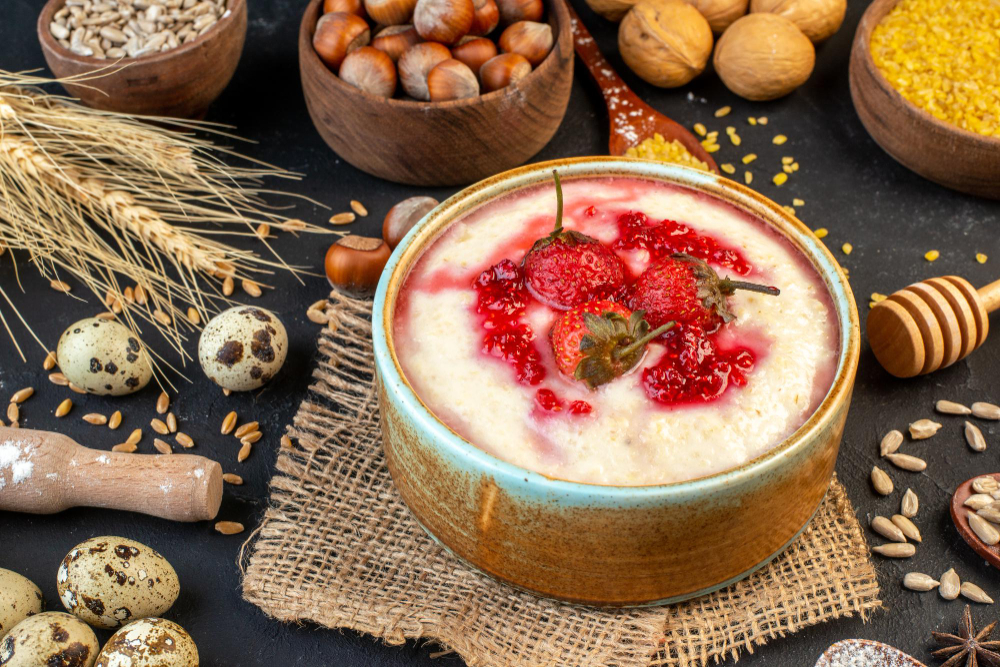
Eastern European cuisine is known for its rich collection of traditional desserts, many of which were developed using simple ingredients, seasonal fruits and practical cooking techniques. Among these lesser-known delicacies is Kissel, a fruit-based preparation traditionally made by cooking berries or other fruits with water, sugar and starch until the mixture develops a smooth, thick consistency. Popular in countries such as Russia, Poland, Ukraine, Belarus and Lithuania, kissel has remained an important part of regional food traditions for generations.
Unlike conventional puddings, custards or fruit jellies, kissel occupies a distinctive position between a beverage and a spoonable dessert. Its consistency can range from a light, drinkable liquid to a thick, glossy preparation that can be served in a bowl. This flexibility makes it suitable for different occasions, from everyday family meals to festive gatherings. Although berries are among its most traditional ingredients, kissel can also be prepared with cherries, apples, cranberries, currants and other fruits.
The appeal of kissel lies in its simplicity and adaptability. It does not require complicated equipment or expensive ingredients, yet it offers a combination of natural fruit flavour, gentle sweetness and a characteristic silky texture. Its history also reflects the agricultural and culinary practices of Eastern European communities, where preserving seasonal produce and creating affordable desserts were important parts of household cooking.
Today, kissel continues to attract attention among people interested in traditional European foods, fruit-based desserts and regional culinary heritage. Its preparation demonstrates how a basic ingredient such as starch can transform cooked fruit into a completely different eating experience.
What Is Kissel?
Kissel is a traditional fruit preparation made by cooking fruit or fruit juice with water and sweetener, followed by the addition of starch to create the desired thickness. Potato starch is commonly associated with traditional Eastern European preparations, although cornstarch and other starches may also be used in modern recipes.
The defining feature of kissel is its consistency. Unlike a conventional fruit compote, in which pieces of fruit remain suspended in a relatively thin liquid, kissel develops a smooth, thickened texture. Depending on the amount of starch added, it can be served as a refreshing drink, a pourable fruit sauce or a firm dessert that can be eaten with a spoon.
The flavour usually comes from the fruit itself. Berries such as raspberries, strawberries, blackcurrants, blueberries and cranberries are popular choices because they provide natural sweetness, acidity and vibrant colour. Apples, cherries and other fruits can also be used, producing different flavour profiles and textures.
Kissel is generally served chilled or at room temperature, although some regional and household variations may be enjoyed warm. It can be consumed independently or accompanied by milk, cream, yoghurt or other simple toppings.
The History and Cultural Importance of Kissel
Kissel has a long history in Eastern European food culture, particularly in Russia and neighbouring regions. Its origins are connected to traditional grain-based preparations that existed before fruit-and-starch versions became widely recognised. Early forms of kissel were often made using fermented grains such as oats, rye or peas, producing a thick and sometimes slightly sour preparation.
Over time, different regional cooking practices influenced how kissel was prepared. As fruit cultivation and preservation became increasingly important, berries and other fruits were incorporated into the dish. The development and wider availability of starch-based thickening techniques also helped create the smoother fruit preparations commonly associated with modern kissel.
In traditional households, kissel offered a practical way to use seasonal fruit. Berries collected during the warmer months could be cooked into a preparation that preserved much of their flavour and could be served as a dessert or refreshing drink. Depending on local traditions, fruit preparations could also be made with dried or preserved ingredients during colder seasons.
Kissel became particularly associated with home cooking because it required relatively inexpensive ingredients. Families could prepare it using whatever fruit was available, adjusting the amount of sugar and starch according to preference. This flexibility helped the dish remain relevant across different economic circumstances and regional food cultures.
In Russia, kissel is widely recognised as a traditional fruit preparation, while related versions are found across Poland, Ukraine, Belarus and the Baltic region. Although recipes and serving styles differ, the underlying idea remains similar: transforming fruit into a smooth, thickened dessert through controlled cooking.
The Main Ingredients Used in Traditional Kissel
The ingredients used in kissel are straightforward, but their quality and proportions influence the final result. Fruit forms the foundation of the preparation and determines its flavour, aroma and colour. Berries are especially popular because their natural acidity balances the sweetness of the dessert.
Raspberries produce a fragrant and mildly sweet kissel, while blackcurrants create a stronger flavour with noticeable tartness. Cranberries are suitable for people who prefer a more acidic preparation, whereas strawberries and blueberries produce gentler, sweeter variations. Cherries and apples offer additional possibilities, particularly when combined with berries.
Water is generally used to extract the flavour from whole fruit. Some recipes use fruit juice instead, which can create a more concentrated preparation. Sugar is added according to the natural sweetness of the fruit, although honey or other sweeteners may be used in modern variations.
Starch is the most important ingredient for achieving the characteristic consistency. Potato starch is commonly used in Eastern European recipes because it produces a glossy, relatively transparent texture. Cornstarch is another option, although it can create a slightly different appearance and mouthfeel.
The amount of starch determines whether the finished kissel is drinkable or thick enough to serve as a dessert. A smaller quantity creates a light preparation that can be poured into a glass, while a larger quantity produces a dense texture suitable for serving in bowls.
How Kissel Gets Its Distinctive Texture
The most interesting aspect of kissel is the transformation that takes place when starch is combined with hot fruit liquid. Starch granules contain molecules that absorb water and expand when heated. This process, known as gelatinisation, changes the physical structure of the liquid and increases its viscosity.
When starch is mixed directly into hot liquid, it may form lumps because the outer surface of the starch particles thickens before the remaining powder can disperse evenly. To avoid this problem, traditional and modern recipes generally recommend mixing starch with a small amount of cold water before adding it to the warm fruit preparation.
Once the starch mixture is incorporated, the liquid is heated carefully while being stirred. As the temperature rises, the starch absorbs moisture and creates a thicker, more uniform consistency. The cooking process must be controlled because excessive heating, particularly after thickening, can weaken some starch gels and make the final texture thinner.
The type of starch also influences the appearance and stability of the dessert. Potato starch generally produces a clear, glossy finish, while cornstarch often creates a more opaque preparation. These differences make it possible to adjust kissel according to personal preferences and the type of fruit being used.
The result is a dessert with a smooth texture that differs from ordinary fruit juice, syrup or jelly. Its consistency is one of the reasons kissel has remained distinctive within Eastern European cuisine.
Popular Fruit Variations of Kissel
Berry Kissel
Berry kissel is among the most familiar versions of this dessert. It can be made with a single fruit or a combination of berries, depending on seasonal availability. Raspberries, strawberries, blueberries, blackcurrants and cranberries are particularly suitable because they provide a balance of colour, aroma and acidity.
Mixed berry kissel is especially interesting because each fruit contributes a different flavour characteristic. Blackcurrants add intensity, strawberries provide sweetness and raspberries contribute fragrance. The resulting preparation has a layered flavour that does not depend on one particular fruit.
Cherry Kissel
Cherry kissel is popular in several Eastern European food traditions. Cherries create a rich red colour and a balanced sweet-and-sour taste. The fruit can be cooked whole and strained, or the juice can be used directly to create a smoother preparation.
Cherry kissel can be served chilled as a dessert or poured over pancakes and other simple sweet dishes. Its flavour also works well with yoghurt and cream.
Cranberry Kissel
Cranberry kissel is particularly suitable for people who enjoy tart fruit flavours. Cranberries contain natural organic acids that produce a sharper taste than many sweeter berries. Sugar is often added to balance this acidity, although the final sweetness can be adjusted according to preference.
The bright colour and refreshing flavour make cranberry kissel a distinctive option during colder months. It can be prepared using fresh or frozen cranberries, allowing the dessert to be enjoyed beyond the traditional berry season.
Apple Kissel
Apple kissel offers a milder alternative to strongly flavoured berry preparations. Apples can be simmered with water until their flavour is released, after which the liquid is strained and thickened with starch. Cinnamon or lemon may be added to create additional aroma and complexity.
The resulting dessert has a gentle sweetness and can be served warm or chilled. Apple-based versions are also useful when berries are unavailable or too expensive.
How to Prepare Traditional Berry Kissel at Home
Traditional berry kissel can be prepared without specialised kitchen equipment. Fresh or frozen berries can be used, making the recipe accessible throughout the year. The most important part of the process is controlling the starch concentration and heating the mixture carefully.
To prepare a basic version, berries are first placed in a saucepan with water and heated until they soften and release their juice. The mixture is then strained if a smooth, seed-free preparation is preferred. Sugar is added to balance the natural acidity, and the fruit liquid is returned to the saucepan.
Potato starch or cornstarch is mixed separately with cold water until it forms a smooth suspension. This mixture is gradually added to the warm fruit liquid while stirring continuously. The preparation is heated gently until it thickens, after which it is removed from the stove.
The finished kissel can be poured into individual serving bowls or glasses. It may be enjoyed warm, although chilling it allows the texture to develop further. A small amount of fresh fruit, cream or yoghurt can be added before serving.
The thickness should be adjusted according to the intended serving style. A drinkable kissel requires less starch, whereas a spoonable dessert needs a higher concentration. This makes the preparation highly adaptable to individual preferences.
Nutritional Characteristics of Kissel
The nutritional value of kissel depends largely on the fruit used, the quantity of added sugar and the type of starch. Fruit-based preparations can contribute vitamins, minerals and naturally occurring plant compounds, while starch provides carbohydrates and energy.
Berries such as blackcurrants, strawberries and cranberries contain vitamin C and various polyphenols. These compounds contribute to the nutritional characteristics of the fruit and are of interest in food science because of their antioxidant activity. However, the amount retained in the finished kissel depends on the cooking temperature, duration and preparation method.
The starch used for thickening contributes mainly carbohydrates. Unlike a whole-fruit preparation, kissel made from strained fruit juice may contain less dietary fibre because much of the fruit pulp and skin has been removed. Versions prepared with whole or partially crushed fruit can retain more of the original fruit material.
Added sugar is another important consideration. Traditional recipes may vary considerably in sweetness, and some commercially prepared products contain substantial amounts of added sugar. Preparing kissel at home allows the sweetener quantity to be controlled according to taste and dietary requirements.
Kissel should therefore be understood as a fruit-based dessert rather than a substitute for whole fruit. It can be included in a balanced diet, but its nutritional profile depends on how it is prepared and served.
Kissel in Modern Food Culture
Although kissel has traditional roots, it continues to offer possibilities for contemporary food preparation. Modern interest in regional cuisine, heritage recipes and naturally flavoured desserts has encouraged people to rediscover dishes that were once considered ordinary household foods.
Restaurants and home cooks can experiment with different fruit combinations, sweeteners and presentation styles. A thick berry kissel can be served with vanilla yoghurt, while a lighter version can function as a refreshing drink. It can also be used as a fruit layer in desserts, poured over pancakes or incorporated into chilled pudding preparations.
Modern recipes sometimes combine kissel with dairy ingredients to create a contrast between the tartness of fruit and the mild creaminess of milk or yoghurt. Other variations use reduced sugar or naturally sweet fruits to create a less sweet dessert.
There is also potential for experimentation with ingredients that are not traditionally associated with Eastern European kissel. Tropical fruits, seasonal local berries and combinations of citrus with apples can create new versions while preserving the basic starch-thickening technique.
Despite these modern adaptations, the identity of kissel remains connected to its characteristic texture and fruit-based preparation. Its appeal comes from the ability to create a satisfying dessert using a relatively small number of ingredients.
Kissel Compared with Other Fruit Desserts
Kissel is sometimes compared with fruit jelly, compote and pudding, but each preparation has a different structure and cooking method. Fruit compote generally consists of cooked fruit suspended in a relatively thin syrup. The fruit pieces remain visible, and the liquid is not necessarily thickened.
Fruit jelly usually depends on gelling agents such as gelatin, pectin or other substances that create a more structured consistency. Depending on the recipe, it may set into a firm shape that can be cut or served in slices.
Kissel is different because its defining texture comes from starch gelatinisation. It generally remains smooth and thick rather than developing the firm structure associated with many jellies. Its consistency can also be adjusted more easily by changing the amount of starch.
Compared with conventional pudding, kissel usually has a stronger fruit identity and a lighter flavour profile. It does not necessarily require milk, eggs or cream, making fruit-based versions suitable for people seeking a dairy-free dessert.
These distinctions help explain why kissel occupies a unique position in Eastern European culinary traditions. It combines the freshness of cooked fruit with the smoothness of a thickened dessert.
Why Kissel Remains Relevant Today
Kissel continues to be relevant because it combines affordability, flexibility and regional culinary identity. It demonstrates how traditional households used simple ingredients to create dishes that could adapt to changing seasons and available resources.
Its preparation also provides a practical example of food science. The transformation of starch into a thick, glossy liquid illustrates how heating and ingredient proportions influence the structure of food. This makes kissel interesting not only to cooks but also to people studying food technology and culinary science.
The dessert also supports the use of seasonal fruit. Fresh berries can be incorporated during harvest periods, while frozen or preserved fruit can be used throughout the year. This flexibility reduces the need to rely on a single ingredient or a fixed seasonal window.
For people exploring international desserts, kissel offers an alternative to more widely known puddings and fruit-based sweets. Its relatively simple preparation makes it accessible to beginners, while the wide range of possible fruits and serving styles provides opportunities for experimentation.
Conclusion
Kissel is a distinctive Eastern European fruit dessert that demonstrates how simple ingredients can create an unusual and satisfying culinary experience. Traditionally prepared with berries or other fruits, water, sugar and starch, it can range from a light beverage to a thick, spoonable dessert. Its silky texture, colourful appearance and adaptable flavour have helped it remain part of regional food traditions across Russia, Poland, Ukraine, Belarus and neighbouring areas.
Its history reflects the changing relationship between agriculture, food preservation and household cooking. Earlier grain-based preparations gradually developed into fruit-based versions, while regional ingredients and preferences created a wide variety of recipes. Today, berry, cherry, cranberry and apple kissel continue to demonstrate the versatility of this traditional dish.
Beyond its cultural importance, kissel offers an interesting example of starch gelatinisation and the role of food structure in culinary preparation. It can also contribute fruit-derived nutrients, although its nutritional value depends on the ingredients, sugar content and cooking method.
Ultimately, kissel deserves recognition as more than an unfamiliar regional dessert. It represents Eastern European culinary heritage, seasonal fruit traditions and the creativity of home cooking. Its simple preparation and adaptable nature make it a valuable addition to the wider world of traditional international desserts.
Online Internship with Certificate
You may be interested
Yomogi Mochi: Japan’s Mugwort Rice Cake with a Distinctive Herbal Flavour
Anshika Jain - November 2, 2026Japanese cuisine is widely recognised for its attention to seasonal ingredients, delicate flavours and traditional food-making techniques. Among its many rice-based specialities, Yomogi Mochi holds a distinctive…
Rote Grutze: A red-fruit pudding made with berries and starch
Anshika Jain - November 2, 2026German cuisine features a wide range of traditional desserts that combine seasonal fruits, simple cooking techniques and regional ingredients. Among the most recognisable examples from northern Germany…

Ovocne Knedliky: Czech Fruit Dumplings and Their Place in European Cuisine
Anshika Jain - November 2, 2026Czech cuisine is known for its comforting traditional dishes, seasonal ingredients and distinctive approach to sweet and savoury cooking. Among its most beloved specialities is Ovocné knedlíky,…
Most from this category

Mazurek: A decorated, often very flat pastry topped with fruit preserves
Anshika Jain - November 2, 2026
Cardoon: Thistle Vegetable with Edible Stalks and Distinctive Flavour
Anshika Jain - October 30, 2026
Mazurek: A decorated, often very flat pastry topped with fruit preserves
Anshika Jain - November 2, 2026Cardoon: Thistle Vegetable with Edible Stalks and Distinctive Flavour
Anshika Jain - October 30, 2026

Rote Grutze: A red-fruit pudding made with berries and starch
November 2, 2026



Leave a Comment