

Ovocne Knedliky: Czech Fruit Dumplings and Their Place in European Cuisine

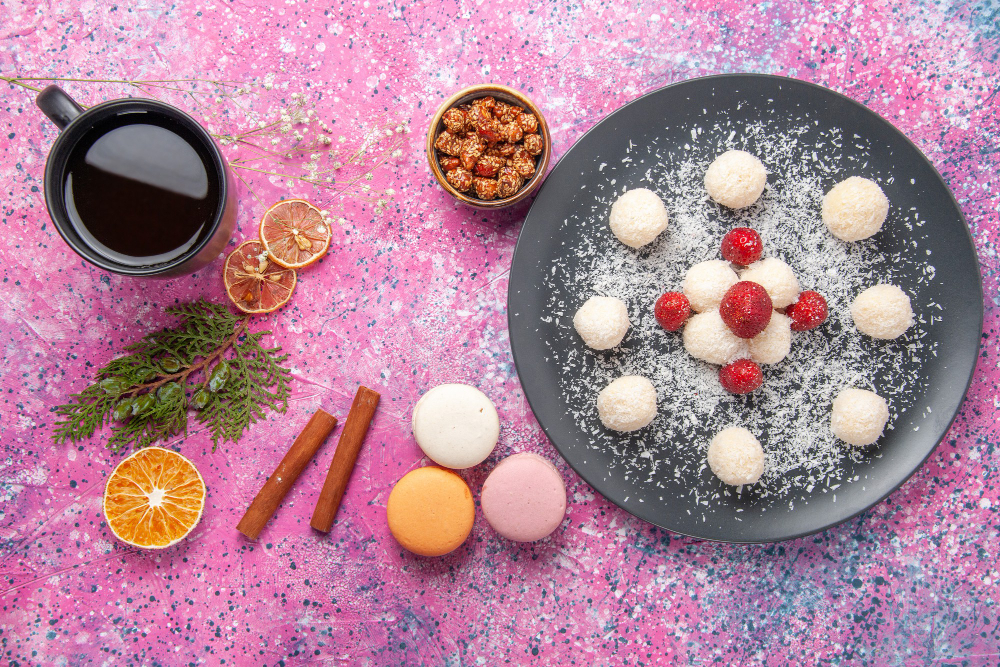
Czech cuisine is known for its comforting traditional dishes, seasonal ingredients and distinctive approach to sweet and savoury cooking. Among its most beloved specialities is Ovocné knedlíky, a traditional Czech dish consisting of soft dumplings filled with fresh or preserved fruit. Often served with melted butter, sugar, soft cheese or other toppings, these fruit-filled dumplings occupy a unique position in Czech food culture. Unlike many desserts that are prepared as cakes, pastries or puddings, Ovocné knedlíky combine a tender dough with a warm fruit centre, creating a dish that can be enjoyed as a dessert, a sweet main course or a substantial afternoon meal.
The name ovocné knedlíky translates broadly as “fruit dumplings” in Czech. These dumplings are commonly made with fruits such as plums, strawberries, apricots, blueberries and cherries, depending on the season and regional preferences. Their dough can be prepared using flour, potatoes, quark-style cheese or other ingredients, resulting in different textures and flavours. Some versions are light and delicate, while others are slightly denser and more filling.
One of the most interesting aspects of this dish is its versatility. It can be prepared using traditional dairy-based ingredients or adapted with plant-based alternatives. The fruit filling provides natural sweetness and acidity, while toppings such as sugar, butter and soft cheese create a rich contrast. This combination reflects the resourcefulness of Central European home cooking, where simple ingredients are transformed into satisfying meals through careful preparation.
Beyond its taste, Ovocné knedlíky represent an important part of Czech culinary heritage. They are associated with family meals, seasonal fruit harvests and traditional cooking practices that have been passed down through generations.
What Are Ovocné Knedlíky?
Ovocné knedlíky are Czech fruit dumplings made by wrapping fruit inside a soft dough and cooking the shaped dumplings in boiling water or, in some variations, steaming them. Once cooked, they are served with toppings that complement the sweetness of the fruit and the mild flavour of the dough.
The preparation begins with a dough that is soft enough to surround the fruit but firm enough to maintain its shape during cooking. Depending on the recipe, the dough may contain wheat flour, potatoes, fresh cheese or quark, eggs and butter. The fruit is placed in the centre, and the dough is carefully sealed around it to create a round or slightly oval dumpling.
After cooking, the dumplings become tender and slightly elastic. When cut open, they reveal a warm fruit filling that may release juice into the surrounding dough. The finished dish is commonly topped with melted butter, powdered sugar, grated soft cheese, sweetened curd cheese or ground poppy seeds.
Ovocné knedlíky are not restricted to one specific recipe. Different Czech households use different doughs and fillings, making the dish adaptable to the ingredients available throughout the year. This variation is one reason it continues to be popular in both traditional kitchens and modern restaurants.
Historical Background of Fruit Dumplings in Czech Cuisine
Dumplings have a long history throughout Central Europe, where they developed into an important category of everyday and festive cooking. In Czech cuisine, dumplings are particularly significant and appear in many forms, including bread dumplings, potato dumplings and sweet fruit-filled varieties.
The development of fruit dumplings is closely connected with agricultural life and seasonal food availability. Fruit-growing regions provided households with ingredients that could be incorporated into dough-based meals. During the summer and early autumn, fresh strawberries, plums, apricots and other fruits were widely used in home cooking. Wrapping fruit in dough offered a practical way to create a filling meal while making use of seasonal produce.
Historically, dumplings also reflected the need to prepare satisfying food from relatively accessible ingredients. Flour, potatoes, dairy products and locally grown fruits formed the foundation of many household recipes. Rather than treating fruit exclusively as a separate dessert, Czech cooking incorporated it into dishes that could serve as a complete meal.
Over time, Ovocné knedlíky became established as a recognisable feature of Czech cuisine. They are now associated with family traditions, regional food culture and the country’s broader Central European culinary identity. Although modern preparation methods and ingredient combinations have expanded, the essential idea remains unchanged: fruit enclosed in soft dough and served with complementary toppings.
Traditional Ingredients Used in Ovocné Knedlíky
The ingredients used in fruit dumplings vary according to the type of dough, the fruit filling and the preferred serving style. However, the dish generally combines a dough base, fresh fruit and a selection of toppings.
The Dumpling Dough
The dough is responsible for giving Ovocné knedlíky their characteristic texture. One traditional approach uses flour, eggs, milk or water and a small amount of fat to produce a soft dough. Another common style uses quark or fresh curd cheese, which gives the dumplings a tender texture and a slightly tangy flavour.
Potato-based dough is also used in some recipes. Cooked and mashed potatoes can be combined with flour and other ingredients to produce dumplings that are softer and more substantial. The choice of dough affects the final result, with flour-based versions often having a more elastic structure and cheese-based versions tending to be more delicate.
The consistency of the dough is particularly important. If it is too sticky, shaping the dumplings becomes difficult. If it is too firm, the cooked exterior may become dense. A properly prepared dough should be soft and manageable, allowing it to surround the fruit without tearing.
Fresh and Seasonal Fruits
Fruit is the central ingredient of Ovocné knedlíky, and the selection often depends on the season. Strawberries are popular during early summer, while apricots, plums, blueberries and cherries offer different flavour possibilities.
Strawberries provide a sweet and slightly acidic filling that releases juice when heated. Apricots produce a softer, fragrant centre, while plums offer a deeper sweetness that works particularly well with poppy seeds and butter. Blueberries create a juicy filling, and cherries provide a balance of sweetness and acidity.
Some recipes use whole small fruits, while larger fruits may be cut into suitable pieces and, when necessary, have their stones removed. The fruit should be sufficiently firm to withstand handling and cooking without completely disintegrating.
Butter, Sugar and Soft Cheese
The toppings are an essential part of the dish because they provide additional flavour and richness. Melted butter is frequently poured over the cooked dumplings, helping the sugar and other toppings adhere to their surface.
Sugar may be sprinkled over the dumplings or mixed with other ingredients to create a sweeter finish. Powdered sugar is particularly useful because it distributes easily across the surface.
Soft cheese or curd cheese is another characteristic accompaniment. It adds a mild tanginess that balances the sweetness of the fruit and dough. Some versions use sweetened quark, while others feature finely grated or crumbled cheese.
Ground poppy seeds, toasted breadcrumbs and cinnamon may also appear in certain preparations. These additions introduce different textures and aromas, demonstrating how a relatively simple dish can be adapted to suit individual preferences.
How Ovocné Knedlíky Are Traditionally Prepared
Preparing Ovocné knedlíky requires attention to dough consistency, fruit selection and cooking time. Although the ingredients are generally straightforward, the dumplings must be shaped carefully to prevent the fruit from escaping during cooking.
The process begins with preparing the dough. In a flour-based recipe, flour is combined with the required liquid, eggs and other ingredients until a soft, workable mixture forms. In a quark-based version, fresh cheese is mixed with flour and the remaining ingredients to create a tender dough. Potato-based recipes begin with cooked potatoes that are mashed and allowed to cool before being combined with flour.
Once the dough is ready, it is divided into smaller portions. Each portion is flattened into a disc, creating enough space to place a piece of fruit in the centre. The dough is then brought together around the fruit and sealed carefully. The dumplings are shaped into round or oval forms, depending on the recipe and the size of the filling.
The shaped dumplings are generally placed into gently boiling water. They are cooked until the dough is fully prepared and the dumplings rise or become appropriately firm, depending on the dough type and cooking method. Cooking time varies according to their size and composition, so it is important to follow the requirements of the particular recipe rather than relying on one fixed duration.
After cooking, the dumplings are removed carefully and allowed to drain. They are then served warm with melted butter, sugar, soft cheese or other toppings. Some cooks gently pierce or cut the dumplings after cooking to release steam and prevent them from becoming overly dense.
The result is a soft exterior surrounding a warm fruit centre, with toppings that enhance the flavour and create a satisfying combination of textures.
Popular Varieties of Ovocné Knedlíky
The diversity of Czech fruit dumplings is reflected in their fillings and dough preparations. Different fruits create distinct flavours, while toppings can transform the same basic recipe into several variations.
Strawberry Dumplings
Strawberry dumplings are among the most familiar summer varieties. Fresh strawberries are enclosed in a soft dough and cooked until tender. When opened, the fruit releases its juices, creating a naturally sweet centre.
They are commonly served with melted butter, sugar and soft curd cheese. The mild acidity of strawberries balances the richness of the dough and dairy toppings, making this version particularly popular during the strawberry season.
Plum Dumplings
Plum dumplings are another traditional variation, especially valued for their rich fruit flavour. Whole plums or pitted plum pieces are wrapped in dough and cooked until soft. Their natural sweetness becomes more pronounced during cooking, while their slightly tart character prevents the filling from becoming excessively sweet.
Plum dumplings are often served with melted butter, sugar and ground poppy seeds. The combination of plums and poppy seeds is particularly associated with Central European sweet dishes and gives the dumplings a distinctive flavour.
Apricot Dumplings
Apricot dumplings offer a fragrant and mildly tangy alternative. The fruit softens during cooking and develops a juicy consistency that works well with cheese-based dough.
Some recipes place a small amount of sugar inside the apricot before sealing it in the dough. This enhances sweetness, especially when the fruit is slightly tart. Butter and powdered sugar are common finishing ingredients.
Blueberry Dumplings
Blueberry dumplings are valued for their deep colour and juicy filling. The berries soften during cooking, creating a concentrated fruit centre. Their flavour is generally sweet with a mild acidity, which pairs well with curd cheese and butter.
Because blueberries can release liquid when heated, the dough must be sealed properly to prevent leakage. Their rich colour also makes them visually appealing when the dumplings are cut open.
Cherry Dumplings
Cherry dumplings provide another popular seasonal variation. Pitted cherries are wrapped in dough and cooked until soft. Their flavour can range from sweet to slightly sour, depending on the variety used.
They are often served with sugar, butter or soft cheese. Cherries also pair well with cinnamon and other warm spices, offering an alternative to the more familiar strawberry and plum versions.
Plant-Based Ovocné Knedlíky: A Modern Adaptation
Traditional fruit dumplings often contain dairy products and eggs, but plant-based versions can be prepared by replacing these ingredients with suitable alternatives. This makes the dish more accessible to people following vegan diets or avoiding particular animal-derived ingredients.
The dough can be made using plant-based milk, water or another suitable liquid instead of dairy milk. Dairy butter can be replaced with plant-based baking fat, while egg-free recipes may rely on the natural binding properties of flour, potatoes or other ingredients. The exact combination depends on the type of dough being prepared.
A plant-based version can also use dairy-free yoghurt or a suitable plant-based curd-style alternative in place of traditional quark. These ingredients can contribute moisture and tenderness, although their consistency varies between products. The dough may therefore require small adjustments to the quantity of flour or liquid.
The toppings can be adapted just as easily. Melted plant-based butter can replace dairy butter, while powdered sugar, fruit sauces, toasted nuts and dairy-free yoghurt can provide additional flavour. Ground poppy seeds and cinnamon are naturally suitable additions when prepared without animal-derived ingredients.
The fruit filling generally requires little modification because fresh strawberries, plums, apricots, cherries and blueberries are already plant-based. This makes Ovocné knedlíky particularly suitable for adaptation without changing the dish’s central identity.
The main challenge is achieving the correct dough texture. Egg-free and dairy-free doughs may behave differently during shaping and cooking. Careful measurement and gentle handling help prevent the dumplings from becoming too fragile or dense.
Taste, Texture and Culinary Appeal
The appeal of Ovocné knedlíky comes from the contrast between the soft dough, juicy fruit filling and rich toppings. The exterior is generally tender and slightly chewy, although its exact texture depends on whether the dough is made from flour, potatoes or fresh cheese.
The fruit centre introduces moisture and natural sweetness. When the dumplings are opened, the warm filling can blend with melted butter and sugar, producing a simple but satisfying combination. Soft cheese adds a mild tanginess that balances the sweetness, while poppy seeds and toasted breadcrumbs provide additional texture.
Each fruit produces a slightly different eating experience. Strawberries create a fresh and delicate flavour, plums offer a deeper sweetness, and apricots introduce a fragrant fruit character. Blueberries and cherries provide juicy fillings that contrast particularly well with mild dough.
The dish is also appealing because it can be adjusted to different preferences. People who prefer less sweetness can use naturally sweet fruit and reduce the amount of added sugar. Those who enjoy richer desserts can add butter, sweetened cheese or other toppings.
Nutritional Characteristics of Fruit Dumplings
The nutritional composition of Ovocné knedlíky depends on the dough, fruit, toppings and portion size. Because the dish combines flour or potatoes with fruit and sometimes dairy products, it provides a mixture of carbohydrates, fats and varying amounts of protein.
Flour and potatoes are the main sources of carbohydrates in many versions. Fruit contributes naturally occurring sugars, water and plant compounds, while dairy-based doughs and toppings may provide protein, calcium and other nutrients. Butter increases the fat and energy content, while added sugar contributes additional carbohydrates.
The fruit filling can provide vitamins, minerals and naturally occurring plant compounds. Berries, for example, contain various polyphenols, while apricots and plums contribute different micronutrients. However, the amount of fruit in each dumpling and the cooking process influence the nutritional value of the finished dish.
Soft cheese can increase the protein content, depending on the type and quantity used. Plant-based alternatives may have different nutritional profiles, so their protein, calcium and fat content should be considered separately rather than assumed to match dairy products.
Ovocné knedlíky can be included in a varied diet, but their overall nutritional balance depends on preparation. Versions containing large quantities of butter, sugar or sweetened toppings are more energy-dense than simpler preparations. Using fresh fruit, moderate amounts of added sugar and suitable dough ingredients can create a less rich version without removing the dish’s traditional character.
Ovocné Knedlíky in Modern Czech Food Culture
Ovocné knedlíky continue to be prepared in Czech households and served in restaurants that feature traditional national cuisine. Their popularity reflects the lasting appeal of dishes that combine familiar ingredients with seasonal cooking.
Modern chefs sometimes experiment with alternative doughs, new fruit combinations and contemporary presentation styles. Seasonal berries may be combined with citrus, vanilla or herbs, while plant-based versions introduce new possibilities for people with different dietary preferences. Some restaurants also serve smaller dumplings as dessert portions rather than as a complete sweet meal.
Despite these changes, traditional ingredients remain important. Fresh fruit, soft dough and simple toppings continue to define the dish. Its preparation also maintains a connection with home cooking, where recipes are often adjusted according to family preferences and the availability of seasonal produce.
The dish has also gained attention among people interested in exploring Central European cuisine. Its combination of familiar ingredients and distinctive preparation makes it an accessible introduction to Czech culinary traditions.
How Ovocné Knedlíky Differ from Other Fruit Desserts
Fruit-filled dumplings share similarities with several traditional dishes from Central and Eastern Europe, but their structure makes them distinctive. Unlike fruit pies, where fruit is placed inside a pastry crust and baked, Ovocné knedlíky surround individual fruit portions with soft dough and cook them in water or by steaming.
They also differ from conventional filled pastries because the dough is usually tender and relatively thick rather than crisp and flaky. The fruit is enclosed within the dumpling instead of being spread across a flat surface.
Other Central European cuisines also have fruit-filled dumplings, reflecting shared culinary influences across the region. However, Czech Ovocné knedlíky have their own established place in national food culture, with particular dough styles and serving traditions.
Their ability to function as both a sweet main course and a dessert further distinguishes them from many familiar fruit-based sweets. This combination of practicality, flavour and cultural identity has helped preserve their popularity.
Conclusion
Ovocné knedlíky are much more than ordinary fruit dumplings. They represent an important part of Czech culinary heritage, combining seasonal fruit, soft dough and simple toppings to create a dish that is both comforting and versatile. From strawberry and apricot fillings to traditional plum and blueberry variations, the dumplings demonstrate how local ingredients can be transformed into a memorable culinary speciality.
Their connection with seasonal fruit harvests and family cooking traditions gives them cultural significance beyond their flavour. At the same time, the flexibility of the recipe allows modern cooks to experiment with different fruits, dough preparations and toppings. Plant-based adaptations further demonstrate that traditional dishes can evolve to accommodate changing dietary preferences.
Whether served with melted butter, sugar, soft cheese or plant-based alternatives, Ovocné knedlíky remain a distinctive example of Czech food culture. Their combination of tender dough and warm fruit filling continues to make them a cherished dish in Central European cuisine.
Online Internship with Certificate
You may be interested
Yomogi Mochi: Japan’s Mugwort Rice Cake with a Distinctive Herbal Flavour
Anshika Jain - November 2, 2026Japanese cuisine is widely recognised for its attention to seasonal ingredients, delicate flavours and traditional food-making techniques. Among its many rice-based specialities, Yomogi Mochi holds a distinctive…
Rote Grutze: A red-fruit pudding made with berries and starch
Anshika Jain - November 2, 2026German cuisine features a wide range of traditional desserts that combine seasonal fruits, simple cooking techniques and regional ingredients. Among the most recognisable examples from northern Germany…
Mazurek: A decorated, often very flat pastry topped with fruit preserves
Anshika Jain - November 2, 2026Polish cuisine is known for its diverse collection of traditional baked goods, festive desserts and regional delicacies. Among these specialities, Mazurek holds a distinctive place because of…
Most from this category
Cardoon: Thistle Vegetable with Edible Stalks and Distinctive Flavour
Anshika Jain - October 30, 2026
Kissel: A fruit-based dessert made with berries or other fruits
Anshika Jain - November 2, 2026Cardoon: Thistle Vegetable with Edible Stalks and Distinctive Flavour
Anshika Jain - October 30, 2026
Rote Grutze: A red-fruit pudding made with berries and starch
November 2, 2026
Kissel: A fruit-based dessert made with berries or other fruits
November 2, 2026

Leave a Comment