

Yomogi Mochi: Japan’s Mugwort Rice Cake with a Distinctive Herbal Flavour

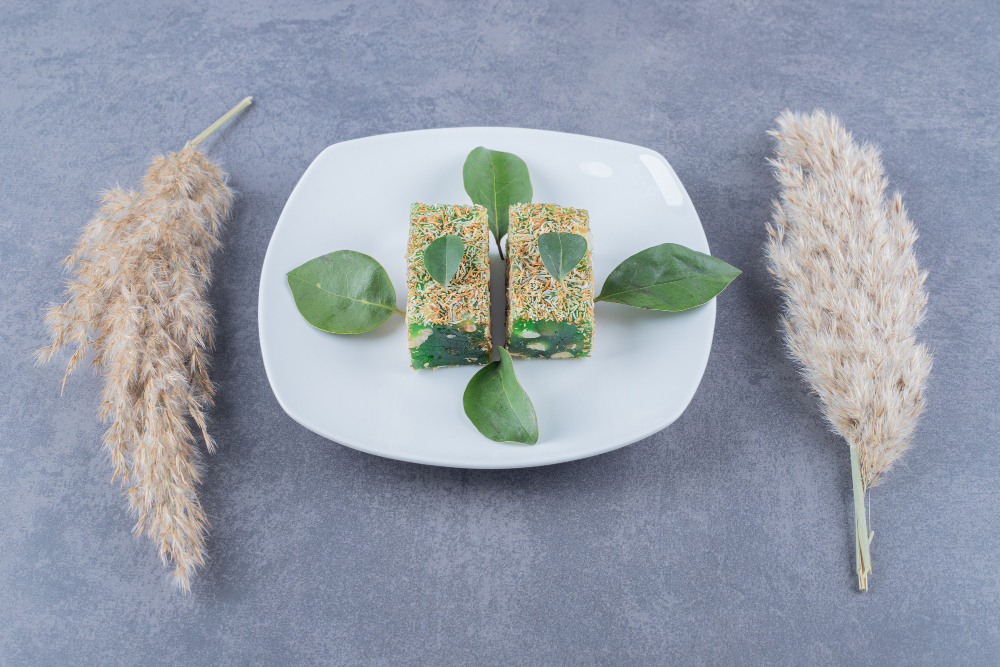
Japanese cuisine is widely recognised for its attention to seasonal ingredients, delicate flavours and traditional food-making techniques. Among its many rice-based specialities, Yomogi Mochi holds a distinctive place because of its natural green colour, chewy texture and characteristic herbal aroma. This traditional Japanese rice cake is prepared using glutinous rice or glutinous rice flour combined with yomogi, the Japanese name for Japanese mugwort. It is often filled with sweet red bean paste and enjoyed as a seasonal confection, particularly during spring.
Unlike ordinary sweet rice cakes that depend primarily on sugar and fillings for their flavour, Yomogi Mochi has a distinctive taste contributed by mugwort. The herb introduces an earthy, grassy and slightly bitter note that balances the sweetness of the rice cake and its filling. Its green appearance also distinguishes it from many other varieties of Japanese mochi, making it visually associated with springtime and traditional Japanese confectionery.
Yomogi Mochi demonstrates how a familiar ingredient such as glutinous rice can be transformed through the addition of a locally valued plant. Its preparation combines the techniques of Japanese rice-cake making with the culinary use of mugwort, creating a dessert that reflects the relationship between food, nature and seasonal traditions.
Today, Yomogi Mochi continues to be enjoyed in Japanese households, traditional sweet shops and seasonal food markets. Although modern versions may use different fillings and preparation methods, the combination of chewy rice dough and mugwort remains central to its identity.
What Is Yomogi Mochi?
Yomogi Mochi is a traditional Japanese confection made by incorporating yomogi, or Japanese mugwort, into a soft and chewy rice cake. The term yomogi refers to a plant commonly identified as Artemisia princeps, while mochi describes the characteristic Japanese preparation made from glutinous rice or glutinous rice flour.
The defining feature of this confection is its green colour and herbal flavour. Mugwort is processed and mixed into the rice dough, giving the finished mochi an earthy aroma and a slightly bitter taste. The intensity of the flavour depends on the amount of herb used and how it is prepared.
Many versions contain a sweet filling made from anko, a Japanese sweet red bean paste traditionally prepared using azuki beans and sugar. The contrast between the mild sweetness of the rice dough, the herbal character of mugwort and the rich bean filling creates a balanced flavour.
Yomogi Mochi is sometimes shaped into small round cakes, while other versions are flattened or formed into different traditional shapes. Its texture is soft, elastic and pleasantly chewy, which is one of the defining characteristics of Japanese mochi.
Although it is commonly associated with spring, the confection is not limited to one particular occasion. It can be found in different forms throughout the year, depending on regional customs and seasonal availability.
Understanding Yomogi: The Mugwort Behind the Green Colour
Yomogi is a Japanese mugwort traditionally used in cooking and other aspects of Japanese food culture. It is an aromatic plant belonging to the Artemisia genus, which includes several species found across different parts of the world.
Japanese mugwort has narrow green leaves and a noticeable herbal fragrance. Its flavour is often described as grassy, earthy and slightly bitter. These characteristics make it suitable for adding depth to rice cakes, noodles and other traditional preparations.
In Yomogi Mochi, the plant is generally used after its leaves have been prepared to soften their texture and make them easier to incorporate into the dough. Fresh leaves may be blanched and finely chopped or pounded into a paste. Dried yomogi powder is also used in modern preparations because it is convenient to store and measure.
The herb does more than provide colour. Its aromatic compounds contribute to the distinctive flavour of the confection, creating a contrast with the sweetness of red bean paste. This combination gives Yomogi Mochi a character that differs from plain mochi and other sweet rice cakes.
The use of mugwort also reflects a broader feature of Japanese cuisine: the incorporation of seasonal plants into everyday and celebratory foods. Rather than treating herbs only as savoury ingredients, traditional Japanese cooking often uses them to create subtle flavours and distinctive visual characteristics in sweets.
Historical Background and Cultural Significance in Japan
Mochi has a long history in Japan and is closely associated with traditional celebrations, seasonal customs and religious practices. Rice has played an important role in Japanese food culture for centuries, and glutinous rice preparations developed into a wide range of foods, including ceremonial rice cakes and everyday confections.
Mochi is traditionally prepared by steaming glutinous rice and pounding it until it becomes a cohesive, elastic mass. This process, known as mochitsuki, has historically been performed during special occasions and communal celebrations. The resulting dough can be shaped, filled or cooked in different ways.
Yomogi Mochi developed within this broader tradition of rice-cake preparation. The addition of mugwort introduced a seasonal plant ingredient and created a green variety with a distinctive herbal taste. Its association with spring reflects the availability of fresh yomogi leaves during the warmer months.
One important seasonal connection is the Japanese celebration of Hinamatsuri, also known as Girls’ Day, observed on March 3. Traditional foods associated with this period include hishimochi, a layered rice cake often presented in pink, white and green. Although hishimochi and Yomogi Mochi are different confections, their use of green rice preparations reflects the wider seasonal importance of colour and symbolism in Japanese sweets.
Yomogi Mochi is also associated with springtime food traditions more broadly. Its green appearance is often connected with the arrival of new vegetation and the renewal of nature. This seasonal relationship has helped preserve its popularity in traditional confectionery.
Traditional Ingredients Used in Yomogi Mochi
Yomogi Mochi is made using a relatively small number of ingredients, but each one contributes to the final texture, flavour and appearance. The main components are glutinous rice or rice flour, mugwort, sweetener and, in many versions, red bean paste.
Glutinous Rice and Rice Flour
The foundation of Yomogi Mochi is glutinous rice, also known as sweet rice or sticky rice. Despite its name, glutinous rice does not contain gluten. It is a type of rice with a high proportion of amylopectin, a starch component responsible for its sticky and elastic characteristics after cooking.
Traditional mochi is prepared by steaming glutinous rice and pounding it until the grains become a smooth, cohesive mass. The process releases and rearranges the starch, creating the familiar chewy texture.
Modern recipes may use glutinous rice flour, often called mochiko, to simplify preparation. The flour is combined with water and other ingredients before being steamed or cooked. Although this method differs from traditional pounding, it can produce a similarly soft and elastic rice cake.
It is important to use glutinous rice flour rather than ordinary rice flour. Regular rice flour does not have the same starch composition and will generally produce a different texture.
Yomogi Leaves or Mugwort Powder
Yomogi is the ingredient that gives the rice cake its distinctive herbal character. Fresh leaves are commonly blanched before being finely chopped or ground. Blanching helps soften the plant material and makes it easier to incorporate into the rice dough.
The quantity of yomogi used determines the intensity of the flavour and the depth of the green colour. A smaller quantity produces a mild herbal taste, while a larger amount creates a stronger, more noticeable flavour.
Dried mugwort powder offers a convenient alternative. It is particularly useful in commercial production and home cooking when fresh leaves are unavailable. However, the flavour and colour may vary according to the product and processing method.
Sweet Red Bean Paste
Sweet red bean paste, known as anko, is one of the most familiar fillings used in Yomogi Mochi. It is usually prepared from azuki beans cooked until soft and combined with sugar.
There are different styles of anko. Tsubuan contains partially mashed beans and retains a slightly textured consistency, while koshian is smooth and finely processed. Both can be used as fillings, depending on the desired texture.
The sweetness of anko balances the earthy flavour of yomogi. It also adds moisture and richness to the centre of the rice cake, creating a contrast with the chewy outer layer.
Sugar and Additional Ingredients
Sugar may be incorporated into the mochi dough or used primarily in the filling. Its quantity varies according to the recipe and the sweetness of the selected bean paste.
Some preparations also use a small amount of salt to balance the flavours. Cornstarch or potato starch may be used when shaping the dough to prevent it from sticking to hands and surfaces. These ingredients are generally functional rather than central to the flavour.
How Yomogi Mochi Is Traditionally Prepared
Traditional Yomogi Mochi preparation involves preparing the mugwort, cooking the glutinous rice and combining the ingredients to produce a smooth, elastic dough. The method varies between households and confectionery makers, but the essential process remains similar.
When fresh yomogi leaves are used, they are first cleaned to remove dirt and unwanted plant material. The leaves are then briefly blanched and drained. Once softened, they are finely chopped or pounded into a paste. This preparation helps distribute the herb evenly throughout the rice mixture.
Glutinous rice is soaked and steamed until fully cooked. The hot rice is then pounded using a traditional wooden mortar and mallet or processed using a suitable modern method. As the rice is worked, its grains gradually lose their separate structure and form a sticky, elastic mass.
The dough is divided into smaller portions and flattened into discs. A portion of sweet red bean paste is placed in the centre, and the edges are brought together to seal the filling inside. The finished pieces are shaped into smooth rounds or other preferred forms.
In modern recipes using glutinous rice flour, the flour is mixed with water and steamed or cooked until it becomes a sticky dough. Mugwort powder or prepared leaves are then incorporated, and the mixture is shaped around the filling.
The finished mochi is often coated lightly with starch to prevent sticking. It can be served fresh, when the dough is soft and pleasantly elastic. Proper handling is important because mochi can become firmer as it cools or dries out.
The Science Behind Mochi’s Chewy Texture
The characteristic texture of Yomogi Mochi comes from the unique starch composition of glutinous rice. Unlike many ordinary rice varieties, glutinous rice contains very little amylose and a high proportion of amylopectin.
Amylopectin is a highly branched carbohydrate molecule. When glutinous rice is heated in the presence of water, its starch granules absorb moisture and undergo gelatinisation. The cooked rice becomes soft and sticky, making it possible to transform the grains into a cohesive dough.
Pounding the steamed rice helps break down its structure and distribute the starch, producing a smooth, elastic mass. This mechanical process is central to traditional mochi preparation.
The final texture also depends on moisture content and temperature. If the rice dough contains too little moisture, it may become difficult to shape and can feel firm. If it contains too much, it may become excessively sticky and lose its ability to hold a clean shape.
The mugwort itself contributes flavour and colour but does not create the mochi’s characteristic elasticity. That texture comes primarily from the glutinous rice and the way it is cooked and processed.
Popular Variations of Yomogi Mochi
Although red bean paste is a familiar filling, Yomogi Mochi can be prepared in different ways. Variations reflect regional traditions, household preferences and modern confectionery techniques.
Yomogi Daifuku
One familiar version is Yomogi Daifuku, in which the green mugwort-flavoured mochi surrounds a sweet filling, commonly red bean paste. Daifuku is a broader category of filled Japanese rice cakes, and the addition of yomogi gives this version its distinctive herbal flavour and green colour.
The outer layer is soft and chewy, while the filling provides sweetness and a smooth or slightly textured centre. This combination makes it a popular form of Japanese confectionery.
Yomogi Mochi with Tsubuan
This variation uses chunky red bean paste containing partially mashed azuki beans. The texture of the filling contrasts with the smooth, elastic rice dough.
The beans provide a more noticeable texture and a mild earthy flavour that complements the mugwort. It is a suitable option for people who prefer a less uniform filling.
Yomogi Mochi with Koshian
Koshian is a finely processed red bean paste that has a smooth consistency. When used inside Yomogi Mochi, it creates a more delicate contrast with the chewy exterior.
This version is particularly appreciated by people who prefer a uniform filling without visible pieces of bean skin. Its smoothness also allows the herbal flavour of the dough to remain prominent.
Plain Yomogi Mochi
Not every version contains a filling. Some traditional preparations are served without red bean paste and rely on the flavour of mugwort and rice itself.
Plain Yomogi Mochi may be enjoyed with roasted soybean flour, known as kinako, or other suitable accompaniments. This approach gives greater attention to the natural herbal flavour of the rice cake.
Taste, Texture and Culinary Appeal
Yomogi Mochi offers a flavour experience that differs from many conventional sweet rice cakes. Its outer layer is chewy and mildly sweet, while mugwort introduces an earthy, grassy and slightly bitter taste. The filling, when present, adds a concentrated sweetness that balances the herbal notes.
The aroma is an important part of its appeal. Freshly prepared yomogi gives the mochi a noticeable plant-like fragrance that distinguishes it from plain rice cakes. The flavour is usually subtle rather than intensely bitter, although its strength depends on the quantity and preparation of the herb.
The contrast between the chewy exterior and soft bean paste centre creates a satisfying texture. When made with whole azuki beans, the filling may have a slightly grainy consistency. Smooth red bean paste produces a more uniform eating experience.
Yomogi Mochi is generally served in small portions because mochi is dense and filling. Its simple appearance also reflects a characteristic feature of traditional Japanese confectionery, where careful ingredient selection and texture are often valued more than elaborate decoration.
Nutritional Characteristics of Yomogi Mochi
The nutritional composition of Yomogi Mochi depends on the type of rice dough, the amount of sugar and the filling used. Glutinous rice is primarily a source of carbohydrates, providing energy and contributing to the dessert’s chewy structure.
Azuki beans provide plant-based protein, dietary fibre and minerals. Their contribution varies according to how the paste is prepared and how much sugar is added. Sweetened bean paste generally contains more carbohydrates than unsweetened cooked beans because of the added sugar.
Mugwort contributes flavour and naturally occurring plant compounds. However, the amount used in a serving is usually relatively small, so the rice cake should not be treated as a significant source of nutrients simply because it contains an herb.
Yomogi has a history of traditional use in Japanese food culture, but traditional use should not be confused with proven medical effects. Yomogi Mochi is primarily a confectionery food, not a medicinal preparation.
People with specific dietary requirements should also consider the complete ingredient list. Although glutinous rice itself does not contain gluten, some commercial products may be prepared in facilities or with ingredients that introduce cross-contact or additional allergens. Fillings and coatings may also contain ingredients that vary between producers.
Yomogi Mochi in Japanese Seasonal Food Culture
Yomogi Mochi is closely connected with spring and the use of fresh seasonal plants. The green colour is often associated with new growth, renewal and the arrival of warmer weather. Its use of mugwort reflects a broader Japanese culinary tradition in which seasonal ingredients are incorporated into foods to express the character of a particular time of year.
Spring is an important season in Japanese food culture, with many sweets and dishes featuring ingredients that become available after winter. Yomogi is especially valued during this period because its fresh leaves can be collected and prepared for cooking.
Traditional sweet shops often feature seasonal variations of mochi, including versions flavoured with mugwort. These confections are also popular as gifts and as accompaniments to Japanese tea.
The continued presence of Yomogi Mochi in contemporary food culture demonstrates the importance of preserving seasonal culinary practices. Even when modern equipment replaces traditional pounding methods, the use of mugwort and glutinous rice maintains a connection with established Japanese food traditions.
Modern Adaptations and Plant-Based Possibilities
Yomogi Mochi is naturally adaptable to several modern dietary preferences. Its traditional rice dough can be prepared without dairy ingredients, and many recipes do not require eggs. This makes it relatively straightforward to create a plant-based version.
The filling also offers flexibility. Traditional azuki bean paste is generally made from beans and sugar, although commercial products should be checked for additional ingredients. Other plant-based fillings can include sweetened sesame paste, fruit-based fillings or nut pastes, depending on the recipe.
Modern confectionery makers may experiment with different levels of mugwort, alternative sweeteners and combinations of flavours. Some versions pair the herb with matcha, roasted soybean flour or other ingredients commonly used in Japanese sweets.
Despite these innovations, the central identity of the dessert remains based on the combination of glutinous rice and mugwort. Its continued popularity shows how a traditional confection can accommodate contemporary preferences without losing its distinctive flavour.
Conclusion
Yomogi Mochi is a distinctive Japanese rice cake that combines the chewy texture of glutinous rice with the earthy aroma and green colour of mugwort. Often filled with sweet red bean paste, it offers a balance of herbal flavour and sweetness that makes it different from many other traditional Japanese confections.
Its association with spring, seasonal ingredients and traditional rice-cake preparation gives it cultural importance beyond its role as a dessert. From freshly pounded versions to modern recipes made with glutinous rice flour, Yomogi Mochi continues to demonstrate the versatility of Japanese confectionery.
The use of mugwort also highlights how herbs can contribute more than fragrance to traditional food. They can influence colour, flavour and the seasonal identity of a dish. Whether prepared with chunky or smooth red bean paste, enjoyed plain or adapted with plant-based fillings, Yomogi Mochi remains a memorable example of Japan’s relationship with nature, rice and seasonal cooking.
Online Internship with Certificate
You may be interested
Rote Grutze: A red-fruit pudding made with berries and starch
Anshika Jain - November 2, 2026German cuisine features a wide range of traditional desserts that combine seasonal fruits, simple cooking techniques and regional ingredients. Among the most recognisable examples from northern Germany…
Ovocne Knedliky: Czech Fruit Dumplings and Their Place in European Cuisine
Anshika Jain - November 2, 2026Czech cuisine is known for its comforting traditional dishes, seasonal ingredients and distinctive approach to sweet and savoury cooking. Among its most beloved specialities is Ovocné knedlíky,…

Mazurek: A decorated, often very flat pastry topped with fruit preserves
Anshika Jain - November 2, 2026Polish cuisine is known for its diverse collection of traditional baked goods, festive desserts and regional delicacies. Among these specialities, Mazurek holds a distinctive place because of…
Most from this category
Cardoon: Thistle Vegetable with Edible Stalks and Distinctive Flavour
Anshika Jain - October 30, 2026
Kissel: A fruit-based dessert made with berries or other fruits
Anshika Jain - November 2, 2026Cardoon: Thistle Vegetable with Edible Stalks and Distinctive Flavour
Anshika Jain - October 30, 2026
Rote Grutze: A red-fruit pudding made with berries and starch
November 2, 2026

Kissel: A fruit-based dessert made with berries or other fruits
November 2, 2026

Leave a Comment