

Krompirusa: Bosnia and Herzegovina’s Traditional Potato-Filled Pastry

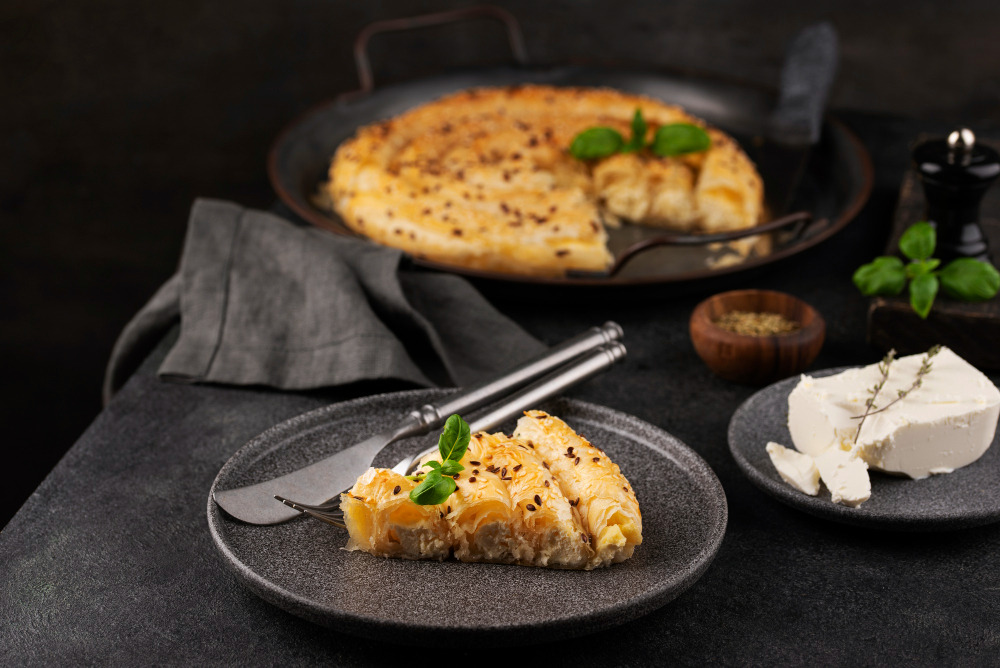
Bosnia and Herzegovina has a rich culinary tradition shaped by its geography, history and the cultural influences of the Balkans and the wider Ottoman region. Its traditional food is known for combining simple ingredients with careful preparation, producing dishes that are comforting, flavourful and closely connected to family life. Among these specialities, Krompiruša holds a special place. This traditional savoury pie is made with thin layers of pastry filled with potatoes, onions and seasoning, then baked until the exterior becomes crisp and golden while the filling remains soft and tender.
Krompiruša belongs to the wider family of Balkan pita dishes, which are prepared using thin dough or filo-style pastry and a variety of fillings. The word krompir means potato in Bosnian and several other South Slavic languages, while the suffix in krompiruša identifies the pie by its principal ingredient. Although the dish is closely associated with Bosnia and Herzegovina, similar potato-filled pastries are enjoyed in neighbouring Balkan countries, where local names and preparation methods may differ.
What makes Krompiruša particularly interesting is its ability to transform inexpensive everyday ingredients into a satisfying meal. Potatoes provide a soft and substantial filling, onions add sweetness and aroma, and the pastry creates a crisp contrast. It can be prepared at home, purchased from traditional bakeries or enjoyed as part of a larger meal. Its enduring popularity reflects the importance of homemade pastry in Bosnian food culture and the continuing appeal of recipes built around familiar ingredients.
The Origins and Cultural Background of Krompiruša
Krompiruša is part of Bosnia and Herzegovina’s long-standing tradition of preparing savoury pies known as pita. These pastries are an important feature of Bosnian cuisine and are commonly associated with home cooking, bakeries and family gatherings. Their preparation involves stretching or layering dough until it becomes very thin, adding a filling and baking the assembled pastry until it develops a crisp surface.
The broader Balkan pie tradition has been influenced by centuries of cultural exchange, particularly during the Ottoman period. Layered and filled pastries became established across many parts of southeastern Europe, adapting to local ingredients and household preferences. Over time, different communities developed their own varieties using cheese, spinach, meat, pumpkin, potatoes and other seasonal produce.
In Bosnia and Herzegovina, Krompiruša is recognised as one of the familiar varieties of traditional pita. It is often prepared alongside other varieties, including sirnica, a cheese-filled pie, zeljanica, commonly made with spinach or other leafy greens, and burek, traditionally associated with a meat filling in Bosnian usage. These dishes share a pastry-making tradition, but their fillings give each one a distinct identity.
The recipe is not limited to a single fixed method. Families may differ in the way they cut the potatoes, season the filling, prepare the dough or shape the pie. Some prefer a tightly rolled pastry, while others arrange the layers in a round baking tray. These variations reflect the way traditional food develops through everyday practice rather than strict standardisation.
The Ingredients That Give Krompiruša Its Character
The appeal of Krompiruša comes from the interaction between its pastry and filling. Although the ingredient list is relatively short, the quality of each component and the way it is prepared have a direct effect on the final result.
Potatoes: The Heart of the Filling
Potatoes are the defining ingredient of Krompiruša. They provide the filling with its soft texture and mild, earthy flavour. Depending on the recipe, they may be peeled and finely diced, grated or cut into small pieces. Finely diced potatoes are particularly useful when a filling with distinct pieces is preferred, while grated potatoes create a softer and more integrated texture.
The size of the potato pieces affects how evenly the filling cooks. Large chunks may remain firm when the pastry is ready, whereas smaller pieces soften more quickly. For this reason, traditional preparations often use relatively small pieces or thin shreds.
Potatoes also absorb the flavour of onions, salt, pepper and other seasonings. During baking, they release some moisture, which helps the filling become tender. However, excessive liquid can make the pastry soggy, so the filling needs to be prepared with attention to moisture levels.
Onions: Adding Sweetness and Depth
Onions are another essential ingredient. They are usually finely chopped and mixed with the potatoes before the filling is placed inside the pastry. Their sharp flavour becomes milder during baking, producing a natural sweetness that complements the potatoes.
Some recipes use raw onions, allowing them to cook gradually inside the pastry. Others soften them in a little oil before mixing them with the potatoes. Both methods can produce a flavourful filling, although they create slightly different results. Raw onions retain a more noticeable savoury character, while sautéed onions contribute a softer and sweeter flavour.
The balance between potatoes and onions is important. Too few onions may leave the filling tasting plain, while too many can introduce excess moisture and overpower the mild flavour of the potatoes.
Seasoning and Herbs
Krompiruša is generally seasoned with salt and black pepper. These basic seasonings enhance the natural flavour of the potatoes without making the filling overly complicated. Some household recipes include paprika, garlic or finely chopped parsley, although these additions are not essential to every traditional version.
The seasoning should be distributed evenly throughout the potato mixture. Since the pastry itself is relatively mild, the filling needs enough flavour to remain satisfying after baking. At the same time, strong spices should be used carefully so that the potatoes remain the main focus.
Pastry, Oil and Other Ingredients
The pastry is central to the identity of Krompiruša. Traditionally, it may be made from flour, water, salt and a small amount of oil, with the dough stretched by hand until it becomes very thin. This homemade pastry is commonly associated with Bosnian pita-making techniques.
Filo pastry can also be used as a convenient alternative. Commercial filo sheets are already thin and can be layered with oil or another suitable fat to create a crisp exterior. Although this method is faster, handmade dough offers a different texture and is closely connected with traditional preparation.
Oil is commonly brushed or drizzled over the pastry to encourage browning and crispness. Some modern variations use butter or a combination of fats, depending on household preferences. The amount of fat influences the pastry’s texture, so it should be distributed evenly rather than concentrated in a few areas.
Preparing the Traditional Potato Filling
The preparation of the filling begins with washing, peeling and cutting the potatoes. If the potatoes are diced, the pieces should be relatively small and uniform so that they cook evenly. If they are grated, excess liquid may need to be removed to prevent the filling from becoming too wet.
The chopped onions are then combined with the potatoes. Salt and black pepper are added, followed by any additional seasoning included in the chosen recipe. The mixture should be stirred thoroughly so that the onions and seasoning are distributed throughout.
One important consideration is the moisture released by the potatoes. Potatoes naturally contain a high proportion of water, and grated varieties can release considerable liquid after salting. If the filling is too wet, it may soften the pastry before the pie has a chance to become crisp. Removing excess moisture and avoiding an overly watery mixture can therefore improve the final texture.
Some cooks prepare the filling immediately before assembling the pie, while others allow it to rest briefly so that the flavours combine. If it is left standing for an extended period, however, the mixture may release additional liquid. Keeping the preparation process organised helps ensure that the pastry remains manageable and the filling retains a suitable consistency.
Making the Pastry: The Traditional Art of Thin Dough
One of the most distinctive aspects of Bosnian pita is the preparation of its thin pastry. Making dough by hand requires practice, particularly when it is stretched into large, delicate sheets without tearing.
A basic homemade dough is prepared by combining flour, water, salt and a small quantity of oil. The ingredients are kneaded until the dough becomes smooth and elastic. It is then covered and allowed to rest. This resting period gives the flour time to absorb moisture and allows the gluten network to relax, making the dough easier to stretch.
After resting, the dough is divided into portions and rolled out on a clean work surface. It is gradually stretched using the hands until it becomes thin enough for the filling to be visible through parts of the sheet. In traditional preparation, the dough may be stretched across a large table covered with a cloth.
The stretching process requires patience. Pulling too quickly can cause the dough to tear, while insufficient resting can make it difficult to extend. Once the sheet is thin, a small amount of oil is applied before the filling is distributed along one side or across the surface, depending on the shaping method.
Commercial filo pastry provides an alternative for cooks who want to prepare Krompiruša without making dough from scratch. The sheets should be handled carefully because they dry out quickly when exposed to air. Keeping unused sheets covered with a clean, slightly damp cloth helps maintain their flexibility during assembly.
How Krompiruša Is Shaped and Baked
The shaping method can vary according to the type of pastry and the preferred presentation. One traditional approach involves spreading the potato filling along the edge of a stretched dough sheet and rolling it into a long cylinder. The roll can then be arranged in a spiral inside a round baking tray or placed in straight sections.
Another method involves layering thin pastry sheets in a baking dish, distributing the filling between them and covering it with additional pastry. This produces a layered pie rather than a tightly rolled one. Both styles are suitable for potato-filled pita, although the texture and appearance may differ.
Before baking, the surface is brushed or drizzled with oil. The assembled pie is placed in a preheated oven and baked until the pastry becomes golden and crisp and the potatoes are fully tender. The temperature and baking time depend on the thickness of the pastry, the size of the pie and the type of filling used.
The pastry should be cooked thoroughly without becoming excessively dark. If the surface browns too quickly while the potatoes remain firm, the oven temperature may be too high or the filling pieces may be too large. Using evenly cut potatoes and maintaining a suitable baking temperature helps the filling and pastry finish cooking at approximately the same time.
Once baked, the pie is usually allowed to rest briefly before cutting. This makes it easier to portion and allows the filling to settle. Some households lightly sprinkle the finished pie with water and cover it with a cloth for a short period. This can soften the outer pastry slightly, creating a texture that contrasts with a completely crisp version. The choice depends on personal preference and regional or family practice.
Taste, Texture and Aroma
Krompiruša is appreciated for its contrast between the crisp pastry and the soft potato filling. The outer layers become golden during baking, developing a delicate crunch and a mild roasted flavour. Inside, the potatoes are tender and absorb the sweetness of the onions and the warmth of the seasoning.
Its flavour is generally savoury but not heavily spiced. Potatoes have a mild taste, which allows the onions and black pepper to remain noticeable without overwhelming the filling. The pastry contributes a light toasted flavour, while the oil helps create a rich aroma as the pie bakes.
The texture depends on how the pastry is prepared. Hand-stretched dough can create a combination of crisp outer layers and slightly chewy inner sections. Filo-based versions may have more distinct, delicate layers that crackle when cut. The filling can also range from finely textured and soft to more substantial, with visible pieces of potato.
When freshly baked, Krompiruša has a warm, comforting aroma created by the combination of potatoes, onions and toasted pastry. It is particularly enjoyable when served warm, although it can also be eaten at room temperature.
How Krompiruša Is Traditionally Served
Krompiruša is commonly served as a main meal, a substantial snack or part of a larger spread. Its filling makes it satisfying on its own, but it is often accompanied by dairy products, salads or other simple side dishes.
One familiar accompaniment is plain yoghurt or a yoghurt-based drink. Its cool, slightly sour flavour contrasts with the warm pastry and provides a refreshing balance. Sour cream may also be served alongside the pie in some households, adding a richer and creamier element.
Fresh salads are another suitable pairing. Tomatoes, cucumbers and onions provide freshness and a crisp texture that complement the soft filling. Pickled vegetables can offer a sharper contrast, especially when the pastry is rich or generously brushed with oil.
In Bosnia and Herzegovina, savoury pies are also widely available in bakeries and traditional food establishments. Krompiruša may be sold in individual portions, making it convenient as a quick meal. At home, it is often cut into larger pieces and shared among family members.
Its versatility makes it suitable for breakfast, lunch or dinner. A smaller portion can be enjoyed as a snack, while a larger serving accompanied by salad and yoghurt can form a complete vegetarian meal.
Nutritional Value of Krompiruša
The nutritional profile of Krompiruša is influenced by its two main components: potatoes and pastry. Potatoes provide carbohydrates, dietary fibre and several essential micronutrients. They contain potassium and vitamin C, although the final vitamin content depends on storage, preparation and cooking conditions.
The potatoes also provide energy through their starch content. When combined with onions, they contribute to a filling meal that can be satisfying without requiring meat. Onions add small quantities of fibre and plant compounds, while the pastry provides additional carbohydrates.
The amount of oil used during preparation is an important factor in the overall nutritional composition. A pie made with lightly brushed pastry will generally contain less added fat than one prepared with generous quantities of oil or butter. The type of flour used also affects the nutritional profile. Whole-grain flour can increase the fibre content, although it may produce a different pastry texture.
Krompiruša is naturally suitable for a vegetarian diet when prepared without animal-derived fats or additional ingredients. However, not every commercial or restaurant version should automatically be assumed to be vegan, as some recipes may use butter, dairy-based additions or other animal-derived ingredients.
As with other pastry-based meals, portion size matters. Krompiruša can form part of a balanced diet when served alongside vegetables or a fresh salad. Its nutritional value comes from its everyday ingredients, rather than from any special health effect.
Regional Variations and Contemporary Adaptations
Although the potato filling gives Krompiruša its identity, its preparation differs across households and bakeries. Some versions contain only potatoes, onions, salt and pepper, while others include garlic, paprika or fresh herbs. The quantity of oil and the texture of the filling may also vary.
The pastry itself is another source of variation. Traditional handmade dough is valued for its flexibility and characteristic texture, while commercial filo pastry offers convenience and consistent thin layers. In modern kitchens, cooks may also use ready-made pastry products to reduce preparation time.
The way the pie is shaped can influence its final appearance. Spiral-shaped pies are visually distinctive and allow the filling to be distributed through a continuous roll. Layered versions are easier to assemble with commercial filo sheets and can be cut into neat squares or rectangles.
Some contemporary cooks experiment with additional vegetables, such as peppers or carrots, to introduce different flavours. Others use whole-grain flour or reduce the quantity of oil. These adaptations can make the dish suitable for different preferences, although the traditional potato-and-onion combination remains its defining feature.
Krompiruša also demonstrates how a regional dish can travel beyond its place of origin. As interest in Balkan food grows, potato-filled pita has become familiar to people exploring international pastries and vegetarian cuisine. Its accessible ingredients and straightforward flavour make it easy to appreciate even without extensive knowledge of Bosnian food traditions.
Krompiruša and the Wider Balkan Pie Tradition
Krompiruša is best understood within the wider tradition of Balkan savoury pies. Across the region, thin pastry is used to enclose fillings that reflect local ingredients and food preferences. Cheese, spinach, meat, pumpkin and potatoes are among the familiar choices.
Bosnian pita has its own terminology and culinary conventions. In Bosnia and Herzegovina, the word burek traditionally refers to a meat-filled pie, while potato, cheese and spinach varieties are generally identified by their respective names. This distinction is important because terminology differs across the Balkans, and the word burek may be used more broadly in neighbouring countries.
The shared pastry tradition illustrates the cultural connections between Balkan communities while also showing how each region has developed its own culinary identity. Similar techniques can produce very different dishes depending on the ingredients, shaping methods and local customs.
Krompiruša stands out because it relies on a modest potato filling rather than expensive or elaborate ingredients. It demonstrates how a familiar vegetable can become the centre of a distinctive regional speciality when combined with traditional pastry-making skills.
Conclusion
Krompiruša is a comforting and flavourful example of Bosnia and Herzegovina’s traditional cuisine. Made with potatoes, onions, seasoning and thin pastry, it transforms simple ingredients into a satisfying baked pie. Its crisp exterior, tender filling and mild savoury flavour have helped it remain a familiar part of everyday food culture.
The dish is also connected to the broader Bosnian tradition of pita-making, in which thin dough is carefully stretched, filled and baked. Whether prepared with handmade pastry or convenient filo sheets, Krompiruša reflects the importance of technique, ingredient balance and home cooking.
Its versatility allows it to be enjoyed as breakfast, a snack or a complete meal accompanied by yoghurt and fresh vegetables. At the same time, its affordability and vegetarian character make it relevant to contemporary food preferences. For anyone interested in exploring traditional Balkan cuisine, Krompiruša offers a delicious introduction to the culinary heritage of Bosnia and Herzegovina.
Online Internship with Certificate
You may be interested
Shan Tofu: Myanmar’s Traditional Chickpea Tofu with Garlic Oil, Herbs and Chilli
Anshika Jain - November 4, 2026Myanmar’s culinary traditions are shaped by a remarkable variety of regional ingredients, cooking techniques and cultural influences. Among its distinctive vegetarian foods, Shan tofu stands out for…
Eetch: Armenia’s Traditional Tangy Bulgur Salad with Tomatoes, Onions and Parsley
Anshika Jain - November 4, 2026Armenian cuisine is known for its thoughtful use of grains, fresh vegetables, herbs, legumes and citrus-based seasonings. Many traditional dishes reflect a balance between simple ingredients and…
Lobio: Georgia’s Traditional Red Bean Dish with Walnuts, Coriander and Garlic
Anshika Jain - November 4, 2026Georgian cuisine is known for its distinctive combination of fresh herbs, aromatic spices, walnuts, vegetables and carefully prepared seasonal ingredients. Its traditional dishes often balance earthy flavours…
Most from this category
Gigantes Plaki: Greece’s Traditional Giant Butter Beans Baked in Tomato Sauce
Anshika Jain - November 4, 2026
Cime di Rapa: Exploring the Traditional Leafy Turnip Greens of Italian Cuisine
Anshika Jain - November 3, 2026Gigantes Plaki: Greece’s Traditional Giant Butter Beans Baked in Tomato Sauce
Anshika Jain - November 4, 2026

Leave a Comment