

Gigantes Plaki: Greece’s Traditional Giant Butter Beans Baked in Tomato Sauce

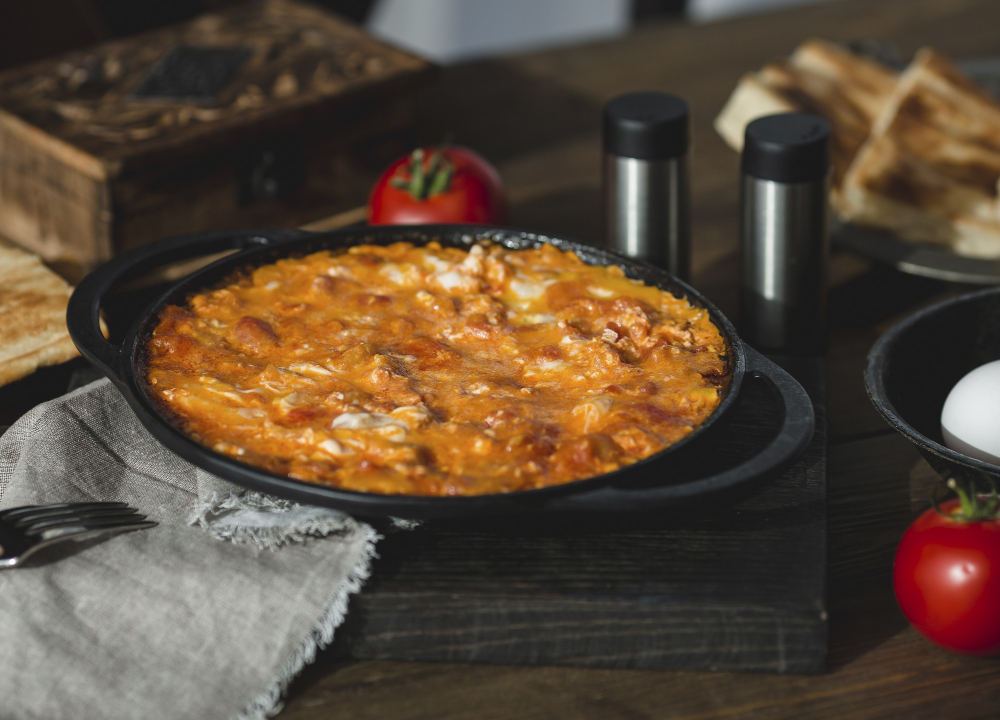
Greek cuisine is widely recognised for its use of fresh vegetables, legumes, olive oil, herbs and seasonal ingredients. Many traditional Greek dishes demonstrate how simple plant-based foods can become rich, satisfying meals through slow cooking and carefully balanced flavours. One of the finest examples is Gigantes Plaki, a traditional Greek preparation made with large white beans baked in a tomato-based sauce with olive oil, onions, garlic and aromatic herbs.
The name Gigantes Plaki refers to the large beans used in the dish and the method of cooking them in a rich sauce. The Greek word gigantes means giants, describing the unusually large size of the beans, while plaki refers to a style of preparation in which ingredients are baked with olive oil, vegetables and seasonings. The result is a hearty dish featuring soft, creamy beans surrounded by a thick, savoury tomato sauce.
Gigantes Plaki is commonly associated with Greek home cooking and traditional meze culture. It can be served as a main course, a side dish or part of a larger meal featuring salads, bread, olives and other small plates. Although the recipe uses relatively inexpensive ingredients, its flavour is complex because the beans absorb the sauce during slow baking. The olive oil contributes richness, tomatoes provide acidity and natural sweetness, and herbs create the distinctive Mediterranean aroma.
The dish also reflects an important characteristic of Greek food culture: the ability to make vegetables and legumes the centre of a meal rather than treating them as secondary ingredients. Its popularity continues beyond Greece because it is naturally vegetarian when prepared with plant-based ingredients, relatively straightforward to cook and suitable for people exploring traditional Mediterranean cuisine.
The Origins and Cultural Significance of Gigantes Plaki
Gigantes Plaki belongs to the wider tradition of Greek legume-based cooking. Beans, lentils, chickpeas and other pulses have long been important ingredients in Greek households because they are filling, versatile and can be stored for extended periods. These foods have traditionally helped families prepare nourishing meals using ingredients that were widely available and relatively economical.
The Mediterranean climate supports the cultivation of various legumes, vegetables, herbs and olive trees. These ingredients form the foundation of many Greek recipes, including bean soups, lentil preparations, chickpea dishes and baked vegetable meals. Gigantes Plaki brings several of these familiar elements together in one preparation.
Large white beans are the defining ingredient. In Greece, the term gigantes is associated with particularly large varieties of beans, and the dish is especially linked with the use of giant white beans. Some preparations use beans grown in specific regions, including varieties associated with northern Greece. The exact bean variety may differ according to availability, but it should be large enough to retain its shape while becoming soft and creamy during cooking.
The word plaki is important because it describes more than the ingredients. It refers to a style of preparing food with olive oil, vegetables and seasonings before baking it in the oven. This method is used in different Greek dishes, particularly those featuring fish or vegetables. In Gigantes Plaki, the technique allows the beans to cook slowly in a tomato sauce until the flavours become deeply integrated.
The dish is often found in Greek homes, tavernas and restaurants. It is also served as part of a selection of meze, where several small dishes are placed on the table for sharing. Its ability to be served warm or at room temperature makes it particularly convenient for communal meals and gatherings.
The Main Ingredients That Define Its Flavour
Gigantes Plaki relies on a relatively simple combination of ingredients. However, the quality of the beans, tomatoes and olive oil plays a significant role in determining the final result. Each component contributes a different texture or flavour, creating a balanced preparation.
Giant White Beans: The Foundation of the Dish
The most important ingredient is the large white bean. These beans are valued for their substantial size, creamy interior and ability to hold their shape during slow cooking. Their mild flavour allows them to absorb the tomato sauce, olive oil and herbs without losing their identity.
Dried giant beans are traditionally used. They are usually soaked in water before cooking to help them absorb moisture and soften more evenly. After soaking, they are simmered until tender but not completely falling apart. They then undergo a second stage of cooking in the oven, where they absorb the flavours of the sauce.
The texture of the beans is essential. Properly cooked gigantes should be soft and creamy inside, with their outer skins remaining largely intact. If they are undercooked, the dish may feel firm and uneven. If they are overcooked before baking, they may break apart during the final stage and lose the characteristic appearance of whole giant beans.
Although traditional Greek varieties are preferred where available, other large white beans can be used as substitutes. Butter beans, large lima beans or similar varieties can produce a comparable result, although differences in size, skin texture and cooking time may affect the final preparation.
Tomatoes: Creating the Rich Sauce
Tomatoes provide the main sauce base and give Gigantes Plaki its characteristic reddish colour. Fresh ripe tomatoes can be used when they are in season, while canned chopped or crushed tomatoes offer a convenient alternative throughout the year.
The tomatoes contribute natural acidity and sweetness, which balance the richness of olive oil and the mild flavour of the beans. During baking, their liquid gradually reduces and combines with the starch released by the beans, creating a thick sauce.
Some recipes include a small quantity of tomato paste to intensify the flavour and colour. The sauce should be rich enough to coat the beans but should not become excessively thick before baking. The beans need sufficient moisture to continue cooking and absorb the seasoning.
Olive Oil: The Mediterranean Signature
Olive oil is one of the most important elements of Gigantes Plaki. Greek cooking frequently uses olive oil as a primary cooking fat, and this dish demonstrates how it can influence both flavour and texture.
Olive oil is used to soften the onions and garlic, help distribute the herbs and seasonings, and enrich the tomato sauce. It also contributes to the smooth consistency of the finished preparation. During baking, the oil blends with the tomato juices, creating a glossy sauce that coats the beans.
The amount of oil can vary between household recipes. Traditional versions may be relatively generous because olive oil is central to the dish’s character. However, cooks can adjust the quantity according to their preferences while maintaining enough oil to develop the sauce properly.
Onions and Garlic: Building the Aromatic Base
Onions and garlic provide the savoury foundation of the tomato sauce. This reduces their sharpness and allows their natural sweetness to develop.
Garlic adds a deeper aroma and a characteristic Mediterranean flavour. It is usually added after the onions have softened and cooked briefly before the tomatoes are introduced. Care is needed to prevent the garlic from burning, as excessive browning can produce bitterness.
Together, onions and garlic create a flavour base that complements the beans without overpowering them. Their natural sweetness also balances the acidity of the tomatoes.
Herbs and Seasonings
Herbs help give Gigantes Plaki its distinctive Greek character. Parsley, oregano and bay leaves are commonly used, although combinations differ between recipes. Fresh parsley adds a light herbal flavour, while oregano contributes a more pronounced Mediterranean aroma.
Black pepper and salt are used to season the beans and sauce. Some versions also include a small amount of chilli or sweet paprika, although these additions are optional. The aim is to create a balanced flavour in which the tomatoes, olive oil and beans remain the main elements.
Traditional Preparation: From Dried Beans to a Baked Greek Speciality
The preparation of Gigantes Plaki involves soaking, boiling and baking. Each stage contributes to the final texture, and the dish benefits from allowing enough time for the beans to become tender before they are transferred to the oven.
Soaking and Cooking the Beans
The process begins by rinsing dried giant beans and soaking them in plenty of water, usually overnight. During this time, they absorb moisture and increase in size. Soaking also helps reduce the amount of time required for cooking.
After soaking, the beans are drained and placed in a large pot with fresh water. They are simmered until they become tender but still hold their shape. The cooking time depends on the age, size and variety of the beans. Older dried beans may require longer cooking than recently harvested ones.
The beans should not be allowed to become excessively soft during this stage because they will continue cooking in the oven. Once they reach the desired texture, they are drained, and some of the cooking liquid can be reserved. This liquid may be useful when adjusting the consistency of the tomato sauce before baking.
Preparing the Tomato and Olive Oil Sauce
While the beans cook, the tomato sauce is prepared separately. Olive oil is heated in a pan, and chopped onions are added. They are cooked gently until soft and lightly golden. Garlic is then added and stirred briefly until aromatic.
The tomatoes are introduced next, followed by tomato paste if the recipe includes it. The mixture is seasoned with salt, black pepper and herbs. It is simmered until the tomatoes begin to break down and the sauce develops a richer consistency.
Some cooks include chopped carrots or celery to add further sweetness and depth. These ingredients are not essential to the basic preparation, but they can create a more complex vegetable base.
The sauce should remain moist enough to surround the beans. It does not need to be reduced to a thick paste at this stage because further evaporation will occur during baking.
Combining the Beans and Sauce
The cooked beans are placed in an oven-safe baking dish and covered with the tomato mixture. They are gently stirred so that the sauce reaches the beans throughout the dish. A little reserved bean-cooking liquid or water can be added if the mixture appears too dry.
The beans should be surrounded by sauce rather than sitting in a completely dry mixture. This moisture allows them to continue cooking and absorb the flavours of the tomatoes, olive oil and herbs.
Slow Baking for a Rich Finish
The assembled dish is transferred to a preheated oven and baked until the sauce thickens and the beans become very tender. During this stage, the tomato mixture reduces gradually, while the beans absorb its flavour.
The surface may develop lightly browned areas, and the olive oil can become visible around the edges. The finished dish should not be dry. Instead, it should have a thick, rich sauce that clings to the beans while retaining enough moisture to keep them soft.
The baking time depends on the condition of the beans, the depth of the dish and the oven temperature. If the sauce reduces too quickly, a little water or reserved cooking liquid can be added. Once baked, the dish is allowed to rest briefly so that the sauce settles and the flavours become more integrated.
Why Slow Baking Is Important
Slow baking is one of the defining characteristics of Gigantes Plaki. While boiling makes the beans tender, oven cooking allows them to absorb the flavour of the sauce and develop a more unified texture.
During baking, moisture gradually moves between the beans and the tomato mixture. The beans take in some of the liquid, while their starch contributes to the thickness of the sauce. This creates a naturally rich consistency without requiring flour or artificial thickening agents.
The olive oil also plays an important role. As it combines with the tomato juices, it helps distribute the sauce across the beans and contributes to the dish’s smooth mouthfeel. The gentle heat allows the garlic, onions and herbs to release their flavours without requiring intense frying.
A baking dish with a relatively wide surface area can encourage more even evaporation and allow the sauce to reduce gradually. However, the dish should not be so shallow that the beans become exposed and dry out before they are fully cooked.
The resting period after baking is equally useful. As the dish cools slightly, the sauce becomes more settled and the beans continue absorbing its flavour. This is one reason Gigantes Plaki can taste particularly good after resting for a while.
Taste, Texture and Aroma
Gigantes Plaki offers a combination of creamy, savoury and slightly sweet flavours. The giant beans have a mild, buttery taste and a soft interior, while the tomato sauce provides acidity and depth. Olive oil contributes richness, and herbs add a fresh, aromatic quality.
The ideal texture is one of the dish’s most appealing features. The beans should be tender enough to break easily with a fork but should generally remain whole. The sauce should be thick and glossy, coating the beans rather than appearing watery.
The flavour develops during baking. Tomatoes become less sharp as they cook, onions release their sweetness, and garlic and oregano become more integrated into the sauce. The result is a preparation that tastes richer than its relatively simple ingredient list might suggest.
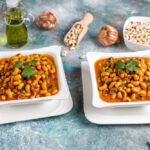
Its aroma is strongly associated with Mediterranean cooking. Warm tomatoes, olive oil, garlic and herbs create a savoury fragrance that becomes more pronounced as the dish bakes. When served, the contrast between the large white beans and the red sauce also gives it an attractive appearance.
How Gigantes Plaki Is Traditionally Served
Gigantes Plaki is a versatile dish that can be served as a main course or as part of a larger Greek meal. It is often enjoyed warm, although it can also be served at room temperature. This flexibility makes it suitable for family lunches, gatherings and meze-style dining.
Fresh bread is a common accompaniment because it can be used to collect the thick tomato sauce. Crusty bread or traditional Greek bread works particularly well, allowing the olive oil and tomato flavours to remain part of the meal.
A fresh Greek salad can provide a refreshing contrast. Tomatoes, cucumbers, onions, olives and herbs introduce crisp textures and fresh flavours that balance the richness of the beans. Pickled vegetables or olives can also add a salty and acidic element.
In a traditional meze spread, Gigantes Plaki may be served alongside other vegetable preparations, dips and salads. It can also accompany grilled vegetables or other Mediterranean dishes. However, its substantial bean content means that it is filling enough to be served as a standalone vegetarian main course.
Some people enjoy adding a little fresh parsley or a drizzle of olive oil immediately before serving. A squeeze of lemon can also brighten the flavours, although it is not necessary for every traditional recipe.
Nutritional Value and the Benefits of Giant Beans
Gigantes Plaki is valued not only for its flavour but also for its use of nutrient-rich legumes. Large white beans provide plant-based protein, dietary fibre and complex carbohydrates. They also contain minerals such as potassium, magnesium and iron, as well as folate and other micronutrients.
The fibre content of beans contributes to digestive health and helps make meals more filling. Their combination of protein and complex carbohydrates can provide sustained energy as part of a balanced diet. This makes Gigantes Plaki a substantial vegetarian dish without requiring meat or other animal-based ingredients.
Tomatoes contribute vitamin C, potassium and plant compounds, including lycopene. The amount available in the finished dish depends on the tomato variety and cooking process. Olive oil provides predominantly monounsaturated fats and contributes to the overall energy content of the preparation.
The nutritional profile can vary depending on the amount of olive oil used and the portion size. Although olive oil is an important part of the traditional recipe, it is energy-dense, so the quantity can be adjusted according to dietary preferences. Salt levels can also be controlled during preparation.
Beans contain naturally occurring compounds such as phytates and fermentable carbohydrates. Soaking, draining and thoroughly cooking dried beans can help improve their digestibility. However, some individuals may still experience gas or bloating after eating legumes, particularly when they are not accustomed to a high-fibre diet.
Gigantes Plaki should therefore be viewed as a nourishing traditional meal that can contribute to a varied diet. Its value comes from its combination of legumes, vegetables and olive oil rather than from any special medicinal effect.
Regional Variations and Modern Interpretations
Although the central ingredients of Gigantes Plaki remain consistent, recipes differ across Greek households and restaurants. Some preparations use a simple tomato, onion and garlic sauce, while others include carrots, celery or peppers. The choice of herbs may also vary, with oregano, parsley and bay leaves appearing in different combinations.
The texture of the sauce is another area of variation. Some cooks prefer a relatively thick preparation in which the beans are almost covered by a concentrated tomato mixture. Others leave more liquid, creating a softer and more stew-like result.
The choice of beans can also change the final dish. Traditional giant Greek beans are particularly valued for their size and creamy texture, but butter beans and large lima beans are practical alternatives in places where Greek varieties are difficult to find. The cooking time should be adjusted according to the bean variety.
Modern interpretations sometimes include additional spices or vegetables, while others reduce the oil to create a lighter version. Some restaurants present Gigantes Plaki in individual ceramic dishes, while home cooks may prepare it in a large baking tray for sharing.
Despite these variations, the defining qualities remain recognisable: large white beans, tomato sauce, olive oil, aromatic seasoning and slow baking. The flexibility of the recipe has helped it remain relevant in both traditional and contemporary kitchens.
Gigantes Plaki in Greek Food Culture
Greek food culture places considerable importance on shared meals, seasonal ingredients and dishes that can be enjoyed by several people. Gigantes Plaki fits naturally into this tradition because it can be prepared in advance, served in a large dish and shared at the table.
Its connection with meze culture is particularly significant. Greek meals often include a variety of small dishes that offer different flavours and textures. A serving of Gigantes Plaki can provide a hearty contrast to lighter salads, dips and vegetable preparations.
The dish also reflects the historical importance of legumes in Mediterranean food traditions. Before modern refrigeration and widespread access to a wide range of ingredients, dried beans offered a convenient way to store food and prepare substantial meals throughout the year. Their long shelf life made them useful in household kitchens, while their nutritional value made them an important part of everyday diets.
Today, Gigantes Plaki continues to represent the practicality and flavour of Greek home cooking. It is a familiar dish that connects traditional food preparation with modern interest in vegetarian and Mediterranean meals.
Conclusion
Gigantes Plaki is a classic example of how Greek cuisine transforms simple ingredients into a deeply satisfying dish. Large white beans are baked slowly in a sauce made with tomatoes, olive oil, onions, garlic and herbs until they become tender and absorb the surrounding flavours. The result is a preparation that combines creamy beans, a rich tomato sauce and the distinctive aroma of Mediterranean seasoning.
Its cultural significance comes from its connection with Greek home cooking, meze traditions and the long-standing use of legumes in everyday meals. Although recipes vary in their seasoning, vegetables and cooking methods, the essential combination of giant beans and tomato-based sauce remains central to its identity.
The dish is also a practical choice for modern vegetarian cooking. It provides plant-based protein and fibre, uses widely available ingredients and can be served as a main course or shared alongside other foods. Whether enjoyed in a Greek taverna or prepared at home, Gigantes Plaki offers a flavourful introduction to the country’s traditional food heritage.
You may be interested
Shan Tofu: Myanmar’s Traditional Chickpea Tofu with Garlic Oil, Herbs and Chilli
Anshika Jain - November 4, 2026Myanmar’s culinary traditions are shaped by a remarkable variety of regional ingredients, cooking techniques and cultural influences. Among its distinctive vegetarian foods, Shan tofu stands out for…
Eetch: Armenia’s Traditional Tangy Bulgur Salad with Tomatoes, Onions and Parsley
Anshika Jain - November 4, 2026Armenian cuisine is known for its thoughtful use of grains, fresh vegetables, herbs, legumes and citrus-based seasonings. Many traditional dishes reflect a balance between simple ingredients and…
Lobio: Georgia’s Traditional Red Bean Dish with Walnuts, Coriander and Garlic
Anshika Jain - November 4, 2026Georgian cuisine is known for its distinctive combination of fresh herbs, aromatic spices, walnuts, vegetables and carefully prepared seasonal ingredients. Its traditional dishes often balance earthy flavours…
Most from this category
Krompirusa: Bosnia and Herzegovina’s Traditional Potato-Filled Pastry
Anshika Jain - November 4, 2026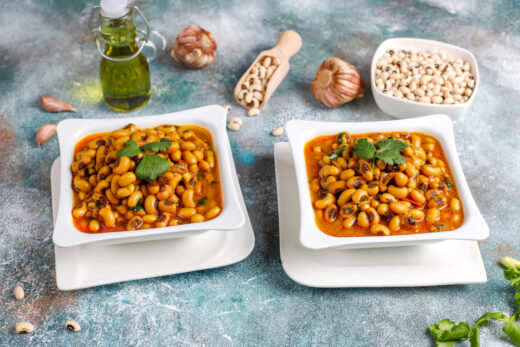
Cime di Rapa: Exploring the Traditional Leafy Turnip Greens of Italian Cuisine
Anshika Jain - November 3, 2026Krompirusa: Bosnia and Herzegovina’s Traditional Potato-Filled Pastry
Anshika Jain - November 4, 2026

Leave a Comment