

Cime di Rapa: Exploring the Traditional Leafy Turnip Greens of Italian Cuisine

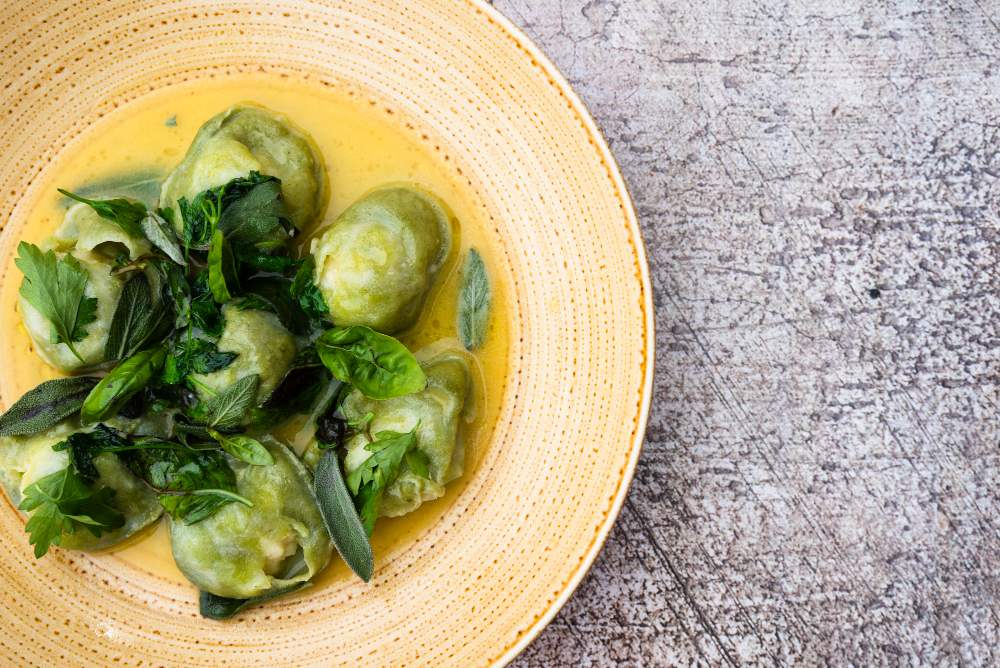
Southern Italian cuisine is celebrated for its ability to transform simple, seasonal ingredients into dishes with remarkable flavour and character. Vegetables, legumes, olive oil, garlic and locally produced grains form the foundation of many traditional recipes across the region. Among the ingredients that represent this approach particularly well is Cime di Rapa, a distinctive leafy vegetable widely used in the cooking of southern Italy. Known in English as turnip tops or broccoli rabe, it is especially associated with the culinary traditions of Puglia, Campania, Basilicata and neighbouring areas.
Cime di Rapa is valued for its slightly bitter taste, tender leaves, delicate stems and small flowering buds. Unlike ordinary broccoli, which is primarily cultivated for its compact flower head, this vegetable is appreciated for several edible parts of the plant. Its leaves, stems and unopened flower clusters can all be cooked together, creating a preparation with varied textures and a characteristic earthy flavour.
One of its most famous uses is in Orecchiette con le Cime di Rapa, a traditional pasta dish from Puglia. In this preparation, the greens are combined with small ear-shaped pasta, garlic, olive oil and often chilli. The result is a simple yet distinctive meal that reflects the region’s agricultural heritage and preference for seasonal ingredients.
Beyond pasta, Cime di Rapa appears in sautéed vegetable dishes, soups, savoury pies and side preparations. Its versatility, nutritional qualities and strong regional identity have helped it gain recognition beyond Italy. Understanding this ingredient offers a closer look at the relationship between local agriculture, traditional cooking and the Mediterranean food culture of southern Italy.
What Is Cime di Rapa?
Cime di Rapa is an edible leafy vegetable belonging to the Brassica family, which also includes cabbage, mustard greens, cauliflower, kale and broccoli. Its name translates approximately to “turnip tops” in Italian, referring to the leafy shoots and flowering portions associated with the turnip-like plant.
In English-speaking countries, it is commonly called broccoli rabe or rapini. Although the names are sometimes used interchangeably, regional varieties and botanical classifications can differ. It is not simply the same vegetable as conventional broccoli. Cime di Rapa has a more pronounced bitterness, thinner stems, smaller flowering clusters and a greater emphasis on edible leaves.
The vegetable is particularly popular in southern Italy, where it has been cultivated and incorporated into local cooking for generations. It grows well in cooler growing conditions and is often associated with autumn and winter harvests, although availability depends on the region and agricultural variety.
Its appearance is recognisable through elongated green leaves, slender stems and small clusters of unopened buds. The leaves may have slightly irregular edges, while the flowering portions resemble miniature broccoli heads. When fresh, the vegetable has a firm structure and a deep green colour.
The entire plant is generally useful in cooking, provided the tougher lower stems are trimmed. This makes Cime di Rapa an ingredient that supports economical cooking by allowing several parts of the vegetable to be used in one preparation.
Historical and Cultural Roots in Southern Italy
The history of Cime di Rapa is closely connected with the agricultural traditions of southern Italy. For generations, rural communities in regions such as Puglia and Campania have relied on seasonal vegetables that grow in local fields and kitchen gardens. Leafy brassicas were particularly useful because they could be harvested during cooler months and prepared in a variety of ways.
Southern Italian food culture developed around the availability of regional produce rather than the constant use of expensive ingredients. Olive oil, vegetables, legumes, bread and pasta became central to everyday meals. Cime di Rapa fitted naturally into this food system because it was relatively accessible, adaptable and suitable for family cooking.
Puglia is especially associated with the vegetable. The region’s agricultural landscape includes olive groves, wheat fields and vegetable cultivation, all of which have influenced its traditional cuisine. Local cooks developed preparations that combined Cime di Rapa with handmade pasta, creating dishes that used ingredients available within the surrounding countryside.
The popularity of the vegetable also reflects the broader southern Italian practice of using bitter greens. Rather than treating bitterness as an undesirable characteristic, traditional cooking balances it with olive oil, garlic, chilli and other ingredients. This approach creates dishes in which contrasting flavours work together.
Although the exact historical development of individual recipes is difficult to establish, Cime di Rapa has become an important symbol of regional cooking, particularly in Puglia. Its continued presence in home kitchens and restaurants demonstrates the lasting value of traditional seasonal ingredients.
The Distinctive Taste and Texture of Cime di Rapa
The defining characteristic of Cime di Rapa is its slightly bitter and peppery flavour. Its taste is stronger than that of many common leafy vegetables, making it particularly suitable for dishes that use rich or aromatic seasonings.
The leaves have a soft texture once cooked, while the stems remain slightly firmer if they are not overcooked. The small flower buds provide another textural element, making the vegetable more interesting than a preparation made entirely from leaves. When cooked correctly, these different parts combine into a tender mixture without losing all their individual structure.
Its bitterness is influenced by naturally occurring compounds found in brassica vegetables. These compounds contribute to the characteristic taste of mustard greens, turnips and related plants. Cooking changes the intensity of the flavour, particularly when the vegetable is blanched or simmered before being sautéed.
The combination of bitterness, earthy notes and mild pungency gives Cime di Rapa a distinctive culinary identity. Garlic adds savoury depth, olive oil creates richness and chilli introduces heat. Together, these ingredients produce a balanced dish in which no single flavour needs to dominate.
Traditional Ingredients Used in Cime di Rapa Preparations
Although recipes vary throughout southern Italy, Cime di Rapa is frequently prepared with a small number of ingredients. The vegetable itself remains the main component, while olive oil, garlic, salt and chilli provide the seasoning.
Extra virgin olive oil is particularly important in Puglian cooking. It contributes a fruity, slightly peppery flavour and helps distribute the aromas of garlic and chilli throughout the greens. The quality and intensity of olive oil can influence the final taste, especially in simple preparations where only a few ingredients are used.
Garlic is generally cooked gently in olive oil until aromatic. It provides a savoury foundation that complements the natural bitterness of the vegetable. Some cooks prefer lightly crushed garlic cloves, while others use finely sliced or chopped garlic to distribute its flavour more evenly.
Dried red chilli is another common ingredient. It introduces warmth and creates a contrast with the earthy greens. The amount varies according to personal preference and regional cooking habits. Some preparations are mildly seasoned, while others have a more noticeable chilli flavour.
Salt is used to enhance the natural taste of the vegetable. Anchovies may also appear in certain traditional preparations, especially when the greens are served with pasta. They dissolve into the warm oil and provide a savoury depth. However, they are not essential to every version, and a vegetarian preparation can omit them without losing the basic character of the dish.
Orecchiette con le Cime di Rapa: The Famous Puglian Pasta
One of the best-known dishes featuring Cime di Rapa is Orecchiette con le Cime di Rapa. It is strongly associated with Puglia, particularly the province of Bari, and represents an important part of the region’s culinary identity.
Orecchiette is a traditional pasta whose name means “little ears” in Italian. Its shape resembles a small rounded ear, with a slightly thicker centre and thinner outer edge. Traditionally, it is made from durum wheat semolina and water, then shaped by hand. The pasta’s curved surface is particularly effective at holding small pieces of vegetables and seasoning.
In the classic preparation, Cime di Rapa is cleaned and separated according to the tenderness of its leaves, stems and flowering buds. The vegetable is cooked in boiling water, and the pasta may be cooked in the same pot. This method allows the flavours of the greens to become part of the cooking liquid and helps reduce the number of separate cooking steps.
Meanwhile, olive oil is gently heated with garlic and chilli. Some traditional versions include anchovies, which dissolve into the oil and contribute a salty, savoury taste. Once the pasta and greens are tender, they are transferred to the pan and mixed with the aromatic oil.
The result is a dish in which the pasta absorbs the flavour of the greens and seasonings. Its success depends on the balance between the slightly bitter vegetable, the richness of olive oil and the mild flavour of durum wheat pasta.
This dish is a good example of how southern Italian cuisine uses a limited number of ingredients to create a recognisable regional speciality. It does not require a heavy sauce because the vegetable, pasta and seasoned oil provide sufficient flavour and texture.
How Cime di Rapa Is Prepared
The preparation of Cime di Rapa begins with careful cleaning. The vegetable is usually sold in bunches, and soil may collect around the stems and leaf joints. The leaves, tender stems and flowering buds are separated from damaged or excessively tough portions. Everything intended for cooking is washed thoroughly under running water and drained.
In many recipes, the vegetable is briefly boiled or blanched before being incorporated into another preparation. This softens the stems and leaves while reducing some of their sharper bitterness. The cooking time depends on the size and maturity of the vegetable. Tender leaves require less time than thicker stems.
For a simple sautéed version, garlic is heated in olive oil until fragrant. Chilli may be added at this stage, allowing its flavour to infuse into the oil. The prepared greens are then added and stirred so that the leaves become coated with the seasoning.
A small amount of cooking water can be added if the mixture appears too dry. The greens are cooked until tender, allowing excess moisture to evaporate before serving. The final preparation should be moist and aromatic rather than watery.
When making pasta, the vegetable can be cooked in the same water used for the pasta, depending on the recipe. This helps integrate the flavours and creates a cohesive dish. The cooked pasta and greens are then combined with the seasoned olive oil.
The cooking method should preserve some texture. Overcooking can make the leaves excessively soft and cause the flowering buds to break apart. A carefully controlled cooking time produces a more balanced result.
Food Science Behind Its Bitterness and Cooking Behaviour
The flavour and texture of Cime di Rapa are influenced by the natural chemistry of brassica vegetables. Like other members of the cabbage family, it contains glucosinolates, which are sulphur-containing plant compounds. When plant tissues are cut, crushed or chewed, enzymes can act on these compounds and produce other substances that contribute to characteristic pungent and bitter flavours.
This chemistry helps explain why Cime di Rapa has a stronger taste than many mild leafy vegetables. The intensity varies depending on the plant variety, growing conditions, maturity and storage.
Cooking changes the vegetable’s flavour and structure. Blanching or boiling can reduce some water-soluble compounds and soften the leaves. It can also reduce the sharpness of the flavour, although the extent of this change depends on cooking time and temperature.
Heat affects the plant’s cell walls and internal tissues, causing the leaves and stems to become more tender. The leaves generally soften faster than the thicker stems, which is why separating or cutting the stems into smaller pieces can improve consistency.
Olive oil also has an important role in flavour development. Many aromatic compounds from garlic and chilli disperse into the oil, allowing them to coat the greens more evenly. This creates a flavourful preparation without requiring a thick sauce.
The cooking water used for pasta can help bind the dish together. It contains some starch released from the pasta, which can combine with olive oil to create a light coating around the pasta and vegetables. This is one reason why traditional pasta preparations often benefit from combining ingredients while they are still warm.
Nutritional Value of Cime di Rapa
Cime di Rapa is a nutrient-rich leafy vegetable that can contribute several important vitamins, minerals and plant compounds to the diet. Like other brassica vegetables, it provides dietary fibre, which supports normal digestive function and contributes to a balanced eating pattern.
It is a source of vitamin C, which supports normal immune function and helps the body absorb iron from plant-based foods. It also provides vitamin K, which contributes to normal blood clotting and bone metabolism. The vegetable contains carotenoids, including compounds associated with vitamin A activity.
Cime di Rapa also supplies minerals such as calcium and potassium. However, the amount absorbed by the body depends on several factors, including the overall meal composition and naturally occurring compounds within the vegetable.
Its nutritional contribution is affected by cooking. Water-soluble vitamins, particularly vitamin C, can be reduced through prolonged boiling. Using shorter cooking times or incorporating the vegetable into dishes where the cooking liquid is retained may help preserve more of its nutrients.
When served with orecchiette, the dish provides carbohydrates from the pasta alongside fibre and micronutrients from the greens. Olive oil contributes unsaturated fats, while the overall nutritional profile depends on the amount of oil, pasta and additional ingredients used.
Cime di Rapa is therefore a valuable vegetable within a varied diet, although it should not be considered a substitute for a balanced range of foods.
Other Ways to Enjoy Cime di Rapa
Although its association with orecchiette is particularly strong, Cime di Rapa is not limited to pasta dishes. Its flavour and texture make it suitable for a range of traditional and contemporary preparations.
A simple sautéed version can be served as a side dish alongside bread, beans or roasted vegetables. The greens can also be combined with white beans to create a more substantial preparation. The creamy texture of the beans provides a contrast to the vegetable’s slightly bitter taste.
Cime di Rapa can be included in vegetable soups, where its flavour adds depth to broths containing potatoes, beans or other seasonal produce. It may also be used in savoury pies and filled pastries, particularly when combined with ingredients that complement its earthy character.
In contemporary cooking, the vegetable can be served with grilled bread, incorporated into grain bowls or used as a topping for savoury flatbreads. These interpretations may differ from traditional regional recipes, but they demonstrate the ingredient’s adaptability.
For vegetarian cooking, Cime di Rapa can be paired with beans, chickpeas, potatoes and pasta. Omitting anchovies and using plant-based ingredients makes it suitable for vegan meals as well.
Seasonal Availability and Selecting Fresh Greens
Cime di Rapa is commonly associated with the cooler growing seasons in southern Italy. Its availability varies according to climate, variety and agricultural practices. In many areas, it is particularly prominent during autumn and winter, when its leaves and flowering shoots are harvested for local markets.
Freshness has a noticeable effect on flavour and texture. Good-quality bunches generally have firm stems, fresh-looking leaves and compact green flowering buds. Yellowing leaves, limp stems or unpleasant odours may indicate that the vegetable is past its best.
The stems should be firm rather than dry or excessively fibrous. Smaller, tender stems are usually easier to prepare, while larger stems may need trimming or additional cooking.
After purchase, the vegetable should be stored under refrigeration and used relatively soon for the best texture and flavour. Excess moisture can encourage deterioration, so it is useful to keep the greens dry until they are ready to be washed and cooked.
Cime di Rapa and the Mediterranean Food Tradition
Cime di Rapa reflects several characteristics of Mediterranean cooking, including the use of seasonal produce, olive oil, vegetables and simple preparation methods. Its popularity in southern Italy demonstrates how regional food traditions develop around ingredients that are closely connected to local agriculture.
The vegetable also represents an approach to cooking that values the whole ingredient. Rather than using only the flowering buds, cooks make use of the leaves and tender stems as well. This practice reduces unnecessary waste and creates dishes with different textures.
Its association with handmade pasta is another example of the relationship between agriculture and regional cuisine. Puglia’s durum wheat production and traditional pasta-making methods provide a natural foundation for dishes such as orecchiette with Cime di Rapa.
As Italian food has become more widely appreciated internationally, the vegetable has gained recognition in restaurants and specialist food markets outside its traditional growing regions. Its distinctive flavour makes it particularly appealing to cooks interested in exploring vegetables beyond commonly used varieties.
However, its importance extends beyond culinary trends. Cime di Rapa remains part of the everyday food culture of southern Italy, where it continues to connect seasonal agriculture with family cooking and regional identity.
Conclusion
Cime di Rapa is one of the most distinctive leafy vegetables in southern Italian cuisine. Its slightly bitter flavour, tender leaves, edible stems and small flowering buds make it a versatile ingredient that can be used in pasta, soups, sautéed preparations and vegetable-based meals.
Its cultural identity is particularly strong in Puglia, where it forms the foundation of the celebrated dish Orecchiette con le Cime di Rapa. The combination of leafy greens, handmade pasta, garlic, olive oil and chilli demonstrates the simplicity and depth of traditional regional cooking.
Beyond its flavour, Cime di Rapa offers nutritional value through its fibre, vitamins, minerals and naturally occurring plant compounds. Its ability to work in both traditional and modern recipes has helped it become increasingly recognised beyond Italy.
Ultimately, Cime di Rapa represents more than a seasonal vegetable. It reflects the agricultural heritage, resourcefulness and culinary traditions of southern Italy. Through its continued use in home kitchens and restaurants, it preserves a connection between local produce and the distinctive flavours of Mediterranean food culture.
Online Internship with Certificate
You may be interested
Shan Tofu: Myanmar’s Traditional Chickpea Tofu with Garlic Oil, Herbs and Chilli
Anshika Jain - November 4, 2026Myanmar’s culinary traditions are shaped by a remarkable variety of regional ingredients, cooking techniques and cultural influences. Among its distinctive vegetarian foods, Shan tofu stands out for…
Eetch: Armenia’s Traditional Tangy Bulgur Salad with Tomatoes, Onions and Parsley
Anshika Jain - November 4, 2026Armenian cuisine is known for its thoughtful use of grains, fresh vegetables, herbs, legumes and citrus-based seasonings. Many traditional dishes reflect a balance between simple ingredients and…
Lobio: Georgia’s Traditional Red Bean Dish with Walnuts, Coriander and Garlic
Anshika Jain - November 4, 2026Georgian cuisine is known for its distinctive combination of fresh herbs, aromatic spices, walnuts, vegetables and carefully prepared seasonal ingredients. Its traditional dishes often balance earthy flavours…
Most from this category
Gigantes Plaki: Greece’s Traditional Giant Butter Beans Baked in Tomato Sauce
Anshika Jain - November 4, 2026
Krompirusa: Bosnia and Herzegovina’s Traditional Potato-Filled Pastry
Anshika Jain - November 4, 2026
Gigantes Plaki: Greece’s Traditional Giant Butter Beans Baked in Tomato Sauce
Anshika Jain - November 4, 2026Krompirusa: Bosnia and Herzegovina’s Traditional Potato-Filled Pastry
Anshika Jain - November 4, 2026

Leave a Comment