

Farinata di Ceci: A thin oven-baked chickpea-flour pancake

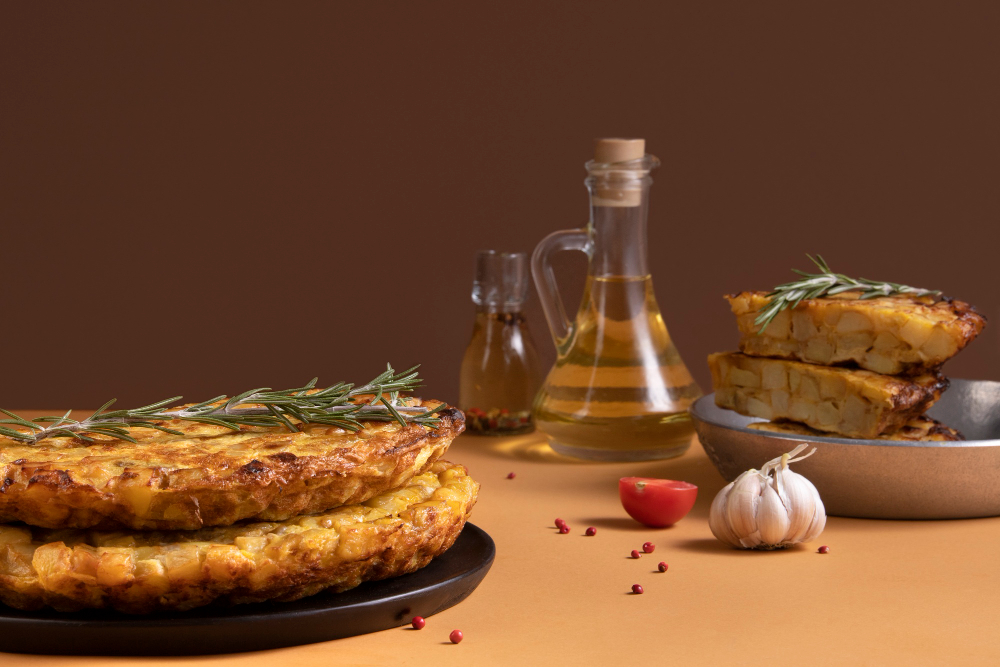
Italian cuisine is widely recognised for its regional diversity, where simple ingredients are transformed into distinctive dishes through traditional preparation methods. While pasta, pizza and risotto receive international attention, many local specialities reveal an equally interesting side of Italy’s culinary heritage. One such preparation is Farinata di Ceci, a thin, oven-baked pancake made from chickpea flour, water, olive oil and salt. Originating in Liguria, a coastal region in northwestern Italy, this traditional dish is particularly associated with the city of Genoa.
Farinata di Ceci is appreciated for its crisp outer surface, soft interior and naturally nutty flavour. Unlike conventional pancakes, it does not require eggs, dairy products or wheat flour. Its batter is prepared by combining chickpea flour and water, allowing the mixture to rest before being poured into a shallow, generously oiled baking pan. It is then baked at a high temperature until the surface develops a golden colour and slightly crisp texture.
The dish demonstrates how a small number of affordable ingredients can create a satisfying and flavourful food. Chickpea flour provides the main structure, olive oil contributes richness, and the high-temperature baking process produces its characteristic texture. Although its preparation appears simple, achieving the right balance of thickness, moisture and browning requires attention to detail.
Farinata di Ceci is more than a regional snack. It represents Liguria’s agricultural traditions, coastal food culture and long-standing relationship with chickpeas, olive oil and oven-based cooking. Its popularity across parts of Italy and the Mediterranean has also introduced it to people interested in traditional plant-based foods.
What Is Farinata di Ceci?
Farinata di Ceci is a savoury, flat preparation made primarily from chickpea flour and water. The Italian word ceci means chickpeas, while farinata refers to a flour-based preparation. The dish is also known simply as farinata in Liguria and is traditionally baked in a large, shallow, round copper pan.
Its appearance is similar to a thin pancake or flatbread, although its texture and preparation are quite different from those of ordinary wheat-based pancakes. The batter is usually much thinner than bread dough and contains no yeast. It is poured into a well-oiled pan and baked until the top becomes golden and the edges develop a crisp finish.
The interior remains comparatively soft and moist, while the bottom forms a delicate crust through direct contact with the hot pan and olive oil. This contrast between the crisp exterior and tender centre is one of the defining characteristics of a well-prepared farinata.
Traditional recipes generally use only chickpea flour, water, salt and extra virgin olive oil. Some modern versions include rosemary, black pepper or other seasonings, but the original preparation is valued for its simplicity. Because chickpea flour naturally contains no gluten, the dish is also suitable for people following a gluten-free diet, provided that the ingredients and preparation environment avoid cross-contamination.
Historical Origins of Farinata in Liguria
Farinata di Ceci has a long association with the culinary traditions of Liguria, particularly Genoa. The region’s geography has influenced its food culture for centuries. Located along the northwestern Mediterranean coastline, Liguria has a landscape characterised by narrow coastal settlements, hills, olive cultivation and limited agricultural plains.
These conditions encouraged a food culture based on ingredients that could be stored, transported and used efficiently. Chickpeas, wheat, olive oil and preserved foods became important components of regional cooking. Chickpea flour was particularly practical because it could be stored for extended periods and used in preparations that required relatively few additional ingredients.
The precise historical origin of farinata is difficult to establish. Several traditional accounts connect its development with ancient Mediterranean cooking practices and the movement of ingredients through coastal trade networks. One popular legend associates the dish with Genoese sailors who discovered a mixture of chickpea flour and water after their ships were exposed to seawater during a storm. According to the story, the mixture dried in the sun and was later cooked, inspiring a preparation resembling modern farinata.
Although this account is part of the dish’s popular folklore rather than a firmly established historical record, it reflects the strong connection between farinata and Genoa’s maritime identity.
The use of chickpeas in Mediterranean cooking is much older and extends across several regions. Chickpea-based preparations developed in different culinary traditions, and similar dishes can be found in parts of France, Spain, North Africa and the eastern Mediterranean. Farinata represents the Ligurian expression of this broader food tradition.
Over time, it became a familiar street food and bakery speciality. Traditional farinata shops, known locally as sciamadde, helped preserve its preparation and made it accessible to residents and visitors.
The Importance of Chickpea Flour
Chickpea flour is the central ingredient in Farinata di Ceci and determines much of its flavour, texture and nutritional composition. It is produced by grinding dried chickpeas into a fine powder. Depending on the milling process, it may have a smooth or slightly grainy consistency.
The flour has a naturally nutty, earthy taste that becomes more pronounced during baking. Unlike refined wheat flour, chickpea flour contains a substantial amount of protein and dietary fibre. It also provides carbohydrates, minerals and several naturally occurring plant compounds.
Its ability to form a cohesive batter makes it suitable for thin pancakes and flat preparations. When mixed with water, chickpea flour absorbs moisture and develops a thick, pourable consistency. During baking, heat causes the mixture to set into a firm structure.
The quality of the flour can influence the final result. Finely ground chickpea flour generally produces a smoother batter, while coarser flour may create a slightly more textured interior. Fresh flour with a mild, nutty aroma is preferable because prolonged storage under unsuitable conditions can affect its flavour.
Chickpea flour also gives farinata its characteristic golden colour. As the surface cooks, heat-driven browning reactions contribute to its aroma and appearance. This is particularly noticeable around the edges, where the batter becomes thinner and has greater contact with the hot, oiled pan.
Olive Oil: A Defining Ingredient
Olive oil is essential to the traditional character of Farinata di Ceci. Liguria has a long history of olive cultivation, and olive oil is a defining ingredient in many of its regional preparations. Its use in farinata contributes both flavour and texture.
The oil is generally poured into the baking pan before the batter is added. This creates a thin layer that helps prevent sticking and encourages the bottom of the pancake to develop a lightly fried, crisp surface. The oil also transfers heat efficiently to the batter, supporting even cooking and browning.
Extra virgin olive oil contributes a fruity aroma and a mild peppery quality, depending on its variety and production characteristics. In a recipe with so few ingredients, the flavour of the oil becomes particularly noticeable. A good-quality oil can therefore enhance the overall character of the dish.
The quantity of oil also influences the final texture. Too little may cause sticking and produce a less satisfying crust, while too much can make the pancake unnecessarily greasy. Traditional preparation aims for a balance in which the base becomes crisp while the interior remains tender.
Olive oil is not simply a cooking medium in this recipe. It is part of the dish’s regional identity, connecting farinata to the agricultural and culinary traditions of Liguria.
Traditional Ingredients and Their Roles
The traditional ingredient list for Farinata di Ceci is remarkably short. Chickpea flour provides structure and flavour, water creates the batter, salt enhances the taste, and olive oil supports baking and crispness.
The ratio of flour to water is particularly important. A relatively high proportion of water creates a thin batter that spreads evenly across the pan. If the mixture is too thick, the farinata may become dense and resemble a heavy chickpea cake rather than the traditional thin preparation. If it is excessively watery, it may take longer to set and can produce an uneven texture.
Salt is added to balance the natural earthiness of chickpea flour. Its quantity is usually moderate because the dish is intended to retain the flavour of its main ingredient rather than depend on strong seasoning.
Some cooks add rosemary, black pepper or other herbs, although these additions are not necessary for a classic version. Rosemary complements chickpea flour with its fragrant, slightly woody aroma, while black pepper introduces a gentle sharpness.
The traditional preparation demonstrates how ingredient quality and proportions can be more important than a long list of seasonings. When each component is used appropriately, the dish develops a distinctive flavour without complicated preparation.
How Farinata di Ceci Is Traditionally Prepared
The preparation begins by placing chickpea flour in a large mixing bowl. Water is added gradually while the mixture is stirred to prevent lumps from forming. The batter is whisked until it becomes smooth and relatively thin.
One important traditional step is allowing the batter to rest. This resting period, which may last several hours depending on the recipe, gives the flour time to absorb water fully. It also allows some of the foam that develops during mixing to settle. Before baking, the surface can be skimmed if necessary, and the mixture is stirred gently to redistribute the flour.
A shallow, wide baking pan is coated generously with olive oil. Traditionally, copper pans are preferred because they distribute heat effectively and contribute to the characteristic texture. The prepared batter is poured into the pan in a thin layer. The depth is important because farinata is not intended to be a thick cake.
The pan is placed in a very hot oven. During baking, the batter gradually sets, and its surface develops a golden appearance. The edges become crisp, while the centre remains soft and tender. Depending on the oven and pan, the cooking time varies.
Once baked, the farinata is removed and served hot, often cut into irregular pieces or wedges. Freshly ground black pepper may be added before serving. Its aroma is especially appealing when the surface is still warm and the olive oil remains fragrant.
Food Science Behind Farinata’s Texture
The transformation of chickpea flour and water into a firm, golden pancake involves several important food-science processes. Although the recipe uses only a few ingredients, the final result depends on how starch, protein, water and oil respond to heat.
Chickpea flour contains starch and proteins that absorb water during the resting period. This hydration helps distribute moisture throughout the batter and reduces the presence of dry flour particles. A properly rested mixture generally produces a more consistent texture during baking.
When the batter enters the hot oven, the starch granules absorb additional moisture and swell. As the temperature rises, starch gelatinisation helps the mixture change from a liquid batter into a more stable structure. Chickpea proteins also undergo heat-induced changes that contribute to the setting process.
The surface develops colour through browning reactions. The heat causes chemical changes involving proteins and naturally occurring sugars, producing the golden appearance and roasted aroma associated with farinata. The edges often brown more quickly because they are thinner and receive heat from the pan.
Olive oil contributes to the texture by creating contact between the batter and the hot pan. It also helps the underside develop a crisp finish. The combination of a hot cooking surface, thin batter and controlled moisture is essential to achieving the characteristic contrast between the exterior and interior.
The resting period is equally important. If the batter is used immediately after mixing, flour particles may not be fully hydrated, potentially creating an uneven texture. Allowing sufficient time for hydration improves consistency and makes the final preparation more reliable.
Taste, Texture and Appearance
Farinata di Ceci has a distinctive flavour that combines the earthy sweetness of chickpeas with the fruity richness of olive oil. Its taste is savoury rather than sweet, making it suitable as a snack, appetiser or accompaniment to other foods.
The outer surface is usually golden and lightly crisp, especially around the edges. The centre is softer, with a moist, tender structure that can be cut or broken into pieces. This contrast is important because an evenly dry or excessively thick preparation does not have the same traditional character.
Its aroma is warm and nutty, with subtle roasted notes created during high-temperature baking. When rosemary or black pepper is added, the seasoning introduces another layer of fragrance without overwhelming the chickpea flavour.
The appearance is relatively simple. Farinata is generally served as a thin round or rectangular preparation, depending on the baking pan. Its surface may have darker golden patches where the batter has browned more intensely.
The dish is often enjoyed immediately after baking because its crisp edges are most noticeable while it is hot. As it cools, the interior becomes firmer and the contrast in texture gradually changes.
Regional Variations and Similar Mediterranean Dishes
Although Farinata di Ceci is strongly associated with Liguria, similar chickpea-flour preparations exist across the Mediterranean. These dishes demonstrate how different communities have used comparable ingredients to create local specialities.
In neighbouring parts of northwestern Italy, particularly along the Ligurian coast, farinata may be prepared with slight differences in thickness, seasoning and baking technique. The name and serving style can also vary between towns.
Across the French Riviera, a similar preparation is known as socca. Particularly associated with Nice, socca is made using chickpea flour, water, olive oil and salt. It is baked in a wide, shallow pan and served hot, often with black pepper. Its texture can be slightly different depending on local cooking methods.
In parts of Tuscany, chickpea flour is used in preparations such as cecina, which resembles farinata in its basic ingredients and cooking technique. The names and recipes differ according to local traditions, but the shared use of chickpea flour and olive oil highlights a broader Mediterranean culinary connection.
These regional similarities should not be understood as evidence that every dish has exactly the same origin. Instead, they reflect the movement of ingredients and cooking ideas across coastal communities that share geographical and agricultural connections.
Nutritional Value of Farinata di Ceci
Farinata di Ceci offers a nutritional profile that differs from many conventional flour-based snacks. Its main ingredient, chickpea flour, provides plant-based protein, dietary fibre and complex carbohydrates. This makes the dish a useful way to include legumes in everyday meals.
Protein contributes to the maintenance and growth of body tissues, while dietary fibre supports normal digestion and helps make meals more satisfying. Chickpea flour also contains minerals such as iron, magnesium, phosphorus and potassium, although their amounts can vary according to the flour and preparation.
The dish is naturally gluten-free because chickpeas do not contain wheat gluten. This makes it suitable for many people who need or prefer gluten-free foods, provided the flour is not contaminated during processing and the preparation environment is appropriate.
Olive oil contributes predominantly unsaturated fats, including monounsaturated fatty acids. However, it also increases the overall energy content of the dish. The final nutritional profile therefore depends on the amount of oil used and the serving size.
Although Farinata is nutritious, it should not automatically be considered a complete meal. Serving it with vegetables, salads or other sources of nutrients can create a more varied and balanced plate.
Farinata in Ligurian Food Culture
Farinata has a strong connection with everyday food culture in Liguria. It has traditionally been sold in specialist bakeries and small food establishments, where it is prepared in large pans and served hot. Its affordability and simple ingredients helped establish it as a popular local food.
In Genoa, farinata is particularly associated with traditional bakeries known as sciamadde. These establishments have historically prepared regional baked foods using wood-fired or high-temperature ovens. The experience of buying a freshly baked piece of farinata remains an important part of the region’s food culture.
The dish also reflects the practical character of traditional Ligurian cooking. It uses a small number of ingredients, does not require complicated equipment and can be prepared in quantities suitable for sharing. Its simplicity makes it adaptable to different occasions, from casual snacks to meals served alongside other regional specialities.
Today, farinata continues to appear in restaurants, bakeries and home kitchens. Although modern interpretations sometimes introduce additional toppings and seasonings, the traditional version remains valued for its uncomplicated preparation and distinctive texture.
Modern Uses and Plant-Based Adaptations
Farinata di Ceci has become increasingly relevant to contemporary plant-based cooking because its traditional recipe is already free from meat, eggs and dairy products. It provides an example of a regional food that does not need animal-derived substitutes to create a satisfying result.
Modern cooks sometimes add rosemary, caramelised onions, olives or seasonal vegetables. These variations introduce additional flavour and can turn the preparation into a more substantial meal. However, the traditional version remains particularly appreciated because it allows the flavour of chickpea flour and olive oil to remain prominent.
It can be served as an appetiser, a light lunch or a savoury snack. Smaller pieces work well alongside vegetable dishes, while larger portions can be accompanied by salads and soups. Its firm yet tender structure also makes it suitable for serving at room temperature, although freshly baked farinata is generally preferred.
The growing interest in gluten-free and legume-based cooking has introduced farinata to new audiences. It demonstrates how traditional food knowledge can offer practical inspiration for modern diets without losing its cultural identity.
Conclusion
Farinata di Ceci is a distinctive example of Ligurian culinary heritage, demonstrating how chickpea flour, water, olive oil and salt can create a simple yet flavourful regional speciality. Its thin structure, crisp golden surface and tender interior make it different from conventional pancakes and flatbreads.
Closely associated with Genoa and the wider Ligurian coastline, farinata reflects a food culture shaped by seasonal ingredients, olive cultivation and practical cooking traditions. Its preparation relies on careful batter hydration, sufficient resting time, a generous coating of olive oil and high-temperature baking.
Beyond its cultural importance, the dish offers nutritional value through the plant-based protein and fibre found in chickpea flour. Its naturally gluten-free and vegan composition also makes it relevant to contemporary food preferences.
As interest in regional Mediterranean cuisine continues to grow, Farinata di Ceci remains an excellent example of how traditional recipes preserve local identity through uncomplicated ingredients and established cooking techniques. Its lasting popularity demonstrates that culinary excellence does not always require elaborate preparation; sometimes, a few carefully chosen ingredients are enough to create a memorable dish.
Online Internship with Certificate
You may be interested
Cime di Rapa: Exploring the Traditional Leafy Turnip Greens of Italian Cuisine
Anshika Jain - November 3, 2026Southern Italian cuisine is celebrated for its ability to transform simple, seasonal ingredients into dishes with remarkable flavour and character. Vegetables, legumes, olive oil, garlic and locally…
Gomen Besiga-free Gomen: Collard greens cooked with spices
Anshika Jain - November 3, 2026Ethiopian cuisine is widely recognised for its distinctive spice combinations, slow-cooked vegetable dishes, fermented flatbread and rich culinary traditions. Among its many vegetable preparations, Gomen holds a…
Zaalouk — Morocco, cooked eggplant and tomato salad with spices
Anshika Jain - November 3, 2026Moroccan cuisine is widely recognised for its rich combination of spices, fresh vegetables, olive oil and traditional cooking techniques. Its culinary identity has developed through centuries of…
Most from this category
Yomogi Mochi: Japan’s Mugwort Rice Cake with a Distinctive Herbal Flavour
Anshika Jain - November 2, 2026
Yomogi Mochi: Japan’s Mugwort Rice Cake with a Distinctive Herbal Flavour
Anshika Jain - November 2, 2026
Gomen Besiga-free Gomen: Collard greens cooked with spices
November 3, 2026
Zaalouk — Morocco, cooked eggplant and tomato salad with spices
November 3, 2026
Ajoblanco: Chilled almond-and-garlic soup made with bread
November 3, 2026

Leave a Comment