

Lobio: Georgia’s Traditional Red Bean Dish with Walnuts, Coriander and Garlic

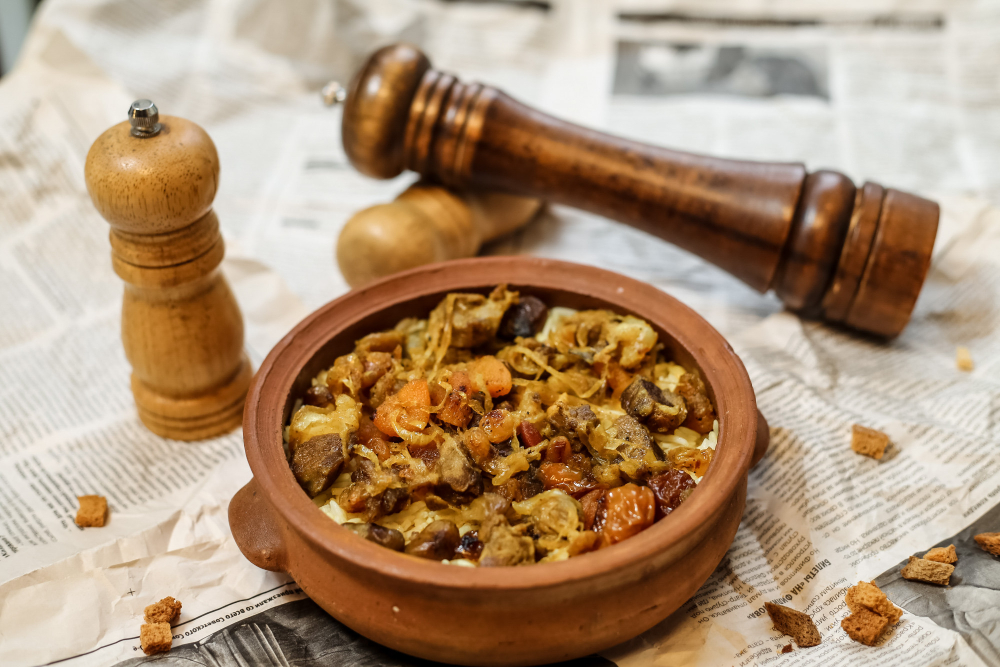
Georgian cuisine is known for its distinctive combination of fresh herbs, aromatic spices, walnuts, vegetables and carefully prepared seasonal ingredients. Its traditional dishes often balance earthy flavours with acidity, richness and fragrant seasonings, creating meals that are both comforting and complex. One of the best examples of this culinary approach is Lobio, a traditional Georgian bean preparation made primarily with red or kidney beans, coriander, garlic, walnuts and a variety of spices.
The word lobio means beans in Georgian, and the name is used for several bean-based preparations found throughout the country. Some versions are served warm as a thick stew, while others have a mashed or pâté-like consistency. The ingredients and cooking techniques vary between regions and households, but beans remain the central element. In many traditional recipes, walnuts, garlic, fresh coriander and spices give the dish its characteristic Georgian flavour.
Lobio is more than a simple legume preparation. It represents the importance of beans in Georgian food culture and demonstrates how affordable ingredients can become a satisfying meal through thoughtful seasoning and traditional cooking techniques. It is commonly enjoyed with Georgian bread, pickled vegetables and other regional accompaniments. Its naturally vegetarian character also makes it relevant to people exploring plant-based dishes from different culinary traditions.
The Origins and Cultural Significance of Lobio
Lobio has a long-standing place in Georgian home cooking. Beans are an important part of the country’s traditional food culture because they are filling, adaptable and suitable for storage. Dried beans can be kept for extended periods and prepared in different ways depending on the season, available vegetables and household preferences.
The word lobio is a general Georgian term for beans rather than the name of only one fixed recipe. This explains why the dish can appear in several forms across Georgia. Some versions contain whole beans in a thick, seasoned liquid, while others are partially mashed to create a dense consistency. Certain regional preparations include walnuts, herbs and spices, while simpler household versions may rely more heavily on onions, garlic and coriander.
The dish is associated with the wider Georgian tradition of combining legumes with herbs and nuts. Walnuts are especially important in Georgian cuisine and appear in numerous preparations, including vegetable dishes, sauces and spreads. Their use in Lobio adds richness and creates a flavour profile that distinguishes many Georgian versions from bean stews found elsewhere.
Lobio is commonly served in homes and traditional restaurants. It can be prepared for everyday meals, family gatherings and shared dining occasions. In Georgian food culture, dishes are often placed at the centre of the table so that everyone can enjoy different flavours together. Lobio fits naturally into this style of eating because it can be served as a main vegetarian dish or as part of a larger meal.
Although its ingredients are relatively simple, the dish reflects regional diversity. The variety of beans, the quantity of walnuts, the herbs used and the preferred consistency can all differ. These variations demonstrate that Georgian culinary traditions are shaped by local ingredients and household techniques rather than by a single standardised recipe.
The Main Ingredients That Define Lobio
The distinctive character of Lobio comes from the combination of beans, walnuts, garlic, coriander and spices. Each ingredient contributes a different quality, creating a dish that is earthy, aromatic and rich without requiring complicated cooking methods.
Red Beans: The Foundation of the Dish
Red beans are the principal ingredient in many familiar versions of Lobio. Kidney beans are commonly used because they have a firm structure and a creamy interior when properly cooked. Their mild, earthy flavour works well with garlic, herbs and walnuts.
Dried beans are traditionally soaked before cooking. This allows them to absorb water and helps them soften more evenly. They are then simmered until tender, with care taken to prevent them from becoming completely mushy unless a mashed preparation is intended.
The texture of the beans influences the final character of the dish. In some versions, most of the beans remain whole, creating a thick stew with distinct pieces. In others, a portion is mashed to produce a dense mixture that holds together more like a warm bean spread. Both approaches are associated with Lobio, and the preferred consistency often depends on regional and household traditions.
Dried beans generally offer greater control over texture, although canned red or kidney beans can be used for a quicker preparation. When using canned beans, they should be drained and rinsed before being added to the seasoned mixture.
Walnuts: Richness and Distinctive Georgian Flavour
Walnuts are one of the ingredients that give many Georgian dishes their recognisable character. In Lobio, they provide a rich, slightly bitter and earthy flavour that complements the beans. They also contribute a creamy texture, particularly when finely ground or crushed.
The walnuts may be mixed directly into the cooked beans or combined with garlic and spices to create a flavourful paste. Their natural oils help bind the ingredients and give the preparation a fuller consistency. This is particularly noticeable in versions where the beans are partially mashed.
The quantity of walnuts varies. Some recipes use them generously, making the nut flavour prominent, while others include a smaller amount to add depth without dominating the dish. Fresh walnuts are generally preferred because stale or rancid nuts can introduce unpleasant bitterness.
Coriander: The Aromatic Centre
Coriander is another defining ingredient. Fresh coriander leaves, known as cilantro in some countries, are widely used in Georgian cooking. Their bright, slightly citrus-like flavour balances the richness of the beans and walnuts.
Fresh coriander is often added towards the end of preparation so that its aroma remains noticeable. Some recipes also use ground coriander seeds, which provide a warmer and more concentrated flavour. The combination of fresh leaves and ground seeds can create additional complexity, although either can be used according to preference.
The freshness of the herbs matters. Coriander that has lost its aroma may not provide the same balance, while excessive cooking can reduce the brightness of fresh leaves.
Garlic: Adding Depth and Warmth
Garlic contributes a strong savoury flavour that works particularly well with walnuts and beans. It may be crushed, finely chopped or ground into a paste before being mixed with the other ingredients.
In some preparations, garlic is combined with walnuts, coriander and spices to create a seasoning mixture. This allows its flavour to spread evenly throughout the dish. The amount can be adjusted according to preference, but garlic should remain noticeable without overpowering the natural taste of the beans.
Georgian Spices and Seasonings
Traditional Lobio may include a combination of coriander seeds, blue fenugreek, dried marigold petals, black pepper and other seasonings associated with Georgian cuisine. The exact mixture depends on the regional recipe.
Blue fenugreek, known as utskho suneli, is particularly associated with Georgian seasoning blends. It has a distinctive aroma that can add a slightly nutty and herbal character. Dried marigold petals, sometimes called Georgian saffron, may also be used to provide colour and a subtle earthy flavour.
Some versions include chilli or other pepper-based seasonings for warmth. Salt is added to balance the ingredients, while vinegar or another acidic element may be incorporated in certain recipes to brighten the flavour. These seasonings should complement the beans and walnuts rather than obscure them.
Traditional Preparation: From Dried Beans to a Rich Georgian Dish
The preparation of Lobio involves cooking the beans until tender and then combining them with a mixture of aromatic ingredients. Although the exact method differs between recipes, the process is designed to create a cohesive dish in which the beans absorb the flavour of garlic, coriander, walnuts and spices.
Soaking and Cooking the Beans
The process begins by rinsing dried red beans and soaking them in plenty of water, usually overnight. Soaking allows the beans to absorb moisture and reduces the time required for cooking. After soaking, the water is discarded and the beans are transferred to a pot with fresh water.
The beans are simmered until completely tender. Cooking time depends on their size, age and storage conditions. Older dried beans may take longer to soften, while fresher beans may cook more quickly.
Food safety is especially important when preparing kidney beans. Raw or undercooked kidney beans contain naturally occurring lectins, including phytohaemagglutinin, which can cause illness. Dried kidney beans should be brought to a vigorous boil in fresh water for at least ten minutes before being simmered until fully cooked. A slow cooker should not be used as the only cooking method for raw dried kidney beans because it may not reach a sufficiently high temperature to destroy the lectins.
Once the beans are tender, they are drained, although some cooking liquid can be reserved. This liquid can help adjust the consistency of the finished dish and allows the seasoning mixture to combine smoothly with the beans.
Preparing the Walnut, Garlic and Herb Mixture
The walnuts are finely crushed or ground until they form a coarse paste. Garlic is added and blended with the nuts, followed by ground coriander and other selected spices. Some recipes also include finely chopped fresh coriander at this stage, while others reserve the fresh herbs for the final mixing process.
The goal is to create a mixture that distributes its flavour evenly throughout the beans. If the walnuts are ground too finely, they may create a very smooth texture. A slightly coarse mixture can provide more noticeable nutty character and a traditional homemade appearance.
Onions are also used in many versions of Lobio. They are usually chopped and softened in oil until translucent or lightly golden. Their natural sweetness adds another layer of flavour and helps connect the beans with the walnut and garlic mixture.
Combining the Ingredients
The cooked beans are combined with the prepared walnut and garlic mixture. If onions are being used, they are added after being softened. The ingredients are stirred gently to avoid breaking every bean, unless a mashed consistency is preferred.
Some of the reserved cooking liquid is added gradually to create the desired texture. The mixture may be simmered briefly so that the flavours combine. During this stage, a portion of the beans can be mashed against the side of the pot. This releases starch and naturally thickens the preparation.
The seasoning is adjusted towards the end. Fresh coriander can be added just before serving to retain its aroma. A small amount of vinegar may be used in certain variations to introduce acidity and balance the richness of the walnuts.
Different Styles and Regional Variations of Lobio
One of the most interesting aspects of Lobio is that it does not refer to a single preparation. Georgian households have developed different versions according to regional preferences, available ingredients and serving traditions.
Warm Stewed Lobio
A common version is prepared as a thick, warm stew. The beans remain largely whole and are cooked with onions, garlic, herbs and seasonings. The liquid is reduced until the mixture becomes substantial but still moist.
This style is suitable as a main course and is often served with bread. It allows the natural texture of the beans to remain visible while the sauce carries the flavours of the other ingredients.
Mashed or Thick Lobio
Another version uses partially or extensively mashed beans. The walnuts, garlic and seasonings are blended into the mixture, creating a thicker preparation that can resemble a rustic spread.
This style is particularly useful when serving Lobio as part of a larger meal. It can be placed in a bowl and accompanied by bread, fresh herbs and pickled vegetables. The walnut mixture becomes especially noticeable because it is distributed throughout the mashed beans.
Lobio Served in a Clay Pot
Some traditional preparations are cooked or served in small earthenware vessels. The clay pot retains heat and gives the dish a rustic presentation. In certain versions, the beans are transferred to the vessel and baked or heated until the surface becomes slightly concentrated.
Serving Lobio in clay cookware also connects the dish with a wider tradition of Georgian food preparation, in which earthenware vessels are used for various stews and baked dishes. The exact method depends on the recipe rather than being a requirement for every version.
Variations in Herbs and Seasonings
The balance of coriander, garlic, walnuts and spices varies from one household to another. Some recipes emphasise fresh herbs, while others use a more concentrated mixture of ground spices. The amount of garlic may also differ significantly.
Certain versions include additional vegetables or a more noticeable tomato element, although these ingredients are not essential to every traditional preparation. The defining feature remains the combination of cooked beans with Georgian-style aromatics and seasonings.
Taste, Texture and Aroma
Lobio has a rich and earthy flavour profile. The beans provide a soft, creamy foundation, while walnuts contribute a nutty depth that makes the preparation feel substantial. Garlic introduces a savoury sharpness, and coriander adds freshness that prevents the dish from becoming too heavy.
The spices provide additional complexity. Ground coriander seeds offer warmth, while Georgian seasoning blends can introduce herbal and slightly floral notes. If vinegar is included, it provides acidity that balances the richness of the walnuts and makes the flavours feel brighter.
The texture depends on the style of preparation. Whole-bean versions have a thick sauce surrounding distinct beans, while mashed versions are more cohesive and dense. Finely ground walnuts create a smoother consistency, whereas coarsely crushed nuts provide a noticeable texture.
Its aroma is particularly distinctive because of the combination of garlic, coriander and walnuts. When the ingredients are mixed with warm beans, their fragrances become integrated, producing a dish that is both comforting and aromatic.
How Lobio Is Traditionally Served
Lobio is commonly served with Georgian bread, particularly shotis puri, a traditional bread baked in a deep, cylindrical oven. Its soft interior and lightly crisp crust make it suitable for scooping up the beans and their seasoning mixture.
Another well-known accompaniment is mchadi, a traditional Georgian cornbread made from cornmeal and water. Its relatively simple flavour complements the rich, aromatic beans. The combination is particularly satisfying because the cornbread provides a slightly different texture from wheat-based bread.
Pickled vegetables are also popular accompaniments. Their acidity and crispness contrast with the creamy beans and walnuts. Fresh herbs, sliced onions and seasonal vegetables may be placed alongside the dish to provide additional freshness.
Lobio can be served as a main vegetarian meal or included in a larger Georgian spread. It pairs naturally with vegetable dishes, salads and other traditional preparations. Because it is filling and rich in plant-based protein, it does not necessarily require a meat-based accompaniment.
Nutritional Value and the Role of Beans and Walnuts
Lobio contains several nutrient-rich ingredients, making it a substantial plant-based dish. Red beans provide plant protein, dietary fibre and complex carbohydrates. They also contain important micronutrients, including folate, iron, potassium and magnesium.
The fibre in beans contributes to digestive health and helps make meals filling. Their combination of protein and complex carbohydrates can support sustained energy as part of a balanced diet. Beans are also useful in vegetarian diets because they provide protein without requiring animal-based ingredients.
Walnuts add another nutritional dimension. They contain unsaturated fats, including alpha-linolenic acid, a plant-based omega-3 fatty acid. They also provide protein, fibre and minerals. However, walnuts are energy-dense, so the quantity used influences the overall calorie content of the dish.
Garlic and coriander contribute flavour as well as small amounts of plant compounds and micronutrients. Their main culinary importance, however, is the way they balance the beans and walnuts.
The final nutritional profile depends on the recipe. The quantity of oil, walnuts and salt can vary considerably. Lobio can be part of a balanced diet when served in suitable portions alongside vegetables and other varied foods.
Lobio in Georgian Food Culture
Traditional Georgian dining often involves several dishes placed together on the table, allowing people to enjoy different flavours and textures throughout a meal. Bean preparations fit naturally into this approach because they can be made in large quantities and served warm or at room temperature.
Walnuts and fresh herbs are also central to many Georgian recipes. Their combination with beans demonstrates how the country’s cuisine uses familiar ingredients in distinctive ways. Instead of relying on heavy sauces or complicated cooking techniques, many traditional preparations build flavour through nuts, herbs, spices and slow cooking.
Lobio also represents the practical side of Georgian home cooking. Dried beans can be stored for long periods, while the remaining ingredients are relatively accessible. This makes the dish suitable for everyday meals as well as special occasions.
Today, Lobio is enjoyed by people exploring Georgian cuisine both within and outside the country. Its vegetarian character, substantial texture and distinctive seasoning make it particularly appealing to those interested in traditional plant-based food.
Conclusion
Lobio is one of Georgia’s most recognisable bean-based preparations, bringing together red beans, walnuts, garlic, coriander and aromatic spices. Although its ingredients are simple, their combination creates a dish with considerable depth and a distinctive flavour. The creamy beans provide the foundation, walnuts add richness, garlic contributes savouriness and coriander brings freshness.
Its different regional and household variations demonstrate the flexibility of Georgian cooking. Whether prepared as a thick stew, a partially mashed bean mixture or a clay-pot speciality, Lobio remains connected to the same culinary tradition of combining legumes with herbs, nuts and spices.
Beyond its flavour, the dish reflects the importance of affordable, nourishing ingredients in Georgian food culture. It can be enjoyed with traditional bread, cornbread, pickled vegetables or other shared dishes, making it suitable for both everyday meals and larger gatherings. For anyone interested in discovering the diversity of Georgian cuisine, Lobio offers a delicious introduction to the country’s traditional approach to vegetarian cooking.
Online Internship with Certificate
You may be interested

Shan Tofu: Myanmar’s Traditional Chickpea Tofu with Garlic Oil, Herbs and Chilli
Anshika Jain - November 4, 2026Myanmar’s culinary traditions are shaped by a remarkable variety of regional ingredients, cooking techniques and cultural influences. Among its distinctive vegetarian foods, Shan tofu stands out for…
Eetch: Armenia’s Traditional Tangy Bulgur Salad with Tomatoes, Onions and Parsley
Anshika Jain - November 4, 2026Armenian cuisine is known for its thoughtful use of grains, fresh vegetables, herbs, legumes and citrus-based seasonings. Many traditional dishes reflect a balance between simple ingredients and…
Gigantes Plaki: Greece’s Traditional Giant Butter Beans Baked in Tomato Sauce
Anshika Jain - November 4, 2026Greek cuisine is widely recognised for its use of fresh vegetables, legumes, olive oil, herbs and seasonal ingredients. Many traditional Greek dishes demonstrate how simple plant-based foods…
Most from this category
Krompirusa: Bosnia and Herzegovina’s Traditional Potato-Filled Pastry
Anshika Jain - November 4, 2026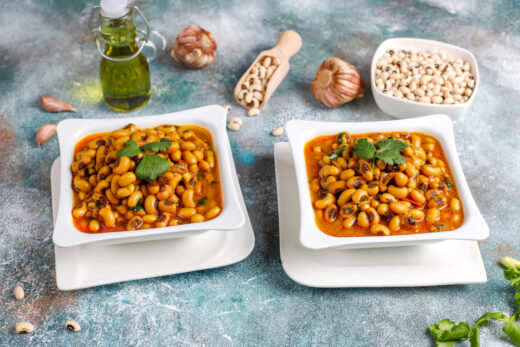

Cime di Rapa: Exploring the Traditional Leafy Turnip Greens of Italian Cuisine
Anshika Jain - November 3, 2026Krompirusa: Bosnia and Herzegovina’s Traditional Potato-Filled Pastry
Anshika Jain - November 4, 2026





Leave a Comment