

Eetch: Armenia’s Traditional Tangy Bulgur Salad with Tomatoes, Onions and Parsley

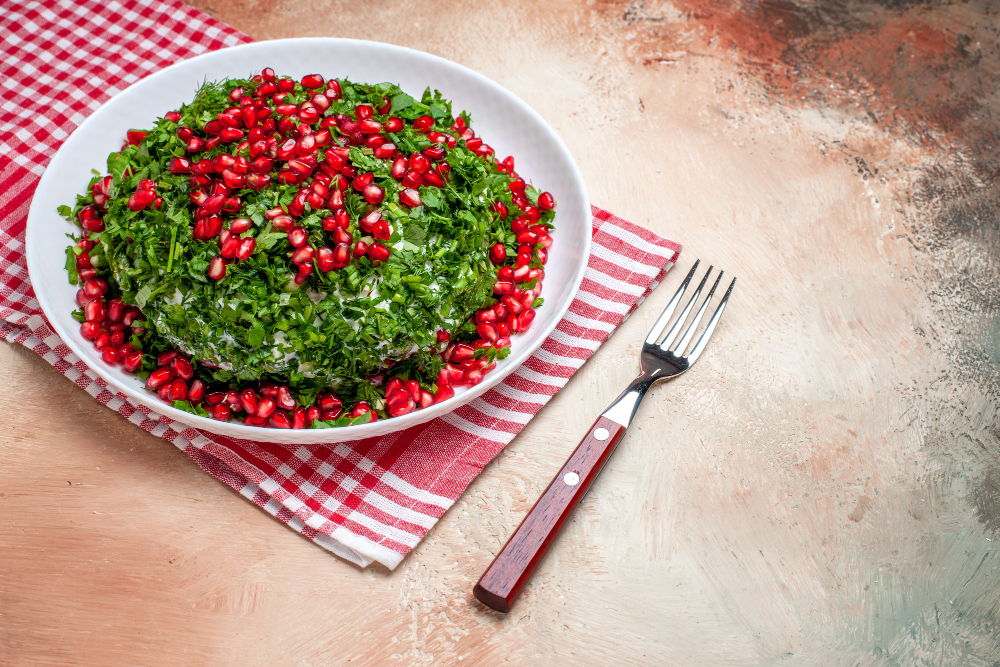
Armenian cuisine is known for its thoughtful use of grains, fresh vegetables, herbs, legumes and citrus-based seasonings. Many traditional dishes reflect a balance between simple ingredients and distinctive flavours, creating meals that are nourishing, colourful and closely connected to family food traditions. One such preparation is Eetch, a traditional Armenian bulgur dish made with tomatoes, onions, parsley, lemon juice and seasonings. It is often compared to a grain salad because of its fresh ingredients and tangy flavour, although its texture can range from moist and soft to relatively firm depending on how it is prepared.
Eetch is particularly interesting because it transforms bulgur wheat, an everyday grain used across the Middle East and Mediterranean regions, into a flavourful vegetarian preparation. Tomatoes provide moisture and acidity, onions add sweetness and sharpness, parsley contributes freshness, and lemon juice gives the dish its characteristic tang. Some recipes also include tomato paste, red pepper paste, olive oil, mint and spices to create a deeper flavour.
The dish is associated with Armenian home cooking and is especially familiar within Armenian communities, including the diaspora. It can be served as a light meal, a side dish, an appetiser or part of a larger spread. Its ingredients are relatively accessible, and the preparation does not usually require complicated cooking equipment. In many versions, fine bulgur softens through contact with hot tomato mixture and liquid rather than being boiled separately.
Eetch demonstrates how grains can become the centre of a satisfying plant-based dish when combined with fresh vegetables, herbs and carefully balanced seasoning. Its combination of acidity, mild sweetness and savoury depth makes it a distinctive part of Armenian culinary heritage.
The Origins and Cultural Significance of Eetch
Eetch is a traditional Armenian preparation with strong connections to the country’s grain-based food culture. Bulgur has long been used in Armenian cooking because it is practical, versatile and suitable for storage. Made from wheat that is cooked, dried and cracked into different sizes, bulgur can be used in pilafs, soups, salads and other everyday preparations.
The use of wheat in Armenian cuisine reflects the agricultural importance of grains throughout the region. For generations, wheat-based foods have formed an important part of household meals, providing a dependable source of energy and allowing families to prepare dishes using ingredients that could be stored for extended periods.
Eetch is also closely connected with Armenian communal food traditions. It is frequently prepared in homes and served during family meals, gatherings and celebrations. Because it can be prepared in advance and served at room temperature, it is convenient for occasions when several dishes are placed together on the table.
Although recipes vary, the central combination of bulgur, tomatoes, onions, herbs and acidity remains recognisable. Some versions are particularly tomato-rich and moist, while others contain more parsley and have a texture closer to a grain salad. The use of lemon juice, pepper paste and additional seasonings also differs between households.
Eetch is sometimes compared with Middle Eastern bulgur salads, particularly dishes that combine cracked wheat with parsley, tomatoes and lemon. However, it has its own identity within Armenian cuisine. Its preparation often places greater emphasis on the tomato mixture, which softens the bulgur and gives the dish a cohesive, deeply flavoured consistency.
The Main Ingredients That Define Eetch
The character of Eetch comes from the interaction between bulgur, tomatoes, onions, parsley and lemon. Each ingredient contributes a different flavour or texture, creating a preparation that is refreshing but also substantial enough to be served as a meal.
Bulgur Wheat: The Foundation of the Dish
Bulgur is the main ingredient and provides the structure of Eetch. It is made from whole wheat kernels that are partially cooked, dried and cracked. The grain is available in different sizes, ranging from very fine to coarse. Fine bulgur is commonly preferred for Eetch because it softens relatively quickly and creates a cohesive texture.
Unlike raw cracked wheat, bulgur has already undergone a cooking process during production. This means it often requires only soaking or hydration before it becomes ready to eat. In Eetch, the fine grains absorb moisture from the tomato mixture and soften as the ingredients rest together.
The choice of bulgur affects the final consistency. Fine bulgur produces a softer preparation in which the grains bind closely with the vegetables. Medium or coarse bulgur creates a more noticeable grain texture and may require additional soaking time or liquid.
Bulgur also provides dietary fibre, complex carbohydrates and some plant-based protein. Its mild, nutty flavour works well with acidic tomatoes and lemon juice, allowing the vegetables and herbs to remain prominent without making the dish taste overly heavy.
Tomatoes: Providing Moisture and Tanginess
Tomatoes are essential to the flavour and preparation of Eetch. They provide natural acidity, sweetness and moisture, helping soften the bulgur while creating the dish’s characteristic reddish colour.
Fresh tomatoes can be finely chopped or grated, depending on the preferred texture. Some recipes use tomato paste to intensify the flavour and produce a richer base. In certain preparations, the tomatoes are cooked briefly with onions and seasonings before the bulgur is added.
The quality of the tomatoes makes a noticeable difference. Ripe tomatoes provide natural sweetness and sufficient moisture, while less ripe varieties may produce a sharper flavour. Tomato paste can help compensate when fresh tomatoes are not particularly flavourful, although it should be used in moderation to avoid making the dish overly concentrated.
Onions: Adding Sweetness and Depth
Onions provide an important balance to the acidity of tomatoes and lemon. They are generally finely chopped so that their flavour spreads evenly throughout the bulgur.
Depending on the recipe, onions may be softened in olive oil or mixed directly into the tomato mixture. Cooking them gently reduces their sharpness and develops natural sweetness. Raw onions create a more pronounced flavour and a slightly crisp texture.
The choice between cooked and raw onions influences the overall character of Eetch. A cooked onion base produces a softer and more rounded preparation, while raw onions make the dish taste sharper and fresher.
Parsley: Freshness and Herbal Character
Fresh parsley contributes colour, fragrance and a clean herbal flavour. It is generally chopped finely and added after the bulgur has softened, helping preserve its freshness.
Parsley is particularly important because it balances the richness of the tomato mixture and the mild earthiness of the wheat. Its slightly peppery character also complements lemon juice and other seasonings.
The amount of parsley varies between recipes. Some versions use a moderate quantity, while others include enough to make the dish appear almost like a herb salad with bulgur. Freshness is important because wilted parsley can lose much of the aroma that gives Eetch its lively character.
Lemon Juice: The Defining Tangy Element
Lemon juice gives Eetch its distinctive tanginess. It balances the sweetness of tomatoes and onions while making the grain preparation taste lighter and more refreshing.
The quantity of lemon juice depends on the acidity of the tomatoes and individual preferences. Some recipes use lemon as the main source of acidity, while others rely on a combination of lemon juice and the natural tartness of tomatoes.
Freshly squeezed lemon juice is generally preferred because it provides a brighter flavour than bottled alternatives. It is often added towards the end of preparation so that its freshness remains noticeable.
Olive Oil, Pepper Paste and Seasonings
Olive oil helps distribute the flavours of the ingredients and gives the preparation a smoother texture. It may be used to soften the onions or added directly to the tomato mixture.
Some Armenian recipes include red pepper paste or tomato paste. Red pepper paste can provide additional depth and a mild warmth, depending on the variety used. Paprika, black pepper, dried mint and other seasonings may also be included.
The seasoning should enhance the bulgur and vegetables rather than overpower them. Eetch is appreciated for its balance of tangy, savoury and herbal flavours, so the use of strong spices is generally controlled.
Traditional Preparation: From Bulgur to a Flavourful Armenian Dish
Eetch is prepared through a process that allows fine bulgur to absorb the moisture and flavour of tomatoes, onions and seasonings. Some recipes cook the tomato mixture briefly, while others rely more heavily on soaking and resting. The method depends on the type of bulgur and the desired consistency.
Preparing the Bulgur
The preparation begins by measuring fine bulgur and checking it for any unwanted particles. It is generally placed in a large bowl or heat-resistant container before the tomato mixture is prepared.
Some cooks rinse the bulgur briefly, although this is not always necessary. Because bulgur is partially cooked during production, it does not need the same long boiling process as raw wheat. Instead, it softens when exposed to sufficient moisture.
The quantity of liquid is important. Too little moisture leaves the grains firm, while too much can make the dish watery. The bulgur should absorb the tomato mixture gradually until it becomes tender but still retains its grain structure.
Preparing the Tomato and Onion Base
Onions are finely chopped and softened in olive oil when a cooked version is being prepared. Tomato paste or red pepper paste may be added and stirred briefly to release its aroma. Fresh chopped or grated tomatoes are then incorporated.
The mixture is seasoned with salt, black pepper and selected spices. It is cooked gently until the tomatoes begin to soften and release their juices. The aim is to develop a flavourful, moist base rather than reduce the mixture into a thick sauce.
In some recipes, the tomato mixture is poured directly over the bulgur while still warm. The heat and moisture help the grains soften. Other versions allow the tomato base to cool slightly before it is combined with the remaining ingredients.
Combining and Hydrating the Ingredients
The bulgur is mixed with the tomato and onion preparation until the grains are evenly coated. The mixture is covered and allowed to rest so that the bulgur absorbs the liquid.
During this stage, the grains gradually become tender and take on the colour and flavour of the tomatoes. If the mixture becomes too dry before the bulgur is fully softened, a little warm water or additional tomato liquid can be added.
The consistency should be moist but not watery. The grains should remain distinguishable, even when the preparation is relatively soft.
Adding Parsley and Lemon
Once the bulgur has softened, chopped parsley and freshly squeezed lemon juice are added. These ingredients provide freshness and acidity, balancing the richer tomato and olive oil mixture.
The dish is mixed gently to distribute the herbs and lemon evenly. Some recipes include fresh mint, spring onions or additional seasoning at this stage. The final mixture is tasted and adjusted according to preference.
Eetch can be served immediately, but allowing it to rest for a short period helps the flavours combine. It is commonly enjoyed at room temperature, although some versions are served slightly warm.
Taste, Texture and Aroma
Eetch is known for its refreshing, tangy and savoury flavour. The bulgur provides a mild, nutty foundation, while tomatoes contribute natural sweetness and acidity. Lemon juice adds a brighter sour note, and parsley creates a fresh herbal finish.
The texture depends on the size of the bulgur and the amount of liquid used. Fine bulgur creates a soft and cohesive mixture, while medium-sized grains provide a more noticeable bite. The onions may add slight crunch if they are used raw, or a gentle sweetness if they are cooked.
Olive oil gives the dish a smooth mouthfeel without making it excessively heavy. Pepper paste and spices may introduce a mild warmth, but the overall flavour generally remains balanced rather than hot.
Its aroma is built around fresh parsley, tomatoes, lemon and olive oil. When the ingredients are combined, they produce a fragrance associated with Mediterranean and West Asian vegetable-based cooking. The reddish colour of the bulgur also gives Eetch an attractive appearance, especially when garnished with fresh herbs.
How Eetch Is Traditionally Served
Eetch is versatile and can be served as an appetiser, side dish or light main course. In Armenian households, it is often placed on the table as part of a larger meal featuring bread, vegetables and other traditional preparations.
Fresh Armenian bread is a natural accompaniment. Pieces of bread can be used to scoop up the bulgur mixture, making it suitable for shared dining. Lettuce leaves may also be used to hold portions of Eetch, creating a fresh and convenient way to serve it.
The dish pairs well with cucumber, tomatoes, olives and pickled vegetables. These accompaniments add different textures and flavours while maintaining the meal’s vegetable-focused character. Some people also serve it alongside hummus or other legume-based spreads, although these are not required for a traditional presentation.
Because Eetch can be served at room temperature, it is particularly convenient for gatherings and buffet-style meals. It can be prepared ahead of time, allowing the bulgur to absorb the tomato mixture before serving. However, fresh parsley and lemon may be added closer to serving to maintain their aroma.
Nutritional Value of Eetch
Eetch contains several ingredients that contribute to a varied and balanced diet. Bulgur provides complex carbohydrates, dietary fibre and plant-based protein. Its fibre content supports digestive health and helps make the preparation filling.
Tomatoes provide vitamin C, potassium and plant compounds such as lycopene. Onions contain fibre and naturally occurring plant compounds, while parsley contributes vitamin K and smaller amounts of other micronutrients. Lemon juice adds acidity and some vitamin C, although the amount depends on the quantity used.
Olive oil contributes predominantly monounsaturated fats. Its quantity affects the overall energy content of the dish, so recipes can be adjusted according to dietary preferences. The combination of grains and vegetables makes Eetch a useful plant-based option, particularly when served with additional protein-rich foods such as beans or chickpeas.
Since bulgur is made from wheat, it contains gluten and is not suitable for people with coeliac disease or those who need to avoid gluten. Individuals who require a gluten-free diet should not assume that ordinary bulgur can be substituted safely without changing the grain.
The nutritional profile also depends on the preparation method. A version made with generous olive oil or additional paste may have a different energy and sodium content from a lighter homemade preparation. Overall, Eetch is best understood as a traditional grain-and-vegetable dish that can form part of a varied vegetarian diet.
Regional Variations and Modern Interpretations
Although Eetch has a recognisable identity, its preparation differs between Armenian households and communities. Some recipes use more tomato paste, producing a deeper red colour and stronger savoury flavour. Others rely mainly on fresh tomatoes, creating a lighter and more refreshing result.
The quantity of parsley can also vary. A herb-heavy version tastes particularly fresh, while a tomato-focused preparation has a richer and more concentrated character. Some cooks include mint, spring onions or additional red pepper paste to create further layers of flavour.
The texture is another point of variation. Some preparations are soft and cohesive, while others retain a firmer grain structure. The size of the bulgur and the amount of liquid used are the main factors influencing this difference.
Modern cooks may adapt Eetch by reducing the amount of oil, adding extra vegetables or using different herbs. Some serve it as a grain bowl with roasted vegetables, while others use lettuce leaves as small edible wraps. These adaptations make the dish convenient for contemporary meals while retaining its central combination of bulgur, tomatoes, herbs and acidity.
Despite these changes, the traditional flavour profile remains easy to recognise. Its popularity among Armenian communities and people interested in Mediterranean and West Asian food demonstrates how a simple grain preparation can remain relevant across generations.
Eetch in Armenian Food Culture
Eetch reflects the importance of grains, vegetables and shared meals in Armenian food traditions. Its ingredients are familiar, but their combination creates a preparation with a distinctive identity. The dish also illustrates how Armenian cuisine uses acidity and fresh herbs to balance the richness of cooked ingredients.
Its connection with the Armenian diaspora has helped preserve the recipe in different parts of the world. Families have continued preparing it using locally available tomatoes, herbs and bulgur while maintaining the essential character of the dish.
Eetch also has a practical role in home cooking. It can be prepared in advance, served in different ways and adapted to the number of people sharing a meal. These qualities make it suitable for everyday lunches, gatherings and larger family spreads.
In addition, the dish demonstrates the versatility of bulgur. Rather than using the grain only as a side dish or pilaf ingredient, Eetch turns it into the main component of a fresh, vegetable-based preparation. This approach reflects a wider regional tradition in which grains are combined with seasonal produce to create affordable and satisfying meals.
Conclusion
Eetch is a distinctive Armenian bulgur preparation that brings together tomatoes, onions, parsley, lemon juice and aromatic seasonings. Its tangy flavour, soft grain texture and fresh herbal character make it a memorable example of traditional Armenian vegetarian cuisine.
The dish’s appeal comes from the way simple ingredients work together. Bulgur provides substance, tomatoes create moisture and depth, onions contribute sweetness, parsley adds freshness and lemon juice delivers the characteristic acidity. The preparation can be adjusted to produce different textures, from soft and cohesive to relatively firm and grain-like.
Beyond its flavour, Eetch reflects the importance of wheat-based foods and shared meals in Armenian culinary culture. It is practical to prepare, suitable for serving at room temperature and adaptable to different dining occasions. Whether enjoyed with traditional bread, fresh vegetables or as part of a larger meal, Eetch offers an introduction to the rich and varied food traditions of Armenia.
Online Internship with Certificate
You may be interested

Shan Tofu: Myanmar’s Traditional Chickpea Tofu with Garlic Oil, Herbs and Chilli
Anshika Jain - November 4, 2026Myanmar’s culinary traditions are shaped by a remarkable variety of regional ingredients, cooking techniques and cultural influences. Among its distinctive vegetarian foods, Shan tofu stands out for…
Lobio: Georgia’s Traditional Red Bean Dish with Walnuts, Coriander and Garlic
Anshika Jain - November 4, 2026Georgian cuisine is known for its distinctive combination of fresh herbs, aromatic spices, walnuts, vegetables and carefully prepared seasonal ingredients. Its traditional dishes often balance earthy flavours…

Gigantes Plaki: Greece’s Traditional Giant Butter Beans Baked in Tomato Sauce
Anshika Jain - November 4, 2026Greek cuisine is widely recognised for its use of fresh vegetables, legumes, olive oil, herbs and seasonal ingredients. Many traditional Greek dishes demonstrate how simple plant-based foods…
Most from this category
Krompirusa: Bosnia and Herzegovina’s Traditional Potato-Filled Pastry
Anshika Jain - November 4, 2026

Cime di Rapa: Exploring the Traditional Leafy Turnip Greens of Italian Cuisine
Anshika Jain - November 3, 2026Krompirusa: Bosnia and Herzegovina’s Traditional Potato-Filled Pastry
Anshika Jain - November 4, 2026





Leave a Comment