

Shan Tofu: Myanmar’s Traditional Chickpea Tofu with Garlic Oil, Herbs and Chilli

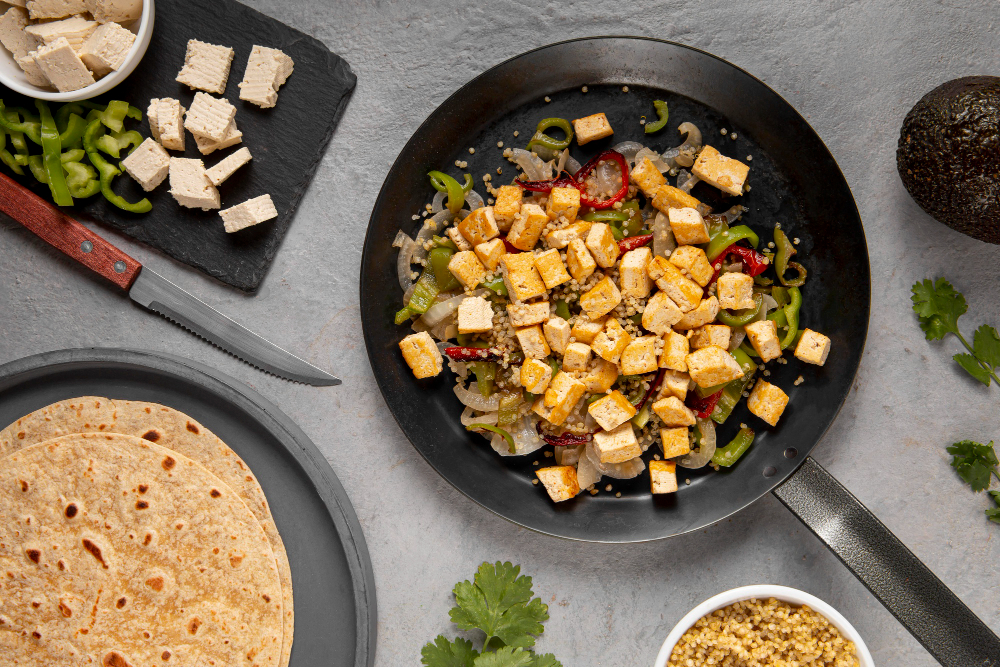
Myanmar’s culinary traditions are shaped by a remarkable variety of regional ingredients, cooking techniques and cultural influences. Among its distinctive vegetarian foods, Shan tofu stands out for its unusual preparation and smooth, delicate texture. Unlike conventional tofu, which is generally made by coagulating soy milk, Shan tofu is prepared from chickpea flour and water. The mixture is cooked until it thickens into a soft, creamy consistency, then allowed to set into a sliceable form. This simple technique creates a completely different kind of tofu, one that has become an important part of the food culture of the Shan people in eastern Myanmar.
Known locally as a traditional Shan preparation, this chickpea-based dish demonstrates how everyday ingredients can be transformed through careful cooking. Its mild flavour makes it suitable for a wide range of seasonings, while its soft texture allows it to be served in several forms. Shan tofu may be cut into cubes, sliced, fried until lightly crisp or served as part of a noodle dish. It is commonly accompanied by garlic-infused oil, chilli, herbs and other flavourful additions that complement its gentle taste.
Shan tofu is particularly interesting because it challenges the common understanding of tofu as a soy-based product. It offers a different approach to plant-based protein and reflects the resourcefulness of regional cooking traditions. From traditional markets and street-food stalls to home kitchens and contemporary vegetarian restaurants, this chickpea preparation continues to demonstrate the diversity of Myanmar’s food heritage.
The Origins of Shan Tofu in Myanmar
Shan tofu originates from the Shan State of eastern Myanmar, a region known for its varied landscapes, agricultural communities and distinctive food traditions. The Shan people have developed a culinary identity influenced by local crops, neighbouring cultures and centuries of regional exchange. Their cuisine includes rice-based meals, noodle preparations, fresh herbs, vegetables, fermented ingredients and a range of dishes that balance mild flavours with aromatic seasonings.
The use of chickpeas in Shan tofu reflects the importance of pulses and legumes in traditional food preparation. Chickpeas are valued because they are filling, versatile and suitable for different cooking methods. When ground into flour and combined with water, they form a mixture that can be transformed into a thick, smooth preparation through controlled heating. This technique does not require the milk extraction and coagulation process associated with soy tofu.
Shan tofu is closely associated with the food culture of the Shan region, although its popularity has extended beyond its place of origin. It can be found in different parts of Myanmar, particularly where Shan communities have established markets, restaurants and food businesses. Its preparation has also attracted interest among people outside Myanmar who are exploring traditional plant-based foods.
The dish is a useful example of how regional cuisines create their own interpretations of familiar food categories. Although it is called tofu, its ingredients and preparation method are closer to a cooked chickpea paste that sets into a firm or semi-firm block. This difference gives Shan tofu its distinctive character and makes it an important part of Myanmar’s diverse vegetarian food traditions.
What Makes Shan Tofu Different from Conventional Tofu?
The most noticeable difference between Shan tofu and conventional tofu lies in their main ingredients. Traditional tofu is usually made from soybeans. The beans are soaked, ground with water, cooked and strained to produce soy milk. A coagulant is then added to separate the curds from the liquid. These curds are collected and pressed into blocks of varying firmness.
Shan tofu follows a much simpler process. Chickpea flour is mixed directly with water to create a smooth liquid mixture. This mixture is heated while being stirred continuously until its starches and proteins help it thicken. Once sufficiently cooked, it is poured into a container and left to cool. As it sets, it develops a soft, cohesive structure that can be cut into pieces.
This difference affects the final texture, taste and cooking behaviour of the two foods. Soy tofu often has a relatively neutral flavour and can range from silky to very firm depending on its preparation. Shan tofu has a gentle chickpea flavour and a naturally creamy consistency. Its texture may be soft and delicate when freshly prepared, while firmer versions can hold their shape when sliced or fried.
The chickpea base also gives Shan tofu a slightly different nutritional profile. Chickpeas provide plant protein, dietary fibre and several minerals, although the precise amounts in the finished dish depend on the flour, preparation method and serving size. Because it does not require soybeans, Shan tofu offers an alternative for people who prefer chickpea-based foods or want to explore different forms of plant-based cooking.
The Main Ingredients Used in Shan Tofu
Chickpea Flour
Chickpea flour is the defining ingredient in Shan tofu. It is generally made by grinding dried chickpeas into a fine powder. In some markets, it is known as gram flour or besan, although flour types and grinding methods can vary. The quality and fineness of the flour influence how smoothly the mixture combines with water and how evenly it cooks.
Chickpea flour contributes the dish’s characteristic mild, nutty flavour. It also provides the proteins and starches that help create the tofu-like consistency. A finely ground flour is particularly useful because it produces a smoother mixture and reduces the likelihood of lumps during cooking.
Water
Water is combined with chickpea flour to create the base mixture. The proportion of water determines the final consistency. A higher proportion generally produces a softer preparation, while a thicker mixture can create a firmer block once cooled. The mixture needs to be thoroughly blended before heating so that the flour disperses evenly.
Garlic and Garlic Oil
Garlic is one of the important flavouring ingredients commonly associated with Shan tofu. Its strong aroma complements the mild chickpea base and adds depth to the finished dish. Garlic oil, prepared by gently heating garlic in oil, is often drizzled over tofu slices or cubes before serving.
The oil carries the garlic’s aroma throughout the dish and provides richness. Depending on the preparation, the garlic may be lightly golden and fragrant or cooked until crisp. Care is needed to prevent burning, as overcooked garlic can develop a bitter flavour.
Chilli
Chilli adds heat and colour to Shan tofu. Fresh chillies, dried chilli flakes or chilli oil may be used depending on the recipe and desired intensity. The mild flavour of chickpea tofu makes it particularly suitable for spicy accompaniments because it absorbs and balances the seasoning without becoming overpowering.
Fresh Herbs and Other Seasonings
Fresh coriander, spring onions and other herbs may be used to add freshness and contrast. Some preparations include lime or another souring ingredient to balance the richness of garlic oil. Salt is added to season the tofu mixture or the accompanying dressing.
The precise combination of toppings varies across households, food stalls and restaurants. This flexibility is one reason Shan tofu can be served in different ways while retaining its recognisable chickpea-based identity.
How Shan Tofu Is Traditionally Prepared
The preparation of Shan tofu depends on achieving a smooth mixture and cooking it to the correct thickness. Although the ingredient list is relatively short, the cooking process requires attention because chickpea flour can form lumps if it is added unevenly or heated without sufficient stirring.
The process begins by mixing chickpea flour with water in a bowl. The flour is gradually incorporated into the liquid and whisked until no visible lumps remain. Some cooks allow the mixture to rest briefly so that the flour becomes fully hydrated. The mixture may then be passed through a sieve if a particularly smooth texture is desired.
The prepared liquid is transferred to a heavy-bottomed pan and heated over a moderate flame. Continuous stirring is important as the mixture gradually thickens. At first, it may appear thin and fluid, but as the temperature rises, it begins to develop a heavier consistency. The cook must keep moving the mixture across the bottom and sides of the pan to prevent sticking or uneven cooking.
Once cooked, the mixture is poured into a shallow tray or mould. The surface is levelled, and the tofu is allowed to cool. During cooling, it becomes firmer and easier to handle. After setting, it can be removed from the container and cut into slices, cubes or other shapes.
Some versions are served directly after setting, while others are cooked again through frying or pan-searing. The tofu can also be incorporated into noodles, salads and other preparations. The final dish is often finished with garlic oil, chilli and fresh herbs to provide a combination of aroma, heat and freshness.
Texture, Taste and Culinary Characteristics
Shan tofu has a texture that distinguishes it from many other plant-based foods. When freshly prepared and properly set, it is generally soft, smooth and slightly elastic. It can be cut into pieces without crumbling easily, although very soft versions may require careful handling. Its consistency can resemble a delicate savoury pudding or a tender bean-based custard more than the dense texture of pressed soy tofu.
The flavour is mild, with a subtle nutty quality from the chickpea flour. It is not usually intended to be eaten as a strongly flavoured ingredient on its own. Instead, its neutral character provides a foundation for aromatic toppings and sauces. Garlic oil adds richness, chilli contributes heat, and fresh herbs introduce a bright, refreshing contrast.
The texture changes depending on how Shan tofu is served. Freshly set tofu is soft and creamy, while pan-fried pieces develop a lightly browned exterior. The contrast between a crisp surface and a tender interior makes fried Shan tofu particularly appealing. When added to soups or noodle dishes, it can absorb some of the surrounding flavours while retaining its distinctive structure.
This combination of mild taste and adaptable texture allows Shan tofu to work in several types of meals. It can be presented as a simple snack, included in a more substantial noodle preparation or served alongside vegetables and sauces as part of a larger meal.
Popular Ways to Serve Shan Tofu
Shan Tofu with Garlic Oil and Chilli
One of the simplest ways to enjoy Shan tofu is to serve it with garlic-infused oil and chilli. The tofu is sliced or cut into bite-sized pieces and arranged on a plate. Garlic oil is drizzled over the surface, followed by chilli flakes or chilli oil. Fresh herbs may be added to provide colour and freshness.
This preparation allows the chickpea flavour to remain noticeable while giving the dish a more intense aroma. It can be enjoyed as a snack, a starter or a side dish. The contrast between the soft tofu and the aromatic oil makes this serving style particularly satisfying.
Shan Tofu Noodles
Shan cuisine is also known for its noodle preparations, and tofu can be incorporated into noodle-based meals. Chickpea tofu may be served alongside rice noodles, vegetables, herbs and a seasoned dressing. The noodles provide a soft and slightly chewy base, while the tofu adds another texture and contributes plant-based protein.
Depending on the recipe, the dish may include garlic, chilli, soy-based seasoning, lime or other flavourings. The result is a meal in which the mild tofu balances the stronger flavours of the dressing and accompanying ingredients.
Fried Shan Tofu
Frying provides another way to transform the texture of Shan tofu. The set block is cut into slices or cubes and cooked in a pan with a suitable amount of oil. The outside develops a lightly golden surface, while the interior remains soft.
Fried Shan tofu can be served with chilli sauce, garlic oil or a fresh herb dressing. It can also be added to vegetable dishes or noodle bowls. This preparation is particularly useful when a firmer texture is preferred, although the tofu should be handled carefully to prevent softer pieces from breaking apart.
Shan Tofu Salad
A salad-style preparation combines chickpea tofu with fresh vegetables and herbs. The tofu may be cut into cubes and mixed with sliced onions, tomatoes, coriander and other seasonal ingredients. A dressing made with lime juice, garlic, chilli and oil adds flavour and helps bring the ingredients together.
This version offers a refreshing contrast to richer preparations. It also demonstrates how Shan tofu can be incorporated into a meal without requiring complicated cooking techniques after the tofu itself has been prepared.
Shan Tofu and Myanmar’s Food Culture
Food in Myanmar reflects the country’s geographical diversity and the interaction of different communities. Rice, noodles, legumes, vegetables, herbs and fermented ingredients form important parts of everyday cooking. Regional food traditions often develop around ingredients that are locally accessible and techniques that can be repeated in home kitchens and small food businesses.
Shan tofu represents this relationship between local ingredients and practical cooking knowledge. Its preparation does not depend on specialised equipment or complicated processing. Chickpea flour, water, a cooking vessel and consistent stirring are sufficient to create the basic product. This simplicity has helped make the dish adaptable to different settings, from household kitchens to market stalls.
Its identity is also closely connected with Shan cuisine, which has a distinct place within Myanmar’s broader culinary landscape. Shan dishes are known for their use of fresh herbs, noodles, vegetables and carefully balanced seasonings. Shan tofu fits naturally into this food culture because it can be prepared in advance and served with different accompaniments.
The dish also illustrates how food traditions can travel with communities. As Shan people and their culinary practices have reached other parts of Myanmar and beyond, ingredients and preparation methods associated with the region have become more widely recognised. Shan tofu is now appreciated by people interested in regional Asian cuisine, vegetarian food and alternatives to conventional soy products.
Nutritional Value of Shan Tofu
Shan tofu can contribute useful nutrients to a balanced vegetarian diet. Its nutritional composition depends on the proportion of chickpea flour and water used, the serving size and the toppings added during preparation. Because chickpeas are the main ingredient, the dish provides plant-based protein along with carbohydrates and small amounts of naturally occurring fat.
Chickpeas contain dietary fibre, which supports digestive health and contributes to a feeling of fullness. Fibre also plays a role in supporting healthy bowel function and can help moderate the rate at which carbohydrates are absorbed. However, the final fibre content of Shan tofu depends on the flour used and how much of it is present in each serving.
The protein in chickpea flour makes Shan tofu a useful ingredient in vegetarian meals. Protein supports the maintenance and repair of body tissues and contributes to normal physiological functions. Although chickpeas provide protein, Shan tofu should not automatically be considered nutritionally identical to soy tofu. The protein content and amino acid profile differ, and overall dietary variety remains important.
Chickpeas also contain minerals such as iron, magnesium, phosphorus and potassium, along with folate and other B-group vitamins. These nutrients support different functions in the body, including energy metabolism, normal muscle function and the production of healthy blood cells. The actual amount present in a serving will depend on the recipe and cooking method.
Shan tofu can therefore be a valuable part of a varied plant-based diet, particularly when served with vegetables, whole grains and other protein-rich foods. It is important to remember that it is not a complete substitute for every other protein source. A balanced diet benefits from including a range of legumes, nuts, seeds, grains and vegetables.
Shan Tofu Compared with Other Plant-Based Tofu Alternatives
Shan tofu belongs to a wider group of foods that use plant ingredients to create tofu-like textures. However, its chickpea-based preparation gives it a distinctive position among these alternatives.
Conventional soy tofu is made by coagulating soy milk and pressing the resulting curds. It is widely used in East and Southeast Asian cooking and is available in silken, soft, firm and extra-firm forms. Its flavour is relatively neutral, making it suitable for soups, stir-fries, grilling and many other preparations.
Shan tofu, by contrast, is made by cooking chickpea flour directly with water. It does not require the separation of curds from liquid, and its texture develops through heating and cooling. This process gives it a creamy, cohesive consistency and a mild chickpea flavour.
Another related preparation is Burmese tofu, a broader term often used internationally for chickpea or split-pea-based tofu. The names and recipes can vary, and some preparations use different pulses or flour combinations. Shan tofu is particularly associated with the Shan region and its culinary traditions, while the wider category demonstrates how similar techniques can appear in different regional food cultures.
These alternatives are valuable because they show that tofu-like foods do not need to rely on a single ingredient or production method. Different legumes can create foods with their own textures, flavours and nutritional characteristics.
Modern Variations and Contemporary Popularity
Interest in plant-based eating has encouraged chefs and home cooks to explore traditional foods that offer alternatives to familiar ingredients. Shan tofu has gained attention in this context because its chickpea base makes it suitable for people who want to experiment beyond soy-based products.
Contemporary cooks may incorporate it into grain bowls, vegetable plates, wraps and fusion-style meals. Its mild flavour makes it easy to pair with roasted vegetables, fresh salads, spicy sauces and different herb combinations. It can also be used as a protein-rich component in meals inspired by other Asian cuisines, provided the accompanying flavours are adapted carefully.
Some modern versions experiment with the firmness of the tofu by adjusting the flour-to-water ratio. A softer preparation can be used in warm dishes, while a firmer block is easier to slice, fry or grill. Seasonings may also be added directly to the mixture during cooking, although traditional preparations often allow the tofu’s mild flavour to be complemented by toppings and sauces.
Restaurants interested in vegetarian and vegan menus may find Shan tofu useful because it provides a different texture from conventional tofu. It can introduce customers to Myanmar’s food culture while offering a practical way to diversify plant-based menus. However, its traditional identity remains important, and modern adaptations are best understood as variations rather than replacements for regional preparation methods.
Tips for Preparing Shan Tofu Successfully at Home
Preparing Shan tofu at home is relatively straightforward, but a few details can make a significant difference to the result. The first is selecting finely ground chickpea flour. Coarse or uneven flour may produce a less smooth texture, while good-quality flour makes it easier to create a consistent mixture.
The flour should be mixed thoroughly with water before heating. Adding dry flour directly to a hot pan can cause lumps to form, making it difficult to achieve the characteristic smooth consistency. Whisking the mixture while it is still cold or at room temperature helps distribute the flour evenly.
Cooking requires patience and continuous stirring. As the mixture thickens, it becomes heavier and more likely to stick to the bottom of the pan. A thick-bottomed cooking vessel and moderate heat can help prevent scorching. The mixture should be cooked until it loses its raw flour taste and becomes sufficiently dense to set.
The tofu should be poured into a container while it is still hot and workable. Allowing it to cool undisturbed helps it develop a more even structure. If the finished tofu is too soft to cut, the next preparation can use a slightly higher proportion of flour or a longer cooking period. If it becomes excessively dense, the mixture may need more water.
Freshly prepared Shan tofu should be handled gently, particularly when it has a soft consistency. For frying, it is useful to cut the tofu into pieces only after it has set properly. Cooking the pieces over moderate heat helps develop a browned exterior without breaking them apart.
Conclusion
Shan tofu is one of Myanmar’s most distinctive traditional vegetarian foods. Made from chickpea flour and water rather than coagulated soy milk, it offers a different interpretation of tofu through a simple but effective cooking technique. Its smooth texture, mild nutty flavour and ability to absorb seasonings make it suitable for a variety of dishes, from garlic-and-chilli preparations to noodles, salads and lightly fried snacks.
Beyond its culinary versatility, Shan tofu represents the resourcefulness of Shan food culture. It demonstrates how locally familiar ingredients can be transformed into a versatile everyday food without requiring complicated equipment or extensive processing. Its use of chickpeas also makes it an interesting option for people exploring plant-based cooking and alternative sources of protein.
As interest in regional cuisines and vegetarian foods continues to grow, Shan tofu offers an opportunity to discover a lesser-known part of Myanmar’s culinary heritage. Whether enjoyed in a traditional preparation with garlic oil and fresh herbs or incorporated into a contemporary meal, it remains a simple yet distinctive example of how food traditions preserve cultural identity while adapting to changing tastes.
Online Internship with Certificate
You may be interested
Eetch: Armenia’s Traditional Tangy Bulgur Salad with Tomatoes, Onions and Parsley
Anshika Jain - November 4, 2026Armenian cuisine is known for its thoughtful use of grains, fresh vegetables, herbs, legumes and citrus-based seasonings. Many traditional dishes reflect a balance between simple ingredients and…
Lobio: Georgia’s Traditional Red Bean Dish with Walnuts, Coriander and Garlic
Anshika Jain - November 4, 2026Georgian cuisine is known for its distinctive combination of fresh herbs, aromatic spices, walnuts, vegetables and carefully prepared seasonal ingredients. Its traditional dishes often balance earthy flavours…
Gigantes Plaki: Greece’s Traditional Giant Butter Beans Baked in Tomato Sauce
Anshika Jain - November 4, 2026Greek cuisine is widely recognised for its use of fresh vegetables, legumes, olive oil, herbs and seasonal ingredients. Many traditional Greek dishes demonstrate how simple plant-based foods…
Most from this category
Krompirusa: Bosnia and Herzegovina’s Traditional Potato-Filled Pastry
Anshika Jain - November 4, 2026
Cime di Rapa: Exploring the Traditional Leafy Turnip Greens of Italian Cuisine
Anshika Jain - November 3, 2026Krompirusa: Bosnia and Herzegovina’s Traditional Potato-Filled Pastry
Anshika Jain - November 4, 2026

Leave a Comment