

Nachni Ambil: A traditional fermented finger-millet drink or thin porridge.

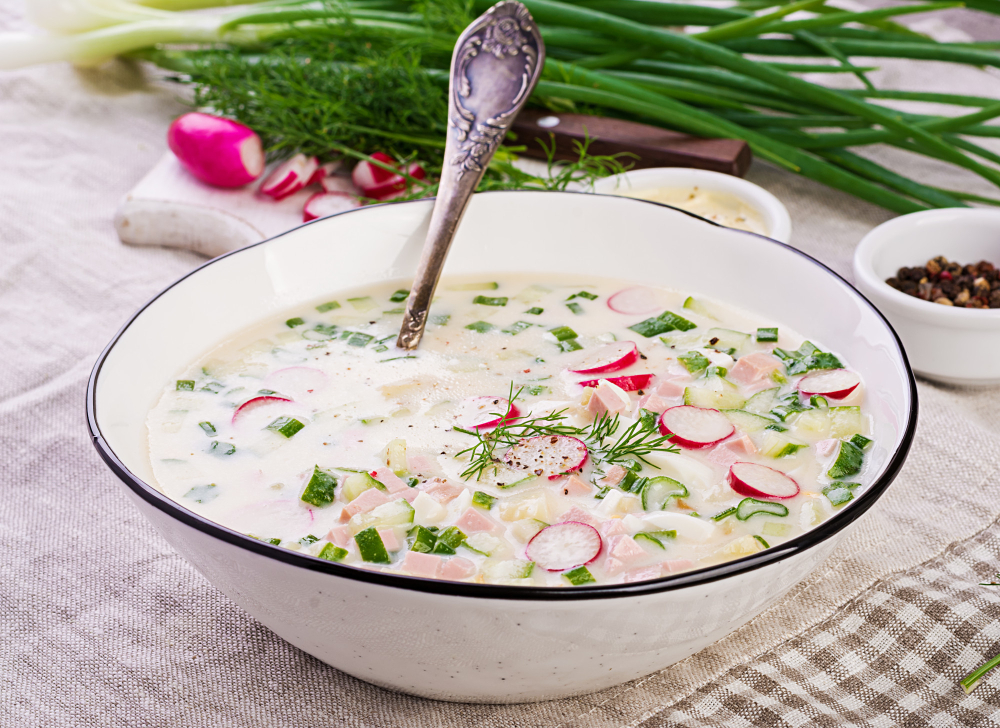
Traditional Indian food culture includes many recipes that combine local grains, seasonal ingredients and simple preparation techniques. Among these lesser-known regional preparations is Nachni Ambil, a traditional Maharashtrian drink or thin porridge made primarily from nachni, also known as ragi or finger millet. It is valued for its earthy flavour, mildly sour taste and refreshing consistency, making it particularly suitable for warm weather. Prepared with finger-millet flour, water, curd or buttermilk and everyday spices, this humble dish represents the traditional use of millets in regional Indian cooking.
Nachni Ambil is more than an ordinary millet beverage. Its preparation reflects an understanding of how cooking and fermentation can change the flavour, texture and characteristics of grains. Depending on household and regional preferences, the mixture may be cooked and served with buttermilk or allowed to ferment before being diluted into a drinkable consistency. Some versions resemble a thin savoury porridge, while others are served as a light, tangy beverage.
What Is Nachni Ambil?
Nachni Ambil is a savoury preparation made using finger-millet flour, water and fermented or cultured dairy ingredients such as curd and buttermilk. In Marathi, nachni refers to finger millet, while ambil describes a thin, liquid or semi-liquid preparation. The dish is sometimes called Nachaniche Ambil or Nachni Chi Ambil, reflecting variations in regional pronunciation and naming.
Its consistency can range from a light drink to a slightly thick porridge. The flavour is generally mild, earthy and tangy, with additional taste coming from cumin, garlic, green chilli, coriander and salt. Unlike sweet ragi malt, which may contain milk, jaggery or sugar, the savoury Maharashtrian preparation is usually seasoned with spices and served as a refreshing accompaniment or light meal.
The exact preparation is not identical in every household. Some cooks prepare a smooth mixture by cooking nachni flour in water and adding diluted curd or buttermilk after cooling. These variations create differences in flavour and texture while retaining finger millet as the central ingredient.
The Importance of Nachni in Maharashtrian Food Culture
Finger millet has a long history in Indian agriculture and traditional food systems. Known as ragi in several Indian languages and nachni in Maharashtra, it is used to prepare bhakri, porridge, malt-based beverages and other household foods. Its popularity is connected to its versatility, nutritional composition and ability to grow under challenging agricultural conditions.
Maharashtra is among India’s important millet-producing states. Millets have historically supported food systems in regions where rainfall patterns, soil conditions and agricultural resources influence the choice of crops. Finger millet can be processed into flour and used in different preparations without requiring complicated equipment. This makes it suitable for household cooking, particularly in communities that traditionally rely on locally available grains.
Nachni Ambil reflects this relationship between agriculture and everyday cooking. Rather than using expensive or specialised ingredients, it transforms a locally familiar grain into a practical savoury preparation. Its continued presence in traditional food practices also demonstrates how regional communities have developed different ways of using the same agricultural ingredient.
Ingredients That Give Nachni Ambil Its Character
The foundation of Nachni Ambil is finger-millet flour. Its natural earthy flavour and dark reddish-brown colour give the preparation its distinctive appearance. When mixed with water and cooked, the flour develops a smooth, slightly thick consistency. The quantity of flour and water determines whether the final dish resembles a drink or a spoonable porridge.
Curd or buttermilk contributes the characteristic tanginess. Buttermilk is particularly suitable because it can be mixed into the cooked millet base to create a lighter consistency. Fresh curd diluted with water can also be used to prepare homemade buttermilk. In fermented versions, cultured dairy may contribute microorganisms and a more pronounced sour flavour.
Cumin is another important ingredient because its warm, slightly roasted flavour complements the earthy taste of nachni. Garlic provides a stronger savoury character, while green chilli introduces mild heat. Salt balances the overall flavour, and fresh coriander can be added for aroma and freshness. Some household preparations also include asafoetida or black salt.
These ingredients are vegetarian and commonly available in Indian kitchens. The recipe can also be adapted for people who avoid dairy by using a suitable unsweetened plant-based alternative, although this changes the traditional flavour and fermentation characteristics.
How Traditional Fermentation Influences Nachni Ambil
Fermentation is one of the most interesting aspects of traditional millet preparations. It involves the activity of microorganisms that transform components of food, producing changes in acidity, aroma, flavour and texture. In cereal-based preparations, naturally occurring or added microorganisms can contribute to the development of a mildly sour taste.
When finger-millet flour is mixed with water and kept under suitable conditions, fermentation may gradually change the mixture. The resulting acidity gives the preparation a distinctive tanginess. When cultured curd or buttermilk is used, lactic-acid bacteria associated with these dairy products can also contribute to the fermentation process.
The Food Safety and Standards Authority of India (FSSAI), in its Healthy Gut, Healthy You: Traditional Recipes with Potential Probiotic Benefits publication, includes traditional millet preparations such as Ragi Koozh and Ragi Ambli. The Ragi Koozh recipe describes fermenting a finger-millet mixture overnight for approximately seven to eight hours before cooking it and combining it with curd. The Ragi Ambli recipe uses finger-millet flour, water, cumin, garlic, salt and buttermilk or curd to create a savoury preparation.
These examples demonstrate that fermented millet foods can be prepared through different methods. However, fermentation does not automatically make every homemade preparation a scientifically verified probiotic product. The microorganisms present and their survival depend on the ingredients, preparation conditions, temperature and storage practices.
Traditional Vegetarian Recipe for Nachni Ambil
A homemade version of Nachni Ambil can be prepared using a small quantity of finger-millet flour, water, curd or buttermilk and traditional spices. For approximately two servings, use around four tablespoons of nachni flour, two cups of water, half a cup of fresh curd or buttermilk, half a teaspoon of cumin powder, one small garlic clove, salt to taste and a little chopped coriander. Green chilli can be added according to personal preference.
Begin by placing the nachni flour in a bowl and gradually adding water while stirring continuously. The mixture should become smooth without visible lumps. In a separate pan, heat the remaining water and add cumin, finely chopped garlic and salt. Allow the mixture to simmer briefly so that the spices release their flavour into the water.
Slowly pour the prepared nachni mixture into the simmering water while stirring continuously. Cook over a low to medium flame until the flour is completely cooked and the mixture begins to thicken. It is important not to rush this stage because uncooked finger-millet flour can leave a raw taste and an unpleasant texture. Stirring regularly also prevents the mixture from sticking to the bottom of the pan.
It should develop a clean, mildly sour aroma. If it develops an unpleasant smell, visible mould or unusual discolouration, it should be discarded. Refrigeration is recommended once the desired flavour has developed.
Nutritional Characteristics of Finger Millet
Finger millet is valued for its nutritional composition, particularly its mineral content and dietary fibre. It contains carbohydrates that provide energy, along with plant protein and minerals such as calcium and iron. Its nutritional value makes it an interesting alternative to relying exclusively on refined cereal products.
Calcium is one of the most recognised nutritional characteristics of finger millet. It contributes to normal bone and dental health, while iron plays an important role in oxygen transport and several metabolic processes. Finger millet also contains dietary fibre, which contributes to digestive function and can help make meals more filling.
The nutritional profile of Nachni Ambil depends on the amount of flour used, the quantity of curd or buttermilk added and the final serving size. Dairy ingredients contribute additional protein and calcium, while spices mainly contribute flavour. A thin preparation with more water will have a different nutrient concentration per glass compared with a thicker porridge made using the same quantity of flour.
It is important to avoid treating Nachni Ambil as a complete replacement for a balanced diet. Although finger millet offers valuable nutrients, the body requires a variety of foods to obtain sufficient protein, vitamins, healthy fats and other essential nutrients. Combining millet-based preparations with vegetables, pulses, fruits and other wholesome foods can support a more balanced eating pattern.
Potential Role in Digestive Wellness
Fermented foods have attracted increasing attention because fermentation can change the composition and characteristics of food. In certain preparations, lactic-acid bacteria produce organic acids that contribute to sourness and may influence the digestibility and storage characteristics of the food.
When Nachni Ambil is prepared with cultured curd or buttermilk, it combines a cereal ingredient with a fermented dairy product. This makes it an interesting example of a traditional food that brings together plant-based grain nutrition and cultured dairy ingredients. However, it is important to distinguish between a fermented food and a product with a clinically established probiotic benefit.
For people who enjoy tangy foods, Nachni Ambil can be included as one part of a varied vegetarian diet. Its suitability may differ according to individual digestive tolerance, particularly for people who are sensitive to dairy products or sour foods.
Why Nachni Ambil Is Suitable for Warm Weather
Traditional food practices often reflect the climatic conditions of the regions in which they developed. In Maharashtra, where many areas experience hot summers, light drinks and thin porridges have an established place in seasonal eating habits.
Nachni Ambil can be served chilled or at room temperature, depending on the household’s preference. Its drinkable consistency makes it convenient to consume alongside a meal or as a light refreshment. The combination of water, buttermilk and millet flour provides both fluid and energy, while cumin, garlic and coriander create a savoury flavour.
Unlike many commercially packaged summer beverages, homemade Nachni Ambil can be prepared with a limited number of ingredients and without added artificial colours or excessive sweeteners. Its flavour can be adjusted naturally through spices and the proportion of curd or buttermilk.
Nevertheless, it should not be considered a substitute for drinking sufficient safe water during hot weather. Proper hydration remains important, especially during periods of high temperature or physical activity.
Variations in Texture and Flavour
One of the advantages of Nachni Ambil is that its consistency can be adapted to different preferences. A thinner version can be prepared by adding more water or buttermilk after cooking. This creates a light drink that can be served in a glass. A thicker version uses a higher proportion of nachni flour and can be eaten with a spoon as a savoury porridge.
The flavour can also be adjusted through the choice of spices. Cumin and coriander create a mild traditional taste, while garlic and green chilli give the preparation a stronger savoury profile. Some households prefer black salt for a more pronounced tangy taste, while others use ordinary salt to maintain a simpler flavour.
The degree of sourness is another variable. A freshly prepared version has a mild dairy tang, whereas a fermented version can develop a stronger acidic flavour. These differences make Nachni Ambil adaptable without changing its central identity as a finger-millet-based vegetarian preparation.
Nachni Ambil and the Revival of Traditional Millet Foods
The renewed interest in millets has created opportunities to bring traditional foods into contemporary kitchens. Consumers are increasingly exploring regional grains as alternatives to familiar refined cereals, while chefs and food entrepreneurs are experimenting with millet-based drinks, snacks and ready-to-cook products.
However, commercialisation should preserve the character of the dish rather than turning it into an overly processed beverage. The natural flavour of nachni, the balance of sourness and the simplicity of its ingredients are central to its appeal. Any packaged version would also need appropriate food-safety controls, particularly if fermentation is involved.
The revival of Nachni Ambil can also support awareness of regional agricultural ingredients and traditional cooking knowledge. Promoting such foods may encourage greater use of millet flour and strengthen the connection between local farming, food culture and everyday nutrition.
Conclusion
Nachni Ambil is a distinctive Maharashtrian vegetarian preparation that demonstrates how a simple grain can be transformed into a refreshing drink or nourishing thin porridge. Made with finger millet, water, curd or buttermilk and traditional spices, it combines an earthy cereal flavour with mild tanginess and a flexible consistency. Its variations in cooking and fermentation reflect the diversity of household food traditions across the region.
The dish also highlights the importance of finger millet in India’s agricultural and culinary heritage. Its calcium, dietary fibre and other nutrients make it a valuable ingredient in a balanced vegetarian diet, while its fermented variations demonstrate the role of traditional food-processing methods in shaping flavour and texture.
As interest in regional Indian cuisine and millet-based foods continues to grow, Nachni Ambil deserves greater recognition beyond its traditional household setting. It offers a practical way to explore Maharashtra’s food heritage while appreciating the nutritional and culinary possibilities of finger millet.
Online Internship with Certificate
You may be interested
Sago Gula Melaka: Malaysia’s Traditional Tapioca Pearl Dessert with Coconut Milk and Palm Sugar
Anshika Jain - November 17, 2026Sago Gula Melaka is a much-loved Malaysian dessert that brings together three simple ingredients to create a distinctive combination of textures and flavours: soft, translucent sago pearls,…
Khanom Chan: Thailand’s Traditional Colourful Layered Coconut Dessert
Anshika Jain - November 17, 2026Thai cuisine is celebrated for its ability to combine delicate flavours, attractive presentation and carefully developed textures. Among its traditional sweets, Khanom Chan stands out for its…
Cocada: Brazil’s Traditional Coconut Sweet Made with Grated Coconut and Sugar
Anshika Jain - November 17, 2026Brazilian cuisine is known for its colourful ingredients, tropical flavours and desserts that reflect the country's diverse cultural heritage. Among its most recognisable traditional sweets is Cocada,…
Most from this category
Sutlijaš: The Traditional Balkan Rice Pudding Made with Milk, Sugar and Cinnamon
Anshika Jain - November 17, 2026
Nadru Yakhni: Kashmir’s Traditional Lotus Stem Curry in a Fragrant Yoghurt Sauce
Anshika Jain - November 17, 2026

Mocha Ghonto: Bengal’s Banana Blossom Curry with Potatoes and Bengali Spices
Anshika Jain - November 13, 2026Sutlijaš: The Traditional Balkan Rice Pudding Made with Milk, Sugar and Cinnamon
Anshika Jain - November 17, 2026Nadru Yakhni: Kashmir’s Traditional Lotus Stem Curry in a Fragrant Yoghurt Sauce
Anshika Jain - November 17, 2026Fara: Traditional Steamed Rice-Flour Dumplings of Chhattisgarh
Anshika Jain - November 13, 2026


Leave a Comment