

Cocada: Brazil’s Traditional Coconut Sweet Made with Grated Coconut and Sugar

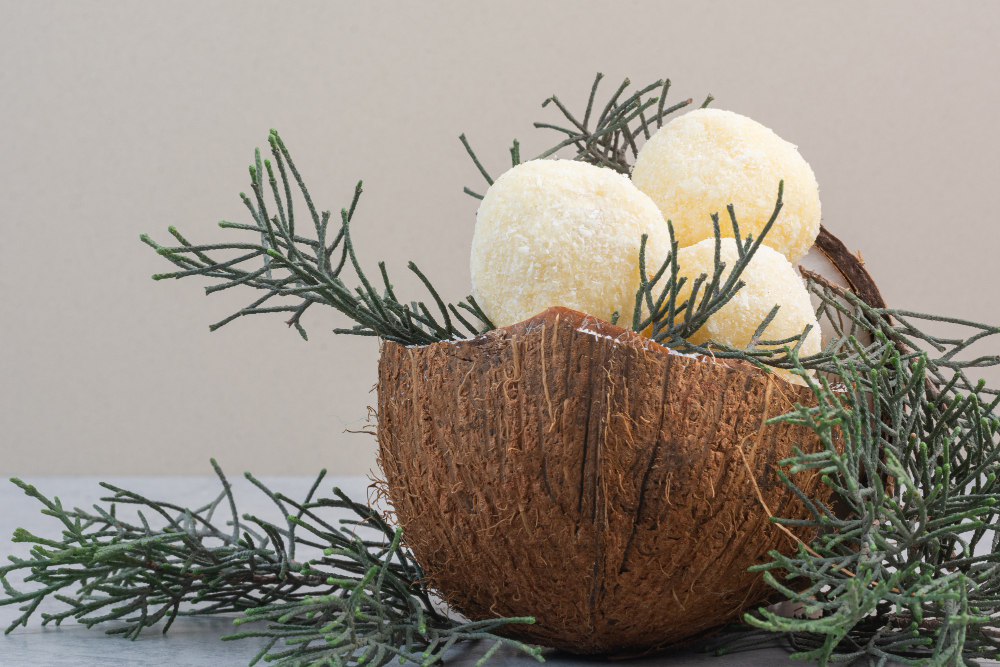
Brazilian cuisine is known for its colourful ingredients, tropical flavours and desserts that reflect the country’s diverse cultural heritage. Among its most recognisable traditional sweets is Cocada, a coconut-based confection prepared primarily with freshly grated coconut and sugar. Popular across Brazil, this dessert is especially associated with the northeastern states, where coconut has long been an important ingredient in regional cooking. Its distinctive flavour comes from the natural sweetness of coconut combined with sugar, while its texture can range from soft and chewy to firm and slightly caramelised.
Cocada is a simple dessert, but its preparation involves careful attention to heat, moisture and sugar concentration. The grated coconut is cooked with sugar until the mixture reaches the desired consistency. Depending on the cooking technique, it can become a soft spoonable sweet, a chewy confection or a firm piece that can be shaped and cut into small portions. Traditional versions often use only a few ingredients, demonstrating how a familiar tropical fruit can become the foundation of a memorable dessert.
The sweet is also connected to Brazil’s cultural and culinary history. Its development reflects the influence of African food traditions, the country’s colonial sugar economy and the availability of coconut along the tropical coastline. Over generations, Cocada has become part of street-food culture, local markets, festivals and household celebrations. Today, it remains popular in traditional white and caramel-coloured forms, alongside newer versions featuring fruit, nuts and other ingredients.
The Cultural Heritage of Cocada in Brazil
Cocada has a particularly strong connection with northeastern Brazil, especially Bahia, where coconut-based sweets are an important part of traditional food culture. The region’s tropical coastline supports the use of coconut in many preparations, including cakes, savoury dishes, beverages and confectionery. Coconut is valued for its grated flesh, milk and natural oil, making it a versatile ingredient in both everyday cooking and festive recipes.
The history of Cocada is closely associated with the development of sugar production in colonial Brazil. Sugarcane cultivation and processing created an environment in which sugar and other cane-derived sweeteners became widely used in local food preparation. Coconut was also available along the coastline, providing a natural ingredient that could be combined with sugar or molasses to produce sweets.
African influences are an important part of the cultural history associated with Brazilian Cocada. Accounts of the dessert frequently connect its development with the knowledge and culinary practices of enslaved African women and communities in the colonial period. However, the precise origin and date of the recipe are not conclusively established. Rather than assigning its creation to a single individual or event, it is more accurate to understand Cocada as part of a broader culinary exchange involving African knowledge, Indigenous ingredients and practices, Portuguese confectionery influences and Brazil’s sugar economy.
Over time, Cocada moved beyond its regional beginnings and became familiar throughout the country. It is now sold in bakeries, confectionery shops, markets, beaches and street stalls. Its widespread popularity demonstrates how traditional foods can retain their cultural identity while adapting to changing tastes and lifestyles.
The Importance of Coconut in Brazilian Food Culture
Coconut is the defining ingredient of Cocada and contributes its flavour, aroma and texture. The coconut palm is particularly suited to tropical climates, and its presence along Brazil’s coastline has influenced regional food traditions for generations. In northeastern cooking, coconut is used in both sweet and savoury recipes, making it an important part of the region’s culinary identity.
Freshly grated mature coconut is commonly preferred for traditional Cocada because it has a pronounced flavour and a firm, fibrous texture. When cooked with sugar, the coconut strands become coated in syrup, allowing the mixture to develop a chewy consistency. The natural oils present in coconut also contribute richness and help give the finished sweet its characteristic mouthfeel.
The maturity of the coconut can influence the final result. Mature coconut generally produces a more substantial texture, while younger coconut flesh contains more moisture and can create a softer preparation. Some regional variations use green coconut pulp to produce a creamier sweet. The choice of coconut therefore affects not only flavour but also cooking time and the amount of moisture that needs to evaporate.
Coconut is also valued because different parts of the fruit can be used in separate culinary preparations. Its grated flesh is suitable for confectionery, coconut milk can enrich desserts and sauces, and coconut water is commonly consumed as a refreshing beverage. Cocada represents one of the simplest and most recognisable ways of transforming coconut flesh into a traditional sweet.
The Main Ingredients That Give Cocada Its Character
Traditional Cocada is known for its short ingredient list. Freshly grated coconut and sugar form the basic combination, while water may be used to prepare the syrup and help dissolve the sugar during cooking. This simplicity allows the natural flavour of coconut to remain prominent.
Freshly grated coconut provides the structure of the dessert. Its fibres create the characteristic texture, which can range from soft and moist to firm and chewy. The size of the grated pieces also makes a difference. Fine grating produces a more uniform confection, whereas larger coconut strands create a more noticeable texture and rustic appearance.
Sugar provides sweetness and helps bind the coconut together. White sugar is commonly used for lighter Cocada, while brown sugar, rapadura or other less-refined cane sweeteners can create a deeper colour and a more pronounced caramel-like flavour. The type of sweetener influences the final appearance, aroma and taste.
Water is sometimes added to dissolve the sugar and form a syrup before the coconut is incorporated. As the mixture cooks, moisture evaporates and the syrup gradually becomes concentrated. The cook must monitor this process because the stage at which the mixture is removed from the heat determines whether the finished Cocada will remain soft or become firm.
Some modern recipes include condensed milk to produce a richer, creamier sweet. Others use peanuts, cashews, passion fruit, pineapple or other fruits to create different flavours. These additions have expanded the range of Cocada available in Brazilian confectionery, although the traditional coconut-and-sugar combination remains its defining foundation.
Traditional Vegetarian and Egg-Free Cocada Recipe
One of the most appealing features of traditional Cocada is that it can be prepared without eggs or animal-derived ingredients. The basic coconut-and-sugar version is naturally suitable for vegetarian and vegan diets, provided the sugar and any additional ingredients meet the individual’s dietary requirements.
A simple homemade preparation can use approximately 250 grams of freshly grated mature coconut, 200 grams of sugar and 100 millilitres of water. A small pinch of salt may be included to balance the sweetness, although it is optional. The quantities can be adjusted depending on the coconut’s moisture content and the desired consistency.
The process begins by preparing the coconut. If using a whole mature coconut, its outer shell is removed and the white flesh is separated from the brown inner skin if a lighter appearance is preferred. The flesh is then grated using a hand grater or food processor. Fresh coconut should be checked for freshness before use, as its natural oils can develop unpleasant flavours if the fruit has deteriorated.
For a soft Cocada, the mixture can be removed from the heat while it is still moist and spoonable. For a firmer version, it is cooked longer until it becomes thick enough to hold its shape. The finished mixture can be transferred in small portions onto a lightly greased tray or baking paper. Once it cools, it becomes firmer and can be served as individual pieces.
This method creates a simple traditional-style Cocada without eggs, gelatin or other animal-derived ingredients. It also allows the cook to control the sweetness and texture according to personal preference. Traditional Brazilian descriptions of Cocada identify grated coconut and sugar as its essential ingredients, although recipes vary in their use of water and additional flavourings.
Understanding the Different Textures of Cocada
Texture is one of the most interesting features of Cocada. Although the basic ingredients may remain similar, changes in cooking time and syrup concentration can produce noticeably different results. Brazilian confectionery includes firm, chewy, soft and creamy versions, each offering a different eating experience.
Firm Cocada is generally cooked until much of the moisture has evaporated and the sugar syrup has concentrated sufficiently to hold the coconut strands together. It can then be shaped into discs, squares or diamond-shaped pieces. Once cooled, it becomes a compact confection that can be stored and transported more easily than softer varieties.
Chewy Cocada has a slightly softer interior while maintaining enough structure to be picked up and eaten by hand. Its texture depends on the balance between coconut moisture and the concentration of the sugar syrup. It should be moist enough to remain pleasant to chew without becoming sticky or excessively wet.
Creamy Cocada is prepared by stopping the cooking process earlier or incorporating ingredients that create a softer consistency. Some versions use coconut milk or condensed milk to make the sweet richer and more spoonable. These variations are popular in contemporary Brazilian confectionery and are often served in small cups or containers.
The difference between these textures is not simply a matter of appearance. It reflects the way sugar behaves when heated and how much water remains in the mixture. A shorter cooking time generally produces a softer sweet, while longer cooking allows the syrup to become more concentrated and the confection to set more firmly.
Popular Regional and Flavour Variations
Cocada has developed numerous variations throughout Brazil. Although the coconut-and-sugar combination remains central, regional ingredients and individual confectionery techniques have created a diverse collection of sweets.
Cocada Branca, or white Cocada, is one of the best-known forms. It is prepared using grated coconut and sugar without allowing the mixture to become heavily caramelised. Its colour remains light, and the coconut flavour is particularly noticeable. Depending on the recipe, it may be soft and chewy or shaped into firmer pieces.
Cocada Preta, sometimes called dark or black Cocada, is prepared using caramelised sugar or darker cane sweeteners such as rapadura. The cooking process creates a deeper colour and a more intense flavour, with notes resembling caramel and toasted sugar. Its darker appearance distinguishes it from the lighter traditional version.
Cocada Cremosa is a softer variation that can be eaten with a spoon. It often includes condensed milk or coconut milk, depending on the recipe. Its texture is closer to a thick coconut dessert than a firm confection. This version is particularly popular in contemporary sweet shops and homemade dessert preparations.
Cocada de Forno, or baked Cocada, is another variation found in Brazilian cooking. It is prepared by baking a coconut mixture until the exterior develops a lightly coloured surface while the inside remains soft. Some recipes include eggs, but an egg-free vegetarian version can be prepared using an appropriate plant-based binding method or by adapting a traditional coconut-and-sugar mixture. It is important to distinguish this variation from the simplest traditional recipe, which does not require eggs.
Cocada and the Street-Food Culture of Bahia
Cocada is closely associated with the street-food culture of Bahia, particularly the traditional food stalls known as tabuleiros. These stalls are commonly connected with the work of baianas, women whose traditional dress and food-selling practices are recognised features of Bahian cultural identity. Their stalls offer a variety of regional foods and sweets, including different forms of coconut confectionery.
The traditional tray-based presentation of Cocada makes it suitable for street sales. Firm pieces can be arranged neatly and sold individually, while softer versions can be offered in small containers. This allows vendors to present several varieties without requiring elaborate packaging or serving equipment.
Cocada is often found alongside other traditional Bahian foods and sweets. Its presence in these settings connects the dessert with local food knowledge, small-scale entrepreneurship and the everyday life of markets and public spaces. It is not simply a confection sold for its sweetness; it is also part of a wider cultural practice that has developed through generations.
The importance of the baiana food-stall tradition has received formal cultural recognition in Brazil. The wider tradition of the Ofício das Baianas de Acarajé was registered as Brazilian intangible cultural heritage in 2005. Cocada is among the sweets associated with the food offerings found on these traditional stalls.
Nutritional Value of Cocada
Cocada is primarily a sweet confection, and its nutritional value depends on the proportions of coconut and sugar used in the recipe. Coconut contributes dietary fibre and fat, while sugar provides carbohydrates and increases the overall energy content. Because the dessert is concentrated and sweet, it is generally best enjoyed in moderate portions.
Grated coconut contains dietary fibre, which contributes to normal digestive function as part of a balanced diet. It also contains naturally occurring fats, including saturated fats. These fats contribute to the rich mouthfeel of the dessert but also make coconut-based sweets relatively energy-dense.
Sugar is responsible for the sweetness and structure of traditional Cocada. During cooking, it forms a syrup that coats the coconut and helps the mixture set. However, the amount of added sugar can be substantial, particularly in firm confectionery versions. Reducing the sugar may be possible in some homemade recipes, although it can also affect the binding and final texture.
The nutritional profile changes when additional ingredients are included. Condensed milk increases the dairy content and generally adds more sugar and calories. Nuts may contribute protein, fibre and additional fats, while fruit additions can introduce different nutrients and moisture. These ingredients create variations, but they do not automatically make the dessert nutritionally balanced.
Traditional Cocada can fit into a vegetarian diet and its simplest form is also naturally dairy-free and egg-free. However, it should be regarded as an occasional sweet rather than a substitute for nutrient-rich everyday foods. Portion size and the overall dietary pattern remain important when enjoying sugar-based desserts.
How to Achieve the Perfect Cocada at Home
Preparing Cocada successfully requires attention to the quality of the coconut and the concentration of the sugar syrup. Fresh coconut generally produces a more pronounced flavour than heavily processed alternatives. If packaged grated coconut is used, it is important to check whether it is sweetened or unsweetened because this can affect the amount of sugar required.
The saucepan should have a thick base to distribute heat more evenly. Thin pans can create hot spots, causing the sugar to caramelise unevenly or the coconut to stick and burn. Cooking over moderate heat and stirring regularly helps the mixture thicken gradually.
The most important decision is when to stop cooking. A soft version should retain enough moisture to remain creamy, while a firm version requires more evaporation. The mixture also becomes firmer as it cools, so it should not always be cooked until it reaches the final desired consistency while still hot.
The cooling stage is equally important. The mixture should be transferred to a suitable tray or individual portions while it is still manageable. Once it cools completely, it becomes more difficult to shape. Allowing it to rest without disturbance helps the sugar bind the coconut strands and develop a consistent texture.
Storage depends on the moisture content and ingredients. Firm, traditional sugar-and-coconut Cocada can generally be kept in an airtight container in a cool, dry place for a shorter period, while softer versions containing fresh coconut or dairy ingredients should be refrigerated. Clean utensils and containers are important, and any sweet showing mould, an unusual smell or signs of spoilage should be discarded.
Cocada in Modern Brazilian Desserts
Although Cocada remains a traditional confection, it has also become an ingredient and inspiration for modern desserts. Contemporary bakeries and sweet shops use its coconut flavour in cakes, layered desserts, fillings, pastries and ice creams. These adaptations allow the traditional sweet to reach new audiences while preserving its recognisable flavour.
Creamy Cocada is sometimes used as a filling for cakes and other baked products. Its thick consistency makes it suitable for combining with chocolate, fruit or pastry layers. Firm Cocada can be crushed into small pieces and used as a topping, adding sweetness and texture to desserts.
Fruit combinations have also expanded the possibilities of the sweet. Pineapple introduces acidity that balances coconut’s richness, while passion fruit adds a distinctive tropical aroma. Nuts such as peanuts and cashews create a contrast between the soft coconut strands and crunchy pieces. These ingredients can be used without changing the basic identity of the dessert.
Modern versions also demonstrate the adaptability of traditional Brazilian confectionery. While some preparations use condensed milk or other dairy ingredients, the original coconut-and-sugar approach remains suitable for those who prefer an egg-free and dairy-free sweet. This makes Cocada a useful example of how traditional recipes can be adapted for different dietary preferences without losing their essential character.
Conclusion
Cocada is one of Brazil’s most recognisable traditional coconut sweets, valued for its simple ingredients, distinctive texture and strong connection with regional food culture. Made primarily with grated coconut and sugar, it transforms two familiar ingredients into a confection that can be soft, chewy, firm or caramelised. Its variations reflect the diversity of Brazilian cooking and the creativity of generations of home cooks and confectioners.
The dessert’s cultural history is closely connected with northeastern Brazil, particularly Bahia, where coconut-based sweets have an important place in local markets and street-food traditions. Its development reflects a complex history of African culinary influence, Indigenous ingredients, European confectionery practices and the colonial sugar economy. Although its exact origin remains debated, Cocada has become an enduring part of Brazil’s culinary identity.
Its basic preparation is naturally vegetarian and can be made without eggs or dairy products. Whether enjoyed as a traditional white confection, a darker caramelised sweet or a softer fruit-flavoured variation, Cocada continues to demonstrate the appeal of simple ingredients prepared with care. Its lasting popularity shows how a traditional dessert can preserve cultural heritage while remaining relevant in modern kitchens.
You may be interested
Sago Gula Melaka: Malaysia’s Traditional Tapioca Pearl Dessert with Coconut Milk and Palm Sugar
Anshika Jain - November 17, 2026Sago Gula Melaka is a much-loved Malaysian dessert that brings together three simple ingredients to create a distinctive combination of textures and flavours: soft, translucent sago pearls,…
Khanom Chan: Thailand’s Traditional Colourful Layered Coconut Dessert
Anshika Jain - November 17, 2026Thai cuisine is celebrated for its ability to combine delicate flavours, attractive presentation and carefully developed textures. Among its traditional sweets, Khanom Chan stands out for its…
Sutlijaš: The Traditional Balkan Rice Pudding Made with Milk, Sugar and Cinnamon
Anshika Jain - November 17, 2026Across the Balkans, traditional desserts often reflect the beauty of simple ingredients prepared with patience and care. Sutlijaš is one such dessert, loved for its creamy consistency,…
Most from this category
Nadru Yakhni: Kashmir’s Traditional Lotus Stem Curry in a Fragrant Yoghurt Sauce
Anshika Jain - November 17, 2026
Nachni Ambil: A traditional fermented finger-millet drink or thin porridge.
Anshika Jain - November 17, 2026
Mocha Ghonto: Bengal’s Banana Blossom Curry with Potatoes and Bengali Spices
Anshika Jain - November 13, 2026Nadru Yakhni: Kashmir’s Traditional Lotus Stem Curry in a Fragrant Yoghurt Sauce
Anshika Jain - November 17, 2026Nachni Ambil: A traditional fermented finger-millet drink or thin porridge.
Anshika Jain - November 17, 2026Fara: Traditional Steamed Rice-Flour Dumplings of Chhattisgarh
Anshika Jain - November 13, 2026


Leave a Comment