

Nadru Yakhni: Kashmir’s Traditional Lotus Stem Curry in a Fragrant Yoghurt Sauce

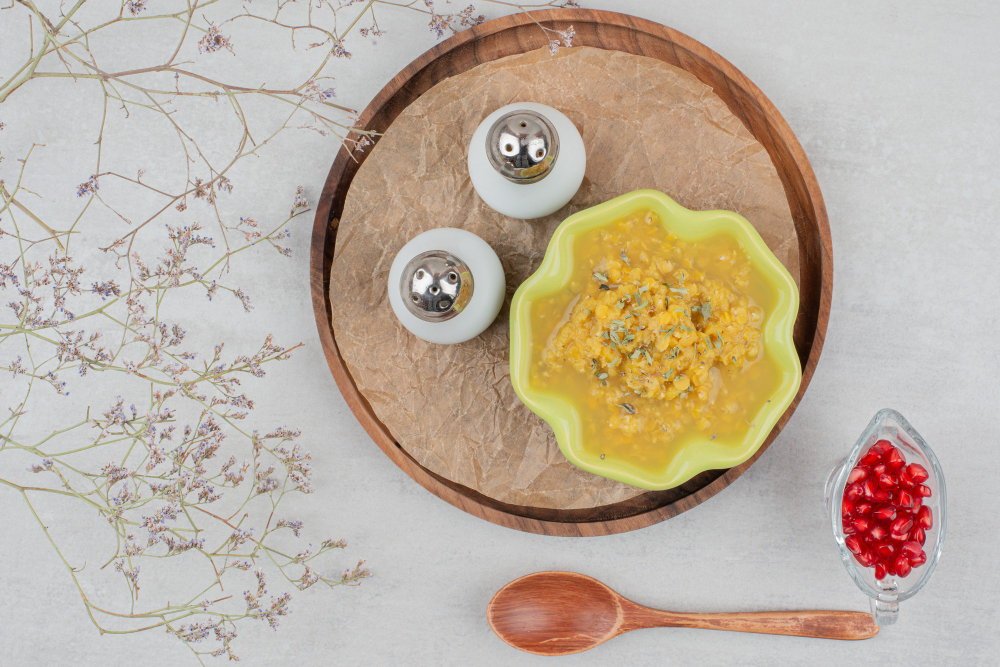
Kashmiri cuisine is celebrated for its distinctive ingredients, carefully balanced spices and cooking techniques that transform simple vegetables into memorable dishes. Among its traditional vegetarian preparations, Nadru Yakhni holds a special place. Made with lotus stem simmered in a gently spiced yoghurt-based gravy, this dish brings together the earthy character of a water-grown vegetable and the creamy, mildly tangy flavour of curd. Its aroma comes from traditional spices such as fennel, dry ginger, cardamom, cinnamon and cloves, which create depth without making the curry excessively hot.
Known as nadru in Kashmiri, lotus stem is a familiar ingredient in the region’s food culture. It is used in several preparations, including curries, fritters and other seasonal dishes. Nadru Yakhni demonstrates how this ingredient can become the centrepiece of a delicate vegetarian meal. Unlike heavily spiced gravies, its appeal lies in a more restrained combination of flavours, where the yoghurt provides a smooth base and aromatic spices gradually infuse the lotus stem.
The dish is commonly enjoyed with steamed rice and reflects an important aspect of Kashmiri vegetarian cooking: the ability to create satisfying meals through regional produce, dairy and carefully selected spices. Although the word yakhni is also associated with meat-based preparations in parts of Kashmiri cuisine, Nadru Yakhni is a recognised vegetarian variation in which lotus stem takes the leading role.
The Culinary Heritage of Nadru Yakhni in Kashmir
Kashmir has a rich culinary identity shaped by its geography, climate, agricultural traditions and cultural exchanges. The region’s lakes, wetlands, gardens and fertile valleys have influenced the ingredients used in everyday meals. Lotus stem is one of the vegetables closely connected with this landscape. It grows beneath the water and is harvested for its firm, elongated underground stems, which have a distinctive appearance and a naturally crisp texture.
Nadru is particularly familiar in Kashmiri households, where it is prepared in different ways depending on family traditions and seasonal availability. Its mild flavour allows it to work with both simple seasonings and more elaborate spice combinations. Nadru Yakhni is one of the preparations that highlights its versatility by pairing it with yoghurt, a staple ingredient in many traditional regional recipes.
Yakhni-style cooking is associated with a gently cooked, yoghurt-based sauce. In Nadru Yakhni, the curd is carefully prepared and combined with spices to create a smooth gravy. Rather than relying on a large quantity of tomatoes or a thick onion-based masala, the dish focuses on the flavour of yoghurt, fennel and warming whole spices. This produces a curry that is aromatic, creamy and relatively mild.
The dish also has a place in Kashmiri vegetarian food traditions. Traditional Kashmiri meal preparations include a variety of vegetable-based dishes, and Nadru Yakhni is recognised alongside other regional favourites. Historical and culinary descriptions of Kashmiri cooking document lotus stem cooked with curd as a traditional preparation, including its presence in vegetarian meals and larger feasts.
What Makes Lotus Stem Special?
Lotus stem, commonly called lotus root in English-language recipes, is the edible underground stem of the lotus plant. When sliced, it reveals a distinctive pattern of small holes arranged throughout its structure. This appearance makes it easy to recognise and gives it a texture that is different from most commonly used vegetables.
Its natural crispness is one of its most important culinary qualities. When cooked correctly, lotus stem becomes tender while retaining a slight bite. This makes it suitable for slow-cooked gravies because it can absorb surrounding flavours without immediately losing its structure. In Nadru Yakhni, the pieces gradually take on the aroma of the yoghurt sauce and spices while maintaining their characteristic texture.
The vegetable has a relatively mild, earthy flavour. It does not overpower the seasoning, allowing ingredients such as fennel, ginger and cardamom to remain noticeable. Its porous structure also helps the gravy cling to the surface and enter some of its natural openings, creating a more flavourful bite.
Fresh lotus stem requires careful cleaning before cooking because soil and impurities may remain inside its holes. The outer layer is generally peeled, and the stem is washed thoroughly under running water. Cutting it into evenly sized diagonal pieces helps the vegetable cook consistently and gives the finished dish an attractive appearance.
The Importance of Yoghurt in the Traditional Gravy
Yoghurt is the defining ingredient of Nadru Yakhni. It creates the curry’s characteristic creamy consistency and provides a gentle tang that balances the earthy taste of lotus stem. Unlike tomato-based gravies, which often have a sharp acidity and stronger colour, the yoghurt sauce is usually pale and delicate.
The quality and preparation of yoghurt influence the final result. Fresh, plain, unsweetened curd with a reasonably smooth consistency is generally preferred. It should be whisked thoroughly before cooking so that lumps are removed and the texture becomes uniform. Depending on the recipe, a small amount of water may be added to make the mixture easier to incorporate into the pan.
Cooking yoghurt requires attention because it can separate when exposed to sudden high heat. Traditional recipes therefore emphasise whisking and stirring while the yoghurt mixture is brought to a gentle boil. Some versions also use a small quantity of gram flour or another suitable thickening ingredient to help stabilise the sauce. The exact method varies between households and individual recipes.
Once the yoghurt has been prepared properly, it becomes the foundation for the spices and lotus stem. Slow simmering allows the ingredients to combine, creating a gravy that coats the vegetable without becoming excessively thick. The objective is not to hide the lotus stem beneath a heavy sauce but to bring its natural flavour into harmony with the yoghurt.
Aromatic Spices That Define Nadru Yakhni
The distinctive flavour of Nadru Yakhni comes from a combination of aromatic spices rather than an excessive amount of chilli. Fennel powder is particularly important because it contributes a sweet, slightly herbal aroma that complements the mild acidity of yoghurt. It is a familiar ingredient in several Kashmiri preparations and helps establish the dish’s characteristic flavour.
Dry ginger powder, also known as saunth, adds gentle warmth and depth. Unlike fresh ginger, which has a sharper and more immediate flavour, dried ginger offers a concentrated aroma that works well in slow-cooked gravies. Its presence balances the creamy character of curd and contributes to the overall warmth of the dish.
Green cardamom, black cardamom, cloves and cinnamon provide another layer of fragrance. Green cardamom gives a sweet and refreshing aroma, while black cardamom contributes a deeper, smoky note. Cloves introduce a warm, slightly sharp flavour, and cinnamon adds sweetness and complexity. These spices are commonly used whole or in carefully measured quantities so that they enhance the yoghurt sauce without overpowering it.
Other ingredients may include asafoetida, cumin, bay leaf, black cumin and dried mint. Their use depends on the household recipe and regional interpretation. Some preparations use a relatively short list of spices, while others include a broader combination. Traditional recipes published by Kashmiri food specialists describe versions featuring fennel, dry ginger, cardamom, cloves, cinnamon and dried mint.
Traditional Vegetarian Preparation of Nadru Yakhni
Preparing Nadru Yakhni at home involves several stages, but the process is manageable when the ingredients are cleaned and measured beforehand. The most important steps are preparing the lotus stem, cooking the yoghurt without curdling and allowing the spices to release their aroma gradually.
For a vegetarian home-style preparation, fresh lotus stems, plain yoghurt, fennel powder, dry ginger powder, green cardamom, black cardamom, cloves, cinnamon, cumin, asafoetida and salt can form the foundation. Ghee or mustard oil may be used according to the preferred flavour. A small quantity of gram flour can be included if additional stability is needed in the yoghurt sauce. Dried mint can be added near the end for a fresh herbal finish.
The yoghurt should be brought to a smooth consistency by whisking it thoroughly. If gram flour is being used, it can be mixed into the curd until no lumps remain. A little water may be added to create a pourable mixture. In a separate pan, ghee or mustard oil is heated gently, and the whole spices are added.
The yoghurt should be cooked carefully until it reaches a gentle simmer. Fennel powder, dry ginger powder and salt are then incorporated, followed by the partly cooked lotus stem. The mixture is allowed to simmer over low to medium heat until the vegetable becomes tender and the gravy develops a smooth consistency.
Dried mint and a small quantity of additional aromatic seasoning can be added towards the end. The finished curry should have a balanced texture, with tender lotus stem pieces surrounded by a fragrant yoghurt sauce. It can be served warm with steamed rice. Published recipes differ in their cooking sequence and proportions, but the central combination of lotus stem, yoghurt and aromatic spices remains consistent.
Understanding the Texture and Flavour of the Finished Dish
A well-prepared Nadru Yakhni has a flavour profile that is different from many familiar Indian vegetable curries. Its taste is not dominated by chilli, tomato or a heavy onion masala. Instead, the mild tanginess of yoghurt, the sweetness of fennel and the warmth of dry ginger create a balanced combination.
The lotus stem should remain firm enough to offer a slight bite but tender enough to cut easily with a spoon. If it is undercooked, the pieces may feel excessively hard and fibrous. If they are boiled for too long before being added to the gravy, they may lose their characteristic structure. Controlling the initial cooking time is therefore important.
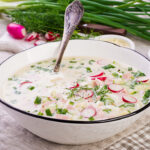
The gravy should be smooth and lightly creamy rather than extremely thick. It should coat the lotus stem and provide enough sauce to accompany rice. Its pale colour is one of the dish’s visual characteristics, although the exact appearance may vary depending on the spices, cooking fat and preparation method.
Aromatic balance is equally important. Fennel should be noticeable without making the curry taste overly sweet, and dry ginger should provide warmth without becoming sharp. Whole spices should contribute fragrance rather than dominate individual mouthfuls. The result is a dish that feels comforting and flavourful while maintaining a relatively delicate character.
Nutritional Value of Nadru Yakhni
Nadru Yakhni combines lotus stem with yoghurt, making it a vegetarian preparation that provides nutrients from both plant and dairy ingredients. The nutritional value of the finished dish depends on the quantities used, the type of yoghurt, the cooking fat and the serving size.
Lotus stem provides dietary fibre and carbohydrates, along with minerals and other naturally occurring plant compounds. Its fibre content contributes to the overall dietary fibre intake when it is included as part of a balanced meal. Fibre supports normal digestive function, although the effect of any individual food depends on the wider diet and a person’s overall health.
Yoghurt contributes protein, calcium and other nutrients associated with dairy products. It also provides the creamy texture that defines the dish. Plain yoghurt can be selected according to individual dietary preferences, with the understanding that full-fat and low-fat varieties will produce somewhat different textures and energy values.
Ghee and oil contribute fat and increase the energy content of the curry. Using a moderate quantity can help maintain the flavour without making the dish unnecessarily heavy. The recipe can be adjusted according to personal preferences, but reducing the cooking fat too much may change the aroma and mouthfeel associated with traditional preparations.
Nadru Yakhni should be understood as one component of a balanced vegetarian meal rather than a complete nutritional solution. When served with rice and other vegetable dishes, it can contribute variety, fibre and dairy-based nutrients to everyday eating. Its nutritional profile is best considered in relation to the complete meal and portion size.
Why Nadru Yakhni Is Different from Heavily Spiced Indian Curries
Many Indian vegetable curries use tomato, onion, chilli and a combination of ground spices to create a thick, intensely flavoured gravy. Nadru Yakhni follows a different approach. Its identity depends on the interaction between yoghurt and aromatic seasonings, with the vegetable remaining clearly visible and central to the preparation.
The restrained use of chilli allows the fragrance of cardamom, cinnamon, fennel and ginger to become more prominent. This does not mean that the dish lacks flavour. Instead, its complexity develops through the gradual combination of ingredients and the careful handling of yoghurt.
Another important difference is the cooking technique. Since yoghurt can separate under unsuitable heat conditions, the cook must pay attention to temperature and stirring. This creates a preparation process in which technique is as important as the ingredients themselves.
The dish also demonstrates how a single regional vegetable can become the main ingredient in a substantial meal. Lotus stem is not merely added to a mixed vegetable curry; it is given a central role, with the gravy designed specifically to complement its texture and mild flavour.
Serving Nadru Yakhni in a Traditional Vegetarian Meal
Steamed rice is one of the most suitable accompaniments for Nadru Yakhni. Its neutral flavour allows the yoghurt-based gravy and aromatic spices to remain the focus. The sauce can be spooned over the rice, while the lotus stem provides texture and substance.
Plain basmati rice is a particularly suitable option because its fragrance complements the spices without competing with them. The dish can also be served with simple vegetarian breads, depending on household preferences. However, rice remains a familiar accompaniment in traditional descriptions of Nadru Yakhni.
For a more complete vegetarian meal, it can be served alongside other Kashmiri vegetable preparations. Haak, a traditional leafy-green dish, provides a contrasting flavour and texture. Kashmiri dum aloo or tamatar chaman can also be included when a more elaborate meal is desired. These combinations allow different regional ingredients and cooking methods to be appreciated together.
Nadru Yakhni is suitable for both everyday meals and special vegetarian menus. Its appearance is simple but elegant, and its aromatic gravy makes it appropriate for occasions when a meal needs something distinctive without relying on an excessively rich or spicy preparation.
Common Cooking Challenges and How to Avoid Them
One of the most common challenges when preparing Nadru Yakhni is cleaning the lotus stem thoroughly. Soil can remain inside its natural openings, so simply washing the outer surface is not sufficient. Slicing the stem and rinsing the pieces under running water helps remove trapped dirt. The vegetable should also be inspected before cooking, and damaged or spoiled sections should be discarded.
Another challenge is preventing the yoghurt from splitting. Using smooth yoghurt, whisking it properly and adding it gradually over controlled heat can help create a stable sauce. Continuous stirring during the initial heating stage is particularly useful. If the recipe includes gram flour, it should be mixed thoroughly with the yoghurt before cooking to avoid lumps.
The cooking time of lotus stem also requires attention. Different stems vary in thickness, freshness and tenderness, so a fixed cooking time may not always produce the same result. The pieces should be checked during cooking and removed from the heat when they are tender but still retain their shape.
Finally, the spices should be used in balanced quantities. Too much dry ginger or black cardamom can dominate the delicate yoghurt base, while excessive fennel may make the sauce taste overly sweet. The purpose of the spice combination is to create fragrance and depth while allowing the lotus stem to remain the central ingredient.
Nadru Yakhni and the Wider Appreciation of Kashmiri Vegetarian Cuisine
Kashmiri cuisine is often discussed through its elaborate meat-based dishes, but its vegetarian traditions also deserve recognition. Regional vegetables, dairy products, rice and aromatic spices form the foundation of many preparations that are distinctive in flavour and technique. Nadru Yakhni is an example of how vegetarian cooking can express the same attention to detail associated with elaborate regional food traditions.
Its preparation also highlights the importance of local ingredients. Lotus stem is closely associated with the wetlands and food culture of Kashmir, and its use reflects the relationship between the region’s natural environment and its everyday cooking. By turning this water-grown vegetable into a yoghurt-based curry, traditional cooks have created a dish that is both practical and culturally distinctive.
There is also growing interest in regional Indian foods that use ingredients beyond the most familiar vegetables. Lotus stem offers a different texture and cooking experience, making it suitable for people who want to explore traditional vegetarian dishes. Nadru Yakhni introduces this ingredient through a preparation that is relatively mild, aromatic and adaptable to home kitchens.
Interest in traditional foods can also encourage greater appreciation of regional agricultural produce and household cooking knowledge. Preserving recipes such as Nadru Yakhni is not only about recreating a particular taste. It is also about understanding the ingredients, techniques and cultural practices that give a regional dish its identity.
Conclusion
Nadru Yakhni is a distinctive vegetarian preparation that captures the character of Kashmiri cooking through a simple but carefully balanced combination of lotus stem, yoghurt and aromatic spices. Its creamy sauce, mild tanginess and fragrant seasoning create a flavour profile that is different from heavily spiced vegetable curries. The lotus stem contributes a firm, slightly crisp texture, while the yoghurt allows the spices to develop into a smooth and comforting gravy.
The dish demonstrates the culinary value of regional ingredients and traditional cooking techniques. Careful cleaning, controlled cooking of yoghurt and slow simmering are essential to achieving its characteristic texture and flavour. Served with steamed rice or other simple vegetarian accompaniments, Nadru Yakhni can form a satisfying meal while introducing diners to an important part of Kashmir’s vegetarian food heritage.
You may be interested

Sago Gula Melaka: Malaysia’s Traditional Tapioca Pearl Dessert with Coconut Milk and Palm Sugar
Anshika Jain - November 17, 2026Sago Gula Melaka is a much-loved Malaysian dessert that brings together three simple ingredients to create a distinctive combination of textures and flavours: soft, translucent sago pearls,…
Khanom Chan: Thailand’s Traditional Colourful Layered Coconut Dessert
Anshika Jain - November 17, 2026Thai cuisine is celebrated for its ability to combine delicate flavours, attractive presentation and carefully developed textures. Among its traditional sweets, Khanom Chan stands out for its…

Cocada: Brazil’s Traditional Coconut Sweet Made with Grated Coconut and Sugar
Anshika Jain - November 17, 2026Brazilian cuisine is known for its colourful ingredients, tropical flavours and desserts that reflect the country's diverse cultural heritage. Among its most recognisable traditional sweets is Cocada,…
Most from this category
Sutlijaš: The Traditional Balkan Rice Pudding Made with Milk, Sugar and Cinnamon
Anshika Jain - November 17, 2026
Nachni Ambil: A traditional fermented finger-millet drink or thin porridge.
Anshika Jain - November 17, 2026

Mocha Ghonto: Bengal’s Banana Blossom Curry with Potatoes and Bengali Spices
Anshika Jain - November 13, 2026Sutlijaš: The Traditional Balkan Rice Pudding Made with Milk, Sugar and Cinnamon
Anshika Jain - November 17, 2026Nachni Ambil: A traditional fermented finger-millet drink or thin porridge.
Anshika Jain - November 17, 2026Fara: Traditional Steamed Rice-Flour Dumplings of Chhattisgarh
Anshika Jain - November 13, 2026


Leave a Comment