

Sago Gula Melaka: Malaysia’s Traditional Tapioca Pearl Dessert with Coconut Milk and Palm Sugar

Sago Gula Melaka is a much-loved Malaysian dessert that brings together three simple ingredients to create a distinctive combination of textures and flavours: soft, translucent sago pearls, creamy coconut milk and dark palm sugar syrup. Usually served chilled, this dessert is known for its delicate sweetness, gentle chewiness and rich caramel-like aroma. Its appeal comes from the contrast between the mild flavour of the pearls, the smoothness of coconut milk and the deep sweetness of gula Melaka, a traditional Malaysian palm sugar.
Although the recipe uses relatively few ingredients, each component has an important role in shaping the final dessert. The sago pearls provide a soft, jelly-like structure, while coconut milk adds richness and a small amount of salt balances the sweetness. The palm sugar syrup gives the dish its characteristic flavour, often enhanced with fragrant pandan leaves. The result is a refreshing dessert that is simple enough to prepare at home yet distinctive enough to represent an important part of Malaysia’s wider dessert culture.
Sago Gula Melaka is naturally suitable for a vegetarian diet when prepared with plant-based ingredients. The traditional combination of sago, coconut milk, palm sugar and pandan does not require meat, fish, eggs or dairy products. This article explores the dessert’s ingredients, Malaysian culinary background, preparation method, regional variations, texture, nutritional characteristics and place in contemporary food culture.
What Is Sago Gula Melaka?
Sago Gula Melaka is a chilled pudding-style dessert made by cooking small starch pearls until they become translucent and soft. The cooked pearls are cooled, sometimes shaped in individual moulds, and served with coconut milk and a separate palm sugar syrup. The name describes its defining ingredients: sago refers to the pearls, while gula Melaka means Malacca sugar, a type of palm sugar associated with Malaysia.
The dessert is often presented in individual bowls or glasses, allowing the pale pearls, white coconut milk and dark amber syrup to remain visually distinct. Some preparations use loose pearls, while others chill the cooked sago in small moulds to create a compact pudding that can be turned out before serving. Both styles retain the same essential flavour combination.
Its taste is balanced rather than complicated. The pearls themselves are relatively neutral, making them an ideal base for the more pronounced flavours of coconut and palm sugar. Coconut milk contributes a creamy, slightly nutty quality, while gula Melaka provides notes reminiscent of caramel and toasted sugar. When served cold, these elements create a dessert that feels rich without requiring a long list of ingredients.
The Malaysian Culinary Background of the Dessert
Malaysia’s food culture reflects centuries of interaction among communities, trade networks and regional cooking traditions. Malay, Chinese, Indian, Indigenous and Peranakan food practices have all contributed to the country’s varied culinary landscape. Desserts frequently use ingredients that grow widely across tropical Southeast Asia, including coconut, rice, pandan, palm sugar and starches extracted from plants.
Sago Gula Melaka fits naturally into this ingredient tradition. Coconut milk is widely used in Malaysian sweet and savoury cooking, while palm sugar has long been valued as a sweetener. Sago and tapioca pearls are also familiar ingredients in Southeast Asian puddings and drinks. Their combination with coconut milk and palm sugar creates a dessert whose character depends more on ingredient quality and preparation technique than on elaborate decoration.
The name gula Melaka refers to palm sugar associated with Malacca, a historic trading centre on the Malay Peninsula. The name does not mean that all palm sugar used in the dessert must be produced exclusively in Malacca. Palm sugar is made in different parts of the region, and the term is widely used for the distinctive dark sweetener that gives the dessert its identity. A Malaysian recipe source describes the syrup as a central feature of the dish and explains that palm sugar is also known more generally as gula merah or red sugar.
Understanding the Main Ingredients
Sago Pearls and Tapioca Pearls
The most important ingredient is the small, round starch pearls that form the base of the pudding. The terms sago pearls and tapioca pearls are sometimes used interchangeably in recipes and shops, but they do not always refer to the same ingredient. True sago is traditionally produced from the starch of the sago palm, whereas tapioca is made from cassava root starch. Both can be processed into small pearls that become translucent when cooked, making them suitable for similar dessert preparations.
For a home version, commercially available small sago or tapioca pearls can be used, provided the cooking instructions on the packet are followed. The size and starch composition of the pearls influence cooking time and final texture. Smaller pearls generally cook more quickly than larger varieties, so checking their centres is important. Properly cooked pearls should look mostly transparent and feel soft, without retaining a hard, opaque centre.
Gula Melaka: The Distinctive Palm Sugar
Gula Melaka is the ingredient that gives the dessert its characteristic sweetness and aroma. It is a traditional palm sugar commonly sold in solid blocks, which are chopped or grated before being melted with water. Its colour ranges from golden brown to deep brown, depending on the product and processing method. Compared with ordinary white sugar, it generally has a more complex flavour, with caramel-like, toasted and sometimes slightly smoky notes.
The quality of the palm sugar makes a noticeable difference to the finished syrup. A good-quality block should melt smoothly and produce a fragrant liquid with a balanced sweetness. Some commercial products may contain added sugar or differ in intensity, so tasting the syrup while preparing it helps determine whether additional water or sweetener is necessary. Gula Melaka should not be treated as a nutritionally superior alternative to all other sugars simply because it is less refined; it remains an added sugar and should be used in moderation.
Coconut Milk
Coconut milk provides the creamy element that balances the starch pearls and palm sugar syrup. It is made by extracting liquid from grated coconut flesh and is available in fresh, canned and packaged forms. Thick coconut milk produces a richer sauce, while a thinner version creates a lighter consistency that spreads more easily through the pearls.
A small pinch of salt is often added to coconut milk. This does not make the dessert savoury; instead, it helps balance the sweetness and makes the coconut flavour more noticeable. Some recipes gently heat the coconut milk with pandan leaves before cooling it, while others use it directly. Both approaches are suitable, although gentle heating can help develop a more integrated aroma.
Pandan Leaves
Pandan is a fragrant tropical leaf frequently used in Southeast Asian cooking. It has a distinctive sweet, grassy aroma that complements coconut milk and palm sugar. In Sago Gula Melaka, pandan leaves can be knotted and simmered with the palm sugar syrup or gently heated with the coconut milk. The leaves are removed before serving, leaving their fragrance in the liquid.
Fresh pandan is often preferred, but frozen leaves or a small amount of suitable pandan extract can be used when fresh leaves are unavailable. Pandan should add fragrance without overpowering the palm sugar. Its role is to provide a subtle aromatic layer rather than turn the dessert into a strongly flavoured pandan pudding.
Traditional Vegetarian Sago Gula Melaka Recipe
A traditional-style Sago Gula Melaka can be prepared using entirely plant-based ingredients. This version excludes eggs, dairy and other animal-derived products, relying on coconut milk for creaminess. It makes approximately four to six servings, depending on portion size.
Ingredients and Preparation
Use around 150 grams of small sago or tapioca pearls, six cups of water for cooking, 150 to 180 grams of chopped gula Melaka, approximately 120 millilitres of water for the syrup, 250 millilitres of coconut milk, one or two pandan leaves and a small pinch of salt. The amount of palm sugar can be adjusted according to its sweetness and the preferred intensity of the syrup.
Before cooking, prepare the syrup ingredients and keep a large pot of water ready for the pearls. If the sago or tapioca packaging recommends soaking, follow those instructions. Many small pearl varieties can be cooked directly in boiling water, while other products require a different preparation method. Using the manufacturer’s instructions helps avoid undercooking or turning the pearls into an excessively thick mass.
Cooking the Sago Pearls
Bring the water to a steady boil in a large saucepan. Add the pearls gradually while stirring so that they do not settle into a dense layer at the bottom of the pot. Continue cooking according to the packet instructions, stirring regularly and checking the appearance of the pearls. As they absorb water, their centres gradually become translucent.
Once most of the pearls look clear, reduce the heat if necessary and continue cooking until no hard, opaque centres remain. If the pearls are almost cooked but still show tiny white spots, turn off the heat, cover the saucepan and allow them to stand briefly. The residual heat may help finish the cooking, although the result should always be checked before draining.
Drain the cooked pearls through a fine sieve and rinse them under cool running water to remove excess surface starch. This step helps prevent the pearls from becoming excessively sticky and allows them to retain a cleaner, more separate texture. Drain thoroughly before transferring them into individual serving cups or a lightly greased mould. The pearls can be chilled until they become cool and slightly firm.
Preparing the Gula Melaka Syrup
Place the chopped palm sugar in a small saucepan with approximately 120 millilitres of water. Add a knotted pandan leaf and heat gently, stirring until the sugar dissolves. Allow the mixture to simmer until it becomes slightly thicker and develops a glossy appearance. It should remain pourable because it will be drizzled over the chilled pearls during serving.
Strain the syrup through a fine sieve if it contains small impurities or undissolved particles. Remove the pandan leaf and allow the syrup to cool. As it reaches room temperature, it may become slightly thicker. If it becomes too concentrated, a little warm water can be mixed in to restore a smooth pouring consistency.
Preparing the Coconut Milk
Pour the coconut milk into a small saucepan and add a pinch of salt. If desired, add a pandan leaf for a gentle fragrance. Warm the mixture over low heat while stirring, but avoid allowing it to boil vigorously. Excessive heating can cause the coconut milk to separate or develop an oily appearance.
Once warmed, remove the pandan leaf and allow the coconut milk to cool. Refrigerate it if the dessert will be served cold. The finished coconut milk should be smooth and pourable rather than excessively thick. If it is very concentrated, a small amount of water can be added to achieve the desired consistency.
Assembling and Serving the Dessert
Place the chilled sago pearls in individual dessert bowls or glasses. Pour a portion of coconut milk over each serving, followed by a spoonful or two of gula Melaka syrup. The syrup can be added gradually so that diners can adjust the sweetness according to their preference. The dark syrup flowing through the pale pearls and white coconut milk also creates the dessert’s distinctive appearance.
Sago Gula Melaka is generally served chilled. It can be presented in a glass for a layered appearance or in a shallow bowl for a more traditional, relaxed serving style. The components may be mixed just before eating so that every spoonful contains the chewy pearls, creamy coconut milk and fragrant palm sugar.
The Importance of Texture and Cooking Technique
The appeal of Sago Gula Melaka depends heavily on its texture. The pearls should be soft, smooth and slightly chewy, but they should not become a completely uniform paste. When cooked correctly, they hold their rounded shape while becoming translucent. This gives the dessert a delicate, jelly-like consistency that contrasts with the liquid coconut milk and syrup.
Cooking the pearls in plenty of water is one of the most important techniques. If too little water is used, the starch released during cooking can make the mixture excessively thick and cause the pearls to stick together. Stirring at regular intervals helps prevent them from settling at the bottom and cooking unevenly. Rinsing after cooking removes loose surface starch, making the finished dessert lighter and more pleasant to eat.
The consistency of the palm sugar syrup also matters. A very thin syrup may dilute the flavour of the coconut milk, while an overly thick syrup can become difficult to distribute evenly. The ideal consistency is glossy and pourable, allowing it to coat the pearls without forming a heavy layer. Similarly, coconut milk should remain smooth and should not be overheated. These small details help produce a dessert in which every component retains its own character.
Popular Variations of Sago Gula Melaka
Although the classic recipe uses only a few ingredients, different preparation styles allow cooks to adapt the dessert to personal preferences and occasions. The most familiar variation is the moulded version, in which cooked pearls are transferred into small cups or jelly moulds and refrigerated until they hold their shape. The portions are then turned out onto plates and served with coconut milk and palm sugar syrup. This presentation gives the dessert a more structured appearance and is particularly suitable for celebrations or restaurant-style plating.
Another common approach is to serve the pearls loosely in a bowl or glass without moulding them. This version is easier to prepare because it does not require the pearls to set into a firm shape. It also allows the coconut milk and syrup to spread through the mixture more naturally. Both methods are suitable for a vegetarian diet when the ingredients remain plant-based.
Pandan-Flavoured Sago
Pandan can be used more prominently to create a stronger aromatic variation. Instead of using the leaves only in the syrup, cooks can infuse them into the coconut milk or use a small quantity of pandan extract. The resulting dessert has a more noticeable herbal sweetness that complements the palm sugar.
Natural pandan extract can also give the pearls a light green appearance, although the colour is not essential to the traditional presentation. When using concentrated extracts, only a small amount is needed because an excessive quantity can make the flavour overpowering.
Layered Sago Dessert
Some contemporary presentations arrange the ingredients in transparent glasses to create visible layers. A layer of chilled sago is followed by coconut milk and palm sugar syrup, with the arrangement repeated if the glass is tall enough. This style highlights the contrast between the translucent pearls, pale coconut liquid and dark syrup.
Layering is mainly a presentation choice rather than a change to the essential recipe. The dessert can still be mixed before eating, ensuring that the sweetness and creaminess are evenly distributed.
Fruit-Based Variations
Fresh fruit can be added to create a lighter and more colourful interpretation. Mango, jackfruit and other tropical fruits can complement the coconut and palm sugar flavours when used in moderate quantities. Their natural sweetness adds another dimension without changing the basic preparation of the pearls.
However, fruit additions should be treated as modern variations rather than essential ingredients. The classic identity of Sago Gula Melaka comes from the combination of starch pearls, coconut milk and gula Melaka. Adding too many toppings may distract from the simple flavour balance that makes the original dessert distinctive.
Adjusting the Sweetness and Coconut Flavour
The proportions of coconut milk and syrup can be modified according to individual taste. Those who prefer a less sweet dessert can use a smaller quantity of palm sugar syrup, while people who enjoy a richer coconut flavour can increase the amount of coconut milk. A small pinch of salt is useful in both cases because it helps balance the sweetness.
For a lighter version, coconut milk can be diluted slightly with water. This reduces its richness while retaining the characteristic coconut aroma. The pearls themselves do not need additional sugar because most of the dessert’s sweetness comes from the syrup.
Sago Gula Melaka in Malaysian Food Culture
Sago Gula Melaka represents a style of Malaysian dessert-making that values ingredient quality, texture and balance. Rather than relying on complicated techniques, it transforms everyday regional ingredients into a preparation that can be enjoyed at home, in restaurants and at social gatherings. Its familiar flavours also connect it with the wider Southeast Asian tradition of using coconut, palm sugar and starch-based ingredients in sweet dishes.
The dessert is especially suitable for warm-weather dining because it is commonly served chilled. Its cool temperature, soft texture and combination of coconut and caramel-like flavours make it a pleasant finish to a meal. It is also relatively convenient to prepare ahead of time. The pearls can be cooked and chilled, while the syrup and coconut milk can be prepared separately and combined shortly before serving.
In contemporary Malaysian food settings, Sago Gula Melaka appears in traditional-style restaurants as well as modern dessert menus. Chefs may change its presentation, use different moulds or introduce fruit and other toppings, but the essential ingredients remain recognisable. Its continued presence demonstrates how a traditional dessert can adapt to changing food preferences without losing its central identity.
The dessert is also familiar beyond Malaysia, particularly in places where Southeast Asian cuisines have influenced local food culture. Malaysian restaurants and home cooks introduce it to diners who may already recognise coconut-based puddings but are less familiar with gula Melaka. The palm sugar syrup is often the element that makes the dessert memorable, distinguishing it from other tapioca or sago puddings.
Nutritional Characteristics of the Ingredients
Sago Gula Melaka is primarily a carbohydrate-based dessert. Sago and tapioca pearls consist mainly of starch, which provides energy but contributes relatively little protein, fibre or a wide range of micronutrients. Their main culinary purpose is to provide the soft, chewy structure of the pudding rather than substantial nutritional variety.
Coconut milk contributes fat and a small amount of carbohydrate and protein. Its fat content can be relatively high, particularly when thick coconut milk or coconut cream is used. This gives the dessert its rich consistency, but it also means that portion size is relevant when considering overall dietary intake. Using a thinner coconut milk preparation can produce a lighter result.
Gula Melaka is a source of added sugar. Although palm sugar has a distinctive flavour and may contain small amounts of naturally occurring minerals, it should not be considered a health food or a substitute for limiting added sugars. Its nutritional profile does not make large quantities of syrup necessary. The dessert can be enjoyed as an occasional sweet while keeping the amount of syrup moderate.
The dish is naturally free from meat, fish and eggs when prepared according to the plant-based recipe described above. It is also dairy-free because coconut milk replaces cow’s milk or cream. However, anyone with a food allergy should check packaged pearl products, coconut milk and flavouring extracts for possible cross-contamination or additional ingredients. The basic recipe is also gluten-free when all packaged ingredients are verified as free from gluten-containing additives.
How to Store and Prepare It in Advance
Sago Gula Melaka can be prepared in advance, but its components are best stored separately. Cooked pearls should be placed in a clean, covered container and refrigerated once they have cooled. Coconut milk and palm sugar syrup should also be kept in separate airtight containers under refrigeration. Keeping the components apart makes it easier to control the texture and sweetness when serving.
The pearls may firm up or become more compact during refrigeration because of changes in the starch structure. If they become too dense, they can be loosened gently with a little cool water before serving. Avoid vigorous stirring, as this may break the pearls and create a thick, sticky mixture.
Coconut milk is perishable, so it should remain refrigerated and should not be left at room temperature for extended periods. The syrup generally keeps its consistency well when stored in a clean container, although it should still be refrigerated for safe storage. Before serving, check the appearance and smell of all prepared components. Discard anything that shows signs of spoilage.
For the best experience, assemble individual portions shortly before serving. This preserves the distinction between the pearls, coconut milk and syrup and prevents the dessert from becoming excessively sweet or watery during storage.
Why Sago Gula Melaka Remains Popular
The popularity of Sago Gula Melaka comes from its simplicity and the way its ingredients complement one another. It does not require an oven, complicated equipment or an elaborate list of ingredients. Its preparation involves cooking starch pearls, dissolving palm sugar and preparing coconut milk, yet the final result has a distinctive appearance and flavour.
Another reason for its lasting appeal is its flexibility. The dessert can be served in individual cups for a family meal, presented in moulded portions for a special occasion or arranged in modern glasses for a restaurant menu. Its sweetness can be adjusted, and its ingredients can be prepared ahead of time. These qualities make it suitable for both traditional home cooking and contemporary dessert presentation.
Its plant-based ingredient combination also makes it accessible to people following vegetarian and vegan diets. Unlike some pudding recipes that depend on eggs or dairy cream for structure and richness, the classic Sago Gula Melaka preparation achieves its texture through starch and its creaminess through coconut milk. This makes it a useful example of how traditional Southeast Asian ingredients can create a satisfying dessert without animal-derived products.
Conclusion
Sago Gula Melaka is a distinctive Malaysian dessert that demonstrates how a small number of carefully combined ingredients can create a memorable culinary experience. Its translucent sago or tapioca pearls provide a soft, chewy texture, coconut milk adds a smooth and creamy quality, and gula Melaka syrup contributes the deep caramel-like sweetness that defines the dish. Pandan leaves bring an additional fragrance that connects the dessert with the wider flavours of Southeast Asian cooking.
Beyond its taste, the dessert reflects Malaysia’s rich food culture and the importance of regional ingredients such as coconut, palm sugar and starch-based pearls. Its preparation is straightforward, but attention to cooking time, rinsing, syrup consistency and coconut milk handling makes a significant difference to the final result. Whether served in a traditional moulded form or presented in a contemporary glass, Sago Gula Melaka remains a refreshing dessert that preserves its essential character while allowing room for creativity.
Prepared with coconut milk, palm sugar, pandan and verified plant-based sago or tapioca pearls, it is naturally vegetarian and vegan. Its balanced combination of texture, fragrance and sweetness makes it an excellent introduction to Malaysian traditional desserts and a simple recipe to explore at home.
You may be interested
Khanom Chan: Thailand’s Traditional Colourful Layered Coconut Dessert
Anshika Jain - November 17, 2026Thai cuisine is celebrated for its ability to combine delicate flavours, attractive presentation and carefully developed textures. Among its traditional sweets, Khanom Chan stands out for its…
Cocada: Brazil’s Traditional Coconut Sweet Made with Grated Coconut and Sugar
Anshika Jain - November 17, 2026Brazilian cuisine is known for its colourful ingredients, tropical flavours and desserts that reflect the country's diverse cultural heritage. Among its most recognisable traditional sweets is Cocada,…
Sutlijaš: The Traditional Balkan Rice Pudding Made with Milk, Sugar and Cinnamon
Anshika Jain - November 17, 2026Across the Balkans, traditional desserts often reflect the beauty of simple ingredients prepared with patience and care. Sutlijaš is one such dessert, loved for its creamy consistency,…
Most from this category
Nadru Yakhni: Kashmir’s Traditional Lotus Stem Curry in a Fragrant Yoghurt Sauce
Anshika Jain - November 17, 2026
Nachni Ambil: A traditional fermented finger-millet drink or thin porridge.
Anshika Jain - November 17, 2026
Mocha Ghonto: Bengal’s Banana Blossom Curry with Potatoes and Bengali Spices
Anshika Jain - November 13, 2026Nadru Yakhni: Kashmir’s Traditional Lotus Stem Curry in a Fragrant Yoghurt Sauce
Anshika Jain - November 17, 2026Nachni Ambil: A traditional fermented finger-millet drink or thin porridge.
Anshika Jain - November 17, 2026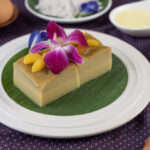

Leave a Comment