

Briam: Greece’s Oven-Roasted Vegetable Dish with Olive Oil, Herbs and Tomatoes

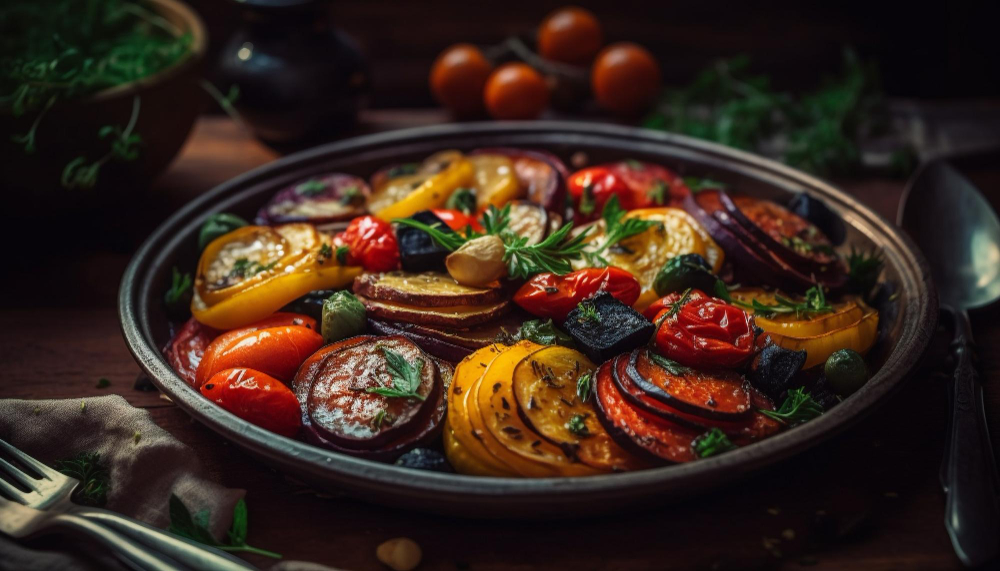
Greek cuisine is widely appreciated for its ability to transform simple, seasonal ingredients into flavourful and nutritious meals. Rather than relying on complicated cooking techniques or expensive ingredients, many traditional Greek dishes focus on fresh vegetables, aromatic herbs, high-quality olive oil and natural flavours. One such dish is Briam, a traditional Greek vegetable preparation that represents the simplicity and richness of Mediterranean cooking. Prepared by slowly roasting seasonal vegetables with olive oil, tomatoes, garlic and herbs, Briam is a completely vegetarian dish that combines rustic flavours with a satisfying texture.
Briam is particularly popular in Greek households because it makes excellent use of vegetables that are readily available during different seasons. Potatoes, zucchini, eggplant, onions, bell peppers and tomatoes are commonly used to create a colourful combination of ingredients. These vegetables are arranged in a baking dish, seasoned generously and cooked in the oven until they become tender, slightly caramelised and infused with the flavours of olive oil and herbs.
The dish is closely connected with the Greek culinary tradition of ladera, a category of vegetable-based foods prepared with olive oil. These preparations demonstrate how vegetables can become the centre of a complete meal without requiring meat or complicated substitutes. Briam is therefore an interesting example of traditional vegetarian cooking that combines regional food culture, seasonal ingredients and straightforward preparation.
What Is Briam? Understanding Greece’s Traditional Vegetable Dish
Briam is a traditional Greek oven-roasted vegetable dish made by combining different vegetables with tomatoes, olive oil, garlic and herbs. It is sometimes compared to ratatouille because both dishes use a mixture of vegetables, including zucchini, eggplant and tomatoes. However, Briam has its own distinctive identity because of its Greek ingredients, olive-oil-rich preparation and characteristic oven-roasted texture.
The vegetables are generally cut into slices or medium-sized pieces and arranged in a large baking tray. Chopped or grated tomatoes are added to provide moisture and create a naturally flavourful sauce during cooking. Olive oil is distributed throughout the dish, allowing the vegetables to soften while absorbing the flavours of garlic, oregano, parsley and other seasonings.
Unlike many vegetable preparations that require individual cooking of ingredients, Briam allows most of the vegetables to cook together. The oven gradually transforms their natural moisture and flavours into a rich, concentrated combination. Potatoes become soft inside, zucchini develops a delicate texture, eggplant absorbs the surrounding flavours, and tomatoes create a delicious coating.
Briam is generally served warm or at room temperature. It can be enjoyed as a main vegetarian meal, a side dish or part of a larger Mediterranean-style dining experience.
The Historical and Cultural Significance of Briam in Greece
Greek food traditions have developed around agriculture, seasonal availability and the extensive use of locally grown ingredients. For generations, Greek households have relied on vegetables, grains, legumes, olive oil and fresh herbs to prepare affordable and satisfying meals. Briam reflects this approach to cooking because it uses everyday agricultural produce rather than specialised or expensive ingredients.
The dish belongs to the broader tradition of Greek home cooking, where vegetables are frequently treated as the main component of a meal. In traditional Greek households, seasonal produce is often purchased from local markets or collected from family gardens. During summer, vegetables such as tomatoes, eggplants, zucchini and peppers become particularly abundant, making them suitable ingredients for dishes like Briam.
The connection between Briam and ladera cooking is especially important. Ladera dishes traditionally use olive oil as a major cooking ingredient, rather than treating it simply as a finishing condiment. Olive oil contributes flavour, helps distribute heat and creates a rich texture when combined with vegetable juices.
Briam also reflects the Mediterranean philosophy of making food from available ingredients. Instead of following a rigid recipe, households can adjust the vegetable combination according to the season, personal preferences and regional traditions. This flexibility has helped the dish remain relevant across generations.
The Essential Vegetables Used in Traditional Briam
The identity of Briam depends on the combination of vegetables used in its preparation. Although recipes differ between households, potatoes, zucchini, eggplant, tomatoes and onions are among the most common ingredients. Each vegetable contributes a different flavour, consistency and nutritional characteristic to the final preparation.
Potatoes: Creating a Hearty Foundation
Potatoes are frequently included in Briam because they provide substance and make the dish more filling. During roasting, their outer surfaces absorb olive oil and tomato-based seasoning, while their interiors become soft and tender. Their mild flavour balances the stronger characteristics of eggplant, garlic and herbs.
Potatoes also contribute carbohydrates, which provide energy for the body. They contain potassium, vitamin C and other nutrients, although their nutritional composition can vary depending on the variety and cooking method.
Zucchini: Adding Freshness and Soft Texture
Zucchini is another important ingredient in Briam. Its mild flavour allows it to absorb the seasoning and vegetable juices without overpowering the other ingredients. When roasted, zucchini becomes tender and develops a slightly sweet taste.
It also contributes water, dietary fibre and nutrients such as vitamin C. Its naturally high moisture content helps maintain the softness of the vegetable mixture during cooking.
Eggplant: Developing Richness and Depth
Eggplant gives Briam a distinctive Mediterranean character. Its soft interior absorbs olive oil, tomato juices and herbs, creating a rich texture. When roasted for an appropriate amount of time, eggplant becomes creamy while its outer portions develop deeper roasted flavours.
Eggplant also contains dietary fibre and naturally occurring plant compounds, including anthocyanins in certain varieties. These compounds are associated with the vegetable’s pigmentation and contribute to its nutritional profile.
Tomatoes: Bringing the Ingredients Together
Tomatoes are essential because they provide acidity, moisture and natural sweetness. As they cook, their juices combine with olive oil and seasoning to create a light vegetable sauce.
Tomatoes are also a source of vitamin C, potassium and lycopene, a naturally occurring carotenoid that gives tomatoes their characteristic red colour.
Onions, Garlic and Bell Peppers: Strengthening the Flavour
Onions contribute sweetness as they soften in the oven, while garlic introduces a distinctive aromatic flavour. Bell peppers add colour, mild sweetness and additional vegetable variety.
Together, these ingredients create a balanced flavour profile without requiring artificial flavour enhancers or complicated sauces.
The Role of Olive Oil in Briam’s Traditional Preparation
Olive oil is one of the most important elements of Greek cooking, and its role in Briam extends beyond basic seasoning. It influences the flavour, texture and overall cooking process of the dish.
In traditional preparation, olive oil is distributed generously over the vegetables before baking. As the ingredients heat up, the oil combines with moisture released by tomatoes, zucchini, onions and other vegetables. This creates a flavourful cooking environment in which the ingredients gradually soften and absorb the surrounding seasonings.
Extra virgin olive oil is particularly valued for its distinctive aroma and naturally occurring monounsaturated fats. It also contains various antioxidant compounds, including polyphenols, although their quantities differ according to the olive variety, processing and storage conditions.
From a nutritional perspective, olive oil provides energy and can contribute unsaturated fats to a balanced vegetarian diet. However, because it is energy-dense, the quantity used should be considered according to individual dietary requirements.
The combination of olive oil and vegetables also demonstrates an important feature of Mediterranean cooking: a relatively simple ingredient can influence several aspects of a dish simultaneously, including aroma, mouthfeel, cooking performance and flavour development.
How Briam Is Traditionally Prepared
The preparation of Briam is relatively straightforward, but achieving its characteristic texture requires attention to vegetable cutting, seasoning and cooking time. The objective is to allow the vegetables to become tender without turning the entire mixture into an overly soft preparation.
The process begins with washing and preparing the vegetables. Potatoes are peeled and sliced, while zucchini and eggplant are generally cut into rounds or medium-sized pieces. Onions are sliced, bell peppers are chopped, and tomatoes are grated or finely chopped to create the base of the sauce.
The prepared vegetables are placed in a large oven-safe dish. Some cooks arrange them in layers, while others mix the ingredients to create a more rustic presentation. Garlic, oregano, parsley, salt and black pepper are then added according to taste.
Olive oil is poured over the mixture, followed by the tomatoes and, when necessary, a small quantity of water. The ingredients are mixed or arranged so that the seasoning reaches different parts of the dish.
The baking tray is placed in a preheated oven, commonly at approximately 180–200°C. Cooking time generally ranges from 60 to 90 minutes, depending on the size of the vegetable pieces, the oven and the amount of moisture released during cooking.
During roasting, the vegetables gradually soften and their flavours become concentrated. If the surface becomes too dry before the potatoes and other ingredients are fully cooked, a little water can be added. Near the end of cooking, the dish can be left uncovered to encourage slight browning and caramelisation.
The finished Briam should contain tender vegetables surrounded by a naturally developed tomato and olive oil mixture. The potatoes should be fully cooked, the eggplant should have a soft consistency, and the zucchini should retain enough structure to remain recognisable.
The Importance of Herbs and Seasonings in Briam
Herbs play an important role in giving Briam its characteristic Greek flavour. Although the vegetables and olive oil form the foundation of the dish, seasonings create the aromatic profile that distinguishes it from ordinary roasted vegetables.
Oregano is one of the most frequently used herbs in Greek cooking. Its slightly earthy and aromatic flavour complements tomatoes, potatoes and eggplant. Fresh parsley is also commonly added, bringing a lighter herbal note to the preparation.
Thyme and rosemary can be incorporated according to regional preferences or household recipes. Their aromatic characteristics work particularly well with potatoes and roasted vegetables. Garlic contributes depth, while black pepper provides mild warmth.
Lemon juice is sometimes added before serving to introduce additional acidity. This can balance the richness of olive oil and make the vegetable flavours more noticeable.
The seasoning approach is generally simple because the purpose is to enhance the natural characteristics of the ingredients rather than cover them. This is one of the defining features of traditional Mediterranean vegetable cooking.
Nutritional Value of Briam: A Vegetable-Rich Vegetarian Meal
Briam offers a combination of vegetables, plant-based nutrients and healthy fats, making it a useful addition to a varied vegetarian eating pattern. Its nutritional composition depends on the vegetables selected, their proportions and the quantity of olive oil used.
Potatoes provide carbohydrates and potassium, while zucchini and eggplant contribute water and dietary fibre. Tomatoes provide vitamin C and lycopene, and bell peppers can contribute additional vitamin C and carotenoids. Onions and garlic contain naturally occurring plant compounds that contribute to their distinctive characteristics.
Olive oil supplies predominantly monounsaturated fats. Replacing some saturated fats with unsaturated fats in an overall balanced diet can support cardiovascular health.
Another important nutritional feature of Briam is its vegetable diversity. Including different coloured vegetables introduces a broader range of naturally occurring plant compounds into a meal. The red colour of tomatoes, green shades of zucchini and herbs, and purple colour of eggplant reflect the presence of different plant pigments.
However, Briam is not automatically a nutritionally complete meal in every serving. Its protein content is relatively modest unless it is accompanied by protein-rich foods. Combining it with lentils, chickpeas, beans, Greek-style yoghurt or another suitable vegetarian protein source can help create a more balanced meal.
The dish can also fit into different dietary preferences because its traditional ingredients are plant-based. People following vegan diets can enjoy it without modifications, provided the preparation does not include animal-derived additions.
Briam and the Mediterranean Diet
Briam is closely associated with the Mediterranean dietary pattern, which emphasises vegetables, fruits, legumes, whole grains, nuts, seeds and olive oil. Rather than focusing on individual foods as isolated sources of nutrition, this dietary approach considers the overall combination and balance of meals.
One of the most important characteristics of Briam is its emphasis on vegetables as the centre of the plate. In many traditional food cultures, vegetables are treated primarily as side dishes, but Briam demonstrates how they can form the foundation of a satisfying main course.
The use of olive oil instead of large quantities of butter or other saturated fats also reflects Mediterranean culinary traditions. Similarly, the inclusion of herbs and tomatoes allows the dish to develop flavour through natural ingredients rather than relying heavily on processed sauces.
Briam can be served with whole-grain bread, lentil dishes, fresh salads or other plant-based preparations. Such combinations create a meal with a broader range of nutrients, textures and flavours.
The dish also demonstrates how traditional cooking practices can support seasonal eating. Choosing locally available vegetables may encourage dietary variety and reduce dependence on ingredients transported over long distances.
Different Variations of Briam Across Greek Households
Although Briam follows a recognisable preparation style, there is no single combination of vegetables that every Greek household must use. Family traditions, regional ingredients and personal preferences influence how the dish is prepared.
Some versions contain a higher proportion of potatoes, making the preparation more substantial. Other variations focus on zucchini and eggplant, creating a softer vegetable combination with a stronger Mediterranean character.
Certain recipes use sliced tomatoes arranged between layers of vegetables, while others incorporate grated tomatoes to produce a more uniform sauce. The quantity of olive oil can also vary according to household preferences.
Seasonal variations are particularly interesting. During summer, fresh tomatoes, zucchini, eggplant and peppers are readily available in many Greek markets. In other periods, the recipe can be adapted using vegetables that are suitable for roasting.
Some cooks also add carrots for sweetness or incorporate additional herbs to create a more pronounced aromatic profile. These variations demonstrate the flexibility of Briam while preserving its essential identity as an olive-oil-based roasted vegetable dish.
For vegetarian and vegan cooking, the traditional plant-based preparation is already suitable without requiring meat substitutes or dairy ingredients.
Briam as an Example of Sustainable and Seasonal Cooking
Modern discussions about sustainable food systems increasingly highlight the importance of seasonal ingredients, reducing food waste and making greater use of plant-based meals. Briam provides a traditional example of several of these principles.
The recipe can accommodate vegetables that are available locally and seasonally. Instead of depending on a fixed ingredient list, households can adjust the preparation according to what is fresh and affordable.
It can also provide a practical way to use vegetables that might otherwise remain unused in the refrigerator. Slightly imperfect tomatoes, zucchini, potatoes and eggplants can often be incorporated into a roasted vegetable preparation, provided they are fresh and safe to consume.
Cooking several vegetables together also offers practical advantages. A single baking dish can produce multiple servings, reducing the need for separate cooking processes. Leftovers can be stored appropriately and used for another meal.
The sustainability benefits depend on how ingredients are sourced, transported, stored and prepared. Nevertheless, Briam illustrates how traditional vegetarian dishes can encourage greater use of agricultural produce while supporting varied eating habits.
How Briam Is Served and Enjoyed
Briam is a versatile dish that can be served in different ways depending on the occasion and the desired meal structure. In Greek households, it is commonly enjoyed as a main vegetable preparation accompanied by bread, salad or another traditional side dish.
Fresh bread is particularly suitable because it can be used to enjoy the tomato and olive oil mixture remaining at the bottom of the serving dish. A simple cucumber and tomato salad can provide a refreshing contrast to the warm, roasted vegetables.
For a more protein-rich vegetarian meal, Briam can be served alongside cooked chickpeas, lentils or beans. These additions complement the vegetable preparation without changing its traditional identity.
Some people also serve it with feta cheese, which introduces a salty and creamy contrast. However, feta is an optional accompaniment rather than a necessary ingredient, and the basic Briam recipe remains completely plant-based.
Another interesting characteristic of Briam is that its flavour can develop further after resting. When the vegetables cool slightly, the olive oil, tomato juices and seasonings settle together. For this reason, it can be enjoyed warm or at room temperature.
Briam Compared with Other Mediterranean Vegetable Dishes
Briam is often compared with other Mediterranean vegetable preparations, particularly French ratatouille and Italian vegetable casseroles. Although these dishes share several ingredients, their cooking traditions and textures differ.
French ratatouille generally combines eggplant, zucchini, tomatoes, peppers and onions. Depending on the recipe, the vegetables may be cooked separately before being combined or prepared together. Its consistency can range from chunky to relatively soft.
Briam, in comparison, is strongly associated with oven roasting and the Greek tradition of cooking vegetables with olive oil. Potatoes are also commonly included, giving it a heartier character.
Italian vegetable preparations vary considerably by region and may include roasted vegetables, tomato-based casseroles and dishes featuring eggplant or zucchini. Briam remains distinct through its characteristic Greek seasoning and ladera cooking approach.
These comparisons highlight the diversity of Mediterranean vegetarian cuisine. Similar agricultural ingredients can produce different culinary identities depending on regional traditions, cooking techniques and flavour preferences.
Why Briam Is Relevant to Modern Vegetarian Food Culture
The growing interest in vegetarian cooking has encouraged people to explore traditional food cultures that have long treated vegetables as important meal components. Briam is particularly relevant because it demonstrates that vegetarian food does not need to depend on highly processed substitutes or elaborate recipes.
Its preparation is accessible to beginners, while its flavour and nutritional flexibility make it suitable for people who regularly cook plant-based meals. The recipe can also be adapted to different household budgets because it primarily uses familiar vegetables and basic pantry ingredients.
Briam is equally relevant to discussions about food diversity and culinary heritage. Exploring traditional recipes introduces people to the agricultural practices, ingredients and cooking methods of different regions. It also demonstrates how regional food knowledge can remain useful in contemporary kitchens.
For restaurants, food bloggers and vegetarian food businesses, Briam offers an opportunity to introduce customers to an authentic Greek preparation that combines visual appeal, seasonal produce and Mediterranean flavours.
Its colourful appearance also makes it suitable for modern food presentation. The natural contrast between red tomatoes, green zucchini, purple eggplant and golden potatoes creates an attractive dish without requiring artificial colours or decorative ingredients.
Conclusion
Briam represents the simplicity, versatility and richness of traditional Greek vegetarian cooking. By combining seasonal vegetables with olive oil, tomatoes, garlic and aromatic herbs, it transforms everyday ingredients into a flavourful and satisfying preparation. Its connection with the Greek ladera tradition highlights the importance of vegetables and olive oil in Mediterranean food culture.
Beyond its culinary appeal, Briam offers an interesting example of how traditional recipes can support modern preferences for plant-based meals, seasonal ingredients and home cooking. Its adaptable preparation allows households to experiment with different vegetables while maintaining the essential characteristics of the dish.
Whether served as a complete vegetable-centred meal, accompanied by legumes or enjoyed alongside fresh bread, Briam demonstrates that vegetarian cuisine can be nutritious, colourful and deeply satisfying. Its continued popularity reflects the lasting value of simple cooking techniques that celebrate natural ingredients and regional culinary traditions.
Online Internship with Certificate
You may be interested
Fara: Traditional Steamed Rice-Flour Dumplings of Chhattisgarh
Anshika Jain - November 13, 2026India’s traditional cuisine is known for transforming simple agricultural ingredients into nutritious, flavourful and culturally meaningful dishes. Across different regions, rice, lentils, seasonal vegetables and locally available…

Mocha Ghonto: Bengal’s Banana Blossom Curry with Potatoes and Bengali Spices
Anshika Jain - November 13, 2026Bengali cuisine is celebrated for its remarkable variety of vegetarian preparations, distinctive spice combinations and creative use of seasonal vegetables. Among its traditional dishes, Mocha Ghonto holds…
Aloo Pitika: Assam’s Rustic Mashed Potato Dish with Mustard Oil, Onions and Herbs
Anshika Jain - November 13, 2026Indian regional cuisine is filled with traditional dishes that demonstrate how simple ingredients can create distinctive flavours and memorable eating experiences. Among the many vegetarian preparations of…
Most from this category

Chakuli Pitha: Odisha’s Traditional Fermented Rice and Black Gram Pancakes
Anshika Jain - November 13, 2026
Papanasi: Romania’s Soft Cheese Doughnuts Served with Sour Cream and Fruit Preserves
Anshika Jain - November 13, 2026
Bissara: Vegetarian Preparation of Fava Beans, Split Peas, Garlic and Olive Oil
Anshika Jain - November 12, 2026
Kuku Bademjan: Vegetarian Dish of Aubergine, Fresh Herbs and Aromatic Spices
Anshika Jain - November 12, 2026Chakuli Pitha: Odisha’s Traditional Fermented Rice and Black Gram Pancakes
Anshika Jain - November 13, 2026Papanasi: Romania’s Soft Cheese Doughnuts Served with Sour Cream and Fruit Preserves
Anshika Jain - November 13, 2026Bissara: Vegetarian Preparation of Fava Beans, Split Peas, Garlic and Olive Oil
Anshika Jain - November 12, 2026




Leave a Comment