

Papanasi: Romania’s Soft Cheese Doughnuts Served with Sour Cream and Fruit Preserves

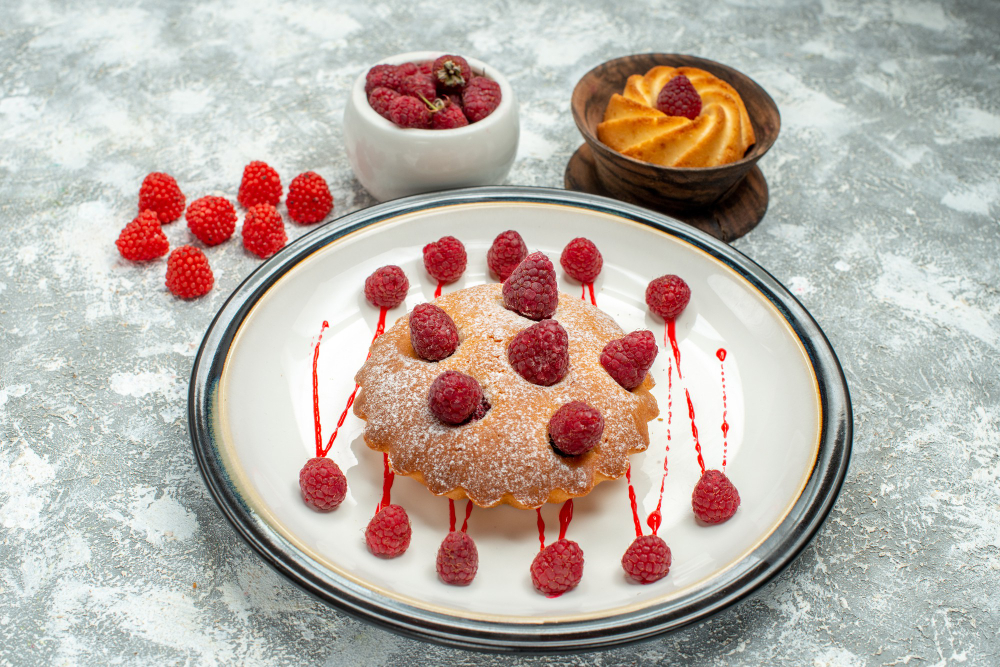
Romanian cuisine is known for its comforting traditional dishes, rich dairy-based preparations and desserts that combine simple ingredients with distinctive regional flavours. Among its most recognisable sweet specialities is Papanasi, a traditional Romanian dessert made from soft cheese dough that is shaped into doughnuts, fried or sometimes boiled, and served with generous portions of sour cream and fruit preserves. Its combination of a lightly crisp exterior, soft interior and creamy, fruity toppings creates a dessert that is both visually appealing and satisfying.
Papanasi holds a special place in Romanian food culture because it reflects the country’s long-standing tradition of using fresh dairy products in everyday cooking. Soft cheese, particularly a Romanian cheese known as brânză de vaci, is the central ingredient that gives the dessert its characteristic texture and mild flavour. Unlike conventional doughnuts, which are generally prepared using yeast-based dough, Papanasi uses a cheese-rich mixture that creates a softer and slightly denser consistency.
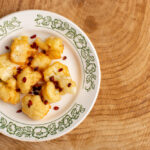
The dessert is commonly shaped into a round ring with a smaller dough ball placed on top. After frying, the two components are assembled and covered with sour cream and fruit preserves, often made from blueberries, cherries, sour cherries or other berries. This presentation has become one of the defining characteristics of traditional Papanasi.
Beyond its taste, Papanasi represents an important part of Romania’s culinary identity. It demonstrates how ordinary ingredients such as cheese, flour, eggs, sugar and fruit can be transformed into a distinctive regional dessert. Its popularity in Romanian homes, restaurants and traditional food establishments has also helped introduce this speciality to international audiences interested in European desserts.
What Is Papanasi? Understanding Romania’s Traditional Cheese Dessert
Papanasi is a traditional Romanian dessert prepared using a soft cheese-based dough that is shaped and cooked before being served with sour cream and fruit jam. It is particularly known for its distinctive doughnut-like appearance and its combination of creamy, tangy and sweet flavours.
The main ingredient is generally fresh, soft, unsalted cheese. Romanian brânză de vaci is commonly used because it has a mild flavour and a moist, crumbly consistency. It is mixed with ingredients such as flour, eggs, sugar and sometimes semolina, baking powder, vanilla or lemon zest to create a workable dough.
The mixture is shaped into a larger ring and a smaller round piece. The ring resembles a traditional doughnut, while the smaller portion is placed on top after cooking. This structure gives Papanasi its recognisable appearance.
The doughnuts are usually deep-fried until their exterior becomes golden brown. The interior remains soft and tender because of the cheese content. Once cooked, they are served warm with sour cream and fruit preserves, which provide a contrast to the lightly sweetened cheese dough.
Papanasi is generally enjoyed as a dessert rather than a breakfast food. However, its rich ingredients and satisfying texture make it suitable for special meals, family gatherings and celebrations.
The Historical and Cultural Significance of Papanasi in Romania
Romanian food culture has developed through a combination of agricultural traditions, regional ingredients and influences from neighbouring European and Balkan culinary communities. Dairy products have historically played an important role in many Romanian households, particularly in rural areas where milk, cheese, cream and butter were common ingredients.
Papanasi reflects this culinary background through its use of fresh cheese as the foundation of a sweet preparation. Traditional households often found ways to incorporate available dairy ingredients into both savoury and sweet dishes. Fresh cheese was especially useful because it could be combined with flour, eggs and other pantry ingredients to prepare filling foods.
The exact historical origin of Papanasi is not universally established, and different regions have their own variations of cheese-based desserts. However, the dish has become strongly associated with Romanian traditional cuisine.
In contemporary Romania, Papanasi is widely recognised as a speciality served in restaurants, guesthouses and traditional food establishments. It is frequently presented as a signature dessert for visitors who want to experience Romanian cooking beyond its internationally familiar savoury dishes.
Its popularity also reflects the importance of traditional desserts in preserving regional culinary heritage. Although modern bakeries and restaurants may introduce new toppings or presentation styles, the combination of cheese dough, sour cream and fruit preserves remains central to its identity.
The Essential Ingredients Used in Traditional Papanasi
The quality of Papanasi depends largely on the ingredients used to prepare the dough and the toppings. Each component contributes to the dessert’s flavour, consistency and appearance.
Fresh Cheese: The Foundation of Papanasi
Fresh cheese is the most important ingredient in Papanasi. Romanian brânză de vaci is traditionally preferred because it is soft, mild and slightly tangy. It gives the doughnuts their characteristic texture and distinguishes them from ordinary flour-based doughnuts.
The moisture content of the cheese is particularly important. If the cheese contains excessive liquid, the dough may become difficult to shape and require additional flour. Too much flour, however, can make the finished dessert heavy and reduce the softness that defines traditional Papanasi.
When Romanian fresh cheese is unavailable, well-drained cottage cheese or another suitable fresh, unsalted curd cheese can be used as an alternative. The objective is to maintain a soft consistency without introducing excessive moisture.
Fresh cheese also contributes protein and calcium, making it an important nutritional component of the preparation.
Flour: Providing Structure and Stability
Flour helps bind the cheese mixture and gives Papanasi enough structure to maintain its doughnut shape during frying. It also contributes to the lightly firm exterior that develops during cooking.
The quantity of flour should be balanced carefully. A dough containing too much flour can become dense, while insufficient flour may make the mixture sticky and difficult to handle.
Traditional recipes generally use ordinary wheat flour rather than specialised baking flour, keeping the preparation accessible to home cooks.
Eggs: Improving Texture and Binding
Eggs help hold the ingredients together and contribute to the softness of the finished dessert. They also improve the structure of the dough, making it easier to shape into rings and smaller balls.
When combined with fresh cheese and flour, eggs create a mixture that can be cooked without requiring the lengthy fermentation process associated with conventional yeast doughnuts.
Sugar and Aromatic Ingredients
Sugar adds mild sweetness to the cheese dough, although Papanasi is not usually made excessively sweet because the fruit preserves provide additional sweetness when serving.
Vanilla is commonly used to enhance the dessert’s aroma. Lemon zest may also be incorporated to introduce a subtle citrus fragrance that complements the mild tanginess of fresh cheese.
Some recipes include semolina or baking powder to adjust the consistency and lightness of the dough. These additions vary according to household preferences and regional preparation styles.
Sour Cream and Fruit Preserves: The Signature Toppings
The Sour cream and fruit preserves are essential to the traditional presentation of Papanasi. Sour cream provides a creamy, slightly acidic contrast to the warm cheese doughnuts, while fruit preserves introduce sweetness and fruity flavour.
Blueberry, sour cherry, raspberry and cherry preserves are popular choices. Sour cherry preserves are particularly interesting because their natural acidity balances the richness of the fried dough.
The toppings are generally placed generously over the larger doughnut, with the smaller dough ball positioned on top. Some of the cream and preserves naturally flow down the sides, creating the dessert’s characteristic appearance.
How Traditional Romanian Papanasi Is Prepared
Preparing Papanasi requires attention to the consistency of the cheese mixture, the shaping technique and the frying temperature. Although the recipe uses familiar ingredients, maintaining the correct balance is important for achieving a soft interior and golden exterior.
The preparation begins by placing fresh cheese in a mixing bowl and breaking it into a smooth, relatively uniform consistency. Eggs, sugar, vanilla and lemon zest are then incorporated. Flour and any optional semolina or baking powder are added gradually until a soft dough develops.
The mixture should be firm enough to handle but should not become excessively dry. If the cheese is particularly moist, it may be necessary to drain it before mixing. This helps reduce the amount of flour required.
Once the dough reaches the desired consistency, it is divided into portions. Each portion is shaped into a thick ring with a hole in the centre. A smaller piece of dough is also shaped into a ball, which will later be placed on top.
The doughnuts are then fried in moderately hot oil. The temperature is important because excessively hot oil may brown the outside before the interior is fully cooked. If the oil is too cool, the doughnuts may absorb too much oil and become heavy.
The doughnuts are turned carefully during frying to ensure even browning. Once they develop a golden surface and are properly cooked inside, they are removed and placed on absorbent paper to remove excess oil.
For serving, the larger doughnut is placed on a plate and covered with sour cream and fruit preserves. The smaller dough ball is positioned on top, completing the traditional presentation.
The result is a warm, soft cheese doughnut with a lightly crisp surface, creamy topping and fruity sweetness.
Fried Papanasi and Boiled Papanasi: Understanding the Two Variations
One interesting aspect of Romanian Papanasi is that it is not limited to a single cooking technique. Two commonly recognised preparations are fried Papanasi and boiled Papanasi.
Fried Papanasi
Fried Papanasi is the version most commonly associated with the familiar doughnut-style presentation. It is prepared by frying cheese-based dough until the exterior becomes golden and slightly crisp.
The contrast between the lightly crisp surface and the soft interior makes this variation particularly appealing. It is generally served with sour cream and fruit preserves and is frequently found on Romanian restaurant dessert menus.
The frying process also gives the dough a distinctive aroma and richer flavour. However, the amount of oil absorbed during cooking can influence the final texture and nutritional composition.
Boiled Papanasi
Boiled Papanasi is a different preparation that uses a cheese-based mixture cooked in hot water rather than deep-fried in oil. It is generally associated with softer, dumpling-like preparations and may be served with sweet toppings or other accompaniments depending on the recipe.
The texture is usually more delicate because the dough does not develop the same browned exterior as the fried version.
This variation demonstrates the flexibility of Romanian cheese-based cooking. Similar ingredients can produce noticeably different results depending on the cooking method.
Both versions are part of the broader culinary tradition, although fried Papanasi is especially recognisable internationally.
The Role of Sour Cream in Creating Papanasi’s Distinctive Flavour
Sour cream is more than a decorative topping in traditional Papanasi. It contributes an important flavour contrast that balances the richness of the cheese dough and the sweetness of the fruit preserves.
The mild acidity of sour cream helps prevent the dessert from tasting excessively sweet. Its creamy consistency also adds moisture to the fried doughnuts, creating a softer eating experience.
In Romanian cooking, sour cream is widely used in both savoury and sweet preparations. Its inclusion in Papanasi reflects a broader culinary preference for combining dairy ingredients with fruit and grain-based foods.
The amount of sour cream can vary depending on personal preference. Some preparations use a relatively thick layer, while others use a smaller quantity to maintain a stronger emphasis on the doughnut itself.
For a vegetarian preparation, it is important to choose sour cream made without animal-derived rennet or other unsuitable additives when strict vegetarian requirements apply. The traditional recipe does not require meat or meat-based ingredients.
Fruit Preserves: Adding Colour, Sweetness and Regional Character
Fruit preserves are responsible for much of the dessert’s visual appeal and distinctive sweetness. They also provide an opportunity to introduce different seasonal and regional fruit flavours.
Blueberry preserves are particularly popular because their deep colour contrasts beautifully with white sour cream and golden doughnuts. Their sweet and slightly tart flavour complements the mild taste of fresh cheese.
Sour cherry preserves provide a more pronounced balance of sweetness and acidity. They are especially suitable for people who prefer desserts that are not dominated by sugary flavours.
Raspberry and strawberry preserves offer lighter fruit aromas, while plum preserves can provide a deeper and more concentrated taste.
Homemade preserves are also suitable for Papanasi. Preparing fruit preserves at home allows cooks to control the sweetness, fruit consistency and overall flavour. Fresh fruit can be cooked with sugar and a small amount of lemon juice until it develops a thick, spoonable texture.
The choice of preserve can significantly influence the final experience without changing the fundamental preparation of the dessert.
Nutritional Value of Papanasi: Understanding Its Dairy-Based Ingredients
Papanasi contains several ingredients that contribute nutritional value, although it is generally considered an indulgent dessert rather than an everyday health food.
Fresh cheese is the primary source of protein and calcium in the preparation. Protein contributes to the maintenance and growth of body tissues, while calcium is important for bone and dental health.
Eggs provide additional protein and nutrients, including vitamin B12 and choline. Wheat flour contributes carbohydrates, which provide energy, while sour cream supplies fat and adds to the dessert’s creamy consistency.
Fruit preserves can contribute small amounts of fruit-derived compounds, depending on the ingredients and preparation method. However, commercial preserves often contain considerable added sugar, so their nutritional contribution should be considered alongside their sweetness.
The frying process increases the energy content of the dessert because some cooking oil may be absorbed into the dough. Consequently, fried Papanasi can be relatively rich in calories, fat and carbohydrates.
People interested in a lighter preparation can experiment with smaller portions, reduced-sugar preserves or baking instead of deep-frying. However, these adjustments create variations rather than reproducing the traditional fried version exactly.
Papanasi is also a vegetarian-friendly dessert when prepared with suitable dairy products and ingredients. It is not vegan because its traditional recipe contains cheese, eggs and sour cream.
Papanasi in Romanian Celebrations and Modern Restaurant Culture
Papanasi has become one of the most recognisable desserts associated with Romanian restaurants and traditional dining experiences. It is frequently served as a concluding course after meals featuring Romanian soups, vegetable preparations, polenta and other regional specialities.
Its popularity is partly connected to its presentation. The distinctive doughnut shape, white sour cream and colourful fruit preserves create a dessert that is immediately recognisable.
In traditional family settings, Papanasi can be prepared for weekend meals, gatherings and special occasions. Its rich texture and generous toppings make it suitable for sharing as part of a larger dining experience.
Modern Romanian restaurants have also introduced creative variations. Some use different fruit preserves, flavoured creams or decorative toppings to give the dessert a contemporary appearance.
Despite these adaptations, the essential elements remain familiar: cheese-based dough, a soft interior, a golden exterior in fried versions, and the combination of sour cream with fruit preserves.
The dessert has also gained international recognition through food tourism and social media. Visitors exploring Romanian cuisine often encounter Papanasi as a speciality that represents the country’s traditional approach to dairy-based desserts.
How Papanasi Compares with Other European Doughnut Desserts
Papanasi shares certain characteristics with doughnuts and cheese-based pastries found in other European food cultures. However, its ingredients and presentation distinguish it from many familiar desserts.
Conventional doughnuts are commonly prepared using wheat flour, yeast, sugar and milk. Their texture is generally airy and bread-like because of fermentation.
Papanasi differs because fresh cheese is incorporated directly into the dough. This produces a softer and denser consistency with a mild dairy flavour.
It also differs from many filled doughnuts because the fruit component is generally presented as a topping rather than enclosed inside the dough. Sour cream provides another distinctive element that is not commonly associated with conventional doughnuts.
Other European cuisines also feature cheese-based fried or boiled sweets. However, the Romanian combination of a ring-shaped cheese doughnut, a smaller dough ball, sour cream and fruit preserves creates a particularly distinctive presentation.
These comparisons demonstrate how regional ingredients and preparation techniques can give similar food categories very different identities.
Why Papanasi Deserves Attention in Modern Vegetarian Food Culture
The growing interest in international vegetarian cuisine has encouraged food enthusiasts to explore traditional dishes that use dairy, grains and fruit in creative ways. Papanasi is an interesting example because it demonstrates how fresh cheese can serve as the foundation of a distinctive dessert.
Unlike ordinary doughnuts, which depend primarily on flour-based dough, Papanasi uses cheese to influence both the structure and flavour of the preparation. This makes it an appealing option for people interested in exploring different European dessert traditions.
Its recipe is also adaptable. Home cooks can experiment with fruit preserves, citrus flavours and different fresh cheese varieties while maintaining the essential characteristics of the dessert.
For restaurants, bakeries and food businesses, Papanasi provides an opportunity to introduce customers to Romanian culinary heritage through a recognisable yet distinctive dessert. Its attractive presentation and combination of contrasting flavours make it particularly suitable for international dessert menus.
More broadly, Papanasi highlights the cultural importance of traditional recipes. It shows how local dairy products and simple pantry ingredients can become an enduring part of a country’s food identity.
Conclusion
Papanasi is much more than a traditional Romanian doughnut. It represents a distinctive combination of fresh cheese, flour, eggs, sour cream and fruit preserves that reflects the country’s rich dairy-based culinary traditions. Its soft interior, golden fried exterior and colourful toppings create a dessert that offers a memorable balance of textures and flavours.
The use of fresh cheese distinguishes Papanasi from conventional doughnuts, while sour cream and fruit preserves give it its characteristic Romanian identity. The availability of fried and boiled variations also demonstrates the flexibility of this traditional preparation.
From family kitchens to modern Romanian restaurants, Papanasi continues to hold an important place in the country’s dessert culture. Its growing international popularity introduces more people to the diversity of European vegetarian sweets and encourages greater appreciation of regional food traditions.
Whether enjoyed with blueberry preserves, sour cherry jam or homemade fruit toppings, Papanasi demonstrates how simple ingredients can create a memorable dessert rooted in culinary heritage.
Online Internship with Certificate
You may be interested
Fara: Traditional Steamed Rice-Flour Dumplings of Chhattisgarh
Anshika Jain - November 13, 2026India’s traditional cuisine is known for transforming simple agricultural ingredients into nutritious, flavourful and culturally meaningful dishes. Across different regions, rice, lentils, seasonal vegetables and locally available…
Mocha Ghonto: Bengal’s Banana Blossom Curry with Potatoes and Bengali Spices
Anshika Jain - November 13, 2026Bengali cuisine is celebrated for its remarkable variety of vegetarian preparations, distinctive spice combinations and creative use of seasonal vegetables. Among its traditional dishes, Mocha Ghonto holds…
Aloo Pitika: Assam’s Rustic Mashed Potato Dish with Mustard Oil, Onions and Herbs
Anshika Jain - November 13, 2026Indian regional cuisine is filled with traditional dishes that demonstrate how simple ingredients can create distinctive flavours and memorable eating experiences. Among the many vegetarian preparations of…
Most from this category
Chakuli Pitha: Odisha’s Traditional Fermented Rice and Black Gram Pancakes
Anshika Jain - November 13, 2026
Briam: Greece’s Oven-Roasted Vegetable Dish with Olive Oil, Herbs and Tomatoes
Anshika Jain - November 13, 2026
Bissara: Vegetarian Preparation of Fava Beans, Split Peas, Garlic and Olive Oil
Anshika Jain - November 12, 2026
Kuku Bademjan: Vegetarian Dish of Aubergine, Fresh Herbs and Aromatic Spices
Anshika Jain - November 12, 2026Chakuli Pitha: Odisha’s Traditional Fermented Rice and Black Gram Pancakes
Anshika Jain - November 13, 2026Briam: Greece’s Oven-Roasted Vegetable Dish with Olive Oil, Herbs and Tomatoes
Anshika Jain - November 13, 2026Bissara: Vegetarian Preparation of Fava Beans, Split Peas, Garlic and Olive Oil
Anshika Jain - November 12, 2026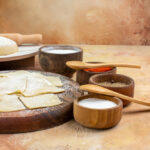

Leave a Comment