

Bubur Manado: Indonesia’s Nourishing Vegetable Rice Porridge

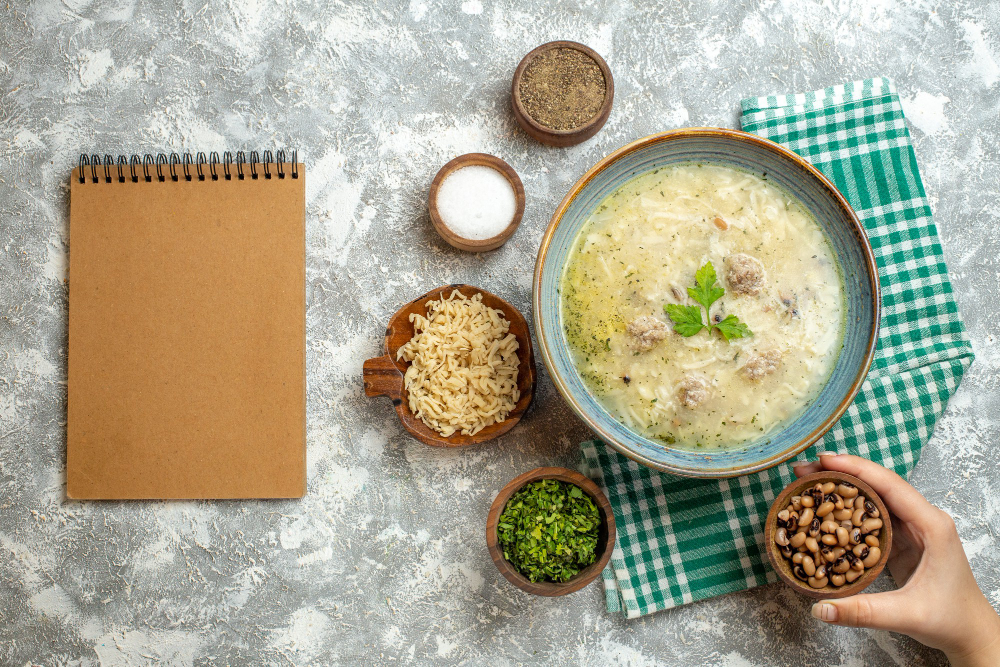
Across Indonesia, traditional food often reflects the relationship between local agriculture, regional identity, and everyday cooking. One notable example is Bubur Manado, a vegetable-rich rice porridge associated with the Minahasa region of North Sulawesi. Also known as Tinutuan, this dish combines rice with vegetables such as pumpkin, corn, and leafy greens to create a soft, comforting meal. Its appeal lies in the way simple ingredients are transformed into a filling dish with varied textures, natural sweetness, and a fresh, earthy flavour.
Bubur Manado is particularly interesting for people exploring plant-based cuisine because its central ingredients are vegetables, grains, and water or stock. Although traditional serving styles and recipes can vary, the porridge can be prepared entirely without animal-derived ingredients. A carefully designed vegan variation uses vegetable stock, plant-based seasonings, and vegetable toppings, making it suitable for people who prefer meals without meat, fish, eggs, dairy products, or other animal-derived additions.
Unlike rice porridge recipes that depend heavily on meat-based broths or rich toppings, this preparation highlights the flavours of pumpkin, sweet corn, rice, and leafy vegetables. The ingredients gradually soften and blend during cooking, producing a thick consistency while retaining enough variation to make every spoonful interesting. Bubur Manado also demonstrates how a traditional regional dish can offer a practical approach to vegetable-focused eating without requiring complicated techniques or expensive ingredients.
This article explores the cultural background of Bubur Manado, its defining ingredients, the preparation of an entirely plant-based version, its nutritional characteristics, and the ways it can be adapted for contemporary kitchens while respecting its Indonesian culinary identity.
The Cultural Background of Bubur Manado
Bubur Manado originates from the Minahasa area of North Sulawesi, Indonesia, where rice, vegetables, maize, and other locally available agricultural products have long influenced everyday cooking. Manado, the regional capital, is known for a distinctive food culture that often features fresh ingredients, bold seasoning, and combinations of vegetables with aromatic herbs and spices. Bubur Manado reflects this agricultural and culinary environment through its use of grains and several vegetables in a single preparation.
Its cultural importance is connected to its everyday practicality as well as its regional identity. The combination of rice and vegetables creates a substantial meal from ingredients that can be sourced locally and adjusted according to availability. Families may use different greens depending on the season, household preferences, or what is available in the market. This flexibility helps explain why the dish can be prepared in several variations without losing its basic character.
Bubur Manado is also commonly associated with a range of accompaniments. Depending on the serving style, these may include sambal, fried shallots, salted fish, or other savoury additions. Such accompaniments can contribute strong contrasts to the mild porridge, but they are not necessary for creating a satisfying plant-based version. A vegan preparation can instead rely on fresh chilli sambal, toasted shallots, lime, herbs, and other plant-derived ingredients to provide additional flavour.
Understanding these variations is important when adapting the dish. A plant-based version should not be presented as the only authentic form of Bubur Manado. It is more accurately described as a vegetable-focused preparation that preserves the porridge’s central ingredients and cooking approach while deliberately excluding animal-derived ingredients.
What Makes Bubur Manado Different from Other Rice Porridges?
Rice porridge appears in many Asian cuisines, but Bubur Manado stands out because vegetables are not merely served alongside the rice; they become an essential part of the porridge itself. Pumpkin, corn, and leafy greens are incorporated during cooking, allowing their flavours to develop together rather than remaining separate components on the plate. The result is a meal that combines the softness of cooked rice with the sweetness of vegetables and the freshness of greens.
In some rice porridges, the grain is the dominant ingredient and other additions provide most of the flavour. Bubur Manado follows a more vegetable-centred approach. Pumpkin can partially dissolve into the cooking liquid, giving the porridge a thicker consistency and a warm golden colour. Corn contributes sweetness and texture, while leafy vegetables introduce a contrasting taste that prevents the dish from becoming overly rich or monotonous.
The porridge also differs from many creamy Western grain dishes because its consistency comes primarily from the starch released by rice and the natural texture of cooked vegetables. It does not require cream, butter, cheese, or other dairy ingredients. When prepared with vegetable stock, it can develop a rounded savoury flavour without the need for animal-based broth.
Another defining characteristic is its adaptability. The exact combination of vegetables can change according to regional preferences and seasonal availability. Some versions use several types of leafy greens, while others emphasise pumpkin and corn. For a home cook preparing the dish outside Indonesia, spinach, water spinach where available, or other tender edible greens can be practical substitutes. The aim is to preserve the contrast between soft rice, sweet vegetables, and fresh greens rather than reproduce every local ingredient at any cost.
The Essential Ingredients of a Plant-Based Bubur Manado
Rice as the Foundation
Rice provides the structure of Bubur Manado. As it simmers in liquid, the grains soften and release starch, creating the characteristic porridge consistency. Ordinary white rice is convenient because it cooks relatively quickly and produces a smooth, cohesive texture. Medium-grain rice can also work well, while brown rice offers a nuttier flavour and more fibre but generally requires a longer cooking time and additional liquid.
The quantity of rice determines how thick the final dish becomes. Too much rice can create a dense mixture that overwhelms the vegetables, whereas too little may leave the porridge watery. A balanced recipe allows the rice to provide body without becoming the only ingredient that matters. During cooking, occasional stirring helps prevent the grains from sticking to the bottom of the pot and encourages an even consistency.
Pumpkin for Natural Sweetness and Body
Pumpkin is one of the most useful ingredients in this preparation because it contributes colour, texture, and mild sweetness. As pumpkin cooks, its flesh softens and can partially break down into the rice mixture. This gives the porridge a naturally thick, velvety quality without the need for dairy products or added fats.
The flavour of pumpkin also balances the savoury notes of vegetable stock and aromatics. Fresh pumpkin can be cut into small cubes so that it cooks at a similar pace to the rice, although larger pieces may be added earlier if they require more time to soften. Butternut squash can serve as a practical alternative in places where traditional pumpkin varieties are difficult to find.
Corn for Texture and Sweetness
Corn provides a contrasting texture that makes Bubur Manado more interesting than a completely smooth porridge. Its natural sweetness complements the pumpkin, while the kernels retain a slight bite even after cooking. Fresh corn cut from the cob offers a particularly pleasant texture, but frozen corn is also suitable for a convenient home preparation.
Corn should be cooked until tender without being allowed to lose all its structure. Adding it during the cooking process helps its flavour blend with the rice while preserving some of its individual character. The combination of corn and pumpkin creates a naturally sweet foundation that can be balanced with salt, pepper, garlic, and other seasonings.
Leafy Vegetables for Freshness and Colour
Leafy vegetables give Bubur Manado its distinctive green appearance and broaden its range of flavours. Depending on availability, a cook may use spinach, water spinach, amaranth leaves, or other tender greens that hold up well in a warm porridge. Local Indonesian preparations may use particular regional greens, but substitutions can be made according to the ingredients accessible to the cook.
Leafy vegetables generally require less cooking time than rice and pumpkin. Adding them too early can cause them to lose their colour and become excessively soft. Incorporating them toward the end allows them to wilt into the porridge while retaining a fresher taste. This timing also helps maintain a more appealing contrast between the soft rice mixture and the greens.
Vegetable Stock and Plant-Based Seasonings
Vegetable stock replaces animal-derived broth in this variation and supplies a savoury foundation. A homemade stock made from ingredients such as onion, carrot, celery, garlic, and herbs can provide depth without overpowering the vegetables. A suitable commercial stock may also be used, provided its ingredient label confirms that it contains no meat extracts, fish products, dairy, or other animal-derived ingredients.
Garlic, shallots, black pepper, and a modest amount of salt can help bring the ingredients together. Lemongrass or ginger may be introduced in small quantities if a more aromatic profile is desired, although such additions should complement rather than dominate the dish. Since pumpkin and corn already contribute sweetness, the seasoning should focus on balance rather than excessive intensity.
How to Prepare Bubur Manado Without Animal-Derived Ingredients
Preparing the Ingredients
Begin by rinsing the rice until the water is less cloudy, then drain it. Cut the pumpkin into small, evenly sized pieces so that it cooks consistently. If using fresh corn, remove the kernels from the cob. Wash the leafy vegetables thoroughly, remove any tough stems, and cut the leaves into manageable pieces.
Prepare the vegetable stock before starting the main cooking process. If making stock at home, simmer suitable vegetables and aromatics in water, then strain the liquid before using it. This approach provides a clean base that can be seasoned according to preference. For a more straightforward preparation, a verified plant-based stock can be used instead.
The ingredients should be ready before the rice begins to simmer because the cooking process requires attention as the porridge thickens. Having the vegetables prepared in advance makes it easier to add each component at the appropriate time and reduces the risk of overcooking the greens.
Cooking the Rice and Pumpkin
Place the rinsed rice in a heavy-bottomed pot with vegetable stock and bring the mixture to a gentle boil. Reduce the heat and allow the rice to simmer, stirring occasionally. The liquid should remain sufficient for the rice to soften gradually rather than cook into a dry mass. If the mixture thickens before the grains become tender, add more hot water or vegetable stock in small amounts.
Add the pumpkin once the rice has begun to soften. Continue cooking until both ingredients are tender and the pumpkin starts to break down. Stirring helps distribute the pumpkin through the rice and creates a cohesive texture. Some cooks may prefer visible pieces of pumpkin, while others may enjoy a smoother consistency in which the pumpkin becomes part of the porridge itself.
The cooking time depends on the type of rice, the size of the pumpkin pieces, and the desired thickness. Rather than relying exclusively on a fixed number of minutes, check that the rice is fully tender and the pumpkin can be easily pierced with a spoon. The mixture should be thick but still fluid enough to stir comfortably.
Adding Corn and Leafy Greens
Stir the corn into the pot when the rice and pumpkin are nearly cooked. Allow fresh or frozen kernels sufficient time to become tender, following the requirements of the ingredient being used. If the porridge becomes too thick during this stage, add more hot liquid and stir gently to maintain an even consistency.
Add the leafy vegetables toward the end of cooking. Stir them into the hot porridge until they wilt and become tender. Tender greens usually require only a short cooking period, although tougher leaves may need more time. Avoid prolonged boiling when it is unnecessary, as this can dull the colour and soften the greens excessively.
Taste the porridge and adjust the seasoning with salt, black pepper, or a small amount of additional vegetable stock. The finished dish should bring together the mild sweetness of pumpkin and corn, the savoury depth of the stock, and the fresh taste of leafy vegetables. No animal-derived topping is necessary to complete the base recipe.
Serving the Porridge
Serve Bubur Manado warm in bowls while its texture remains soft and spoonable. A little chopped spring onion, fresh herbs, or crisp fried shallots prepared in plant-based oil can add fragrance and contrast. A vegan sambal made from chilli, garlic, shallot, and lime can provide heat for those who prefer a more pronounced flavour.
Fresh lime juice can also be offered at the table. Its acidity adds brightness and balances the sweetness of the vegetables. For a more substantial meal, the porridge may be accompanied by seasoned tofu or tempeh, provided these are prepared without fish sauce, shrimp paste, or other animal-derived ingredients.
The final presentation should allow the vegetables to remain visible. Pumpkin lends golden colour, corn adds bright kernels, and leafy greens create a fresh contrast. The dish does not need elaborate garnishing because its appeal comes from the combination of simple ingredients and the natural appearance of the porridge.
Nutritional Value of Bubur Manado
Bubur Manado can provide a varied combination of carbohydrates, vegetables, fibre, and micronutrients. Its nutritional composition depends on the proportions of rice, pumpkin, corn, leafy vegetables, and stock used in the recipe. It should not be treated as a nutritionally identical dish every time it is prepared, since ingredient quantities and additions can significantly change its energy content and nutrient profile.
Rice supplies carbohydrates that serve as a major source of energy. Pumpkin contributes carotenoids, including beta-carotene in orange-fleshed varieties, which the body can convert into vitamin A. Corn provides carbohydrates and some fibre, alongside nutrients such as folate and thiamin. Leafy greens contribute a range of vitamins and minerals, with the precise amounts depending on the variety selected.
The combination of different vegetables is one of the recipe’s principal strengths. Rather than relying on a single vegetable, Bubur Manado can bring together several plant foods in one meal. This makes it a convenient way to increase vegetable variety, especially for people who prefer soft, warm meals over separate vegetable side dishes.
However, a vegetable-rich porridge is not automatically a complete source of every essential nutrient. The standard preparation may provide relatively little protein if it contains only rice, pumpkin, corn, greens, and vegetable stock. People who want a more balanced main meal can add tofu, tempeh, beans, or another suitable plant-based protein source. These additions can improve the protein content while maintaining the dish’s plant-based character.
Sodium also deserves attention. Commercial vegetable stock, packaged seasonings, and sambal can contribute substantial amounts of salt, depending on the product and quantity used. Preparing stock at home or choosing a lower-sodium version makes it easier to control the overall seasoning. The dish can remain flavourful through the use of garlic, shallots, herbs, pepper, and lime rather than relying exclusively on salt.
Why This Dish Fits Contemporary Plant-Based Cooking
Plant-based cooking is not limited to salads, meat substitutes, or recipes developed specifically for vegan diets. Many regional food traditions already use grains, vegetables, legumes, and herbs as central ingredients. Bubur Manado is a useful example because its main structure depends on rice and vegetables rather than on meat or dairy.
For people reducing their consumption of animal products, the dish offers an approachable starting point. It uses familiar ingredients, requires basic cooking equipment, and can be prepared in one pot. Its soft consistency is also appealing to people who prefer comforting meals that are easy to eat, particularly during colder weather or when they want a gentle, warm dish.
The recipe can be adapted to different household budgets without losing its central identity. Seasonal pumpkin, locally available greens, ordinary rice, and frozen or fresh corn can all be used according to availability. In India, for example, spinach or amaranth leaves may be more accessible than certain Indonesian greens. Such substitutions allow the cook to explore the dish without depending on imported ingredients.
Nevertheless, adaptation should be approached thoughtfully. The defining character of Bubur Manado comes from the combination of rice, vegetables, and its regional culinary context. Adding every available spice or replacing the original ingredients with unrelated foods may produce a tasty dish, but it can also obscure what makes this Indonesian preparation distinctive. A good variation preserves the core ingredients and makes only those changes necessary for availability, dietary requirements, or personal taste.
Practical Variations for Different Dietary Preferences
A Higher-Protein Version
A higher-protein variation can include firm tofu, tempeh, or cooked beans. Tofu can be lightly seasoned and added near the end of cooking, while tempeh may be steamed, pan-cooked, or served separately. Keeping these ingredients as accompaniments allows the traditional vegetable-and-rice porridge to remain the main focus while providing additional protein.
Beans can also be incorporated, although their texture may make the dish more substantial. If using dried beans, cook them fully before adding them to the porridge. This variation can be particularly useful for people who want a plant-based main meal that offers more than carbohydrates and vegetables alone.
A Mild and Comforting Version
For a milder preparation, use a simple vegetable stock and avoid strong chilli seasonings. Pumpkin can be allowed to soften thoroughly, creating a gentle sweetness that balances the rice and greens. This version works well for people who prefer subtle flavours or want to serve the porridge to family members with different spice preferences.
The dish’s mildness does not mean that it must be bland. Garlic, a small amount of ginger, spring onion, and freshly ground pepper can introduce aroma without making the flavour excessively sharp. Seasoning should be adjusted gradually so that the vegetables remain prominent.
A Spicier Indonesian-Inspired Version
People who enjoy stronger flavours can serve the porridge with a plant-based sambal. Fresh chilli, shallot, garlic, and lime can be blended or crushed to produce a condiment that adds heat and acidity. A small amount can be mixed into each serving, allowing everyone to control the spice level.
Care should be taken with traditional condiments because some Indonesian sambal recipes contain shrimp paste or other animal-derived ingredients. A completely plant-based preparation should use a recipe and ingredients that exclude these additions. Checking packaged sauces and seasonings is equally important when strict vegan cooking is the goal.
A Variation Using Seasonal Greens
Leafy vegetables can be changed according to the season, provided they suit the cooking method. Spinach offers a tender texture and mild flavour, while amaranth leaves can provide a slightly more earthy character. Water spinach, when available, can be used to bring the preparation closer to some regional Indonesian versions.
The cooking time should be adjusted to the selected green. Tender leaves should be stirred in near the end, while tougher varieties may need additional simmering. The purpose of these substitutions is to retain the contrast between the soft rice mixture and the fresh vegetable component.
Storage, Reheating, and Food Safety
Bubur Manado is best enjoyed freshly prepared, when the rice is soft and the greens retain their colour. However, leftovers can be stored safely when handled correctly. Rice-based dishes require particular attention because cooked rice can support the growth of Bacillus cereus if it is kept at unsafe temperatures for too long.
Refrigerate leftovers promptly in shallow, covered containers rather than leaving the pot at room temperature for an extended period. When reheating, add a little water or vegetable stock because rice continues to absorb liquid as it stands. Heat the porridge thoroughly until steaming hot throughout, stirring to distribute the heat evenly. Reheat only the portion needed rather than repeatedly warming and cooling the entire batch.
Freezing is possible, although the texture of the greens may change after thawing. For the best result, the rice and pumpkin base can be prepared in advance, refrigerated or frozen safely, and combined with freshly cooked greens when reheated. This approach helps preserve a fresher colour and flavour while making meal preparation more convenient.
Common Mistakes to Avoid When Making Bubur Manado
One common mistake is using too little liquid and allowing the rice to become dry before it has softened completely. Rice porridge needs enough liquid to cook gradually and release starch. Keeping additional hot water or stock nearby makes it easier to adjust the consistency without interrupting the cooking process.
Another problem is adding every vegetable at the same time. Rice and pumpkin generally require more cooking than tender leafy greens. If the greens are added too early, they can lose their colour and become excessively soft before the rice is ready. Staggering the ingredients according to their cooking times produces a more balanced texture.
Over-seasoning can also undermine the dish. Excessive chilli, salt, or strongly flavoured condiments may overwhelm the sweetness of the pumpkin and corn. A more effective approach is to season the base moderately and offer stronger condiments separately. This preserves the dish’s versatility and makes it suitable for people with different preferences.
Finally, cooks preparing a fully plant-based version should check all packaged ingredients rather than assuming that a vegetable dish is automatically vegan. Some stocks contain animal extracts, while certain sambals and seasoning pastes may contain shrimp paste or fish products. Reading ingredient labels and selecting suitable alternatives ensures that the finished preparation matches the intended dietary requirements.
Conclusion
Bubur Manado demonstrates how a simple combination of rice, pumpkin, corn, and leafy vegetables can become a distinctive regional meal. Associated with the Minahasa region of North Sulawesi, Indonesia, this comforting porridge reflects a culinary tradition in which locally available ingredients are combined to create a nourishing and adaptable dish.
A fully plant-based variation can preserve its essential character through vegetable stock, carefully timed cooking, and fresh, plant-derived seasonings. Pumpkin contributes natural sweetness and body, corn introduces texture, and leafy greens provide colour and variety. Optional tofu, tempeh, or beans can make the meal more substantial without requiring animal-derived ingredients.
Its appeal extends beyond its ingredients. Bubur Manado offers a practical example of how traditional food can fit contemporary approaches to vegetable-focused cooking while retaining a connection to its cultural origins. Its strength lies in balance, flexibility, and the thoughtful use of everyday foods.
Online Internship with Certificate
You may be interested

Ghapama: Armenia’s Festive Stuffed Pumpkin with Rice, Dried Fruits, and Nuts
Anshika Jain - October 29, 2026Armenian cuisine is known for its rich culinary heritage, seasonal ingredients, and dishes that bring families together around the table. Among its most distinctive festive preparations is…

Sopa Paraguaya: Paraguay’s Traditional Savoury Cornmeal Cake
Anshika Jain - October 29, 2026Paraguayan cuisine reflects a rich combination of Indigenous Guaraní food traditions and influences introduced during the colonial period. Corn, cassava, cheese, milk, and onions feature prominently in…

Kasespatzle: Cheese Noodles of Austria and Southern Germany
Anshika Jain - October 29, 2026European comfort food often finds its greatest appeal in the thoughtful combination of simple ingredients. Across Austria and southern Germany, few dishes illustrate this principle as effectively…
Most from this category

Kroppkakor: Sweden’s Traditional Potato Dumplings with a Vegetarian Twist
Anshika Jain - October 29, 2026
Kuku Sabzi — Iran’s Fragrant Herb Frittata and a Celebration of Persian Tradition
Anshika Jain - October 29, 2026
Nachni Ambil: Maharashtra’s Traditional Finger Millet Drink and Porridge
Anshika Jain - October 28, 2026Kroppkakor: Sweden’s Traditional Potato Dumplings with a Vegetarian Twist
Anshika Jain - October 29, 2026Kuku Sabzi — Iran’s Fragrant Herb Frittata and a Celebration of Persian Tradition
Anshika Jain - October 29, 2026Talkkuna: The Traditional Roasted-Grain Flour of Finland and Estonia
Anshika Jain - October 28, 2026

Sopa Paraguaya: Paraguay’s Traditional Savoury Cornmeal Cake
October 29, 2026


Leave a Comment