

Farinata: Italy’s Unique Chickpea Flatbread

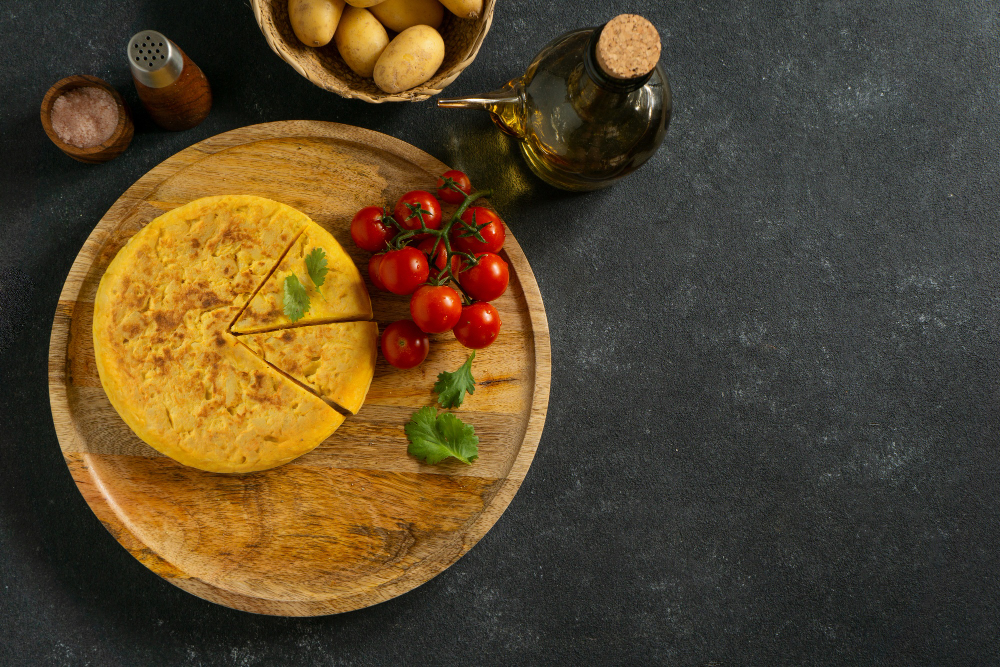
Italian cuisine is widely celebrated for its variety, simplicity, and ability to transform everyday ingredients into memorable dishes. While pizza, pasta, risotto, and focaccia are internationally recognized, Italy also offers many regional foods that remain less familiar to global audiences. One such dish is farinata, a traditional chickpea flatbread associated particularly with Liguria and the northwestern coastal regions of Italy. Made with chickpea flour, water, olive oil, and salt, farinata is a simple yet distinctive food that reflects the importance of affordable ingredients and regional culinary traditions.
Farinata has a thin, delicate structure, a lightly crisp surface, and a soft, creamy interior when prepared properly. Unlike conventional wheat-based bread, it does not require yeast, kneading, or long fermentation. Its main ingredient, chickpea flour, gives the dish a characteristic golden color, earthy flavor, and valuable nutritional qualities. Although the recipe appears uncomplicated, achieving the right texture depends on the batter’s consistency, resting time, cooking temperature, and the quality of the olive oil.
Today, farinata is enjoyed as a street food, snack, appetizer, and casual meal. It is especially appealing to people searching for vegetarian and naturally gluten-free food options. Its history, regional variations, preparation techniques, and nutritional value make it an interesting example of how traditional food continues to adapt to modern lifestyles while preserving its cultural identity.
What Is Farinata?
Farinata is a savory, oven-baked flatbread prepared primarily from chickpea flour and water. Olive oil and salt are added to create its characteristic flavor and texture. The mixture is generally prepared as a thin batter rather than a firm dough. It is poured into a generously oiled, shallow baking pan and cooked at a high temperature until the surface becomes golden and slightly crisp.
The dish is traditionally associated with Liguria, especially the coastal city of Genoa, where it is commonly known as farinata di ceci. The Italian word ceci means chickpeas, emphasizing the ingredient that forms the foundation of the recipe. Farinata is also related to similar chickpea-based flatbreads found in other Mediterranean regions, although each region has its own ingredients, names, cooking methods, and culinary traditions.
A well-prepared farinata balances several textures. Its edges may become crisp and caramelized, while the center remains tender and moist. The flavor is mild but distinctive, with the nutty character of chickpeas complemented by olive oil and salt. Some versions include rosemary, black pepper, onions, or other ingredients, but the traditional preparation is valued for its simplicity.
The Historical Roots of Farinata
A Dish Connected to Coastal Italy
Farinata is deeply connected to the food culture of Liguria, a region known for its Mediterranean coastline, mountainous landscapes, and strong maritime traditions. Historically, local communities relied on ingredients that were affordable, durable, and accessible. Chickpeas were valuable because they provided plant-based nourishment and could be stored in dried form for long periods.
The precise origins of farinata are discussed through different historical traditions and local stories. One popular account connects the dish to ancient maritime communities and sailors who used chickpea flour and water as practical food ingredients. Another commonly repeated story suggests that chickpea mixtures were accidentally exposed to heat and transformed into a flatbread. These accounts are part of the dish’s cultural storytelling, but the exact historical development of farinata cannot be established through a single universally accepted origin story.
What is clearer is that chickpea-based preparations have existed across the Mediterranean for centuries. Similar foods developed in different locations because chickpeas, olive oil, and basic cooking methods were widely available. Farinata represents the regional expression of this broader culinary tradition.
From Everyday Food to Regional Specialty
In its traditional setting, farinata was not necessarily considered an elaborate or luxurious dish. Its ingredients were relatively simple, and its preparation did not require expensive equipment or complicated techniques. Over time, however, it became an important part of Ligurian food culture and a recognizable regional specialty.
Small bakeries, street-food shops, and traditional food establishments helped preserve farinata’s identity. It is often served in slices or irregular pieces, making it suitable for eating casually. Its connection to local food traditions has helped it remain popular even as modern restaurants introduce more elaborate versions.
The Main Ingredients Used in Farinata
Chickpea Flour
Chickpea flour is the central ingredient in farinata. It is produced by grinding dried chickpeas into a fine powder. The flour provides the dish with its earthy flavor, golden appearance, and characteristic texture.
Chickpeas are legumes and contain plant-based protein, dietary fiber, and several important micronutrients. The nutritional content of the finished dish depends on the amount of flour, olive oil, serving size, and preparation method. Chickpea flour is also naturally gluten-free, which makes traditional farinata suitable for many people who avoid gluten. However, individuals with celiac disease should ensure that the flour and preparation environment are protected from cross-contact with gluten-containing ingredients.
Water and Olive Oil
Water is used to create the batter. The proportion of water to chickpea flour affects the final texture, so it is important to mix the ingredients carefully. The batter is generally allowed to rest before cooking, which helps the flour absorb water and produces a more consistent result.
Olive oil contributes flavor, richness, and texture. A generous layer of oil in the baking pan helps prevent sticking and encourages the formation of a crisp surface. Olive oil is an important element of Mediterranean cooking, and its use connects farinata to the broader culinary traditions of the region.
Salt and Optional Seasonings
Salt enhances the flavor of chickpea flour and balances its natural earthiness. Traditional farinata can be served with minimal seasoning, allowing the chickpea flavor and olive oil to remain prominent. Black pepper and fresh rosemary are popular additions in some preparations.
Other versions may include sliced onions, herbs, vegetables, or additional spices. These variations can be enjoyable, but they should be understood as adaptations rather than necessary components of the basic recipe.
How Traditional Farinata Is Prepared
Preparing the Batter
The preparation begins by combining chickpea flour with water in a bowl. The ingredients are whisked gradually to reduce lumps and create a smooth, thin mixture. The batter should not be excessively thick because farinata is designed to form a relatively thin layer in the baking pan.
The mixture is usually allowed to rest for several hours, and some traditional methods involve a longer resting period. Resting allows the flour to hydrate and can improve the final texture. During this stage, the batter may develop foam on the surface, which can be removed before baking if necessary.
Salt is added according to taste, while olive oil may be incorporated into the batter or used primarily to coat the pan. The exact method differs between cooks and regional traditions.
Baking at a High Temperature
The batter is poured into a shallow, well-oiled pan and placed in a hot oven. Traditional preparation often uses very high heat, helping the flatbread develop a golden top and crisp edges while retaining moisture inside.
The thickness of the batter influences cooking time and texture. A thin layer may become crisp more quickly, while a thicker layer can produce a softer center. The pan should be handled carefully because the oil and surface become extremely hot during baking.
When the farinata is ready, its surface should appear golden and its edges should be set. It is commonly cut into pieces and served while warm, although it can also be enjoyed at room temperature.
The Flavor and Texture of Farinata
Farinata offers a different eating experience from wheat-based flatbreads. It does not have the elastic texture associated with yeast-leavened dough. Instead, it has a tender, almost custard-like interior when prepared with the right balance of ingredients and heat.
The flavor of chickpea flour is slightly nutty and earthy. Olive oil adds a smooth richness, while salt brings out the natural taste of the legumes. When the surface is properly browned, it contributes a roasted flavor that contrasts with the softer interior.
Texture is one of the most important qualities of farinata. An undercooked version may be too wet or dense, while an overcooked one may become dry. The result depends on the flour, batter consistency, resting time, pan size, oven temperature, and cooking duration. Traditional cooks often develop their methods through experience rather than relying only on fixed measurements.
Regional Variations and Similar Foods
Farinata in Liguria
In Liguria, farinata is commonly associated with Genoa and other coastal communities. It is served in traditional food shops, bakeries, and casual dining settings. The classic version emphasizes chickpea flour, water, olive oil, and salt.
The dish may be eaten as a snack, appetizer, or quick meal. Its portability and simple preparation make it suitable for informal eating. Some establishments serve it plain, while others offer versions with herbs, onions, or additional toppings.
Panisse and Other Chickpea Preparations
Farinata belongs to a larger family of Mediterranean chickpea-based foods. In southern France, panisse is another traditional preparation made from chickpea flour, although it is generally cooked into a thicker mixture that is cut into pieces and fried or baked. In Tuscany, a related dish called cecina is made using chickpea flour and is especially associated with coastal areas.
These foods share ingredients and culinary principles, but their textures and preparation methods differ. Their similarities demonstrate how regional food traditions can develop related dishes from the same basic ingredients while preserving distinct local identities.
Nutritional Value of Farinata
A Source of Plant-Based Protein
Chickpea flour provides plant-based protein, which contributes to the maintenance of body tissues and supports normal physiological functions. Farinata can be a useful addition to vegetarian diets, especially when consumed as part of a varied eating pattern that includes vegetables, grains, legumes, nuts, and other protein sources.
The protein content of a serving depends on its size and the quantity of chickpea flour used. Farinata should not automatically be considered a complete meal on its own, but it can complement other nutritious foods.
Dietary Fiber and Satiety
Chickpeas contain dietary fiber, which supports digestive health and can contribute to feelings of fullness. Foods containing fiber may help people build more satisfying meals when combined with vegetables and other nutrient-rich ingredients.
The final fiber content of farinata depends on the recipe and serving size. Adding vegetables or serving it with a fresh salad can increase the overall fiber content of the meal.
Naturally Gluten-Free Ingredients
Traditional farinata is made without wheat flour, making it naturally gluten-free. This characteristic has contributed to its popularity among people who follow gluten-free diets. However, gluten-free suitability depends on ingredient sourcing and preparation practices. Cross-contact can occur in kitchens where wheat-based products are also prepared.
People with medically diagnosed gluten-related conditions should check ingredient labels and preparation procedures before consuming the dish outside a controlled environment.
Considering Olive Oil and Portion Size
Olive oil provides unsaturated fats and contributes to the flavor of farinata. However, oil also increases the dish’s energy content, so portion size remains relevant for people managing their overall dietary intake.
Farinata can fit into a balanced diet when consumed alongside vegetables, legumes, fruits, and other foods appropriate to individual nutritional needs. Its nutritional value should be considered in the context of the complete meal rather than judged by one ingredient alone.
Farinata as a Vegetarian Food Choice
Farinata is an appealing choice for vegetarian food lovers because its traditional recipe or dairy products. It demonstrates how legumes can serve as the foundation of a flavorful and satisfying dish. The recipe is especially interesting for people who want to explore international vegetarian cuisine without depending on complex ingredients.
Its versatility also allows it to be served in different ways. A plain slice can be enjoyed as a snack, while a more complete meal can include farinata with roasted vegetables, fresh salad, soup, or grilled seasonal produce. Herbs and vegetable toppings can introduce additional flavors without changing the dish’s basic identity.
For modern home cooks, farinata can also be an alternative to conventional bread when preparing a gluten-free or plant-based meal. Nevertheless, recipes should be adjusted according to individual dietary requirements, and people with allergies should verify the ingredients used.
Farinata in Modern Food Culture
Traditional Food in Contemporary Restaurants
Modern restaurants increasingly introduce regional and lesser-known foods to customers interested in authentic culinary experiences. Farinata fits this trend because it offers a connection to Italian history while remaining simple and adaptable.
Chefs may serve it as an appetizer, pair it with seasonal vegetables, or incorporate it into modern tasting menus. Some restaurants experiment with toppings and presentation, while others focus on traditional preparation. These interpretations can introduce farinata to new audiences, although the quality of the dish still depends on its fundamental cooking techniques.
Interest in Sustainable and Plant-Based Eating
The growing interest in plant-based food has also increased attention toward traditional legume-based recipes. Chickpeas are widely used in many cuisines because they are versatile and provide valuable nutrients. Foods such as farinata demonstrate that vegetarian cooking does not have to rely exclusively on modern substitutes or heavily processed products.
Farinata can be part of a food culture that values simple ingredients, regional knowledge, and resource-conscious cooking. However, sustainability depends on several factors, including ingredient sourcing, food waste, energy use, and transportation. A traditional recipe alone does not automatically guarantee a lower environmental impact in every context.
How to Serve Farinata
Farinata is commonly served warm and cut into slices or pieces. Its flavor works well with simple accompaniments that do not overpower the chickpea base. Freshly ground black pepper, rosemary, and a small amount of olive oil can enhance the dish.
For a light meal, farinata can be paired with a tomato and cucumber salad, grilled vegetables, or leafy greens. It can also be served alongside vegetable soup or a bean-based dish. Those who prefer stronger flavors may enjoy it with roasted peppers, caramelized onions, or fresh herbs.
The dish is best appreciated when its texture remains balanced. Serving it soon after baking can highlight its crisp edges and soft center. Reheating methods should be chosen carefully because excessive heat may dry out the interior.
Tips for Preparing Farinata at Home
Preparing farinata at home requires relatively few ingredients, but attention to technique is important. Chickpea flour should be fresh and finely ground, while the batter should be mixed thoroughly to prevent lumps. Allowing the mixture to rest can improve hydration and consistency.
Using a shallow metal baking pan can help create the thin structure associated with traditional farinata. The pan should be generously coated with olive oil, and the oven should be properly preheated before the batter is added. The cooking temperature and time may need adjustment depending on the oven and pan dimensions.
Beginners should avoid making the batter excessively thick. They should also monitor the surface during baking to prevent burning. Because ovens vary considerably, cooking should be guided by the appearance and texture of the flatbread rather than by time alone.
Experimentation can help home cooks understand how resting time, oil quantity, and batter thickness influence the final result. However, changes should be made gradually so that the traditional character of the dish remains recognizable.
Cultural Importance of Preserving Regional Foods
Traditional dishes such as farinata carry cultural meaning beyond their ingredients. They reflect local agriculture, historical food habits, cooking knowledge, and the relationship between communities and their surroundings. Preserving such foods helps maintain culinary diversity in a world where food trends can become increasingly standardized.
Regional recipes are often passed from one generation to another through family kitchens, bakeries, and local food businesses. Although measurements and methods may vary, the continued preparation of farinata keeps its connection to Ligurian identity alive.
Introducing traditional foods to international audiences can support cultural exchange, but it is important to respect their origins. Learning about the region, traditional terminology, and established preparation methods allows people to appreciate the dish more meaningfully instead of treating it only as a food trend.
Conclusion
Farinata is a remarkable example of how simple ingredients can create a distinctive and culturally significant food. Made primarily from chickpea flour, water, olive oil, and salt, this Italian flatbread combines a crisp surface with a tender interior and a naturally earthy flavor. Its traditional roots in Liguria connect it to the culinary history of coastal Italy and the wider Mediterranean region.
The dish offers several qualities that appeal to modern food lovers, including its vegetarian composition, naturally gluten-free ingredients, versatility, and use of a legume-based foundation. At the same time, its preparation requires care, particularly when managing batter consistency, resting time, pan size, and high-temperature baking.
Whether enjoyed in a traditional Italian food shop or prepared in a home kitchen, farinata provides an opportunity to explore regional cuisine through a modest yet flavorful recipe. Its continued popularity shows that traditional foods can remain relevant in contemporary food culture while preserving the history and identity of the communities from which they originated.
You may be interested
Mujadara: The Middle Eastern Lentil and Rice Comfort Food
Anshika Jain - September 17, 2026Food has a remarkable ability to communicate the history, traditions, and everyday lifestyles of a community. Some dishes become popular not because they use expensive ingredients or…

Halo-Halo: Exploring the Colourful Filipino Dessert
Anshika Jain - September 17, 2026Desserts often reflect the creativity, traditions, and cultural identity of the communities that prepare them. In the Philippines, few desserts express these qualities as vividly as halo-halo,…
Bibingka: Discovering the Traditional Filipino Rice Cake
Anshika Jain - September 17, 2026Food is often more than a source of nourishment. It reflects a region’s history, cultural traditions, religious practices, family relationships, and connection with local ingredients. In the…
Most from this category

Mexican Champurrado: The Traditional Chocolate-Based Beverage
Anshika Jain - September 16, 2026
Mujadara: The Middle Eastern Lentil and Rice Comfort Food
September 17, 2026
Halo-Halo: Exploring the Colourful Filipino Dessert
September 17, 2026
Bibingka: Discovering the Traditional Filipino Rice Cake
September 17, 2026
Sahlab: Exploring the Creamy Middle Eastern Winter Drink
September 17, 2026

Leave a Comment