

Floral Beverages: Hibiscus, Lavender, and Orange Blossom


The beverage industry is undergoing a remarkable transformation as consumers increasingly seek sophisticated flavors, natural ingredients, and sensory experiences that go beyond traditional refreshment. Among the most notable developments in recent years is the growing popularity of floral beverages. Once largely confined to specialty teas, herbal remedies, and regional traditions, floral ingredients are now appearing in a wide range of drinks, from sparkling waters and lemonades to cocktails, mocktails, wellness beverages, and premium ready-to-drink products.
At the forefront of this movement are hibiscus, lavender, and orange blossom—three floral ingredients that have captured the attention of beverage developers, chefs, mixologists, and consumers alike. Each offers a unique flavor profile, distinctive aroma, and rich cultural heritage, making them valuable tools for creating memorable drinking experiences.
The rise of floral beverages reflects broader consumer trends toward wellness, premiumization, natural flavoring, and culinary exploration. As drinkers become more adventurous and discerning, floral ingredients are helping redefine the modern beverage landscape by adding elegance, complexity, and authenticity to a growing range of products.
The Growing Appeal of Floral Flavors
Floral flavors have traditionally been associated with perfumes, fragrances, and specialty culinary applications. However, changing consumer preferences have encouraged beverage producers to rethink how flowers can contribute to flavor development.
Today’s consumers increasingly seek drinks that offer unique sensory experiences. Rather than relying solely on familiar fruit flavors, many are exploring beverages that deliver nuanced taste profiles and aromatic complexity. Floral ingredients satisfy this demand by introducing subtle notes that can enhance both flavor and aroma without overwhelming the palate.
The appeal of floral beverages also lies in their perceived naturalness. As consumers move away from artificial ingredients and highly processed products, botanical flavors are often viewed as cleaner and more authentic alternatives. Floral ingredients help brands communicate sophistication while aligning with broader clean-label and wellness trends.
This combination of sensory appeal and natural positioning has fueled the rapid growth of floral beverages across multiple market segments.
Hibiscus: The Vibrant Star of Floral Drinks
Among floral beverage ingredients, hibiscus has emerged as one of the most versatile and widely recognized. Derived from the dried petals of the hibiscus flower, it produces a deep ruby-red infusion with a refreshing tartness that resembles cranberry or pomegranate.
Hibiscus has a long history of use in various cultures. In parts of Africa, the Caribbean, Latin America, and the Middle East, hibiscus-based beverages have been enjoyed for generations. These traditional drinks are valued for their refreshing qualities and vibrant appearance.
Modern beverage brands have embraced hibiscus because it offers both flavor and visual appeal. Its naturally rich color creates striking drinks without requiring artificial dyes, making it particularly attractive in an era of ingredient transparency.
The tart character of hibiscus also pairs exceptionally well with fruits such as berry, citrus, mango, and passion fruit, allowing beverage developers to create complex and refreshing flavor combinations.
Hibiscus and the Wellness Movement
The wellness sector has played a significant role in the growing popularity of hibiscus beverages. Consumers increasingly associate botanical ingredients with health-conscious lifestyles, and hibiscus benefits from a positive reputation in this regard.
Many wellness-focused beverages incorporate hibiscus as a primary ingredient because it aligns with consumer expectations for natural, plant-based refreshment. Its vibrant color and refreshing acidity contribute to perceptions of vitality and freshness.
Hibiscus is particularly popular in herbal teas, functional beverages, and low-sugar drink formulations. As consumers seek alternatives to sugary soft drinks, hibiscus-based beverages offer a flavorful option that feels both indulgent and health-oriented.
The ingredient’s versatility has enabled it to become a staple within the rapidly expanding wellness beverage category.
Lavender: Elegance in Every Sip
Lavender is perhaps the floral ingredient most closely associated with sophistication and relaxation. Known for its distinctive aroma and delicate flavor, lavender has become increasingly popular in premium beverages ranging from teas and lemonades to cocktails and specialty coffees.
Unlike hibiscus, which contributes noticeable tartness, lavender provides subtle floral notes that can enhance a beverage’s complexity without dominating its flavor profile. When used correctly, it introduces a gentle sweetness and herbal character that many consumers find appealing.
The ingredient’s association with calmness and relaxation further strengthens its appeal. Beverage brands often position lavender drinks as luxurious, soothing, and wellness-oriented, aligning with growing consumer interest in self-care and mindful consumption.
Lavender’s versatility has made it a favorite among both beverage manufacturers and hospitality professionals seeking to create elevated drinking experiences.
Lavender’s Role in Premium Beverage Innovation
Premiumization remains a major force shaping the beverage industry, and lavender plays a central role in many premium product concepts. Consumers increasingly view beverages as affordable luxuries and seek products that offer elevated flavor experiences.
Lavender lemonades, sparkling botanical drinks, artisanal sodas, and handcrafted cocktails exemplify how the ingredient is being used to create premium offerings. The floral notes of lavender pair particularly well with citrus, honey, vanilla, and berry flavors, allowing for sophisticated flavor development.
Coffee shops and cafés have also embraced lavender as a specialty ingredient. Lavender lattes, cold brews, and tea-based beverages have become increasingly common, appealing to consumers looking for unique alternatives to traditional coffeehouse drinks.
Its ability to enhance both flavor and perceived value makes lavender a powerful ingredient within premium beverage innovation.
Orange Blossom: A Floral Flavor with Mediterranean Heritage
Orange blossom brings a different dimension to floral beverages, offering a delicate citrus-floral aroma that is both refreshing and elegant. Derived from the flowers of orange trees, orange blossom has long been used in Middle Eastern, Mediterranean, and North African culinary traditions.
In beverage applications, orange blossom contributes fragrant notes that complement citrus fruits, herbs, teas, and sparkling beverages. Its subtle character allows it to enhance other flavors without overwhelming the overall profile.
Orange blossom water has historically been used in traditional drinks and desserts, but modern beverage brands are finding new ways to incorporate it into contemporary products. The ingredient appeals to consumers seeking globally inspired flavors and authentic culinary experiences.
Its rich cultural heritage adds depth and storytelling potential, making it particularly attractive in premium and artisanal beverage categories.
The Influence of Global Culinary Traditions
The popularity of floral beverages is closely connected to growing consumer interest in global food and drink traditions. Many floral ingredients have been used for centuries in regional beverages around the world.
Hibiscus drinks are deeply rooted in African, Caribbean, and Latin American cultures. Orange blossom beverages have long been enjoyed throughout the Mediterranean and Middle East. Lavender has historical associations with European herbal traditions and botanical preparations.
As consumers become more adventurous and culturally curious, they are increasingly drawn to ingredients with authentic histories and meaningful origins. Floral beverages allow brands to tell compelling stories while introducing consumers to new sensory experiences.
This connection between tradition and innovation has become a powerful driver of growth within the category.
Floral Ingredients in Cocktails and Mocktails
The rise of premium cocktails and alcohol-free beverages has created significant opportunities for floral ingredients. Mixologists value hibiscus, lavender, and orange blossom because they add complexity, aroma, and visual appeal to drinks.
Hibiscus is often used to create vibrant syrups, infusions, and garnishes that contribute both color and flavor. Lavender works particularly well in gin-based cocktails, sparkling beverages, and citrus-forward creations. Orange blossom adds aromatic elegance to both classic and contemporary drink recipes.
The growing popularity of mocktails has further accelerated demand for floral ingredients. As consumers seek sophisticated alcohol-free options, botanical flavors help create complexity without relying on alcohol for character.
Floral beverages are therefore becoming increasingly important within both alcoholic and non-alcoholic drink innovation.
Social Media and the Visual Appeal of Floral Drinks
Visual presentation has become a critical factor in beverage marketing, particularly in the age of social media. Floral beverages are exceptionally well suited to digital platforms because they often feature vibrant colors, elegant garnishes, and visually distinctive ingredients.
Hibiscus-based drinks, with their deep red and magenta hues, are especially popular on platforms such as Instagram and TikTok. Lavender beverages often feature soft pastel tones and aesthetically pleasing presentations that resonate with consumers seeking shareable experiences.
The visual appeal of floral drinks contributes significantly to their popularity. Consumers frequently discover new beverage trends through social media content, making attractive presentation a valuable marketing advantage.
As digital engagement continues influencing purchasing behavior, floral beverages are likely to remain highly visible within online food and beverage culture.
Challenges in Floral Flavor Development
Despite their growing popularity, floral ingredients present certain challenges for beverage developers. Floral flavors can be highly nuanced, and achieving the right balance requires careful formulation.
Excessive use of floral ingredients may result in flavor profiles that consumers perceive as overly perfumed or artificial. Beverage developers must therefore ensure that floral notes complement rather than dominate the overall taste experience.
Consumer familiarity also varies. While some individuals readily embrace floral flavors, others may be hesitant due to limited exposure. Education, sampling, and strategic flavor pairings can help address these barriers.
Successfully navigating these challenges is essential for maintaining consumer acceptance and ensuring long-term category growth.
Innovation and the Future of Floral Beverages
The future of floral beverages appears exceptionally promising. As consumer demand for botanical ingredients, premium experiences, and globally inspired flavors continues to grow, floral ingredients are expected to play an increasingly important role in beverage innovation.
Emerging trends include floral functional beverages, low-sugar formulations, sparkling botanical drinks, and plant-based wellness products. Beverage companies are also exploring new floral ingredients beyond hibiscus, lavender, and orange blossom, expanding the category’s diversity and appeal.
Technological advancements in flavor extraction and preservation may further enhance product quality, enabling beverage developers to create more authentic and consistent floral experiences.
The continued convergence of wellness, premiumization, and culinary exploration suggests that floral beverages will remain a significant force within the global beverage industry.
Conclusion
Floral beverages represent one of the most exciting developments in contemporary drink culture. By combining natural ingredients, sophisticated flavors, and rich cultural traditions, they offer consumers a refreshing alternative to conventional beverage choices.
Hibiscus brings vibrant color and refreshing tartness, lavender contributes elegance and aromatic complexity, and orange blossom provides delicate citrus-floral notes rooted in centuries of culinary heritage. Together, these ingredients exemplify the versatility and appeal of botanical flavors in modern beverage innovation.
Driven by wellness trends, premiumization, social media influence, and growing consumer curiosity, floral beverages have successfully transitioned from niche offerings to mainstream products. Their ability to deliver memorable sensory experiences while aligning with contemporary lifestyle preferences positions them for continued growth.
As beverage manufacturers, cafés, and mixologists continue exploring the possibilities of floral ingredients, hibiscus, lavender, and orange blossom are likely to remain at the forefront of a category that is reshaping how consumers experience refreshment in the modern era.
Online Internship with Certificate
You may be interested
Kachnar Kali: The Indian Flower Bud That Becomes a Vegetable
Anshika Jain - October 15, 2026In many parts of the world, flowers are admired for their beauty, fragrance and ornamental value. In India, however, certain flowers have another purpose: they become ingredients…
Omija-cha: Korea’s Five-Flavour Tea Made From a Single Berry
Anshika Jain - October 15, 2026Imagine a ruby-red drink that tastes sweet, sour, bitter, salty and pungent, all from a single fruit. This unusual combination is the defining characteristic of Omija-cha, a…
Bir Pletok: Indonesia’s Alcohol-Free ‘Beer’ Made From Ginger and Spices
Anshika Jain - October 15, 2026The word “beer” usually brings to mind a fermented beverage made from grains, a foamy glass served in a pub, or a drink associated with social gatherings.…
Most from this category
Ragi Ambli: Fermented Millet Drink That Predates Today’s Beverage Trend
Anshika Jain - October 15, 2026
Gudok: Tripura’s Fermented Vegetable Dish That Deserves a Global Food Revival
Anshika Jain - October 15, 2026
Mahua: The Forest Flower That Became a Traditional Food and Beverage Ingredient
Anshika Jain - October 14, 2026Ragi Ambli: Fermented Millet Drink That Predates Today’s Beverage Trend
Anshika Jain - October 15, 2026Gudok: Tripura’s Fermented Vegetable Dish That Deserves a Global Food Revival
Anshika Jain - October 15, 2026
Kachnar Kali: The Indian Flower Bud That Becomes a Vegetable
October 15, 2026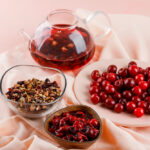

Leave a Comment