

Horchata: Exploring the Sweet and Refreshing Traditional Drink

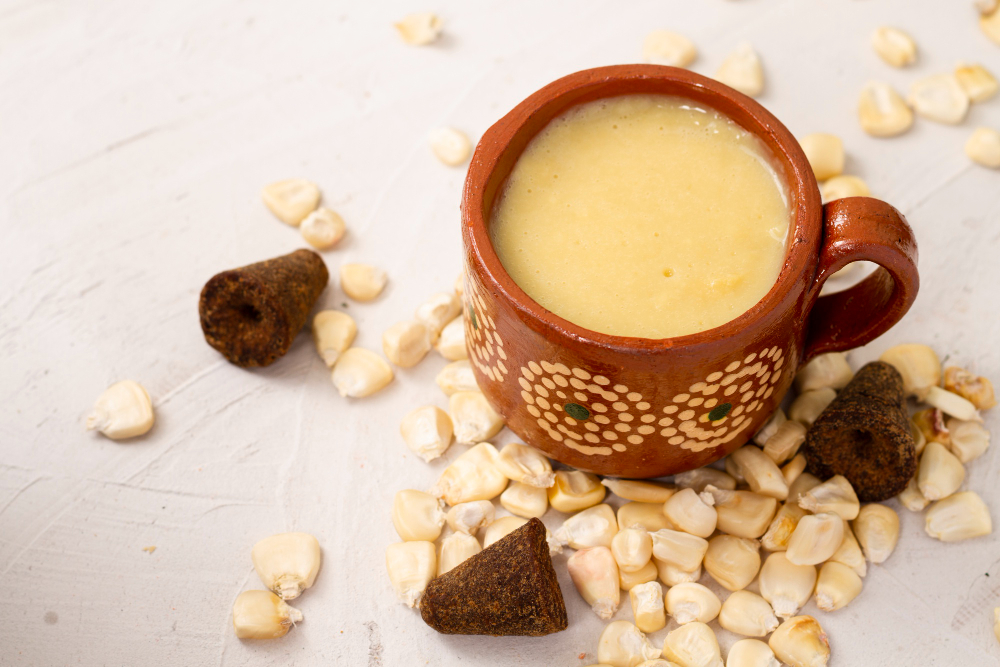
Horchata is one of those traditional beverages that demonstrates how a simple combination of everyday ingredients can become an important part of food culture. Known for its creamy appearance, refreshing character and naturally sweet flavour, horchata has become particularly associated with Mexican cuisine, although the history of the drink reaches much further back. Today, it can be found in homes, restaurants, street-food establishments and celebrations, where it is commonly served cold alongside spicy and savoury dishes.
The word “horchata” refers to a family of beverages rather than one completely standardized recipe. Different countries and regions have developed their own versions using ingredients such as rice, nuts, seeds, grains and spices. Mexican horchata, one of the most widely recognized varieties, is generally prepared from white rice, water, sugar and cinnamon. Depending on the recipe, ingredients such as milk, vanilla or additional spices may also be included.
What makes horchata especially interesting is the combination of history, regional adaptation and everyday enjoyment that surrounds it. It is more than a sweet drink served with a meal. Its evolution reflects the movement of ingredients and culinary traditions across continents, while its continued popularity demonstrates how traditional beverages can adapt to modern tastes without losing their cultural identity.
What Is Horchata?
Horchata is a traditional sweet beverage that is usually served chilled. Its colour is often pale white or creamy, and its texture can range from light and watery to rich and smooth depending on the preparation method. The flavour is generally sweet, with cinnamon and other aromatic ingredients providing warmth and depth.
Mexican-style horchata is typically made by soaking rice in water, blending or processing the softened rice, and then straining the mixture to create a smooth beverage. Sugar is added for sweetness, while cinnamon contributes its distinctive aroma and flavour. Some preparations include milk or evaporated milk to create a creamier texture, while others remain dairy-free.
The drink is often served over ice, making it particularly appealing in warm weather. Its mild sweetness and cooling character also make it a natural companion to dishes containing chilli, spices and strong savoury flavours.
Although rice-based horchata is now strongly associated with Mexico, the broader history of horchata is more complex. Understanding that history reveals how culinary traditions can travel and transform over time.
The Historical Roots of Horchata
The origins of horchata are often traced to a much older beverage tradition from the Mediterranean region. One important predecessor is a drink made from tiger nuts, known as chufa, which has a long history in Spain. This beverage is particularly associated with Valencia, where horchata de chufa remains an important part of regional food culture.
Tiger nuts are not actually nuts in the botanical sense. They are small edible tubers that have been consumed in various cultures for centuries. In Spanish horchata, they are soaked, ground and combined with water and sugar to produce a naturally creamy and refreshing beverage.
The movement of Spanish culinary traditions to the Americas introduced new ingredients and preparation practices. In Mexico, local cooks adapted the idea of horchata to ingredients that were more readily available, with rice eventually becoming one of the principal ingredients in the Mexican version.
This transformation illustrates an important feature of food history. Traditional recipes do not remain unchanged when they travel. Communities reinterpret them according to local ingredients, preferences and culinary practices. Horchata provides a clear example of how a beverage can retain its original name and general identity while developing a distinctly regional character.
Mexican Horchata and Its Cultural Identity
Mexican horchata has become one of the best-known versions of the drink. It is commonly included among aguas frescas, a broad category of non-alcoholic beverages prepared from fruits, grains, flowers or other ingredients mixed with water and sweeteners.
Within Mexican food culture, horchata is frequently served alongside meals. Its sweet and cooling profile makes it particularly compatible with dishes containing chilli, citrus, roasted ingredients and savoury spices. At restaurants serving Mexican cuisine, it is common to see horchata offered alongside other aguas frescas.
The drink can also be associated with family recipes and regional preferences. Some households prefer a strong cinnamon flavour, while others make a lighter version. Some use milk to create a richer beverage, while others prepare horchata entirely with water. Vanilla, condensed milk or other ingredients may also appear in contemporary recipes.
This flexibility has helped horchata remain relevant across generations. Rather than being limited to one exact formula, it functions as a culinary tradition that allows room for individual interpretation.
How Traditional Horchata Is Prepared
The preparation of rice-based horchata begins with one of its defining ingredients: rice. The rice is usually rinsed and soaked in water, allowing it to soften. Cinnamon sticks are often added during this stage so that their flavour can gradually infuse the mixture.
After soaking, the rice and liquid are blended until the rice becomes finely broken down. The resulting mixture is then strained to remove larger particles and create a smoother drink. Sugar is added according to taste, and additional water can be incorporated to achieve the desired consistency.
Depending on the recipe, milk may be added after straining. Vanilla can provide another layer of aroma, while ground cinnamon may be sprinkled over the finished drink. The horchata is then chilled and commonly served over ice.
Although modern kitchens often use high-powered blenders, the basic concept remains closely connected to traditional preparation: soaking, grinding, straining, sweetening and chilling.
The Role of Cinnamon in Horchata
Cinnamon is one of the ingredients most strongly associated with Mexican-style horchata. Its importance goes beyond simply adding flavour. Cinnamon contributes warmth and aroma to a drink that is otherwise relatively mild.
The contrast between cold liquid and warm spice creates much of horchata’s distinctive character. The beverage can taste refreshing while simultaneously carrying a familiar, comforting spice profile.
The intensity of cinnamon varies between recipes. Some versions use cinnamon sticks during soaking, allowing the flavour to develop gradually. Others add ground cinnamon directly to the finished beverage. The choice can affect both the texture and appearance of the drink.
This simple spice also demonstrates how an individual ingredient can become an important part of a food’s cultural identity.
Horchata as an Aguas Frescas
Horchata is often understood within the broader tradition of aguas frescas. These beverages occupy an important place in Mexican food culture because they provide an accessible way to combine water with flavourful ingredients.
Unlike carbonated soft drinks, aguas frescas are traditionally associated with homemade preparation and fresh ingredients. They can range from fruit-based drinks to beverages made from grains, flowers and seeds.
Horchata occupies a distinctive position within this category because its base is not a fruit. Its rice-based composition gives it a creamy appearance and a soft flavour, while sugar and cinnamon create its characteristic sweetness.
Its popularity also demonstrates the diversity of Mexican beverage traditions. Refreshing drinks do not have to rely on a single ingredient or preparation technique. Local food culture can produce a wide range of beverages from simple pantry ingredients.
The Taste and Texture of Horchata
The sensory experience of horchata is one reason for its lasting popularity. A well-prepared version is usually sweet without necessarily being overwhelmingly heavy. Cinnamon provides a subtle spicy note, while rice contributes a mild grain-like flavour.
Texture can vary considerably. Water-based versions may be relatively light and refreshing, whereas recipes containing milk can feel creamier and richer. The degree to which the rice is blended and strained can also affect the final consistency.
Served cold over ice, horchata becomes especially refreshing. The chilled temperature softens the sweetness and creates a beverage that works particularly well in warm climates.
For people unfamiliar with the drink, its flavour may be described as somewhere between a lightly spiced rice beverage and a creamy dessert drink, although horchata has its own distinctive culinary identity.
Why Horchata Pairs Well With Mexican Food
One of horchata’s most important roles is as a companion to food. Mexican cuisine includes many dishes characterized by chilli, smoky spices, roasted ingredients and rich sauces. A cold, mildly sweet beverage can provide a contrasting flavour experience.
The sweetness of horchata can balance spicy dishes, while its chilled temperature offers a refreshing contrast to hot foods. This makes it a popular choice alongside tacos, enchiladas, tamales, quesadillas and other savoury dishes.
The pairing also demonstrates the importance of balance in culinary traditions. A meal does not consist only of individual dishes. Drinks, sauces, sides and desserts can interact with the main food to create a broader sensory experience.
Regional and Modern Variations
Although Mexican rice horchata is widely recognized, there is no single universal recipe. Regional and household variations are common.
Some versions are prepared with more rice, creating a fuller texture. Others use more water for a lighter drink. Dairy can be included for richness, while plant-based alternatives can be used in contemporary versions. Vanilla and additional spices can also be introduced.
Modern food culture has expanded horchata beyond its traditional serving style. Cafés and restaurants may use it in iced beverages, desserts and specialty drinks. Horchata-inspired flavours can appear in ice cream, cakes, puddings and other sweets.
These adaptations show how traditional foods can evolve while retaining their recognizable flavour profile.
Horchata in Contemporary Food Culture
Horchata has increasingly gained attention outside the communities and regions where it has long been consumed. Its distinctive flavour makes it attractive to restaurants and beverage companies looking for alternatives to conventional soft drinks.
The drink has also benefited from growing interest in global food traditions. As consumers explore cuisines from different parts of the world, traditional beverages are receiving greater attention alongside well-known dishes.
Horchata’s versatility contributes to this appeal. It can be prepared traditionally at home, served as a restaurant beverage or incorporated into modern desserts and specialty drinks.
At the same time, growing popularity creates an opportunity to discuss the cultural background of the beverage rather than treating it simply as a trendy flavour. Understanding where food traditions come from allows consumers to appreciate them more meaningfully.
Is Horchata Vegetarian?
Traditional rice-based Mexican horchata can be vegetarian and is often naturally suitable for plant-based diets when prepared with water rather than dairy. The basic ingredients of rice, water, cinnamon and sugar do not require animal products.
However, recipes vary. Some versions include cow’s milk, evaporated milk or condensed milk, which means that consumers following vegan diets need to check the ingredients.
Modern recipes can use plant-based milk to create a creamy texture while maintaining the basic character of the drink. Almond, oat and other plant-based alternatives may be incorporated depending on personal preference.
This flexibility makes horchata relatively easy to adapt while preserving its essential rice-and-cinnamon flavour.
Horchata and Homemade Food Culture
One of the appealing aspects of horchata is that it does not require complicated equipment or expensive ingredients. The traditional preparation process is based on techniques that can be performed in an ordinary kitchen.
This accessibility has helped preserve the drink as a homemade beverage. Families can adjust sweetness, cinnamon and consistency according to their preferences, creating recipes that become part of household food traditions.
Homemade beverages also provide a different experience from commercially bottled drinks. Preparing horchata involves transforming basic ingredients into something that can be shared with family and guests.
In this way, the drink connects everyday cooking with cultural heritage.
The Global Appeal of Traditional Beverages
Horchata is part of a much larger global movement in which traditional drinks are gaining attention outside their countries of origin. Around the world, people are exploring beverages made from grains, spices, flowers, fruits and seeds.
Such drinks offer alternatives to heavily processed or highly standardized beverages while introducing consumers to different culinary histories.
Horchata is particularly well positioned within this trend because its flavour is approachable. Rice provides a mild base, cinnamon adds familiarity, and its sweetness makes it accessible to people who may be trying the beverage for the first time.
Its international popularity therefore reflects both curiosity about global cuisine and the ability of traditional recipes to adapt to new environments.
How Horchata Represents Cultural Exchange
The story of horchata is also a story of cultural exchange. Its broader historical journey illustrates how culinary ideas can move across geographical boundaries and become transformed by local communities.
The connection between Spanish horchata de chufa and Mexican rice horchata demonstrates that recipes do not necessarily remain fixed when they travel. Ingredients available in a new environment can change the preparation, flavour and identity of a dish or drink.
Rather than viewing this transformation simply as a loss of originality, food history often reveals it as part of cultural development. Communities take existing ideas and reinterpret them through their own ingredients, techniques and traditions.
Horchata therefore provides an interesting example of how food can preserve traces of history while developing new cultural meanings.
The Continuing Popularity of Horchata
Despite changes in food trends, horchata continues to occupy a place in contemporary culinary culture. Its popularity comes from a combination of simplicity, flavour, adaptability and tradition.
It can be enjoyed as a refreshing drink on a hot afternoon, served alongside a family meal, prepared for a celebration or transformed into a modern dessert. Its versatility allows it to move comfortably between traditional and contemporary food settings.
At the same time, its cultural history gives the beverage a significance that extends beyond taste. Every glass can represent a connection between ingredients, migration, regional cooking and generations of culinary knowledge.
Conclusion: More Than Just a Refreshing Drink
Horchata is much more than a sweet beverage served over ice. It represents the way food traditions travel, adapt and develop new identities across generations and geographical boundaries. While Mexican rice horchata is one of the most recognizable versions today, the wider history of the beverage connects it to older traditions, particularly those associated with Spanish horchata made from tiger nuts.
Its characteristic combination of rice, cinnamon, sweetness and a refreshing chilled texture has made it a familiar part of Mexican food culture and an increasingly recognized beverage around the world. Its versatility also allows it to fit into modern culinary trends, from dairy-free adaptations to specialty desserts and contemporary café drinks.
What makes horchata especially appealing is its balance between simplicity and cultural depth. The basic preparation can be accessible to a home cook, yet the story behind the beverage reaches across centuries and continents.
As interest in traditional foods and global cuisines continues to grow, beverages such as horchata offer an opportunity to explore culture through taste. A glass of chilled horchata can therefore be appreciated not only for its sweetness and refreshing quality but also for the culinary history and traditions that have helped it endure.
Online Internship with Certificate
You may be interested

French Clafoutis: A Simple Yet Elegant Fruit Dessert
Anshika Jain - September 16, 2026French cuisine is often associated with sophisticated techniques, carefully balanced flavours, and beautifully presented dishes, but some of its most beloved desserts are surprisingly simple. Clafoutis is…
Mexican Champurrado: The Traditional Chocolate-Based Beverage
Anshika Jain - September 16, 2026Mexican cuisine is celebrated around the world for its vibrant flavours, colourful ingredients, regional diversity, and deep connection with history and culture. While tacos, tamales, enchiladas, and…

Indonesian Es Cendol: A Refreshing Traditional Sweet Drink
Anshika Jain - September 16, 2026Indonesian Es Cendol is a refreshing traditional dessert drink that brings together chewy green rice-flour jelly, creamy coconut milk, sweet palm sugar syrup, and plenty of crushed…
Most from this category

Arancini: Italy’s Golden Rice Balls Filled with Tradition and Flavour
Anshika Jain - September 15, 2026
Tangyuan: The Traditional Chinese Rice Balls Symbolising Family and Togetherness
Anshika Jain - September 15, 2026Atakilt Wat: Exploring Ethiopia’s Flavourful Vegetable Stew
Anshika Jain - September 15, 2026Arancini: Italy’s Golden Rice Balls Filled with Tradition and Flavour
Anshika Jain - September 15, 2026
French Clafoutis: A Simple Yet Elegant Fruit Dessert
September 16, 2026
Mexican Champurrado: The Traditional Chocolate-Based Beverage
September 16, 2026
Indonesian Es Cendol: A Refreshing Traditional Sweet Drink
September 16, 2026
Pavlova: The Light and Elegant Meringue-Based Dessert
September 16, 2026

Leave a Comment