

Pavlova: The Light and Elegant Meringue-Based Dessert

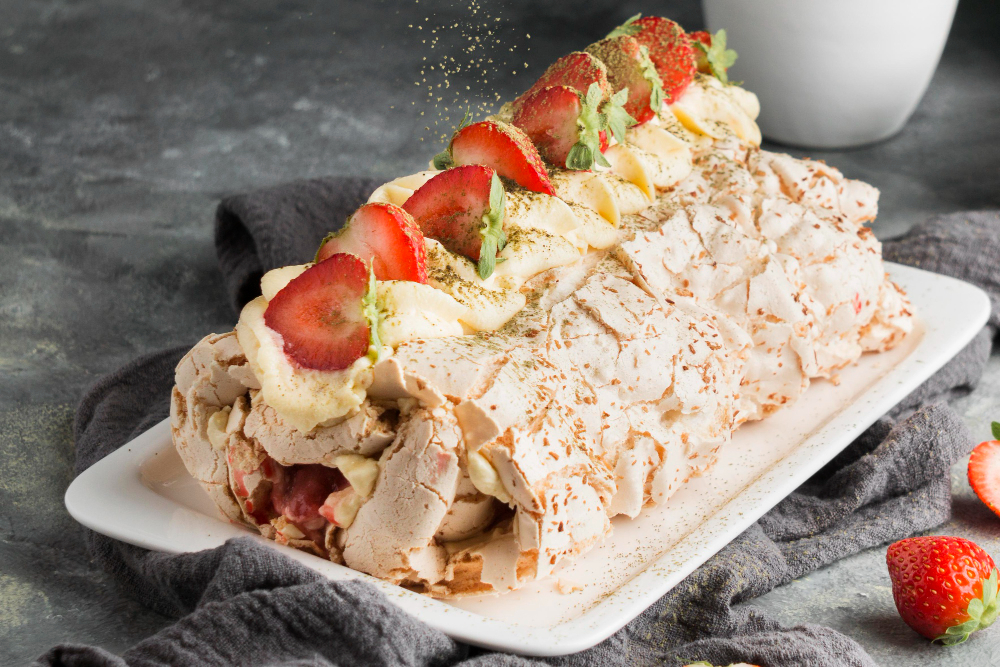
Pavlova is one of the most visually striking desserts in the world of baking. With its crisp white exterior, soft marshmallow-like centre, clouds of whipped cream, and colourful fresh fruit, it combines simplicity with elegance in a way that few desserts can match. Although Pavlova is made from only a handful of basic ingredients, its contrasting textures and delicate appearance have made it a favourite for celebrations, afternoon teas, restaurants, and home kitchens around the world. The dessert is naturally suitable for vegetarian diets because its traditional preparation does not require meat-based ingredients, making it an appealing choice for people looking for an elegant vegetarian dessert.
At first glance, Pavlova may look like an ordinary meringue, but the two desserts are noticeably different in texture and presentation. A traditional meringue is generally crisp throughout, while Pavlova is designed to develop a firm, delicate shell surrounding a soft, chewy and almost marshmallow-like interior. This distinctive contrast is one of the main reasons for its popularity. The meringue base provides sweetness and lightness, whipped cream introduces richness, and fresh fruit contributes acidity, colour and freshness. Together, these elements create a dessert that feels indulgent without being as heavy as many traditional cakes and pastries.
Pavlova also has an interesting cultural history. The dessert is named after Anna Pavlova, the famous Russian ballerina who toured Australia and New Zealand during the 1920s. Both countries have long-standing associations with the creation of the dessert, and its exact origin remains a subject of culinary debate. Regardless of where it was first created, Pavlova has become strongly associated with Australian and New Zealand food culture and is now enjoyed internationally.
What Is Pavlova?
Pavlova is a meringue-based dessert traditionally prepared by whipping egg whites with sugar until the mixture becomes thick, glossy and capable of holding its shape. The meringue is then shaped into a round base and baked at a relatively low temperature. Instead of becoming completely dry and crunchy, the centre remains soft while the outside develops a crisp shell. Once cooled, the meringue is generally topped with softly whipped cream and fresh fruit.
The structure of Pavlova depends heavily on the way the egg whites and sugar interact. Whipping incorporates air into the egg whites, creating a stable foam. Sugar strengthens the structure and contributes sweetness, while ingredients such as vinegar, lemon juice or another mild acid are often used to help stabilize the meringue. Cornstarch is also commonly incorporated into Pavlova mixtures, particularly in recipes designed to produce a softer centre. These ingredients work together to create the characteristic texture that separates Pavlova from a conventional crisp meringue.
The final dessert is usually assembled shortly before serving. This is important because the moisture contained in whipped cream and fresh fruit can gradually soften the meringue. A freshly assembled Pavlova therefore offers the most satisfying contrast between crisp exterior, soft interior, creamy topping and juicy fruit.
The Fascinating History Behind Pavlova
The history of Pavlova is closely connected with the tours of Anna Pavlova, one of the most influential ballet dancers of the early twentieth century. Pavlova visited Australia and New Zealand in the 1920s, and her performances inspired considerable public enthusiasm. Culinary historians have connected the dessert’s creation with the cultural impact of her tours, although the precise origin story remains disputed.
Australia and New Zealand both claim an important role in the development of Pavlova. Researchers have identified various early recipes and meringue desserts that resemble modern Pavlova, making it difficult to assign the invention to one individual or location with complete certainty. Instead of having a single universally accepted creator, Pavlova appears to have developed through the evolution of meringue-based desserts and local culinary experimentation.
The association with Anna Pavlova is nevertheless central to the dessert’s identity. Its light, delicate appearance was often connected symbolically with the ballerina’s graceful performance style. The dessert’s airy structure and white appearance made it an appropriate culinary tribute to a celebrated dancer whose image was closely associated with elegance and movement.
Over time, Pavlova became a familiar part of celebrations and seasonal cooking in Australia and New Zealand. It later spread internationally, with chefs and home bakers adapting the dessert according to local ingredients and preferences.
The Science Behind Its Unique Texture
The most fascinating feature of Pavlova is its texture. Achieving a crisp outer shell while keeping the interior soft requires careful control of ingredients, whipping, shaping and baking. Egg whites contain proteins that can unfold when beaten, allowing them to trap air bubbles. This creates the foam that forms the structural foundation of the meringue.
Sugar plays several important roles in this process. It sweetens the dessert but also helps stabilize the foam and influences the final texture. If sugar is not properly incorporated, the meringue may become grainy or unstable. Bakers therefore generally add sugar gradually while continuing to whip the egg whites.
Acidic ingredients can help create a more stable meringue, while cornstarch is often used to encourage the soft, marshmallow-like texture associated with Pavlova. The baking process then removes some moisture from the exterior while leaving more moisture inside. The result is a delicate shell that breaks easily when cut and a centre that remains soft and chewy.
This balance is what makes Pavlova technically interesting. It looks simple, but the final texture depends on several variables, including humidity, oven temperature, mixing technique and baking time.
The Essential Ingredients
Traditional Pavlova requires relatively few ingredients, but each one contributes to its characteristic result. Egg whites form the foundation of the dessert and provide the protein structure needed to create the meringue. Fresh eggs are often preferred because clean, properly separated egg whites can produce a stable foam.
Sugar is equally important. Fine sugar is commonly preferred because it dissolves more easily into the whipped egg whites. Undissolved sugar crystals can affect the texture, so gradually incorporating the sugar helps produce a smoother and glossier meringue.
Cornstarch is frequently included to help create the soft centre, while a small quantity of vinegar or lemon juice can contribute acidity and stability. Vanilla is often added for flavour, although variations may use other flavourings.
The toppings provide another important dimension. Whipped cream is the most traditional choice because its creamy richness balances the sweetness of the meringue. Fresh fruits such as strawberries, raspberries, blueberries, passion fruit, kiwi and mango are commonly used because their natural acidity prevents the dessert from becoming overwhelmingly sweet.
How Pavlova Is Traditionally Prepared
The preparation of Pavlova begins with carefully separating egg whites from the yolks. Even a small amount of egg yolk or fat can interfere with the ability of the whites to form a stable foam. The whites are then beaten until they become foamy before sugar is gradually incorporated.
As whipping continues, the mixture becomes thick, glossy and firm. A properly prepared meringue should hold its shape and have a smooth appearance. Cornstarch, acid and flavouring are then folded or mixed in carefully, depending on the recipe.
The meringue is shaped into a circular mound, often with a shallow depression in the centre. This indentation creates a natural space for whipped cream and fruit after baking. The dessert is then baked slowly at a relatively low temperature. After baking, it is generally allowed to cool gradually.
Cooling is an important stage because sudden temperature changes can cause the meringue to crack or collapse. Cracks, however, are not necessarily a sign of failure. Pavlova is often intentionally rustic in appearance, and its toppings can cover small imperfections.
Why Fresh Fruit Is So Important
Fresh fruit is more than a decorative element on Pavlova. It plays a crucial role in balancing the flavour of the dessert. The meringue is naturally sweet, while whipped cream adds richness. Without an element of acidity or freshness, the combination could become excessively sweet.
Berries are particularly popular because their bright colours contrast beautifully with the white meringue and cream. Strawberries offer sweetness and mild acidity, raspberries contribute a sharper flavour, and blueberries provide a softer fruit character. Passion fruit is another popular topping because its intense acidity cuts through the sweetness of the meringue.
Tropical fruits can also transform Pavlova into a more vibrant dessert. Mango, kiwi and pineapple introduce different flavours and textures while creating a colourful presentation. Seasonal fruit can be used to make the dessert adaptable throughout the year.
Pavlova as a Vegetarian Dessert
Pavlova can be an excellent vegetarian dessert because its traditional ingredients are plant-based or dairy-based apart from eggs, with no meat or seafood involved. The combination of meringue, whipped cream and fruit provides a substantial dessert experience without requiring gelatin or other animal-derived setting agents commonly found in some sweets.
For vegetarians who consume eggs and dairy, traditional Pavlova can fit comfortably into a dessert menu. However, dietary requirements can vary, so people following vegan diets would need a modified recipe using plant-based alternatives and egg-free meringue techniques.
The simplicity of Pavlova also makes it useful for vegetarian celebrations. Its colourful fruit topping and elegant appearance allow it to serve as a centrepiece dessert without relying on complicated ingredients.
Popular Pavlova Variations
Although the classic Pavlova remains popular, modern bakers have developed countless variations. One of the easiest ways to create a different version is by changing the fruit topping. A summer Pavlova might feature strawberries, raspberries and passion fruit, while a tropical version could combine mango, kiwi and pineapple.
Chocolate Pavlova is another popular variation. Cocoa can be incorporated into the meringue, creating a deeper flavour that contrasts with whipped cream and berries. Coffee, citrus and coconut can also be used to introduce new flavour profiles.
Mini Pavlovas have become particularly popular for parties and gatherings. Instead of preparing one large dessert, individual meringue nests can be topped separately with cream and fruit. This makes serving easier and allows guests to enjoy their own portion.
Layered Pavlova is another creative interpretation. Several smaller meringue layers can be stacked with cream and fruit between them, producing a dessert that resembles a cake while maintaining the characteristic Pavlova textures.
The Role of Presentation
Pavlova demonstrates how presentation can transform a relatively simple recipe into an impressive dessert. Its white meringue provides a neutral background for colourful toppings, allowing berries, tropical fruit, edible flowers and sauces to become part of the visual design.
Professional pastry chefs often focus on creating contrast in height, colour and texture. A generous layer of cream may be combined with carefully arranged fruit, while sauces or fruit coulis can be added for additional visual interest.
At home, Pavlova does not need to look perfectly symmetrical. In fact, its slightly irregular shape can contribute to its appeal. The combination of cracks, cream and fruit creates a relaxed but sophisticated appearance.
Common Challenges When Making Pavlova
Despite its relatively short ingredient list, Pavlova can be challenging to prepare consistently. One of the most common problems is a meringue that collapses. This can happen for several reasons, including insufficient whipping, contamination from egg yolk or fat, or incorrect sugar incorporation.
Another challenge is excessive cracking. Some cracking is completely normal, but major structural collapse may indicate problems with baking or cooling. Pavlova also responds strongly to humidity. Moisture in the surrounding air can soften the meringue, making it difficult to maintain its crisp exterior.
The texture can also become too dry if the dessert is baked for too long or at an unsuitable temperature. The ideal Pavlova should have a crisp outer layer while retaining a soft centre. Achieving this balance requires attention to the baking process and the characteristics of the individual oven.
Pavlova in Modern Food Culture
Pavlova has remained relevant because it fits several contemporary food trends. Consumers increasingly appreciate desserts that combine visual appeal with fresh ingredients, and Pavlova naturally provides both. Its fruit toppings can be adapted according to season, while its relatively simple base provides a canvas for creative presentation.
Social media has also contributed to the popularity of visually distinctive desserts. Pavlova’s dramatic appearance makes it particularly suitable for food photography. The contrast between white meringue, colourful fruit and cream creates an immediately recognizable image that works well in digital food culture.
Restaurants and bakeries have also experimented with individual Pavlovas, unusual flavour combinations and modern plating techniques. These variations demonstrate that traditional desserts can remain relevant when chefs reinterpret them without losing their defining characteristics.
Pavlova for Celebrations and Special Occasions
Pavlova is particularly well suited to celebrations because it can be prepared as a large centrepiece or as individual portions. Its elegant appearance makes it appropriate for birthdays, family gatherings, afternoon teas, festive meals and dinner parties.
A large Pavlova can create a dramatic presentation at the centre of a dining table. Guests can then be served slices containing meringue, cream and fruit. Individual Pavlovas offer a more controlled presentation and can be customized according to different tastes.
The dessert is also flexible enough to work across seasons. Summer fruit can produce a light and refreshing Pavlova, while autumn or winter versions can incorporate roasted fruits, citrus flavours or warm spices.
How Pavlova Reflects Culinary Creativity
Pavlova represents an interesting balance between simplicity and technique. The ingredient list is modest, yet the dessert offers enormous opportunities for creativity. Bakers can experiment with different fruit combinations, creams, sauces, flavours and shapes while preserving the basic identity of the dessert.
This adaptability is one reason Pavlova has survived as a classic. Rather than depending on a rigid recipe, it provides a framework that allows cooks to respond to seasonal ingredients and personal preferences.
The dessert also demonstrates an important principle of culinary design: contrasting elements can create a more interesting eating experience. Crisp meringue, soft centre, creamy topping and juicy fruit each contribute something different. The result is a dessert that changes with every bite.
The Global Appeal of Pavlova
Although Pavlova has strong historical associations with Australia and New Zealand, it has become a global dessert. Its basic components are familiar across many culinary traditions, making it relatively easy for bakers in different countries to adapt.
The availability of fresh fruit, eggs, sugar and cream in many parts of the world has also contributed to its accessibility. Local ingredients can easily be incorporated without changing the fundamental structure of the dessert.
In India, for example, Pavlova can be adapted using locally available fruits and flavours. Mango, pomegranate, berries, citrus and tropical fruits can all be incorporated into modern versions. Such adaptations demonstrate how international desserts can become part of local food culture while retaining their original character.
Conclusion
Pavlova is much more than a beautiful meringue dessert. Its appeal comes from the careful balance between contrasting textures, flavours and visual elements. A crisp outer shell surrounds a soft, marshmallow-like centre, while whipped cream adds richness and fresh fruit brings acidity, colour and freshness. The combination creates a dessert that is simultaneously delicate, indulgent and refreshing.
Its history adds another layer of interest. Named after the celebrated ballerina Anna Pavlova and closely associated with Australia and New Zealand, the dessert has travelled far beyond its historical origins. Its continuing popularity demonstrates how a traditional creation can evolve through different cultures, ingredients and culinary techniques.
For vegetarian dessert lovers, Pavlova offers an elegant option that can be adapted in numerous ways. From classic berry toppings to tropical fruits, chocolate variations and individual mini Pavlovas, there is considerable room for experimentation. Its simplicity makes it approachable, while its technical requirements make it an interesting challenge for bakers.
Ultimately, Pavlova represents the beauty of thoughtful simplicity. It does not require a long list of ingredients or complicated decoration to make an impression. Instead, it relies on texture, freshness, balance and presentation. That combination has helped Pavlova remain one of the world’s most recognizable and elegant meringue-based desserts.
Online Internship with Certificate
You may be interested
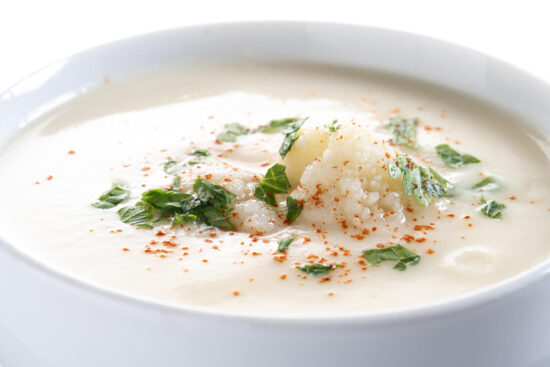
Rajasthani Raab: The Fermented Grain-Based Drink-Food Hybrid
Anshika Jain - October 8, 2026Rajasthan is often associated with rich spices, elaborate festive foods, and dishes designed to withstand the challenges of an arid climate. Yet the state's traditional food culture…
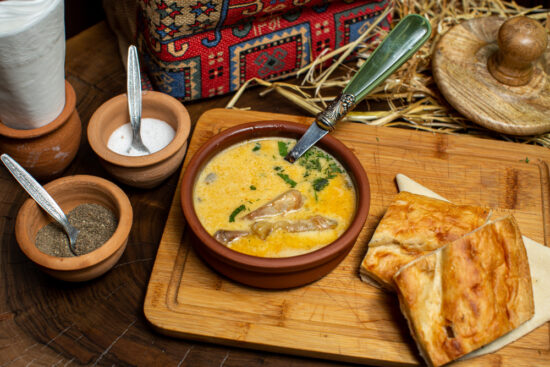
Gujarati Oondhiyu: The Forgotten Village-Style Preparations Behind the Famous Dish
Anshika Jain - October 8, 2026Gujarati cuisine is celebrated for its remarkable ability to create complex flavours from seasonal vegetables, grains, pulses, spices, and fresh herbs. Among its most recognizable dishes, Oondhiyu…
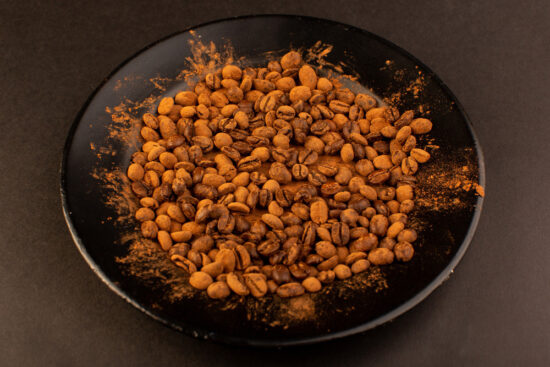
Uttarakhand Chainsoo: The Roasted Black-Lentil Dish With an Unexpected Depth of Flavour
Anshika Jain - October 8, 2026The cuisine of Uttarakhand is deeply influenced by the Himalayan landscape, local agriculture, seasonal availability, and the practical food traditions of mountain communities. While dishes such as…
Most from this category
Arunachali Zan: The Warm Rice-Based Dish Somewhere Between Porridge and Soup
Anshika Jain - October 8, 2026
Pandan: Southeast Asia’s Green, Fragrant Ingredient Taking Over Modern Desserts
Anshika Jain - October 6, 2026Arunachali Zan: The Warm Rice-Based Dish Somewhere Between Porridge and Soup
Anshika Jain - October 8, 2026Tahini Desserts: The Sesame Paste Turning Up in Modern Pastries
Anshika Jain - October 8, 2026
Rajasthani Raab: The Fermented Grain-Based Drink-Food Hybrid
October 8, 2026

Leave a Comment