

Jackfruit Galouti Kebabs


Indian cuisine has long been celebrated for its remarkable ability to preserve culinary traditions while embracing innovation. Among its many iconic dishes, the Galouti Kebab occupies a special place in the country’s rich gastronomic heritage. Traditionally prepared with finely minced meat and an intricate blend of aromatic spices, the Galouti Kebab is renowned for its exceptionally soft texture that seemingly melts in the mouth. In recent years, however, chefs and food innovators have reimagined this royal delicacy through a modern vegetarian lens, giving rise to the increasingly popular Jackfruit Galouti Kebab.
Using young green jackfruit as the primary ingredient, this contemporary adaptation captures the essence of the traditional kebab while catering to evolving dietary preferences. The fibrous texture of unripe jackfruit closely resembles shredded meat, making it one of the most convincing plant-based alternatives available. When combined with fragrant Indian spices, herbs, roasted gram flour, and slow cooking techniques, it delivers a luxurious culinary experience that honors the original recipe without compromising authenticity.
Jackfruit Galouti Kebabs have become a favorite in fine dining restaurants, luxury hotels, modern Indian bistros, and gourmet vegetarian menus. Their popularity reflects broader trends toward sustainable dining, plant-based innovation, and the growing appreciation for heritage recipes with contemporary interpretations.
As consumers increasingly seek flavorful vegetarian cuisine that combines tradition with creativity, Jackfruit Galouti Kebabs have emerged as one of the most exciting examples of India’s evolving culinary landscape.
The Royal Origins of Galouti Kebabs
The Galouti Kebab traces its roots to the royal kitchens of Lucknow during the Nawabi era. According to culinary tradition, the kebab was created for an aging ruler who had lost most of his teeth but still wished to enjoy richly flavored meat dishes.
Royal chefs responded by developing an extraordinarily tender kebab made from finely minced meat blended with dozens of carefully selected spices. The mixture was pounded repeatedly until it achieved an exceptionally smooth consistency before being cooked gently on a griddle.
The result was a kebab so delicate that it practically dissolved upon tasting. This remarkable texture became the defining characteristic of Galouti Kebabs and distinguished them from other varieties of Indian kebabs.
Today, the dish remains one of the most celebrated examples of Mughlai cuisine and continues inspiring chefs worldwide.
Jackfruit as Nature’s Meat Alternative
The success of Jackfruit Galouti Kebabs begins with the remarkable qualities of young green jackfruit. Unlike ripe jackfruit, which is sweet and fruity, the unripe variety possesses a neutral flavor and dense fibrous structure.
These fibers closely resemble shredded meat after cooking, making jackfruit one of the most versatile plant-based ingredients available. It readily absorbs marinades, spices, and seasonings while maintaining a satisfying texture.
For centuries, jackfruit has been used throughout South and Southeast Asia in savory curries, stews, stir-fries, and traditional vegetarian dishes. Modern chefs have expanded its applications even further, incorporating it into burgers, tacos, sandwiches, and gourmet appetizers.
Its natural adaptability makes it an ideal ingredient for recreating the luxurious mouthfeel associated with traditional Galouti Kebabs.
Preserving Culinary Heritage Through Innovation
Jackfruit Galouti Kebabs illustrate how culinary traditions can evolve without losing their cultural significance. Rather than replacing the original recipe, the vegetarian version pays tribute to its heritage while making it accessible to a broader audience.
The preparation still emphasizes the defining characteristics of Galouti Kebabs, including delicate texture, aromatic spices, and careful cooking techniques. Only the primary protein source changes, allowing the dish to accommodate vegetarian and plant-focused diets.
This thoughtful approach to innovation has become increasingly important in contemporary gastronomy. Consumers appreciate reinterpretations that respect tradition while embracing modern preferences.
Jackfruit Galouti Kebabs demonstrate that authenticity and creativity can successfully coexist within a single dish.
The Art of Spice Blending
One of the defining features of Galouti Kebabs is the complexity of their spice blend. Traditional recipes often incorporate numerous aromatic ingredients, each contributing subtle layers of flavor.
Jackfruit versions retain this emphasis on carefully balanced seasoning. Common ingredients include cloves, cardamom, cinnamon, mace, nutmeg, black pepper, cumin, coriander, fennel, and dried rose petals.
Fresh ginger, garlic, green chilies, mint, and coriander leaves further enhance the mixture, creating a fragrant and harmonious profile.
The careful balance of spices ensures that the mild flavor of jackfruit transforms into a richly seasoned delicacy worthy of its royal origins.
Achieving the Signature Melt-in-the-Mouth Texture
Texture is perhaps the greatest challenge in preparing authentic-style Galouti Kebabs. The traditional meat version is celebrated for its extraordinary softness, requiring meticulous preparation.
With jackfruit, chefs employ similar techniques to achieve comparable results. The cooked jackfruit is mashed or finely processed before being combined with binding ingredients such as roasted gram flour or mashed potatoes.
The mixture is kneaded thoroughly to create a smooth consistency before being shaped into delicate patties.
Gentle pan-searing over moderate heat develops a lightly crisp exterior while preserving the soft interior. This contrast between crust and center creates the luxurious mouthfeel associated with classic Galouti Kebabs.
The Rise of Plant-Based Fine Dining
The growing popularity of Jackfruit Galouti Kebabs reflects broader developments within the global restaurant industry. Plant-based cuisine has evolved significantly beyond simple meat substitutes to become an area of culinary innovation in its own right.
Luxury restaurants increasingly feature sophisticated vegetarian dishes that celebrate premium ingredients rather than merely imitating meat. Jackfruit Galouti Kebabs exemplify this philosophy by showcasing the vegetable’s unique qualities while honoring traditional Indian cooking.
Fine dining chefs appreciate the dish because it combines cultural heritage, craftsmanship, and sustainability within a refined presentation.
Its presence on upscale menus demonstrates the growing recognition of vegetarian cuisine as an integral part of contemporary gastronomy.
Sustainability and Responsible Dining
Sustainability has become a defining consideration for modern consumers, and Jackfruit Galouti Kebabs align closely with these evolving values.
Jackfruit trees produce abundant fruit with relatively low environmental impact compared to many animal protein sources. The fruit also requires fewer resources than numerous processed meat alternatives.
By incorporating locally sourced jackfruit into premium cuisine, chefs support agricultural diversity while promoting environmentally responsible dining practices.
Consumers increasingly appreciate dishes that balance exceptional flavor with ethical considerations, making Jackfruit Galouti Kebabs particularly relevant within today’s food landscape.
Presentation in Contemporary Restaurants
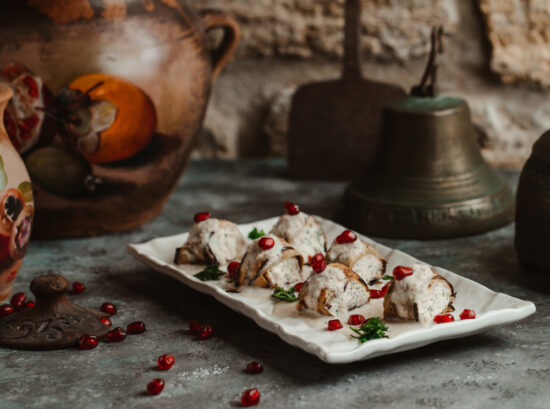
Visual presentation has become an essential element of modern dining experiences, and Jackfruit Galouti Kebabs lend themselves beautifully to elegant plating.
Restaurants often serve the kebabs atop miniature breads, saffron-infused sauces, herb chutneys, or smoked yogurt reductions. Microgreens, edible flowers, pickled onions, and delicate herb garnishes further enhance visual sophistication.
Some chefs introduce contemporary plating techniques that emphasize negative space, texture, and color contrast while preserving the rustic character of the kebab itself.
Thoughtful presentation elevates the dish from a traditional appetizer to a fine dining centerpiece.
Health Benefits of Jackfruit
In addition to its culinary versatility, jackfruit offers several nutritional advantages that contribute to its popularity.
Young jackfruit provides dietary fiber, vitamin C, potassium, and various antioxidants while remaining naturally low in fat. Its fiber content supports digestive health and contributes to feelings of fullness.
Unlike heavily processed meat substitutes, fresh jackfruit is minimally processed and derived directly from nature. This appeals to consumers seeking clean-label ingredients and whole-food alternatives.
Although the nutritional profile varies depending on preparation methods, Jackfruit Galouti Kebabs generally offer a lighter option than traditional meat-based versions.
Global Appeal and Culinary Fusion
The international popularity of Indian cuisine has created favorable conditions for innovative dishes like Jackfruit Galouti Kebabs.
Restaurants across Europe, North America, Australia, and the Middle East increasingly incorporate Indian-inspired vegetarian dishes into their menus. Jackfruit’s growing recognition as a premium plant-based ingredient further supports this expansion.
Fusion chefs have also begun experimenting with serving Galouti Kebabs in sliders, tacos, wraps, and artisan sandwiches while maintaining traditional spice profiles.
These creative adaptations introduce new audiences to India’s rich culinary heritage while demonstrating the versatility of classic recipes.
Social Media and Culinary Visibility
Social media has significantly contributed to the growing popularity of Jackfruit Galouti Kebabs. Food enthusiasts are drawn to dishes that combine compelling stories with visually appealing presentations.
Videos showcasing the delicate texture, aromatic spice preparation, and elegant plating often generate strong engagement across digital platforms.
Consumers increasingly discover restaurants through visually striking food content, encouraging chefs to create dishes that perform well both on the plate and online.
Jackfruit Galouti Kebabs naturally align with these trends by offering a combination of heritage, innovation, and visual sophistication.
Challenges in Maintaining Authenticity
Despite their popularity, preparing exceptional Jackfruit Galouti Kebabs requires considerable skill.
Maintaining the signature softness while ensuring structural integrity demands careful ingredient selection and precise technique. Overprocessing may produce an undesirable texture, while insufficient seasoning can leave the jackfruit tasting bland.
Balancing innovation with authenticity is equally important. Successful chefs preserve the essential characteristics of traditional Galouti Kebabs rather than allowing fusion elements to overshadow their heritage.
This thoughtful approach ensures that the vegetarian version remains a respectful tribute to one of India’s most iconic culinary creations.
The Future of Jackfruit Galouti Kebabs
The future of Jackfruit Galouti Kebabs appears exceptionally promising as plant-based dining continues gaining momentum worldwide.
Increasing consumer interest in sustainable cuisine, regional ingredients, and traditional recipes positions the dish for continued growth. Luxury restaurants are likely to develop even more refined interpretations using artisanal spice blends, premium accompaniments, and innovative presentation techniques.
Food manufacturers may also introduce gourmet ready-to-cook versions, allowing home cooks to enjoy restaurant-quality experiences.
As awareness of jackfruit’s culinary potential expands, its role within premium vegetarian cuisine is expected to become even more significant.
Conclusion
Jackfruit Galouti Kebabs represent a remarkable example of how culinary heritage can evolve without sacrificing authenticity. By replacing traditional meat with young jackfruit while preserving the intricate spice blends, delicate texture, and careful cooking techniques that define Galouti Kebabs, chefs have created a dish that appeals to both traditionalists and modern diners.
Its growing popularity reflects broader shifts toward plant-based innovation, sustainable dining, and elevated vegetarian cuisine. The dish demonstrates that premium culinary experiences need not rely exclusively on animal proteins but can instead celebrate the extraordinary versatility of nature’s ingredients.
From fine dining restaurants and luxury hotels to contemporary Indian bistros and gourmet catering events, Jackfruit Galouti Kebabs continue captivating diners with their rich flavors, refined presentation, and cultural significance.
As Indian cuisine continues inspiring global culinary innovation, Jackfruit Galouti Kebabs stand as a shining example of thoughtful reinvention. They honor centuries of royal culinary tradition while embracing the future of sustainable gastronomy, proving that classic recipes can remain timeless through creativity, respect, and exceptional craftsmanship.
Online Internship with Certificate
You may be interested
Mahua: The Forest Flower That Became a Traditional Food and Beverage Ingredient
Anshika Jain - October 14, 2026Across the forests of central and eastern India, a small, fleshy flower has played an important role in traditional food cultures for generations. Known as mahua, the…

Boza: The Thick Fermented Drink That Looks Nothing Like a Modern Beverage
Anshika Jain - October 14, 2026In a world dominated by sparkling sodas, iced coffees, fruit smoothies, and brightly coloured energy drinks, Boza stands out for looking almost like something from an entirely…
Yomari: Nepal’s Sweet Dumpling With a Molten Molasses Centre
Anshika Jain - October 14, 2026Imagine biting into a soft, warm dumpling made from rice flour and discovering a rich, dark, syrupy filling that melts across your tongue. The outer layer is…
Most from this category
Khar: The Alkaline Food Preparation That Sounds More Like Chemistry Than Cooking
Anshika Jain - October 14, 2026
Kharvas: The Milky Steamed Pudding That Comes From a Surprising Source
Anshika Jain - October 13, 2026Khar: The Alkaline Food Preparation That Sounds More Like Chemistry Than Cooking
Anshika Jain - October 14, 2026Panchamrit-Based Sweets: How Temple Ingredients Become Dessert
Anshika Jain - October 14, 2026

Yomari: Nepal’s Sweet Dumpling With a Molten Molasses Centre
October 14, 2026


Leave a Comment