

Kasespatzle: Cheese Noodles of Austria and Southern Germany

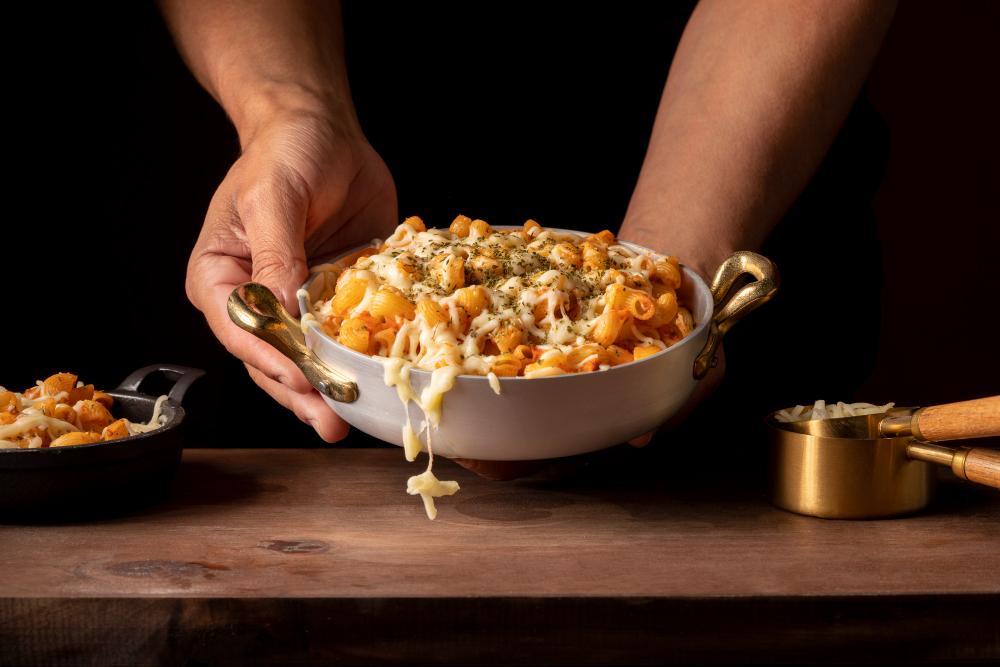
European comfort food often finds its greatest appeal in the thoughtful combination of simple ingredients. Across Austria and southern Germany, few dishes illustrate this principle as effectively as Käsespätzle, a hearty preparation of soft egg noodles layered with melted cheese and caramelized onions. Warm, savoury, and satisfying, this regional speciality brings together tender handmade pasta, rich cheese, and the sweetness of slowly cooked onions to create a dish that is both rustic and deeply comforting.
Käsespätzle is closely associated with the Alpine food traditions of regions such as Swabia in southern Germany and Vorarlberg in western Austria. It is also enjoyed in other parts of the Alpine region, where local cheese varieties and household techniques influence the final flavour. Although its ingredients are relatively uncomplicated, the quality of the dish depends on how they are prepared and combined. The noodles should be soft but not waterlogged, the cheese should melt into a cohesive layer, and the onions should develop a deep golden colour without becoming burnt.
Käsespätzle is also a useful example of how regional dishes reflect local food production. In Alpine areas, dairy farming and cheesemaking have long influenced cooking, while wheat flour and eggs provide the foundation for the noodles. The resulting dish transforms everyday ingredients into a substantial meal suited to cold weather, family gatherings, and traditional tavern menus.
This article explores the origins of Käsespätzle, the ingredients that define its flavour, the techniques involved in preparing it at home, its nutritional characteristics, and the ways it can be adapted for modern kitchens without losing its traditional appeal.
What Is Käsespätzle?
Käsespätzle is a warm dish made by combining Spätzle, small irregular egg noodles, with grated or shredded cheese and onions cooked until golden. The name combines Käse, meaning cheese in German, with Spätzle, the noodle-like pasta associated with southern German and neighbouring Alpine cuisines. The exact preparation varies by region, but the central idea remains the same: freshly cooked noodles are combined with cheese until the mixture becomes soft, rich, and cohesive.
Spätzle differs from conventional dried pasta in both its dough and its shape. Instead of being rolled and cut into uniform strips, the dough is typically soft and wet. It is pushed through a Spätzle press, scraped from a board into boiling water, or passed through a specialised perforated utensil. This creates short, uneven pieces that cook quickly and have a tender, slightly chewy texture.
Käsespätzle is generally served as a main course, although it can also accompany other foods. Its flavour is hearty and dairy-rich, with the noodles acting as a neutral base for the cheese and the onions contributing sweetness and depth. Freshly ground black pepper, chopped chives, or parsley may be used as finishing touches, depending on household preferences.
Although recipes differ, the best versions maintain a balance between their components. Too much cheese can make the dish greasy or excessively heavy, while insufficient cheese can leave the noodles dry. Similarly, onions should contribute sweetness and texture without overpowering the flavour of the cheese.
The Regional Origins and Cultural Importance of Käsespätzle
Käsespätzle belongs to a broader culinary tradition shared across southern Germany and the Alpine regions of Central Europe. Spätzle itself is particularly associated with Swabia, a historical region in southwestern Germany, where the small egg noodles have long been a familiar part of home cooking. Similar preparations are found in neighbouring areas, including Austria, where local ingredients and regional preferences have shaped distinct versions of the cheese dish.
In Swabia, Spätzle is served in several forms, sometimes as a simple accompaniment to meat dishes and sometimes as the central ingredient in a meal. Combining it with cheese transforms the noodles into a filling main course. The dish is especially associated with traditional household cooking, where flour, eggs, cheese, and onions can be turned into a substantial meal without elaborate preparation.
These regional distinctions are important because Käsespätzle does not have one universally fixed recipe. The type of cheese, the thickness of the noodles, the degree of browning, and the method used to combine the ingredients may vary from one household to another. Some versions are creamy and soft, while others develop a more pronounced baked or pan-fried texture around the edges.
The dish also reflects the practicality of traditional Alpine cooking. Flour and eggs create an inexpensive source of substance, while cheese contributes flavour, fat, and protein. Onions add complexity using a relatively accessible ingredient. Together, these components create a meal that is filling and adaptable to different household kitchens.
Today, Käsespätzle appears in traditional restaurants, mountain inns, regional food festivals, and home kitchens. Its popularity extends beyond its place of origin because its basic appeal is widely understood: tender noodles, melted cheese, and golden onions create a comforting combination that requires no elaborate presentation.
The Essential Ingredients of Käsespätzle
Spätzle: The Foundation of the Dish
The quality of the noodles determines much of the final texture. Spätzle dough is usually made from wheat flour, eggs, water or milk, and salt. Unlike a firm pasta dough that is kneaded and rolled, Spätzle dough is relatively soft and sticky. It should be thick enough to hold together while still being loose enough to pass through a press or be scraped into boiling water.
The precise consistency depends on the flour, egg size, and amount of liquid used. A dough that is too stiff can be difficult to shape and may produce dense noodles, while an overly thin mixture can create fragile pieces that lack the characteristic body of Spätzle. Beating the dough until it becomes elastic helps develop its structure and contributes to the tender, slightly springy texture associated with well-made noodles.
Freshly prepared Spätzle is particularly suitable for Käsespätzle because its surface holds melted cheese effectively. The small, irregular shapes also create spaces in which cheese can collect, ensuring that the flavour is distributed throughout the dish rather than remaining only on the surface.
Cheese: The Source of Richness and Flavour
Cheese is the defining ingredient of Käsespätzle. Its flavour and melting properties influence whether the finished dish tastes mild, nutty, tangy, or intensely savoury. In southern Germany and Austria, regional Alpine cheeses are often favoured because they melt well and contribute a pronounced flavour.
Bergkäse, a firm Alpine cheese, is a popular choice for preparations that require depth and a slightly nutty character. Emmental can contribute a milder, gently sweet flavour, while mature mountain cheeses provide a more assertive taste. Some packaged grated cheeses contain anti-caking agents that can affect how smoothly they melt.
The best cheese mixture is not necessarily the strongest one available. A cheese that is too mild may disappear among the noodles, while an excessively sharp or oily mixture can dominate the dish. Combining a well-melting cheese with a more flavourful variety often produces a more balanced result.
Onions: Sweetness and Aromatic Depth
Onions are an essential finishing element in many versions of Käsespätzle. Their natural sugars develop sweetness and colour as they cook slowly, creating a contrast with the salty, savoury cheese. Depending on the recipe, the onions may be lightly golden, deeply caramelized, or fried until crisp.
Caramelization requires patience. Onions should be sliced evenly and cooked over moderate or moderately low heat so that they soften gradually and develop colour without burning. A little oil or butter helps prevent sticking and supports even browning. If the pan becomes too hot, the outer edges may darken before the onions have softened sufficiently.
The finished onions should be tender and golden to deep brown, depending on the desired style. They can be layered between portions of noodles and cheese or scattered over the top immediately before serving. Some cooks reserve a portion of the onions for a final garnish, creating a contrast between the cheese-coated noodles and the more concentrated flavour of the topping.
Butter, Seasoning, and Fresh Herbs
Butter is commonly used to cook the onions and may also be incorporated into the noodles or serving dish. It contributes richness, but the quantity should be moderate because cheese already supplies substantial fat. A small amount of freshly ground black pepper can sharpen the overall flavour, while salt should be used carefully because many cheeses are naturally salty.
Fresh chives or parsley can introduce colour and a light herbal note. These additions are optional and should not distract from the main combination of noodles, cheese, and onions. In a traditional-style preparation, restraint is often more effective than adding numerous herbs and spices.
For a vegetarian version, the cheese must be suitable for the intended dietary standard. Some traditional and commercial cheeses are made with animal-derived rennet. People who avoid animal-derived rennet should check the label or ask the producer whether microbial or other suitable vegetarian rennet is used. A fully plant-based version requires vegan cheese and plant-based butter, along with an egg-free noodle dough.
How to Prepare Käsespätzle at Home
Preparing the Spätzle Dough
Begin by placing wheat flour and salt in a large mixing bowl. Add the eggs and enough water or milk to create a thick, elastic dough. Beat the mixture thoroughly with a wooden spoon or sturdy whisk until it becomes smooth and develops a slightly stretchy consistency. The dough should be soft enough to press or scrape but not so runny that it disperses uncontrollably in the water.
Allowing the dough to rest briefly can make it easier to handle, although the precise resting time depends on the recipe. Meanwhile, bring a large pot of salted water to a gentle boil. Prepare a Spätzle press, board, or suitable perforated utensil so that the dough can be transferred into the water efficiently.
Cooking the Noodles
Work in manageable batches, pressing or scraping the dough into the boiling water. The pieces will begin to cook almost immediately. Avoid overcrowding the pot, as too many noodles at once can lower the water temperature and make it harder to cook them evenly.
When the noodles rise to the surface, allow them to cook until their texture is tender and the dough is cooked through. Rising is a useful indicator, but it should not be treated as the only test of doneness, particularly for larger pieces. Remove the cooked Spätzle with a slotted spoon and drain thoroughly.
Freshly cooked noodles can be transferred directly to the cheese mixture while still warm. Their heat helps soften the grated cheese, reducing the need for a separate sauce. If preparing the noodles in advance, avoid leaving them in a mass of water, as this can dilute their flavour and make the finished dish soggy.
Caramelizing the Onions
While the noodles cook, slice the onions into thin, even strips. Heat butter or a suitable cooking oil in a wide pan and add the onions with a small pinch of salt. Cook them over moderate heat, stirring regularly so that they soften and brown evenly.
As the onions release moisture, they will gradually become translucent before developing golden colour. Lower the heat if the edges begin to brown too quickly. Continue cooking until the onions are tender and richly coloured. This may take around 15–25 minutes depending on the quantity, thickness of the slices, and heat level.
Once ready, transfer the onions to a plate or keep them warm while assembling the dish. Their sweetness will balance the savoury cheese, so allowing enough time for them to cook properly makes a noticeable difference to the final result.
Layering the Noodles and Cheese
Place a portion of the hot Spätzle in a warm serving dish or a suitable pan. Sprinkle over some grated cheese, then add another layer of noodles and cheese. Continue until the ingredients have been used, finishing with a layer of cheese so that it softens over the top.
Heat it only until the cheese has melted and the layers have begun to come together. Excessive cooking can dry out the noodles or cause the cheese to release too much oil.
Add the caramelized onions on top or distribute some between the layers. Season lightly with black pepper and taste before adding extra salt. Serve immediately while the cheese is soft and the noodles remain tender.
Nutritional Value of Käsespätzle
Käsespätzle is a substantial meal that supplies carbohydrates, protein, and fat through its combination of wheat noodles, cheese, and butter or cooking oil. Its nutritional composition varies considerably according to portion size, cheese selection, and the amount of fat used during preparation. Although it can fit into a varied diet, its richness makes portion size and accompanying foods worth considering.
The Spätzle provides carbohydrates that serve as a source of energy. Wheat flour also contributes some protein, although the amount depends on the flour used. Eggs add protein and help give the noodles their structure. Cheese contributes protein and calcium, while also supplying saturated fat and sodium in amounts that vary by variety.
Onions provide flavour and some dietary fibre, along with naturally occurring plant compounds. Their sweetness develops during slow cooking, allowing the dish to achieve a more complex taste without requiring large quantities of added sugar. Fresh herbs can contribute additional flavour and colour, although the quantities typically used as garnishes are small.
The main nutritional consideration is the combined amount of cheese, butter, and refined flour. Large portions can be energy-dense, and cheese can contribute substantial sodium and saturated fat. People who wish to make the dish lighter can use a moderate quantity of strongly flavoured cheese, reduce the amount of butter, and serve the noodles with a fresh salad or lightly cooked vegetables.
These adjustments do not need to eliminate the dish’s defining qualities. Choosing a cheese with a pronounced flavour means that a smaller quantity can still provide a satisfying taste. Adding vegetables alongside the noodles also creates a more varied meal without requiring major changes to the traditional preparation.
Popular Variations of Käsespätzle
Alpine Cheese Käsespätzle
An Alpine-style version emphasises regional mountain cheeses with distinctive nutty and savoury flavours. Using a blend of mature Alpine cheese and a milder melting cheese creates depth while keeping the noodles soft and cohesive. The onions are usually cooked until golden and placed over the finished dish, where their sweetness contrasts with the more pronounced cheese flavour.
This approach is particularly suitable for people who want to experience the dish’s regional character. When original Alpine cheeses are unavailable, suitable local alternatives can still produce a satisfying result, although the flavour will naturally differ.
Oven-Baked Käsespätzle
Some home cooks prefer to finish Käsespätzle in the oven. The cooked noodles are layered with grated cheese in an ovenproof dish and heated until the cheese melts throughout. A slightly longer finishing period can create a lightly browned surface, adding a different texture to the otherwise soft noodles.
Care is needed to avoid overbaking. The dish should remain moist, and the cheese should melt without becoming excessively oily or forming a hard, dry crust. Adding the onions before or after baking depends on whether a softer or more deeply browned finish is preferred.
Vegetarian and Vegan Käsespätzle
Käsespätzle is often vegetarian when prepared without meat, but strict vegetarians should check the rennet used in the cheese. Some traditional cheeses are produced using animal-derived rennet, so ingredient verification may be necessary.
A vegan variation requires more substantial changes because conventional Spätzle dough contains eggs and the cheese is dairy-based. An egg-free dough can be prepared with flour, water, and suitable plant-based binders, while vegan cheese and plant-based butter replace dairy ingredients. The texture and melting behaviour will differ from the traditional preparation, so the recipe may need adjustment.
Mushrooms, spinach, or other vegetables can also be incorporated into a vegetarian variation. However, the dish is most recognisable when the noodles, melted cheese, and onions remain its central components. Additional ingredients should complement these elements rather than overwhelm them.
Common Mistakes to Avoid
One frequent mistake is making the Spätzle dough too thick or too thin. A stiff dough can produce dense noodles and become difficult to press, while a mixture that is too loose may break apart in the cooking water. Adding liquid gradually and checking the dough’s consistency helps produce noodles that hold their shape.
Another problem is overcooking the noodles. Spätzle should be tender without becoming waterlogged or mushy. Cooking them in batches and draining them properly helps preserve their texture. They should be combined with the cheese while warm so that the cheese melts efficiently.
Cheese selection also matters. A cheese that does not melt well can leave uneven clumps, while some cheeses release considerable oil when overheated. Grating the cheese finely and melting it gently helps create a more cohesive dish. Combining two compatible cheeses can provide both flavour and a smoother texture.
Finally, onions should not be rushed. High heat may burn their edges before the centres become soft, producing bitterness instead of sweetness. Moderate heat and regular stirring allow the onions to develop their characteristic golden colour and richer flavour.
Serving and Storing Käsespätzle
Käsespätzle is best served immediately after assembly, when the noodles are warm and the cheese remains soft. A fresh green salad with a light vinaigrette can balance the richness of the dish, while chopped chives or parsley add a fresh finishing touch. In traditional settings, the meal may be served as a substantial standalone course rather than accompanied by several elaborate sides.
Leftovers should be cooled promptly and refrigerated in a covered container within two hours of cooking. For good quality, consume them within three to four days. Reheat thoroughly in a pan over moderate heat with a small splash of water or milk, stirring gently to prevent the noodles from sticking. A little additional cheese can help restore some of the original richness, although it is not essential.
Käsespätzle can also be prepared in stages. The noodles can be cooked ahead of time, cooled safely, and refrigerated before being combined with cheese and onions. For the best texture, assemble and melt the cheese shortly before serving. This method can make preparation more manageable when cooking for several people.
Conclusion
Käsespätzle is a distinctive example of the comforting food traditions shared by Austria and southern Germany. Its combination of soft egg noodles, melted cheese, and golden onions turns a handful of everyday ingredients into a satisfying regional speciality. Although recipes differ according to local cheese varieties and household preferences, the dish’s appeal rests on the balance between tender noodles, savoury richness, and the sweetness of slowly cooked onions.
Preparing Käsespätzle successfully requires attention to a few important details: creating a workable Spätzle dough, cooking the noodles until tender, selecting cheese that melts well, and allowing the onions enough time to develop flavour. When these elements are handled carefully, the dish needs little additional seasoning or elaborate presentation.
Online Internship with Certificate
You may be interested

Ghapama: Armenia’s Festive Stuffed Pumpkin with Rice, Dried Fruits, and Nuts
Anshika Jain - October 29, 2026Armenian cuisine is known for its rich culinary heritage, seasonal ingredients, and dishes that bring families together around the table. Among its most distinctive festive preparations is…

Sopa Paraguaya: Paraguay’s Traditional Savoury Cornmeal Cake
Anshika Jain - October 29, 2026Paraguayan cuisine reflects a rich combination of Indigenous Guaraní food traditions and influences introduced during the colonial period. Corn, cassava, cheese, milk, and onions feature prominently in…
Kroppkakor: Sweden’s Traditional Potato Dumplings with a Vegetarian Twist
Anshika Jain - October 29, 2026Swedish cuisine is often associated with hearty comfort foods, seasonal ingredients, and traditional recipes that have been passed down through generations. Among its distinctive dishes, Kroppkakor holds…
Most from this category
Kuku Sabzi — Iran’s Fragrant Herb Frittata and a Celebration of Persian Tradition
Anshika Jain - October 29, 2026
Nachni Ambil: Maharashtra’s Traditional Finger Millet Drink and Porridge
Anshika Jain - October 28, 2026Kuku Sabzi — Iran’s Fragrant Herb Frittata and a Celebration of Persian Tradition
Anshika Jain - October 29, 2026Talkkuna: The Traditional Roasted-Grain Flour of Finland and Estonia
Anshika Jain - October 28, 2026

Sopa Paraguaya: Paraguay’s Traditional Savoury Cornmeal Cake
October 29, 2026

Leave a Comment