

Khar: The Alkaline Food Preparation That Sounds More Like Chemistry Than Cooking

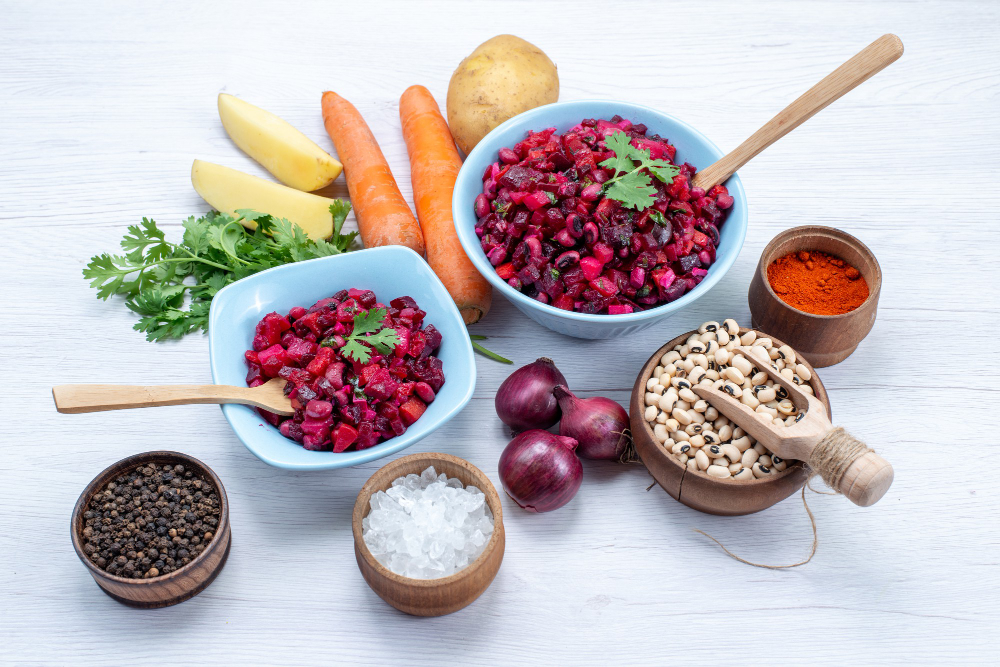
Indian cuisine is filled with culinary traditions that combine local ingredients, regional knowledge, and techniques developed long before modern food science became widely understood. Some dishes are famous for their spices, others for their fermentation methods, and a few stand out because their preparation seems surprisingly scientific. Khar, a traditional alkaline food preparation associated with Assam in northeastern India, belongs to this fascinating category. Its name might sound like a chemical compound, but it represents an important part of Assamese culinary identity.
Unlike many Indian dishes that depend on chilli, turmeric, or complex spice mixtures for their distinctive character, Khar is known for its alkaline properties. Traditionally, it is prepared using water filtered through the ashes of dried banana peels or other suitable plant materials. The resulting liquid, known in Assamese culinary practice as khar water, is used in cooking to create a characteristic flavour and influence the texture of certain ingredients.
What makes Khar particularly interesting is that its preparation reflects a practical understanding of chemistry. Plant ashes contain mineral compounds, some of which dissolve in water and produce an alkaline solution. This solution can affect the taste, colour, and texture of food, depending on its concentration and the ingredients with which it is combined.
However, Khar is much more than an unusual cooking technique. It is connected to Assamese food traditions, agricultural practices, household knowledge, and the relationship between local resources and regional identity. Exploring Khar reveals how traditional cooks developed sophisticated food preparation methods through observation and experience, even without the scientific terminology used to explain them today.
What Exactly Is Khar in Assamese Cuisine?
Khar is both a traditional Assamese alkaline preparation and a term associated with dishes made using the distinctive alkaline ingredient. It occupies an important place in the food culture of Assam, where regional cooking often emphasises seasonal vegetables, rice, fish, pulses, and locally available plant ingredients.
In many Assamese households, a meal may begin with a Khar preparation before progressing to other dishes. This traditional meal structure varies between households and communities, but Khar is widely recognised as a characteristic part of Assamese cuisine. Its flavour is often described as mild, distinctive, and different from the sour, spicy, or heavily seasoned profiles found in many other Indian preparations.
One of the best-known forms is banana-peel Khar, which involves preparing an alkaline liquid from the ashes of dried banana peels. The ashes are mixed with water, and the liquid is filtered to separate it from solid particles. The resulting solution can then be used in appropriate quantities to prepare different dishes.
The exact ingredients depend on the recipe. Some preparations use raw or dried papaya, while others feature pulses, vegetables, or other locally available ingredients. The alkaline liquid is not necessarily the only ingredient responsible for the final flavour. The choice of vegetables, cooking time, seasoning, and proportions all influence the result.
It is important to distinguish Khar from similarly named foods elsewhere in India. The Assamese preparation discussed here is specifically associated with alkaline cooking and traditional plant-ash extraction. It should not be confused with every regional dish or ingredient that happens to use a similar name.
The Science Behind Khar: Why Plant Ashes Become Alkaline
The scientific principle behind Khar begins with the mineral composition of plant materials. Plants absorb minerals from soil as they grow. When their dried parts are burned, most of the organic material is transformed into gases and other combustion products, while various inorganic mineral compounds remain in the ash.
Some of these compounds can dissolve in water. Depending on the original plant material and the burning conditions, the resulting solution may contain alkaline substances, including compounds that contribute carbonate or hydroxide ions. These substances can raise the pH of the water, making it alkaline rather than neutral.
The pH scale is used to describe how acidic or alkaline a solution is. A pH below 7 indicates acidity, a pH of 7 is neutral under standard conditions, and a pH above 7 indicates alkalinity. The precise pH of traditional Khar water can vary considerably because plant species, ash composition, water quality, preparation methods, and concentration are not always identical.
This variability is one reason why traditional alkaline extracts should not be treated as standardised chemical products. Two batches prepared from different quantities or types of ash may behave differently in a recipe. A liquid that is too concentrated may produce an unpleasant taste or expose the cook to excessive alkalinity.
Modern chemistry provides an explanation for the process, but traditional Assamese cooks did not need laboratory equipment to develop it. Through repeated experience, families could learn how particular plant materials behaved, how to filter the liquid, and how much was appropriate for a given preparation.
Khar therefore illustrates a meaningful connection between empirical culinary knowledge and scientific understanding. A cooking method developed through local practice can have a clear chemical explanation, even when the original practitioners described its effects through taste, texture, and experience rather than pH measurements.
Why Banana Peels Are Important in Traditional Khar Preparation
Banana plants are widely grown across many parts of India, and different parts of the plant have long been used in regional food practices. In Assamese Khar preparation, dried banana peels are particularly significant because their ashes can provide the mineral components needed to create an alkaline extract.
The preparation begins with the collection and drying of suitable banana peels. Drying reduces moisture and makes the material easier to burn. The dried peels are then burned under appropriate conditions, leaving ash that can be used to prepare the extract.
Water is added to the ash, allowing soluble components to dissolve. The mixture is then filtered to remove solid particles. Traditionally, filtration may involve a clean cloth or another suitable filtering material, although methods differ between households.
The filtered liquid becomes the alkaline ingredient used in cooking. Its appearance may vary, and its strength cannot reliably be determined by colour alone. Because the composition of plant ash is variable, careful preparation and controlled use are important.
This method also demonstrates how local food systems make use of materials that might otherwise be discarded. Banana peels are often treated as kitchen waste in modern households, but their role in Khar preparation gives them a distinct culinary purpose.
Nevertheless, this does not mean that any banana peel ash is automatically suitable for food. Materials exposed to pesticides, contaminated surfaces, painted objects, treated wood, or unsuitable burning conditions can introduce unwanted substances. Food preparation requires appropriate plant material, clean equipment, safe burning practices, and reliable knowledge of the traditional method.
The use of banana peels in Khar is therefore not simply an example of reducing waste. It reflects a specific relationship between a local agricultural resource and a culturally established cooking technique.
How Alkalinity Changes Food During Cooking
One reason Khar is so interesting from a scientific perspective is that alkalinity can influence several processes involved in food preparation. The effects depend on the concentration of the alkaline solution and the chemical composition of the food.
One important effect concerns texture. Alkaline conditions can alter the structure of certain plant tissues and influence how quickly vegetables soften during cooking. In some foods, alkalinity can accelerate the breakdown of pectin, a substance that helps hold plant cells together. This may contribute to a softer texture, although the result depends on the vegetable, temperature, cooking duration, and pH.
Alkalinity can also affect proteins and starches. In suitable conditions, pH influences protein structure and the behaviour of starch during heating. These effects help explain why an alkaline ingredient may produce a different culinary result from plain water, even when the cooking method appears otherwise similar.
Flavour is another important factor. Alkaline solutions can create a distinctive taste that is not equivalent to sweetness, saltiness, or sourness. The intensity of this flavour depends on the solution’s composition and strength. When used appropriately, it becomes part of the characteristic profile of a Khar preparation.
Colour can change as well. Certain plant pigments are sensitive to pH, so alkaline conditions may alter the appearance of vegetables or other ingredients. These changes are not always desirable, and their extent varies with the food being prepared.
However, the chemistry of Khar should not be oversimplified. Not every alkaline solution behaves identically, and the effects observed in one dish cannot automatically be applied to another. Traditional cooks often rely on familiar proportions and experience to achieve the intended result. This practical knowledge remains important because the chemistry of plant ash is variable rather than precisely standardised.
Traditional Khar Dishes and Their Culinary Diversity
Khar is not limited to one fixed recipe. Assamese cooks use the alkaline preparation in different ways, creating dishes that reflect household preferences, available ingredients, and regional traditions.
Raw papaya is one ingredient associated with Khar preparations. Its relatively firm flesh can soften during cooking, while the alkaline component contributes to the distinctive character of the dish. Depending on the recipe, the preparation may remain relatively simple, allowing the main ingredient and the Khar extract to define its flavour.
Vegetable-based Khar dishes also demonstrate the adaptability of the technique. Seasonal vegetables can be prepared with the alkaline ingredient to create a dish that complements rice and other elements of an Assamese meal. The exact vegetable combination and seasoning vary, so there is no single formula that represents every household’s approach.
Some versions use pulses or other ingredients that provide additional texture and substance. The interaction between the alkaline liquid and these ingredients can influence the final consistency, which makes the method more than a simple flavouring technique.
Khar is particularly interesting because it does not depend on a large number of spices to establish its identity. Its distinctive character comes from the alkaline ingredient and the way it interacts with the other components. This does not mean Assamese cuisine lacks complexity; rather, it demonstrates that culinary sophistication can emerge from ingredient selection, preparation methods, and subtle differences in flavour.
The diversity of Khar dishes also highlights why traditional recipes should be understood within their cultural setting. A description of one preparation cannot fully capture the range of ways Assamese households use Khar or the personal knowledge involved in preparing it successfully.
Khar and the Broader Tradition of Alkaline Cooking
Although Khar has a distinctive place in Assamese cuisine, the use of alkaline substances in cooking is not unique to Assam. Across the world, different communities have used alkaline ingredients to modify texture, change flavour, process grains, or prepare particular foods.
In parts of East Asia, alkaline water is used in certain noodle-making traditions to influence elasticity, colour, and texture. Some traditional grain preparations elsewhere use alkaline treatments to change the properties of the raw ingredient and improve its suitability for further cooking. In other food cultures, alkaline compounds have been used in processing maize, preserving particular foods, or preparing specialised dishes.
These examples do not mean that all alkaline cooking techniques are interchangeable. The substances used, their concentrations, the foods treated, and the intended outcomes can be very different. Khar remains distinct because of its association with Assamese ingredients, banana-peel ash preparation, and regional culinary practices.
Comparing these traditions nevertheless reveals a broader principle: cooking is closely connected to chemistry. Heat, acidity, alkalinity, moisture, fermentation, and mineral content can all influence how ingredients behave. Traditional communities discovered many of these effects through practice and passed the knowledge through generations.
Modern food science helps explain why these methods work, but it should not erase the cultural histories that gave them meaning. The scientific explanation and the culinary tradition are complementary ways of understanding the same process.
Is Khar Healthy? Understanding Its Nutritional Context
Khar is sometimes discussed in connection with traditional food knowledge and the use of natural ingredients. However, it is important to distinguish its cultural significance and chemical properties from claims about health benefits.
The nutritional value of a Khar dish depends largely on the ingredients used. A preparation containing vegetables may provide dietary fibre, vitamins, minerals, and other nutrients. A dish made with pulses may contribute protein and additional fibre. The overall nutritional profile also depends on the amount of oil, salt, and other ingredients included in the recipe.
The alkaline extract itself should not be assumed to provide a predictable nutritional benefit. Plant ash may contain minerals, but the amounts and types vary according to the plant material and preparation process. The presence of minerals does not automatically make a preparation healthier, nor does an alkaline pH mean that the food can correct the body’s natural acid-base balance.
The human body regulates blood pH through complex physiological systems, primarily involving the lungs and kidneys. Eating alkaline foods does not meaningfully change the pH of healthy blood under normal conditions.
Safety is particularly important when working with homemade alkaline extracts. A strongly alkaline solution can irritate or damage the mouth, digestive tract, skin, and eyes. Because the strength of plant-ash water is difficult to predict, it should never be prepared or consumed casually without knowledge of a safe, established food preparation method. Industrial ash, treated wood ash, charcoal briquettes containing additives, and contaminated plant materials are unsuitable substitutes for appropriate food-grade ingredients.
People unfamiliar with the preparation should learn from experienced Assamese cooks who understand the traditional method. Using measured, reliable procedures and avoiding concentrated or untested extracts helps preserve the culinary tradition while reducing unnecessary risk.
Khar as a Symbol of Assamese Food Identity
Food is one of the strongest ways in which communities preserve cultural identity. Recipes often communicate knowledge about local agriculture, seasonal availability, household routines, and the ingredients that people have historically considered valuable.
Khar represents this connection in Assamese cuisine. Its preparation draws on locally available plant materials and a distinctive technique that gives the resulting dishes their identity. It also demonstrates how traditional knowledge can be specific to a region rather than universal across an entire country.
In an era when food trends often prioritise visual presentation, elaborate ingredients, and restaurant-style experimentation, Khar offers a different perspective on culinary creativity. Its uniqueness lies in a method that may appear simple but requires an understanding of how ingredients behave together.
For people discovering Assamese cuisine, Khar provides an opportunity to explore a regional food tradition that may be less familiar than popular Indian curries, biryanis, or sweets. For younger cooks and food writers, it can inspire a deeper interest in the science behind traditional recipes.
Its story also encourages a more respectful approach to regional cuisine. Traditional foods should not be reduced to unusual ingredients or described merely as curiosities. Their significance comes from the people who prepare them, the contexts in which they are eaten, and the knowledge maintained across generations.
Documenting such preparations, learning directly from regional cooks, and understanding their historical and cultural settings can help preserve culinary diversity while making it accessible to wider audiences.
The Future of Khar in Modern Indian Food Culture
The growing interest in regional Indian cuisine creates opportunities to introduce traditional preparations such as Khar to new audiences. Restaurants, culinary researchers, food educators, and digital creators can help explain its ingredients, preparation methods, and scientific principles.
A modern restaurant might present a traditional Khar dish alongside a broader exploration of Assamese cuisine, allowing diners to understand its place within a complete meal. Food educators could demonstrate the difference between acidic and alkaline ingredients, using Khar as an example of how chemistry influences texture and flavour. Culinary writers could document variations between households and regions rather than treating the preparation as a single standardised recipe.
However, introducing Khar to a wider audience requires accuracy and care. Its preparation should not be simplified into an experiment involving arbitrary amounts of ash and water. Because plant-ash extracts vary in composition and strength, culinary demonstrations should rely on established, safe methods rather than untested instructions.
The most meaningful approach combines scientific explanation with cultural respect. Khar can be discussed as an example of alkaline cooking without suggesting that traditional cooks were simply performing chemistry experiments. Their knowledge developed through generations of food preparation, observation, adaptation, and shared experience.
As interest in regional foods continues to grow, Khar has the potential to become an important example of how traditional Indian cuisine can contribute to conversations about food science, sustainability, and cultural preservation.
Conclusion: A Traditional Dish with a Scientific Story
Khar demonstrates that some of the most distinctive culinary traditions emerge from the relationship between local ingredients and practical knowledge. Its use of alkaline liquid prepared from plant ashes creates a characteristic cooking method that connects Assamese food culture with the chemistry of minerals, pH, texture, and flavour.
The preparation may initially sound more like chemistry than cooking, but that is precisely what makes it fascinating. Long before modern food science explained the effects of alkaline substances, traditional cooks developed methods for using them in particular dishes. Their knowledge reflects careful observation and a deep familiarity with local materials.
At the same time, Khar cannot be understood through chemistry alone. Its significance comes from its place in Assamese households, regional food traditions, and the cultural identity associated with its preparation. Understanding both dimensions allows us to appreciate the dish without reducing it to a scientific curiosity.
Ultimately, Khar reminds us that Indian cuisine is not only a collection of recipes. It is also a record of human experimentation, environmental knowledge, and cultural continuity. Exploring dishes like Khar helps reveal how science and tradition have long worked together in kitchens, often in ways that modern explanations are only beginning to describe.
Online Internship with Certificate
You may be interested
Mahua: The Forest Flower That Became a Traditional Food and Beverage Ingredient
Anshika Jain - October 14, 2026Across the forests of central and eastern India, a small, fleshy flower has played an important role in traditional food cultures for generations. Known as mahua, the…

Boza: The Thick Fermented Drink That Looks Nothing Like a Modern Beverage
Anshika Jain - October 14, 2026In a world dominated by sparkling sodas, iced coffees, fruit smoothies, and brightly coloured energy drinks, Boza stands out for looking almost like something from an entirely…
Yomari: Nepal’s Sweet Dumpling With a Molten Molasses Centre
Anshika Jain - October 14, 2026Imagine biting into a soft, warm dumpling made from rice flour and discovering a rich, dark, syrupy filling that melts across your tongue. The outer layer is…
Most from this category
Kharvas: The Milky Steamed Pudding That Comes From a Surprising Source
Anshika Jain - October 13, 2026
Kajjikayalu: South Indian Fried Pastries With a Coconut-Sugar Filling
Anshika Jain - October 13, 2026Panchamrit-Based Sweets: How Temple Ingredients Become Dessert
Anshika Jain - October 14, 2026Kharvas: The Milky Steamed Pudding That Comes From a Surprising Source
Anshika Jain - October 13, 2026


Yomari: Nepal’s Sweet Dumpling With a Molten Molasses Centre
October 14, 2026
Chikki Variations: Beyond Peanut Brittle—Indian Nut Sweets
October 14, 2026

Leave a Comment