

Panchamrit-Based Sweets: How Temple Ingredients Become Dessert

Indian cuisine has a remarkable ability to transform cultural traditions, religious practices, and everyday ingredients into meaningful culinary experiences. Among the most fascinating examples is Panchamrit, a sacred mixture traditionally prepared using five ingredients and offered during Hindu worship. Known for its spiritual significance, Panchamrit is associated with purity, devotion, prosperity, and gratitude. Although it is primarily consumed as a ritual offering, its combination of milk, curd, ghee, honey, and sugar also presents interesting possibilities for traditional dessert preparation.
The transformation of Panchamrit from a sacred offering into a dessert is not simply a matter of combining sweet ingredients. It represents a broader relationship between Indian religious traditions and regional food cultures, where ingredients used in worship often inspire festive dishes, temple-associated sweets, and ceremonial delicacies. From creamy milk-based preparations to honey-sweetened desserts and ghee-rich confections, many Indian sweets share ingredients with Panchamrit, creating opportunities to explore new culinary interpretations while respecting their traditional origins.
Panchamrit-based sweets can therefore be understood as a meeting point between ritual food, regional cooking, ingredient-based experimentation, and contemporary dessert culture. Whether prepared for festivals, family celebrations, religious gatherings, or modern food experiences, these desserts demonstrate how sacred culinary traditions can inspire creativity without losing their cultural identity.
Understanding Panchamrit and Its Five Sacred Ingredients
Panchamrit derives its name from two Sanskrit words: pancha, meaning five, and amrit, meaning nectar associated with immortality or divine nourishment. Traditionally, the preparation combines five ingredients: milk, curd, ghee, honey, and sugar. The precise proportions, preparation methods, and serving customs can vary between families, temples, and regional traditions.
Each ingredient contributes a distinct quality to the mixture. Milk provides a creamy foundation, curd introduces a gentle tang, ghee contributes richness and aroma, honey adds floral sweetness, and sugar balances the overall taste. Together, these ingredients create a mixture that is simultaneously sweet, creamy, and slightly complex in flavour.
In Hindu religious traditions, Panchamrit is commonly used during puja and abhishek rituals, in which sacred offerings are presented to a deity. It may subsequently be distributed as prasad, allowing devotees to receive and consume the offering as an expression of faith and participation in the ritual.
Its culinary importance extends beyond the religious setting. Milk, curd, ghee, honey, and sugar have long been used in Indian cooking, particularly in sweets prepared for celebrations and special occasions. Their combined presence in Panchamrit makes the mixture an interesting starting point for dessert development. However, not every sweet made with these ingredients is traditionally classified as a Panchamrit dessert. The distinction between a direct culinary adaptation and a conventional Indian sweet is important when exploring this subject.
Why Panchamrit Ingredients Work Well in Dessert Preparation
The five ingredients of Panchamrit offer complementary culinary characteristics that can be used to develop a range of desserts. Milk contains proteins and fats that contribute to creamy textures, while curd introduces acidity that can balance sweetness. Ghee provides a concentrated dairy flavour and helps create the rich mouthfeel associated with many traditional Indian confections.
Honey offers a different type of sweetness from refined sugar. Its flavour varies according to the flowers and plants from which bees collect nectar, giving desserts subtle floral, fruity, or earthy notes. Sugar provides predictable sweetness and can also contribute to texture, crystallisation, and structure in certain preparations.
When combined thoughtfully, these ingredients can create desserts that feel familiar to Indian consumers while offering new flavour combinations. For example, a milk pudding can become more complex through a small amount of honey, while strained curd can provide a thick, tangy base for a creamy dessert. Ghee can be used to develop aromatic notes in a warm sweet preparation, although it should be added in a way that suits the recipe.
The ingredients do not necessarily need to be combined in equal quantities. Traditional Panchamrit recipes and dessert recipes serve different purposes. A ritual mixture is generally prepared according to customary practices, whereas a dessert requires careful attention to consistency, sweetness, temperature, and food safety. A culinary adaptation can therefore draw inspiration from the five ingredients without claiming to reproduce every ritual preparation exactly.
Panchamrit-Inspired Kheer: A Creamy Interpretation of Sacred Ingredients
Kheer is one of India’s most recognisable milk-based desserts. Commonly prepared with rice, milk, sugar, and aromatic ingredients, it appears in numerous regional and festive variations. Its creamy texture and association with celebrations make it a natural starting point for a Panchamrit-inspired dessert.
A Panchamrit-inspired kheer can retain the familiar foundation of slow-cooked milk and rice while incorporating the characteristic ingredients of the sacred mixture. A small quantity of ghee may be used to toast rice or enrich the preparation, while curd can inspire a carefully balanced tangy variation. Honey can provide part of the sweetness, depending on the desired flavour profile.
The main challenge is maintaining the texture and stability of the dessert. Adding curd directly to hot milk can cause the mixture to split because of differences in acidity and temperature. Consequently, curd is better explored in a separate, chilled component or incorporated through a specifically developed recipe that accounts for temperature and acidity.
Honey is also best treated as a flavouring ingredient rather than a direct replacement for every function of sugar. Its moisture content and flavour can change the consistency of a dessert, and prolonged heating can diminish some of its delicate aromas. A finished kheer can therefore be sweetened with honey after cooling slightly, provided the recipe has been designed for that approach.
The result is not a conventional ritual Panchamrit preparation but a contemporary dessert inspired by its ingredients. This distinction allows the dish to honour the cultural reference while remaining practical and enjoyable as a sweet.
Panchamrit Shrikhand: Turning Curd into a Rich Dessert
Shrikhand, particularly associated with Gujarati and Maharashtrian food traditions, demonstrates how a dairy ingredient can become the foundation of an elegant dessert. Prepared from strained curd, it has a thick, smooth texture and is commonly flavoured with sugar, cardamom, saffron, and sometimes nuts.
Its connection with Panchamrit lies primarily in the use of curd as a central ingredient. A Panchamrit-inspired shrikhand can incorporate honey for a distinctive sweetness and a small quantity of ghee where appropriate to the recipe’s flavour concept. Milk can be used in carefully controlled quantities to adjust consistency, although adding too much liquid would undermine the thick texture that defines shrikhand.
A more balanced interpretation might use strained curd as the main base, honey as a complementary sweetener, and cardamom or saffron as aromatic additions. Such ingredients are not mandatory components of Panchamrit, but they can connect the dessert to familiar Indian culinary traditions.
The acidity of curd plays an important role in this preparation. It prevents the sweetness from becoming overwhelming and provides a refreshing contrast to richer foods. Honey can add depth, while saffron contributes fragrance and colour.
This dessert is especially suitable for contemporary festive menus because it can be served in individual cups, layered with fruit, or accompanied by small portions of traditional sweets. Nevertheless, it should be described as Panchamrit-inspired shrikhand rather than presented as a universally established temple recipe.
Honey and Ghee Laddoos: A Connection with Traditional Confectionery
Laddoos occupy an important place in Indian celebrations, religious offerings, and family traditions. They can be prepared from gram flour, semolina, wheat flour, coconut, sesame seeds, nuts, or other ingredients, depending on the regional variety. Ghee is especially significant in many recipes because it contributes aroma, richness, and the binding characteristics needed to shape the mixture.
A Panchamrit-inspired laddoo can explore the relationship between ghee, honey, dairy ingredients, and traditional confectionery. For instance, a flour-based laddoo may use ghee for roasting and develop a honey-forward flavour profile. Milk solids or other dairy ingredients can introduce a creamy note, while sugar may remain necessary to achieve the desired structure.
However, honey should not automatically replace sugar in every laddoo recipe. Honey contains moisture, and its addition can soften a mixture that would otherwise remain firm. Depending on the ingredients, this may affect shelf life, texture, and storage requirements.
A more practical approach is to develop a recipe in which the quantities of ghee, honey, and dry ingredients are carefully balanced. The finished laddoo can evoke the flavours associated with Panchamrit without requiring all five ingredients to be incorporated in equal proportions.
Such sweets can be presented during family celebrations or as part of a modern Indian dessert platter. If they are prepared for religious distribution, their ingredients and preparation should also follow the relevant household or temple customs.
Panchamrit-Inspired Sandesh and Milk-Based Sweets
Bengal’s sandesh tradition illustrates the versatility of milk in Indian confectionery. Typically prepared from chhana, or fresh curdled milk solids, sandesh can be soft and delicate or firmer depending on the recipe. Its relatively simple base makes it suitable for experimenting with different sweeteners and aromatic ingredients.
A Panchamrit-inspired sandesh could use the creamy character of milk solids as its foundation and introduce honey as a flavouring element. Ghee may contribute richness in selected formulations, although excessive fat can interfere with the delicate texture. Curd is particularly relevant to the process through which milk is curdled, but this does not mean that every sandesh recipe contains curd as an independent ingredient.
The key to developing this variation is preserving the texture and fresh dairy flavour of the original sweet. Too much honey can make the mixture sticky, while excessive ghee can make it greasy. The most successful version would use the Panchamrit connection as a source of inspiration rather than force all five ingredients into a recipe where they do not naturally belong.
Similar experiments can be undertaken with peda, kalakand, and other milk-based sweets. Peda relies on concentrated milk solids and typically includes sugar, while kalakand is known for its moist, granular texture. Honey, ghee, and dairy ingredients can be explored in carefully tested variations, with attention to sweetness, moisture, and storage.
These adaptations demonstrate that Panchamrit’s culinary influence need not be limited to one dessert category. Its ingredients can inspire a broader family of sweets that remain recognisably Indian while introducing new flavour combinations.
Temple Food Traditions and the Cultural Meaning of Sweets
To understand Panchamrit-inspired desserts, it is necessary to consider the wider relationship between temples and Indian food traditions. Across India, food has long been associated with worship, hospitality, seasonal celebrations, and community participation. Prasad and naivedya are important expressions of these relationships. Although their meanings and preparation rules differ according to religious traditions and local practices.
Some temples are widely known for particular offerings. Tirupati is associated with its distinctive laddu prasadam, while other religious centres have their own established sweets and food customs. These examples demonstrate that temple-associated food can develop a strong regional identity, with recipes becoming closely connected to particular places, ceremonies, and communities.
Panchamrit occupies a somewhat different position because it is primarily a ritual mixture rather than one universally standardised dessert. Its five ingredients carry religious significance, but their culinary potential also connects them with household sweets and festive food preparation.
Transforming Panchamrit into a dessert therefore requires cultural sensitivity. A modern chef or food entrepreneur can draw inspiration from its ingredients, textures, and symbolism without suggesting that a newly created recipe is an authentic temple preparation. This distinction is especially important when marketing desserts through religious imagery or references to specific temples.
Respectful adaptation allows culinary innovation to coexist with tradition. It also recognises that religious food customs are living practices rather than simply sources of aesthetic inspiration.
Regional Ingredients and Modern Panchamrit Dessert Innovation
India’s regional food diversity creates opportunities to reinterpret Panchamrit-inspired sweets through locally available ingredients. The five traditional components provide a common reference point. While regional dairy products, honey varieties, grains, fruits, and spices introduce different flavours.
For example, a dessert inspired by Panchamrit could combine thick dairy preparations with saffron, cardamom, or locally produced honey. Another version might explore coconut-based textures or regional milk sweets. Provided the adaptation is clearly described and does not misrepresent a customary ritual recipe.
Seasonal fruits can also contribute freshness and acidity. Mango, banana, and other fruits may pair well with dairy-based desserts. Although the final combination needs to be tested for flavour balance and texture. Nuts and spices can add contrast, while a layered presentation can make the dessert more suitable for contemporary cafés and special-event menus.
Modern dessert development can also focus on portion size and presentation. Small dessert cups, layered puddings, bite-sized confections, and tasting platters can introduce the flavour concept to younger consumers who enjoy discovering traditional foods in new formats.
At the same time, innovation should not overshadow the original significance of Panchamrit. The most compelling interpretations are those that explain the ingredients and their cultural context rather than using the name solely as a marketing trend.
Health, Nutrition, and Ingredient Awareness
Panchamrit contains ingredients that provide energy and nutrients. But its sacred status should not be confused with a guarantee of specific health benefits. Milk and curd provide protein and calcium, while ghee contributes fat and honey and sugar supply sugars. Their nutritional contribution depends on the quantities consumed and the wider dietary context.
When these ingredients are transformed into sweets, their overall nutritional composition changes according to the recipe. A dessert containing substantial amounts of ghee, honey, sugar, and concentrated milk solids can be energy-dense, even if it is prepared from familiar traditional ingredients.
Honey is not nutritionally equivalent to a sugar-free sweetener. It contains naturally occurring sugars and should be included within an individual’s overall sugar intake. Similarly, replacing refined sugar with honey does not automatically make a dessert suitable for people who need to manage their blood glucose.
Food safety is equally important. Panchamrit and dairy-based sweets can be vulnerable to contamination and spoilage if handled improperly. These practical considerations help ensure that culinary adaptations remain enjoyable and safe.
Panchamrit-Based Sweets in Contemporary Food Culture
Interest in traditional ingredients has created opportunities for food businesses. Home cooks, and dessert creators to revisit regional recipes through contemporary presentation. Panchamrit-inspired sweets fit within this broader movement. Because they combine a recognisable cultural reference with ingredients that are familiar to Indian households.
For cafés and speciality dessert businesses, such preparations can become part of limited-edition festive menus or tasting experiences. A menu might feature a honey-and-curd dessert. Amilk pudding inspired by Panchamrit, or a ghee-rich confection with a carefully explained cultural connection. Such offerings can introduce customers to the ingredients and traditions behind the dish.
Food content creators can explore the subject through recipe demonstrations, ingredient histories. Regional sweet comparisons, and conversations with cooks familiar with traditional food practices. These approaches offer greater depth than simply presenting a new dessert as an unusual combination of ingredients.
The commercial presentation must remain accurate. This balance between creativity and authenticity can help traditional food stories reach new audiences without weakening their cultural meaning.
Conclusion: Preserving Tradition While Exploring New Flavours
Panchamrit-based sweets offer an interesting way to examine the relationship between Indian religious customs and culinary creativity. The five ingredients of milk, curd, ghee, honey, and sugar have long been part of Indian food culture. Their different textures and flavours provide inspiration for a variety of dessert experiments.
From Panchamrit-inspired kheer and shrikhand to honey-and-ghee laddoos and contemporary milk-based confections. These interpretations demonstrate how traditional ingredients can be used in new ways. Their appeal lies not only in their sweetness. But also in the stories, rituals, and regional food practices associated with them.
However, culinary innovation should preserve the distinction between a sacred offering. A traditional temple sweet, and a modern dessert inspired by religious ingredients. Not every sweet containing Panchamrit’s ingredients is itself a Panchamrit preparation. Newly developed recipes should not be presented as established traditions without evidence.
Ultimately, the most meaningful Panchamrit-inspired desserts are those that combine flavour, craftsmanship, cultural understanding, and responsible preparation. By respecting the origins of the ingredients while exploring their culinary possibilities. Cooks and food creators can bring an enduring part of India’s food heritage into contemporary dessert culture.
Online Internship with Certificate
You may be interested
Mahua: The Forest Flower That Became a Traditional Food and Beverage Ingredient
Anshika Jain - October 14, 2026Across the forests of central and eastern India, a small, fleshy flower has played an important role in traditional food cultures for generations. Known as mahua, the…

Boza: The Thick Fermented Drink That Looks Nothing Like a Modern Beverage
Anshika Jain - October 14, 2026In a world dominated by sparkling sodas, iced coffees, fruit smoothies, and brightly coloured energy drinks, Boza stands out for looking almost like something from an entirely…
Yomari: Nepal’s Sweet Dumpling With a Molten Molasses Centre
Anshika Jain - October 14, 2026Imagine biting into a soft, warm dumpling made from rice flour and discovering a rich, dark, syrupy filling that melts across your tongue. The outer layer is…
Most from this category
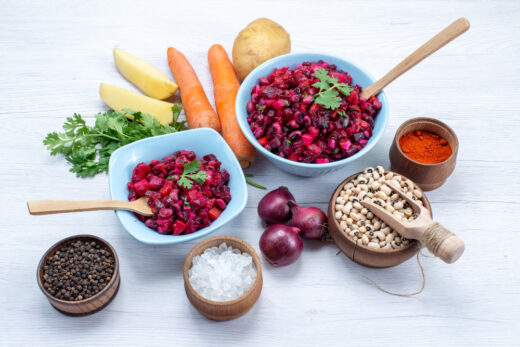
Khar: The Alkaline Food Preparation That Sounds More Like Chemistry Than Cooking
Anshika Jain - October 14, 2026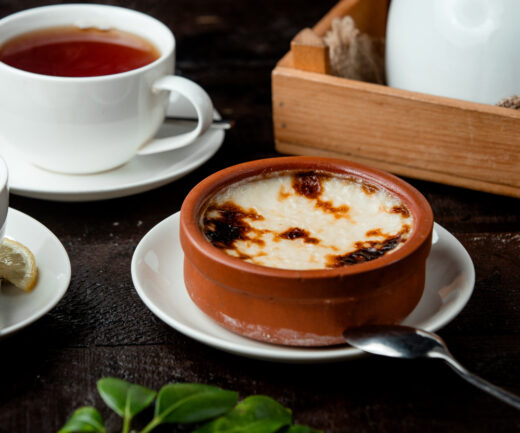
Kharvas: The Milky Steamed Pudding That Comes From a Surprising Source
Anshika Jain - October 13, 2026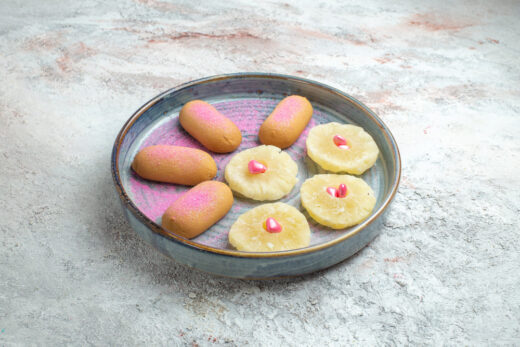
Kajjikayalu: South Indian Fried Pastries With a Coconut-Sugar Filling
Anshika Jain - October 13, 2026Khar: The Alkaline Food Preparation That Sounds More Like Chemistry Than Cooking
Anshika Jain - October 14, 2026Kharvas: The Milky Steamed Pudding That Comes From a Surprising Source
Anshika Jain - October 13, 2026

Yomari: Nepal’s Sweet Dumpling With a Molten Molasses Centre
October 14, 2026

Leave a Comment