

Kharvas: The Milky Steamed Pudding That Comes From a Surprising Source

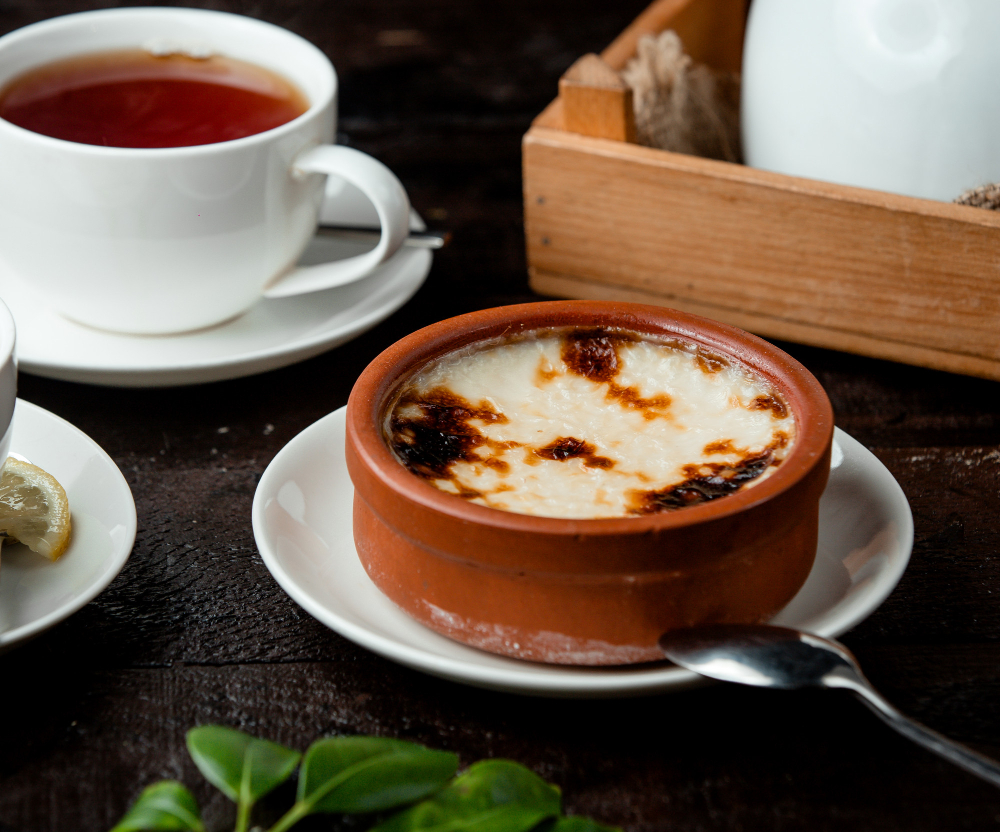
Indian cuisine is filled with traditional desserts that transform simple ingredients into dishes with distinctive flavours, textures, and cultural significance. Among these lesser-known delicacies, Kharvas stands out for its unusual preparation and delicate, pudding-like consistency. Popular in parts of Maharashtra, Karnataka, and neighbouring regions, this traditional milk dessert is known for its soft texture, gentle sweetness, and subtle aroma of cardamom. Unlike many familiar Indian sweets made with condensed milk, flour, or milk solids, Kharvas has a particularly distinctive traditional ingredient at the centre of its preparation: colostrum, the first milk produced by a cow or buffalo after giving birth.
This ingredient gives Kharvas its characteristic texture. Colostrum naturally contains a higher concentration of proteins and other solids than ordinary milk, allowing the mixture to set into a soft, custard-like pudding when heated. Traditionally, the milk is combined with a sweetener, flavoured with cardamom, and steamed until it becomes firm enough to slice or spoon into portions. Depending on the recipe and the animal’s milk, the finished dessert may have a delicate, slightly porous texture resembling a soft steamed custard.
Kharvas is also known by regional names, including Junnu in Telugu-speaking communities and Ginnu in parts of Karnataka. Although recipes and terminology vary across regions, the central idea remains similar: fresh colostrum is transformed into a gently sweetened pudding using a simple cooking method.
The dessert is fascinating not only because of its flavour but also because of the way it reflects traditional food knowledge. It demonstrates how households historically made use of locally available ingredients and developed preparation techniques suited to their properties. Today, Kharvas remains a valued regional delicacy, appreciated by people who grew up eating it and by food enthusiasts discovering traditional Indian desserts beyond the familiar range of gulab jamun, kheer, and rasgulla.
What Is Kharvas and Why Is Its Main Ingredient Unusual?
Kharvas is a traditional steamed pudding prepared primarily from colostrum, the nutrient-rich first milk produced by mammals shortly after giving birth. In culinary traditions where the dessert is made, cow or buffalo colostrum is used to create a sweet preparation with a naturally firming consistency. This makes Kharvas different from conventional milk puddings, which generally depend on thickening agents such as starch, flour, eggs, or gelatin.
Colostrum has a different composition from regular milk. It contains higher concentrations of certain proteins, antibodies, and other biologically active components that support the newborn animal during its earliest stage of life. Its composition changes during the first several milkings after birth, gradually becoming more similar to ordinary milk.
The proteins and solids in colostrum influence how it behaves when heated. In traditional Kharvas preparation, this natural setting ability is used to create the pudding’s distinctive structure. Depending on the concentration of the colostrum and the proportions of other ingredients, the dessert can become relatively firm, soft, or delicately porous.
The use of colostrum is the feature that makes Kharvas particularly unusual to people unfamiliar with regional Indian food traditions. While most desserts begin with ingredients selected specifically for sweetness or richness, Kharvas originates from a substance that has a biological purpose beyond cooking. Traditional culinary knowledge has adapted its natural properties to produce a distinctive dessert.
However, colostrum is not a routine ingredient in every household, and its availability depends on local dairy practices. For this reason, Kharvas is often prepared when fresh colostrum can be obtained, rather than being made as frequently as everyday sweets.
The Origins and Regional Importance of Kharvas
Kharvas has a long-standing place in regional food traditions across parts of western and southern India. It is particularly associated with Maharashtra, where the name Kharvas is widely recognised, and with Karnataka and Telugu-speaking regions, where related preparations are known as Ginnu and Junnu.
The exact historical origin of the dessert is difficult to establish. Like many traditional foods, it developed through household practices rather than through a single documented invention. In communities where cattle and buffalo rearing were part of everyday life, colostrum was an ingredient that could occasionally become available following the birth of a calf. Using it to prepare a pudding provided a practical way to transform it into a dish that could be shared among family members.
Regional variations reflect the diversity of India’s dairy traditions. Some preparations use colostrum from cows, while others use buffalo colostrum. The natural composition of the milk, the stage at which it is collected, and the ingredients added to it can all affect the texture and flavour of the finished pudding.
In Maharashtra, Kharvas is often associated with homemade sweets and regional culinary heritage. In Karnataka, Ginnu is a familiar name for a related preparation, while Junnu is recognised in Andhra Pradesh and Telangana. Although the names and recipes vary, these desserts share the characteristic use of early-lactation milk to produce a naturally set pudding.
The continued presence of Kharvas in regional cooking highlights the relationship between food and local agricultural practices. It also shows how culinary traditions can emerge from a close understanding of ingredients that are not widely used in modern commercial kitchens.
The Science Behind Kharvas’s Unique Texture
One of the most interesting aspects of Kharvas is that its texture develops largely through the natural composition of its main ingredient. Unlike many desserts that require a separate thickener, traditional Kharvas relies on the proteins and solids present in colostrum to create its custard-like consistency.
Colostrum contains a relatively high concentration of proteins, including immunoglobulins and other milk proteins. When the mixture is heated, proteins change their structure through a process known as denaturation. Under suitable conditions, these proteins interact and form a network that helps the mixture become more solid.
This process is similar in broad terms to the setting of certain custards, although the precise mechanisms and resulting textures differ according to the ingredients involved. In Kharvas, the concentration of solids in the colostrum plays a major role in determining how firmly the pudding sets.
The natural composition of colostrum varies depending on the animal, the time since birth, and the stage of lactation. Early colostrum is generally more concentrated, while milk produced later becomes progressively closer to ordinary milk. Consequently, the same recipe may produce different results on different occasions.
If the colostrum is too concentrated, the pudding may become excessively firm or develop a dense texture. If it is more diluted, the mixture may take longer to set or remain softer. The amount of added milk, sweetener, and water can also influence the final consistency.
Gentle steaming is traditionally used to cook the mixture evenly. Excessively intense heating may produce an undesirable texture, while insufficient heating can leave the pudding inadequately cooked. Understanding these factors helps explain why Kharvas preparation often depends on experience and careful observation rather than exact measurements alone.
The Essential Ingredients Used in Kharvas
Colostrum: The Foundation of the Pudding
Colostrum is the defining ingredient in traditional Kharvas. It is the first milk produced after an animal gives birth and is naturally richer in certain proteins and other solids than mature milk. These characteristics help the mixture develop a firm, pudding-like structure during cooking.
The proportion of colostrum used in the recipe has a direct effect on the finished dessert. Some preparations use colostrum with a small amount of regular milk to achieve a softer texture, while others rely on a more concentrated mixture. The exact balance depends on the colostrum’s natural consistency and the cook’s preferred result.
Because colostrum is biologically important to a newborn calf or other young animal, its use requires responsible sourcing. The newborn must receive adequate colostrum in accordance with appropriate animal-care practices. Kharvas should be prepared only from milk that is responsibly obtained and suitable for human consumption.
Sugar or Jaggery: Balancing the Natural Flavour
Sugar is commonly used to sweeten Kharvas, although jaggery may be used in some regional or household recipes. Jaggery creates a deeper, more caramel-like flavour and may give the pudding a darker colour.
The amount of sweetener can vary considerably. A lightly sweetened version highlights the creamy character of the pudding, while a sweeter preparation is more reminiscent of a traditional festive dessert. The sweetener must be distributed evenly throughout the mixture to avoid uneven flavour.
When jaggery is used, it may be dissolved separately and strained if necessary before being combined with the milk. This helps remove possible impurities and ensures a smoother mixture. The choice of sweetener is largely a matter of regional preference and personal taste.
Cardamom: A Traditional Aromatic Addition
Cardamom is frequently used to flavour Kharvas. Its warm, floral fragrance complements the milk’s mild flavour without overpowering it. A small quantity is generally sufficient to give the pudding a recognisable aroma.
Freshly ground cardamom can provide a more pronounced fragrance than older, pre-ground powder. It is usually mixed into the sweetened milk before steaming so that its flavour spreads throughout the pudding.
Some versions may include saffron or other flavourings, but elaborate additions are not necessary. Kharvas is traditionally appreciated for its simple flavour and unusual texture rather than for a large number of ingredients.
Regular Milk: Adjusting the Consistency
Regular milk may be combined with colostrum to adjust the concentration of the mixture. Because the composition of colostrum changes over the early stages of lactation, dilution can help achieve a more manageable consistency.
The amount of regular milk needed depends on the thickness of the colostrum. A more concentrated mixture may require additional milk, while a less concentrated sample may need a different proportion to set properly. This variability explains why traditional recipes sometimes rely on visual judgment and experience.
The goal is to preserve the mixture’s natural ability to set while producing a tender pudding that can be cut or spooned into portions.
How Traditional Kharvas Is Prepared
Preparing Kharvas involves combining the ingredients, transferring the mixture into a suitable heatproof container, and cooking it gently through steaming. Although the process is relatively straightforward, the natural variation in colostrum means that the mixture must be handled carefully.
Preparing the Milk Mixture
The preparation begins with colostrum that has been collected and handled hygienically. Depending on its concentration, it may be combined with regular milk to adjust the texture. Sugar or dissolved jaggery is then added, along with cardamom or other chosen flavourings.
The ingredients are mixed gently until the sweetener is evenly distributed. Excessive agitation is generally unnecessary. The mixture should be smooth enough to pour into the steaming container, with no concentrated pockets of sugar or flavouring.
The proportions should be adjusted according to the colostrum’s consistency and a reliable recipe. Since the natural composition of colostrum varies, fixed quantities may not produce identical results every time.
Transferring the Mixture to a Container
The sweetened mixture is poured into a clean, heatproof container suitable for steaming. A shallow container may allow the pudding to cook more evenly, although the depth and size influence the required cooking time.
The container can be covered appropriately to prevent condensation from dripping excessively into the mixture. Care must be taken to ensure that the covering and container are suitable for the chosen cooking method.
Traditional household methods may vary, but the central principle is to heat the mixture gently and evenly until it reaches a fully cooked, set consistency.
Steaming Until the Pudding Sets
The container is placed in a steamer or another suitable covered steaming arrangement. The mixture is cooked until its structure becomes firm and the centre is adequately cooked. Cooking time depends on the depth of the mixture, the heat level, and the concentration of the colostrum.
The pudding should not be judged solely by the firmness of its surface. The centre must also be properly cooked, and safe handling is particularly important because raw milk can contain harmful microorganisms. Colostrum should come from a reliable source, be handled hygienically, and be cooked thoroughly using an appropriate food-safety method.
Once the pudding has set, it is removed from the steamer and allowed to cool. It may then be refrigerated before being cut into squares or served in portions. Cooling helps the structure stabilise and makes the pudding easier to handle.
What Makes Kharvas Different From Other Indian Milk Desserts?
India has a rich tradition of milk-based desserts, including kheer, rabri, basundi, sandesh, and various types of milk cake. These sweets demonstrate how milk can be transformed through simmering, fermentation, curdling, sweetening, and other cooking techniques. Kharvas differs because its defining characteristic comes from the use of colostrum rather than ordinary mature milk.
Kheer is generally prepared by simmering rice or another ingredient with milk and sugar until the mixture becomes creamy. Rabri and basundi depend on the concentration of milk through slow heating, while sandesh is commonly prepared from chenna, a fresh curd cheese. Kharvas, in contrast, develops its pudding-like structure through the natural setting properties of colostrum during steaming.
Its texture is another distinguishing feature. Rather than being creamy and fluid like some milk desserts, properly prepared Kharvas can be firm enough to cut into neat pieces while remaining tender in the mouth. Depending on the recipe, its surface may contain small pores that give it a delicate, sponge-like appearance.
The flavour is usually subtle, with the sweetener and cardamom providing the main aromatic notes. Because the milk itself contributes much of the dessert’s character, the preparation does not necessarily require rich toppings or elaborate decoration.
These differences make Kharvas an interesting example of the diversity of Indian milk-based cooking. It demonstrates that even within a familiar category such as milk desserts, different ingredients can produce remarkably different results.
Regional Variations of Kharvas, Junnu, and Ginnu
The dessert appears under different names across regions, reflecting the languages and culinary customs of the communities that prepare it. Kharvas is widely recognised in Maharashtra, while Junnu is a familiar term in Telugu-speaking areas. Ginnu is associated with Karnataka and neighbouring food traditions.
Although these names often refer to closely related preparations, the recipes are not necessarily identical. Some versions use cow colostrum, while others use buffalo colostrum. Differences in natural milk composition can influence the texture, colour, and flavour of the final dessert.
Sweeteners also vary. Sugar-based preparations tend to retain a lighter colour, whereas jaggery can produce a darker and more robust flavour. Cardamom is common in many versions, but the quantity and other flavouring ingredients may differ.
Some households prefer a firm pudding that can be cut into squares, while others favour a softer texture that can be served with a spoon. These differences reflect the practical experience and personal preferences of the people who prepare the dessert.
The regional names also demonstrate how culinary traditions cross linguistic boundaries. Similar cooking methods can be preserved within different communities while developing distinctive local identities. Kharvas, Junnu, and Ginnu therefore form part of a wider family of traditional Indian desserts built around the special properties of early-lactation milk.
Nutritional Characteristics of Kharvas
Colostrum has a different nutritional composition from mature milk, particularly during the earliest stage after birth. It contains relatively high concentrations of certain proteins and other compounds associated with supporting newborn animals. However, the nutritional properties of the raw ingredient should not be confused with a claim that the finished dessert provides particular health benefits.
The nutritional profile of Kharvas depends on the animal source, the stage of lactation, the amount of regular milk added, and the quantity of sugar or jaggery used. Sweeteners contribute carbohydrates and energy, while the milk contributes protein, fat, and other nutrients in varying amounts.
Although colostrum is biologically valuable to newborn animals, Kharvas is a cooked dessert and should be viewed primarily as a traditional food rather than as a medical or nutritional supplement. Its exact nutrient content cannot be determined without knowing the ingredients and proportions used.
Food safety is especially important when preparing this dessert. Raw milk and colostrum can carry harmful microorganisms, and hygienic collection alone does not guarantee that the product is safe to eat without proper cooking. Only responsibly sourced milk intended for human consumption should be used, and the mixture must be cooked thoroughly. Pregnant people, young children, older adults, and individuals with weakened immune systems should be particularly careful to avoid preparations made from inadequately cooked or improperly handled milk.
Serving and Storing Kharvas
Kharvas is commonly served chilled or at room temperature after it has been allowed to set. Chilling helps the pudding become easier to cut and can make its delicate texture more refreshing, particularly in warm weather.
The pudding may be sliced into squares or rectangles and arranged on a serving plate. Because its flavour is generally mild, elaborate toppings are not essential. A small amount of cardamom or a modest garnish may be used, but the texture and taste of the pudding are usually the main attractions.
Kharvas should be cooled promptly and stored in a clean, covered container in the refrigerator. Since it is a moist dairy-based dessert, it should not be left at room temperature for extended periods. Its safe storage life depends on how it was prepared, how quickly it was refrigerated, and the temperature maintained during storage.
The dessert should be handled with clean utensils, and any portion that has been left out for too long or shows signs of spoilage should be discarded. Repeatedly warming and cooling the same container should also be avoided.
For the best quality, Kharvas is generally enjoyed while fresh. Its texture and flavour can change during storage, so preparing an appropriate quantity and keeping it refrigerated until serving are sensible practices.
Kharvas and the Preservation of Regional Food Traditions
Traditional foods often preserve knowledge that developed through close relationships between households, local ingredients, and agricultural practices. Kharvas is a particularly clear example because its preparation depends on understanding an ingredient whose composition changes naturally over time.
Before modern commercial food systems became widespread, households frequently developed techniques for using seasonal or occasionally available ingredients. Recipes were adjusted according to what was available, and cooking methods were passed on through observation and practice. Kharvas reflects this practical knowledge through its use of colostrum and its reliance on gentle steaming.
The dessert also highlights the importance of regional identity within Indian cuisine. Although many people are familiar with popular sweets sold across the country, traditional foods such as Kharvas, Junnu, and Ginnu demonstrate how culinary practices differ from one community to another.
Preserving these foods does not mean ignoring modern food-safety standards. Instead, traditional methods can be understood and adapted responsibly. Ensuring that valuable culinary knowledge continues without compromising hygiene or animal welfare.
Food documentation, family recipes, local food businesses, and regional culinary storytelling can all contribute to preserving the knowledge associated with Kharvas. Introducing the dessert to new audiences can also encourage greater appreciation of the variety found within Indian food traditions.
Conclusion: Why Kharvas Remains a Remarkable Traditional Dessert
Kharvas is one of India’s distinctive regional desserts, combining a simple sweetening process with the unusual natural setting properties of colostrum. Its delicate, custard-like texture, mild sweetness, and gentle cardamom aroma distinguish it from more familiar milk-based sweets. Known by related names such as Junnu and Ginnu in other regions. It represents a shared culinary tradition shaped by local ingredients and household knowledge.
The preparation of Kharvas demonstrates how traditional cooks learned to work with the natural characteristics of different ingredients. By combining colostrum with a sweetener and cooking the mixture gently through steaming, they developed a dessert that requires relatively few ingredients but depends on an understanding of texture, concentration, and heat.
Its cultural importance extends beyond the kitchen. Kharvas reflects regional food identity, the influence of dairy-based livelihoods, and the practice of preserving family recipes across generations. At the same time, its unusual main ingredient makes it an interesting subject for anyone exploring the science behind traditional foods.
When prepared with responsibly sourced milk, hygienic handling, and thorough cooking. Kharvas offers a distinctive way to experience India’s regional dessert heritage. It serves as a reminder that some of the most memorable traditional dishes emerge not from elaborate techniques but from a careful understanding of ingredients and the culinary creativity of the communities that use them.
Online Internship with Certificate
You may be interested
Kajjikayalu: South Indian Fried Pastries With a Coconut-Sugar Filling
Anshika Jain - October 13, 2026Indian cuisine is celebrated for its remarkable variety of traditional sweets, many of which are closely connected with regional ingredients, family traditions, and festive celebrations. Among the…
Sukhiyan: Kerala’s Sweet Moong-Dal Fritters
Anshika Jain - October 13, 2026Kerala is known for its diverse culinary traditions, where coconut, jaggery, rice, lentils, and aromatic spices play an important role in everyday cooking and festive celebrations. Among…
Paal Poli: Deep-Fried Bread Soaked in Sweetened Milk
Anshika Jain - October 13, 2026Indian cuisine is home to countless traditional sweets that transform simple ingredients into memorable culinary experiences. Among them, Paal Poli holds a special place for its combination…
Most from this category
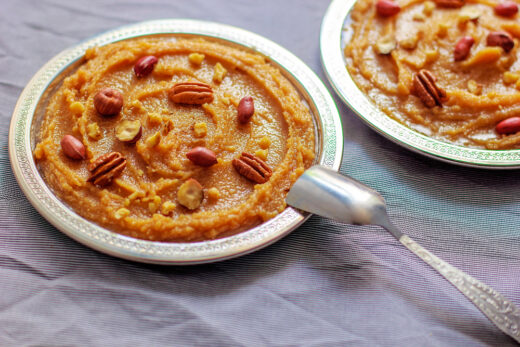
Chalimidi: Andhra’s Soft Rice-Flour Sweet With an Almost Fudge-Like Texture
Anshika Jain - October 13, 2026
Neyyappam: Kerala’s Ghee-Fried Rice Sweet With a Deep Caramelised Edge
Anshika Jain - October 13, 2026
Gujarati Oondhiyu: The Forgotten Village-Style Preparations Behind the Famous Dish
Anshika Jain - October 8, 2026Chalimidi: Andhra’s Soft Rice-Flour Sweet With an Almost Fudge-Like Texture
Anshika Jain - October 13, 2026Neyyappam: Kerala’s Ghee-Fried Rice Sweet With a Deep Caramelised Edge
Anshika Jain - October 13, 2026
Sukhiyan: Kerala’s Sweet Moong-Dal Fritters
October 13, 2026



Leave a Comment