

Malaiyo: Varanasi’s Seasonal Cloud-Like Milk Dessert

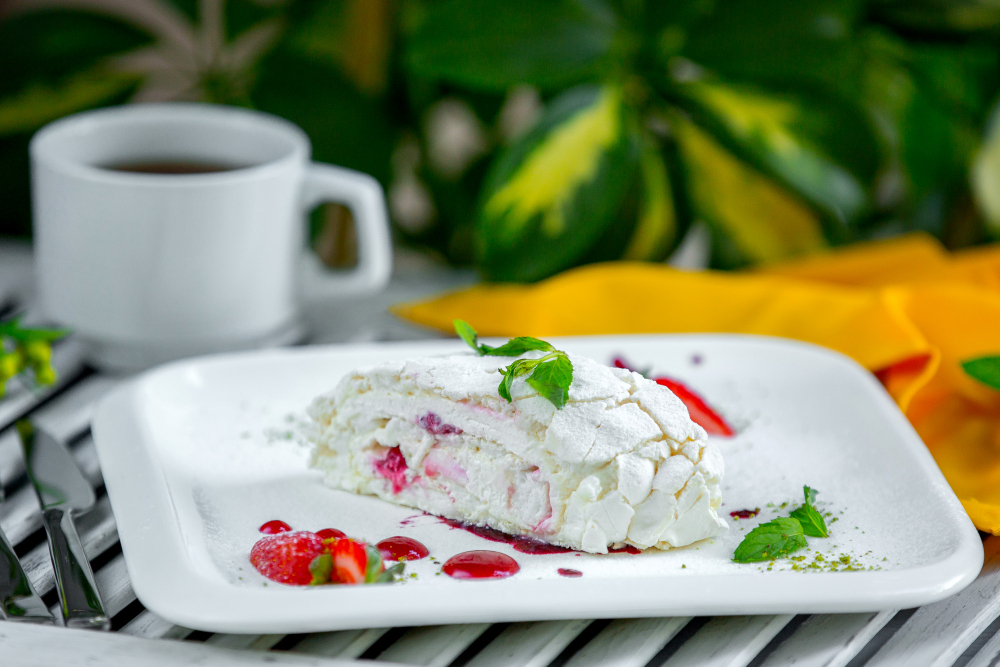
India’s culinary heritage is filled with desserts that are closely connected to particular regions, seasons, ingredients, and traditions. Some sweets are available throughout the year, while others appear only for a short period, making them especially meaningful to local food culture. Malaiyo is one such delicacy. Associated strongly with Varanasi in Uttar Pradesh, Malaiyo is a light, airy milk dessert traditionally enjoyed during the colder months. Its delicate texture, subtle sweetness, and unusual preparation method have earned it a distinctive place among the city’s traditional foods.
Often described as a cloud-like dessert, Malaiyo is known for its extremely light and foamy consistency. Unlike dense milk-based sweets such as peda, barfi, or kalakand, Malaiyo feels almost weightless when eaten. Its texture is created through a combination of milk, winter air, cooling temperatures, and prolonged whisking. The result is a soft, creamy foam that carries the richness of milk without feeling heavy.
For visitors exploring Varanasi, Malaiyo represents more than another local sweet to taste. It reflects the relationship between food and season that has existed in Indian culinary traditions for generations. The dessert is particularly associated with winter mornings, when the cool atmosphere plays an important role in its traditional preparation. Understanding Malaiyo therefore means looking not only at its ingredients but also at the climate, culture, streets, and food traditions of Varanasi.
What Is Malaiyo?
Malaiyo is a traditional milk-based dessert associated with Varanasi and parts of the wider eastern Uttar Pradesh region. It is generally prepared from milk that is allowed to cool naturally, traditionally under winter conditions, before being processed into a light, frothy consistency. The resulting mixture is gently sweetened and commonly flavored with ingredients such as saffron and cardamom. Chopped nuts may also be used as a garnish.
The defining characteristic of Malaiyo is its texture. Rather than being thick, chewy, or syrupy, it is airy and delicate. A spoonful can appear similar to a soft mound of cream or foam. When placed in the mouth, it dissolves quickly, leaving behind the rich taste of milk and the fragrance of the accompanying spices.
The dessert is sometimes compared with other regional milk preparations because of its creamy appearance, but its texture and seasonal preparation make it distinct. Its traditional identity is strongly connected to winter, particularly the cool mornings when natural environmental conditions support the formation of its characteristic foam.
Why Malaiyo Is a Winter Dessert
The seasonal nature of Malaiyo is one of the most fascinating aspects of its culinary identity. Traditional preparation depends partly on the cool winter environment. In older food practices, freshly boiled milk was cooled and exposed to the cold night air, allowing a layer of cream and fine froth to develop naturally. The cool atmosphere was considered important for achieving the light consistency associated with the dessert.
Winter therefore does more than determine when people eat Malaiyo. It contributes directly to the traditional method of making it. The dessert represents an older understanding of how environmental conditions could influence food preparation. Before refrigeration and modern food-processing equipment became common, cooks worked closely with natural temperature changes, seasonal ingredients, and local climate.
This connection explains why Malaiyo is generally associated with early mornings during the colder months rather than being treated as an everyday dessert. Its limited seasonal availability has also contributed to its cultural appeal. People who know the tradition often look forward to its appearance when winter arrives in Varanasi.
The Traditional Preparation of Malaiyo
The preparation of Malaiyo begins with milk, which is generally boiled and then allowed to cool. Traditionally, the milk may be placed outside or kept in a cool environment overnight. During the colder hours, the milk develops a delicate surface layer and interacts with the surrounding cold air.
After the milk has been sufficiently cooled, the cream-rich mixture is processed through repeated whisking or churning. This stage is essential because the dessert’s signature texture comes from incorporating air into the milk. The process transforms the relatively ordinary milk mixture into a soft, fluffy preparation.
Sugar is added to provide sweetness, while cardamom and saffron can contribute fragrance and flavor. The finished Malaiyo is usually served in small quantities because its delicate structure is best appreciated immediately after preparation. Traditionally, it may be presented in small earthen cups, reinforcing its connection with the street-food culture of Varanasi.
Modern preparation methods can use mechanical equipment to produce the desired foam more quickly and consistently. However, the traditional process remains important because it demonstrates how regional food practices developed around local conditions and available technology.
The Role of Milk in Malaiyo
Milk is the foundation of Malaiyo, and its quality has a direct influence on the dessert. Traditional milk-based sweets across India often depend on reducing or concentrating milk, but Malaiyo takes a different approach. Instead of simply thickening the milk, the preparation focuses on creating a delicate structure through cooling and aeration.
This makes the dessert particularly interesting from a culinary perspective. The same basic ingredient can produce completely different textures depending on the cooking and preparation technique. Milk can become condensed into a thick sweet, transformed into paneer, reduced into a creamy pudding, or incorporated into an airy dessert such as Malaiyo.
The richness of the milk gives Malaiyo its creamy character, while the air incorporated during whisking creates its unusual lightness. This balance between richness and delicacy is one of the reasons the dessert has remained memorable among Varanasi’s traditional foods.
Flavour and Texture of Malaiyo
The first impression of Malaiyo is usually its appearance and texture. Its pale, fluffy surface resembles a small cloud, and the dessert can look surprisingly light considering that milk is its primary ingredient. The texture is soft enough to collapse almost immediately when touched by a spoon.
The flavor is generally mild rather than intensely sweet. Milk provides the primary taste, while sugar gives it sweetness without overwhelming the delicate character of the preparation. Cardamom introduces a warm aromatic note, and saffron can add fragrance and a subtle richness. Nuts, when used, provide contrast through their slightly crunchy texture.
This combination makes Malaiyo different from many Indian desserts that depend heavily on concentrated sweetness. Its appeal comes partly from subtlety. Instead of delivering a strong burst of sugar or spice, it creates a gentle combination of creaminess, aroma, and softness.
Malaiyo and Varanasi’s Food Culture
Varanasi is widely known for its historic temples, ghats, narrow streets, religious traditions, and distinctive food culture. Local cuisine includes a wide range of snacks, beverages, sweets, and seasonal preparations. Malaiyo fits naturally into this culinary landscape because it is strongly connected with the city’s morning food traditions.
Food in Varanasi often carries a relationship with place. A dish is not always separated from the environment in which it is eaten. The streets, markets, religious neighborhoods, seasonal weather, and traditional food vendors all contribute to the experience. Malaiyo is an excellent example of this connection.
The dessert is particularly associated with winter mornings, when people can encounter it in local markets and food establishments. For residents, it can represent a familiar seasonal tradition. For visitors, tasting Malaiyo can provide an opportunity to experience a part of Varanasi’s food heritage that cannot be fully understood through photographs or descriptions alone.
Why the Dessert Is Called Cloud-Like
The cloud-like description of Malaiyo comes primarily from its visual appearance and texture. When properly prepared, it develops a fine foam that appears light and almost weightless. The surface can resemble a mound of soft white clouds, making the dessert visually distinctive.
Its airy consistency is not merely decorative. The incorporation of air changes the way the dessert feels in the mouth. Instead of the dense sensation associated with many milk sweets, Malaiyo seems to disappear quickly. This unusual eating experience has become an important part of its identity.
The cloud comparison also communicates something about the dessert that a simple description such as “milk sweet” cannot. Malaiyo is not simply milk mixed with sugar. Its defining feature is the transformation of milk into an airy, delicate form.
Earthen Cups and Traditional Serving
Traditional Malaiyo is often served in small earthen cups, which are commonly associated with Indian street-food culture. These cups provide more than a traditional visual appeal. They connect the dessert with older patterns of serving and consuming food in public spaces.
Using earthenware also contributes to the sensory experience. The natural appearance of the cup contrasts with the delicate white dessert inside it. For visitors exploring Varanasi, the combination of a traditional street setting, an earthen serving vessel, and a seasonal dessert can become an important part of the overall experience.
The serving style demonstrates how food traditions are shaped by more than recipes. Presentation, utensils, location, season, and social habits all contribute to the identity of a regional dish.
Malaiyo as a Seasonal Culinary Tradition
One of the strongest qualities of Malaiyo is its limited seasonal availability. In an age when refrigeration, transportation, and food technology have made many foods available throughout the year, seasonal dishes can provide a different kind of culinary experience. They encourage people to associate certain foods with particular periods of the year.
Malaiyo’s winter identity creates anticipation. Its appearance signals a change in the season and provides a culinary experience that is not necessarily available during warmer months. This makes the dessert part of a seasonal rhythm rather than simply another item on a permanent menu.
Seasonal foods also preserve knowledge about local environments. The traditional preparation of Malaiyo reflects an understanding of how cold temperatures can influence milk and foam formation. This connection between climate and cuisine represents an important aspect of traditional Indian food knowledge.
Traditional Food Knowledge in a Modern Culinary World
Modern kitchens have made it possible to reproduce many traditional foods using mixers, refrigerators, temperature-controlled equipment, and commercial ingredients. Such technology can improve consistency and make preparation easier. At the same time, it can change the relationship between a food and its original environment.
Malaiyo provides an interesting example of this transition. Modern cooks can create a similar texture using mechanical techniques, but the traditional story of the dessert remains connected to winter air and overnight cooling. The technology may reproduce aspects of the physical result, but the cultural meaning of the food comes from its history and place.
This distinction is important when discussing traditional cuisine. Preserving a food tradition does not necessarily mean refusing modern techniques. Instead, it can involve understanding the original method, recognizing its cultural context, and ensuring that the knowledge associated with it is not lost.
Malaiyo and Culinary Tourism in Varanasi
Food has become an important part of cultural tourism, particularly in cities with distinctive regional cuisines. Travelers increasingly want to understand a destination through its local dishes rather than experiencing only its famous landmarks. Malaiyo offers a particularly seasonal way to explore Varanasi.
A traveler visiting during winter may encounter the dessert in local food markets and traditional neighborhoods. Its limited availability can make the experience feel more closely connected to the time and place of the visit. Rather than being a standardized dessert available everywhere, Malaiyo is strongly associated with the culinary identity of the region.
Food tourism can also contribute to the preservation of local traditions by increasing interest in regional recipes and traditional food businesses. When visitors value local foods, they can help sustain demand for culinary practices that might otherwise become less common.
The Nutritional Perspective of Malaiyo
Although Malaiyo is primarily enjoyed as a dessert, its main ingredient, milk, provides nutrients such as protein, fat, and calcium. However, the nutritional profile of the final dessert depends on the type and quantity of milk, sugar, cream, and garnishes used during preparation.
Its airy texture should not be interpreted as meaning that the dessert is necessarily low in calories. The light mouthfeel comes largely from aeration, while the underlying milk mixture can still contain significant amounts of fat and sugar. As with other traditional sweets, Malaiyo is best understood as an occasional culinary indulgence rather than simply a health food.
The nutritional conversation also highlights an important difference between texture and composition. A food can feel light while still being rich in nutrients and calories. Malaiyo demonstrates this distinction particularly well.
How Malaiyo Stands Apart From Other Indian Milk Desserts
India has an enormous variety of milk-based desserts, including rasmalai, rabri, basundi, kheer, peda, barfi, and many regional specialties. Most of these preparations rely on reducing milk, thickening it, shaping it, or combining it with other ingredients. Malaiyo follows a different culinary direction.
Its defining characteristic is aeration. Instead of concentrating milk into a dense preparation, the process transforms it into a delicate foam. This gives Malaiyo an eating experience that is distinct from thicker milk sweets.
The contrast illustrates the creativity of Indian dessert traditions. Across different regions, cooks have developed numerous techniques for transforming the same basic ingredients into foods with entirely different textures, flavors, and cultural identities.
Preserving the Identity of Malaiyo
As food traditions enter modern restaurants, packaged-food markets, and social media, maintaining their regional identity becomes increasingly important. Malaiyo has already attracted attention because of its unusual appearance, making it well suited to visual food culture. However, its identity goes beyond its photogenic texture.
Understanding Malaiyo means recognizing its connection to Varanasi, winter mornings, traditional milk preparation, local vendors, earthen serving practices, and seasonal food culture. Commercial versions can introduce the dessert to wider audiences, but the cultural context should remain part of its story.
Documentation, culinary education, responsible food tourism, and continued support for traditional food makers can all contribute to keeping such regional foods visible. Preserving culinary heritage is ultimately about preserving knowledge as much as preserving recipes.
Conclusion
Malaiyo is one of those Indian desserts whose identity is inseparable from its environment. Its airy texture, milk-based richness, subtle sweetness, and winter-specific preparation make it different from the dense sweets found across the country. More importantly, its connection with Varanasi demonstrates how food can capture the character of a place.
The dessert represents an older culinary relationship between ingredients, weather, preparation techniques, and seasonal habits. Its cloud-like appearance may be what attracts attention, but its deeper appeal comes from the tradition behind that appearance. The transformation of milk into a delicate foam reflects both culinary creativity and an understanding of local environmental conditions.
For anyone interested in India’s regional food heritage, Malaiyo offers a fascinating example of how a simple combination of milk, sweetness, aroma, and seasonal air can become a distinctive cultural food. In Varanasi, the arrival of winter is therefore not only a change in temperature. It can also signal the return of a delicate dessert that has become part of the city’s culinary memory. Malaiyo’s fleeting seasonal presence is precisely what makes it special, reminding us that some of the most memorable foods are not defined by year-round availability but by the particular place, season, and tradition in which they come alive.
Online Internship with Certificate
You may be interested
Sikil Pak: Maya Pumpkin-Seed Dip with Roasted Seeds and Tomato
Anshika Jain - October 22, 2026Traditional foods often reveal how communities transform simple, locally available ingredients into preparations with distinctive flavours and cultural significance. Sikil Pak, also written as Sikil P'aak, is…
Tinutuan: Indonesian Rice Porridge Celebrating Vegetables
Anshika Jain - October 22, 2026Across Indonesia, traditional food reflects the diversity of local agriculture, community customs and everyday eating habits. Among the distinctive dishes of North Sulawesi is Tinutuan, a savoury…
Khorisa-Based Preparations: Fermented Bamboo Shoots
Anshika Jain - October 22, 2026Northeast India is home to a remarkable variety of traditional foods shaped by local agriculture, seasonal ingredients and generations of culinary knowledge. Among the region’s distinctive ingredients…
Most from this category
Jadoh: Khasi Rice Dish That Reflects the Culinary Heritage of Meghalaya
Anshika Jain - October 22, 2026
Anishi Curry: How Fermented Leaf Cakes Create a Distinctive Flavour in Naga Cuisine
Anshika Jain - October 22, 2026
Mammi: The Dark Finnish Easter Dessert Shaped by Rye, Malt and Slow Cooking
Anshika Jain - October 22, 2026
Jadoh: Khasi Rice Dish That Reflects the Culinary Heritage of Meghalaya
Anshika Jain - October 22, 2026Anishi Curry: How Fermented Leaf Cakes Create a Distinctive Flavour in Naga Cuisine
Anshika Jain - October 22, 2026Mammi: The Dark Finnish Easter Dessert Shaped by Rye, Malt and Slow Cooking
Anshika Jain - October 22, 2026
Sikil Pak: Maya Pumpkin-Seed Dip with Roasted Seeds and Tomato
October 22, 2026
Tinutuan: Indonesian Rice Porridge Celebrating Vegetables
October 22, 2026

Leave a Comment