

Mexican Champurrado: The Traditional Chocolate-Based Beverage

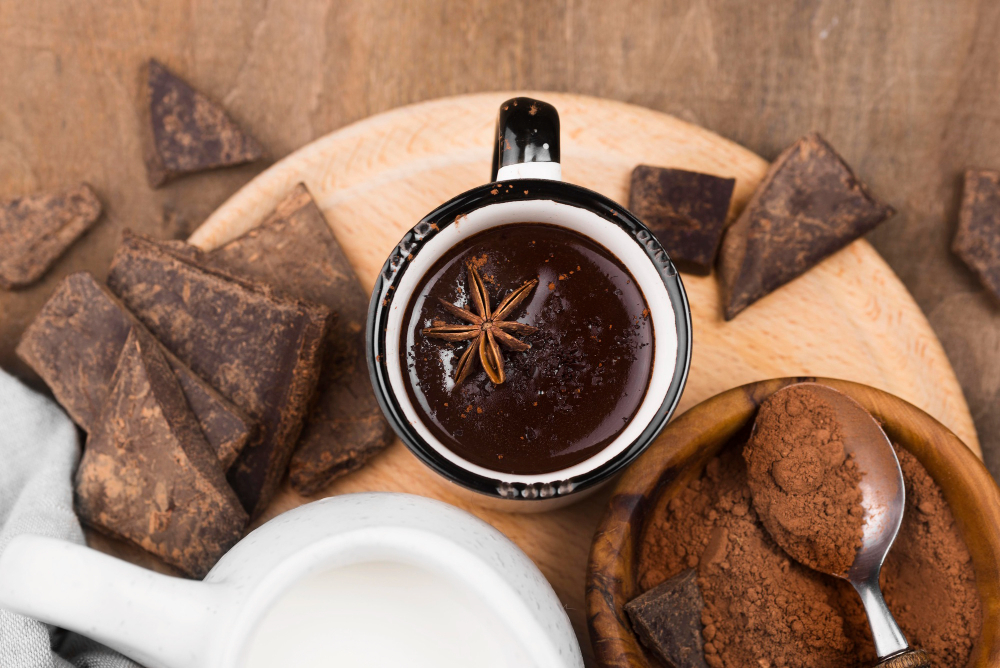
Mexican cuisine is celebrated around the world for its vibrant flavours, colourful ingredients, regional diversity, and deep connection with history and culture. While tacos, tamales, enchiladas, and mole often receive international attention, Mexico also has a remarkable tradition of warm beverages that are closely connected with family gatherings, festivals, celebrations, and everyday comfort. Among these drinks, Champurrado holds a special place. Rich, warm, thick, and chocolatey, Mexican Champurrado is much more than a sweet beverage. It represents an important part of Mexico’s culinary heritage and reflects the country’s long relationship with maize and cacao.
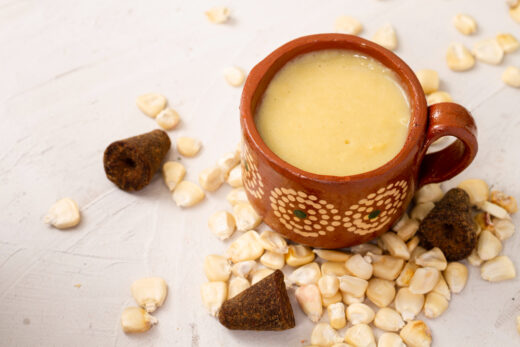
Champurrado is traditionally prepared using masa harina or fresh corn masa, Mexican chocolate, water or milk, and a sweetener such as piloncillo. Spices, particularly cinnamon, are often added to give the drink its distinctive aroma and warmth. The combination produces a thick beverage with a texture that sets it apart from ordinary hot chocolate. Its earthy corn character blends with the deep flavour of chocolate, creating a comforting drink that is especially popular during cooler weather and festive occasions.
The history of Champurrado is closely connected with Indigenous Mexican food traditions and the importance of maize and cacao in Mesoamerican cultures. Over generations, the beverage evolved through changing ingredients and cooking practices while retaining its connection to traditional Mexican cuisine. Today, Champurrado continues to be enjoyed throughout Mexico and in Mexican communities around the world.
What Is Champurrado?
Champurrado is a traditional Mexican hot chocolate beverage thickened with corn masa. Unlike conventional hot chocolate, which generally relies on cocoa powder or melted chocolate combined with milk, Champurrado gets its characteristic body from maize. The masa creates a smooth yet substantial consistency, making the drink feel almost like a light porridge while remaining firmly within the category of a beverage.
The basic preparation involves heating liquid with masa and gradually incorporating chocolate and sweetener. Cinnamon and other spices can be used to enhance the flavour. The mixture is traditionally stirred continuously so that the masa dissolves properly and the drink develops an even texture. The result is a warm, fragrant beverage with a rich brown colour and a naturally thick consistency.
The balance between corn, chocolate, sweetness, and spice is one of the defining characteristics of Champurrado. Depending on the region, household, or recipe, the proportions can vary considerably. Some versions are especially chocolate-forward, while others allow the flavour of maize and cinnamon to play a more prominent role.
The Indigenous Roots of Champurrado
To understand Champurrado, it is important to look at the culinary traditions that existed in Mexico long before modern borders and contemporary recipes. Maize and cacao were both important foods in Mesoamerican societies, and beverages made from these ingredients have a long history.
Maize was fundamental to Indigenous Mexican cultures and was used in numerous forms, from tortillas and tamales to porridges and beverages. The transformation of maize through traditional preparation methods made it an exceptionally versatile ingredient. Cacao, meanwhile, was valued for its distinctive flavour and was used in beverages and ceremonial contexts by several Mesoamerican cultures.
Traditional cacao drinks were not necessarily sweet in the modern sense. They could include spices, herbs, maize, and other ingredients, producing complex flavours that differed greatly from today’s commercial hot chocolate. The combination of cacao and maize therefore has deep culinary roots in the region.
Champurrado represents part of this broader tradition. Although the modern drink has developed over centuries and has been influenced by ingredients introduced after European contact, its fundamental connection to maize and cacao reflects the enduring influence of Indigenous Mexican food culture.
The Importance of Maize in Mexican Cuisine
Maize is one of the most important ingredients in Mexican culinary history. It has shaped the country’s food traditions for thousands of years and continues to be central to everyday meals. From tortillas and tamales to atole and Champurrado, maize appears in an extraordinary variety of preparations.
In Champurrado, maize does more than contribute flavour. It also provides the beverage’s characteristic thickness. Masa is mixed into the liquid and cooked until the starches produce a smooth, substantial consistency. This distinguishes Champurrado from many other chocolate beverages.
The use of maize also demonstrates how traditional Mexican cuisine makes efficient use of familiar ingredients. Instead of relying on modern thickeners, traditional cooks can create body and texture through masa. This connection between ingredient, technique, and culinary identity is one reason Champurrado remains culturally significant.
Chocolate and Cacao in Champurrado
Chocolate is the other defining ingredient of Champurrado. Mexican chocolate traditionally has a flavour profile that can include cacao, sugar, cinnamon, and sometimes other spices. When incorporated into the hot masa mixture, it gives Champurrado its characteristic chocolate aroma and deep flavour.
Mexican chocolate differs from many Western-style chocolate products because it is often designed specifically for beverages and traditional cooking. Its texture can be somewhat grainy compared with highly refined chocolate, and the presence of cinnamon or other spices contributes to its distinctive character.
In Champurrado, chocolate works particularly well with maize because the earthy flavour of the corn provides a natural contrast to the richness of cacao. Sweetness then brings the flavours together, while cinnamon adds aromatic warmth.
The quality and quantity of chocolate can vary from one recipe to another. Some households prefer a relatively mild chocolate flavour, while others create a darker and richer beverage. This flexibility is part of the charm of traditional recipes, which are often adapted according to personal and family preferences.
Traditional Ingredients Used in Champurrado
Although recipes vary, traditional Champurrado generally revolves around a small group of important ingredients. Masa or masa harina provides the thickening element, while Mexican chocolate creates the central flavour. Water, milk, or a combination of both forms the liquid base.
Piloncillo is another traditional ingredient frequently associated with Champurrado. This unrefined cane sugar has a deep, caramel-like flavour that contributes more complexity than ordinary refined sugar. Depending on the recipe, however, other sweeteners may also be used.
Cinnamon is one of the most recognizable spices associated with the beverage. It contributes a warm fragrance that complements both chocolate and corn. Some recipes may include additional spices or flavourings, but the traditional combination of maize, chocolate, sweetener, and cinnamon remains at the heart of the drink.
Modern versions can also use plant-based milk, additional spices, vanilla, or different forms of chocolate. These adaptations allow Champurrado to fit contemporary dietary preferences while maintaining its traditional character.
How Traditional Champurrado Is Prepared
The preparation of Champurrado is relatively simple, but technique plays an important role in achieving the right texture. The masa is first incorporated into liquid, often with care taken to prevent lumps from forming. If masa harina is used, it is generally mixed with water before being added to the main cooking liquid.
The mixture is then heated gradually while being stirred. This continuous movement is important because the masa thickens as it cooks. Once the mixture begins to develop a smooth consistency, chocolate and sweetener can be incorporated.
Cinnamon is commonly added during cooking so that its aroma can infuse the beverage. The mixture is allowed to simmer gently until the ingredients are fully combined and the desired thickness has been reached.
Traditional preparation often involves patience rather than high heat. Cooking the drink slowly allows the flavours to develop while giving the masa enough time to create its characteristic texture. The final Champurrado should be thick and smooth but still pourable.
The Unique Texture of Champurrado
Texture is one of the most distinctive features of Champurrado. Someone encountering the drink for the first time might expect it to resemble ordinary hot chocolate, but its consistency is noticeably different. The addition of maize gives it a thicker and more substantial body.
This texture makes Champurrado particularly satisfying during colder weather. Instead of being simply a warm drink, it can feel almost like a light, comforting meal. The thick consistency also allows the chocolate and cinnamon flavours to linger on the palate.
The texture can be adjusted according to preference. More masa creates a thicker beverage, while additional liquid produces a lighter consistency. Traditional cooking is therefore flexible, allowing families to develop their own preferred version over time.
Champurrado and Mexican Breakfast Traditions
Champurrado is often associated with breakfast and morning meals, particularly when served alongside traditional Mexican foods. Its warmth and richness make it a natural companion to tamales, sweet breads, and other breakfast dishes.
The combination of Champurrado and tamales is especially well known. The creamy, chocolate-rich beverage contrasts with the savoury or sweet flavours of tamales and creates a filling and comforting meal. This pairing is particularly common during celebrations and seasonal gatherings.
For many people, the appeal of Champurrado goes beyond flavour. A cup of the beverage can evoke memories of family kitchens, early mornings, holidays, and gatherings with relatives. Traditional foods frequently become part of personal identity in this way, carrying memories from one generation to another.
Champurrado During Mexican Celebrations
Champurrado is strongly connected with celebrations and communal occasions. It is especially associated with festive periods in Mexico, when families and communities gather to share traditional foods and drinks.
The beverage is commonly enjoyed during the Christmas season and other celebrations, when warm food and drinks become part of large family gatherings. It may also appear at community events, festivals, and other occasions where traditional Mexican cuisine is served.
Its connection with celebrations demonstrates how food can function as more than nourishment. A traditional beverage such as Champurrado can become part of a cultural ritual, creating a shared experience among family members and communities.
Champurrado and Día de los Muertos
Champurrado can also be found within the broader food traditions associated with Día de los Muertos, or Day of the Dead. Mexican celebrations surrounding this occasion often involve preparing foods and beverages connected with family heritage and remembrance.
Food plays an important role in creating an atmosphere of hospitality and remembrance during the festivities. Traditional beverages can accompany breads, tamales, fruits, sweets, and other foods prepared for family gatherings or offerings.
The presence of Champurrado in these culinary traditions illustrates how recipes can connect everyday life with cultural memory. Preparing a familiar beverage can become a way of preserving traditions and maintaining a connection between generations.
Regional and Family Variations
There is no single recipe that represents every cup of Champurrado. Like many traditional dishes, it changes from region to region and household to household. Differences may involve the type of chocolate used, the amount of masa, the sweetener, the liquid base, and the spices.
Some families prepare a particularly thick version, while others prefer something closer to a drinkable hot chocolate. Milk can produce a creamier result, whereas water allows the corn and chocolate flavours to remain more prominent.
The sweetness can also vary. Piloncillo provides a distinctive depth, but other forms of sugar may be used. Cinnamon is common, although individual recipes may introduce additional flavourings.
These variations should not be viewed as inconsistencies. They are evidence of how culinary traditions remain alive. Recipes passed through families are often adjusted according to local ingredients, personal preferences, and changing circumstances.
Champurrado in Mexican-American Communities
As Mexican communities have grown throughout the United States and other parts of the world, Champurrado has travelled with them. Mexican-American families and restaurants have helped introduce the beverage to new audiences while preserving many traditional preparation methods.
In some communities, Champurrado is especially visible during winter celebrations, Christmas gatherings, festivals, and cultural events. It can also be found at Mexican bakeries and restaurants, where it is served alongside pan dulce and other traditional foods.
This international presence demonstrates how food can preserve cultural identity across borders. A traditional drink prepared in a modern city can still carry the flavours and memories associated with generations of Mexican culinary history.
Champurrado Compared With Mexican Atole
Champurrado belongs to the wider family of Mexican atole beverages. Atole is traditionally a warm, thick drink made with maize, and it can be prepared with a variety of flavours.
Champurrado can be understood as a chocolate-based style within this broader tradition. The defining presence of cacao or chocolate gives it a distinctive character, while the maize-based preparation provides its characteristic body.
Other atole varieties may use fruits, nuts, vanilla, spices, or other flavourings. This diversity demonstrates the versatility of maize in Mexican beverage traditions. Champurrado stands out because the combination of chocolate and corn creates a particularly rich and recognizable flavour.
Why Champurrado Remains Popular Today
Despite the availability of instant hot chocolate, coffee, packaged beverages, and countless modern drinks, Champurrado continues to have a place in contemporary Mexican food culture. One reason is its connection with tradition.
Modern consumers are increasingly interested in foods that have cultural histories and recognizable ingredients. Champurrado offers both. Its preparation is rooted in traditional techniques, while its combination of chocolate, cinnamon, and corn makes it accessible to people who may be unfamiliar with Mexican cuisine.
The beverage also fits naturally into modern interest in comfort foods. Its warmth, richness, and aroma make it particularly appealing during colder months. At the same time, the basic recipe can be adapted for different dietary needs without completely changing its identity.
Vegetarian Appeal of Champurrado
Traditional Champurrado is naturally suitable for vegetarian diets when prepared with plant-based ingredients. The core components—maize, chocolate, cinnamon, sweetener, and water—are plant-based. When milk is used, it can be replaced with options such as oat, almond, soy, or other plant-based alternatives.
This adaptability makes Champurrado an appealing choice for people looking for traditional vegetarian beverages. However, ingredients should always be checked individually because commercially prepared chocolate products or other additions may vary.
The drink’s naturally substantial texture also means that it can feel satisfying without requiring animal-derived ingredients. This makes it possible to enjoy a culturally significant Mexican beverage while following a vegetarian lifestyle.
A Symbol of Comfort and Culinary Heritage
One of the most important qualities of Champurrado cannot be measured through ingredients alone. The drink represents comfort, hospitality, family, and continuity. A traditional recipe can connect a person with childhood memories, relatives, celebrations, and familiar places.
The act of preparing Champurrado also reflects the importance of shared food traditions. Someone learning to make it from a parent or grandparent is not simply learning a recipe. They are learning a technique, a flavour preference, and a piece of cultural history.
This is one reason traditional foods remain relevant even as cooking styles change. A dish or beverage survives not only because it tastes good but because people attach meaning to it.
The Global Interest in Traditional Mexican Beverages
Global interest in Mexican cuisine has expanded significantly, creating greater awareness of dishes and beverages beyond the most internationally recognized foods. Champurrado fits naturally into this broader exploration.
For international food enthusiasts, it offers an opportunity to experience a combination of ingredients that may be less familiar outside Mexico. Corn and chocolate are both widely known, but using masa to create a thick chocolate beverage introduces a different understanding of how these ingredients can work together.
Traditional beverages such as Champurrado also remind consumers that culinary exploration should extend beyond restaurant menus and popularized dishes. Every culture contains lesser-known foods with stories, techniques, and regional variations worth discovering.
Conclusion
Mexican Champurrado is much more than a chocolate-based hot drink. It is a traditional beverage shaped by the long culinary history of maize and cacao in Mexico. Its thick texture, rich chocolate flavour, warm cinnamon aroma, and comforting sweetness make it distinctive, while its connection to family gatherings and celebrations gives it cultural importance.
The beverage demonstrates how traditional Mexican cuisine combines simple ingredients with thoughtful preparation techniques. Masa provides structure, chocolate brings depth, sweetener adds richness, and cinnamon contributes warmth. Together, these ingredients create a drink that is both familiar and unique.
From traditional kitchens in Mexico to Mexican communities around the world, Champurrado continues to represent the ability of food to preserve memory and cultural identity. Its enduring popularity shows that traditional recipes can remain meaningful even in a rapidly changing food culture. Whether enjoyed with tamales during a festive gathering, shared with family on a cold morning, or discovered by someone experiencing Mexican cuisine for the first time, Champurrado remains a warm and flavorful expression of Mexican culinary heritage.
Online Internship with Certificate
You may be interested
French Clafoutis: A Simple Yet Elegant Fruit Dessert
Anshika Jain - September 16, 2026French cuisine is often associated with sophisticated techniques, carefully balanced flavours, and beautifully presented dishes, but some of its most beloved desserts are surprisingly simple. Clafoutis is…
Indonesian Es Cendol: A Refreshing Traditional Sweet Drink
Anshika Jain - September 16, 2026Indonesian Es Cendol is a refreshing traditional dessert drink that brings together chewy green rice-flour jelly, creamy coconut milk, sweet palm sugar syrup, and plenty of crushed…
Pavlova: The Light and Elegant Meringue-Based Dessert
Anshika Jain - September 16, 2026Pavlova is one of the most visually striking desserts in the world of baking. With its crisp white exterior, soft marshmallow-like centre, clouds of whipped cream, and…
Most from this category
Arancini: Italy’s Golden Rice Balls Filled with Tradition and Flavour
Anshika Jain - September 15, 2026
Tangyuan: The Traditional Chinese Rice Balls Symbolising Family and Togetherness
Anshika Jain - September 15, 2026Horchata: Exploring the Sweet and Refreshing Traditional Drink
Anshika Jain - September 16, 2026Atakilt Wat: Exploring Ethiopia’s Flavourful Vegetable Stew
Anshika Jain - September 15, 2026Arancini: Italy’s Golden Rice Balls Filled with Tradition and Flavour
Anshika Jain - September 15, 2026
French Clafoutis: A Simple Yet Elegant Fruit Dessert
September 16, 2026
Indonesian Es Cendol: A Refreshing Traditional Sweet Drink
September 16, 2026
Pavlova: The Light and Elegant Meringue-Based Dessert
September 16, 2026
Horchata: Exploring the Sweet and Refreshing Traditional Drink
September 16, 2026

Leave a Comment