

Indonesian Es Cendol: A Refreshing Traditional Sweet Drink

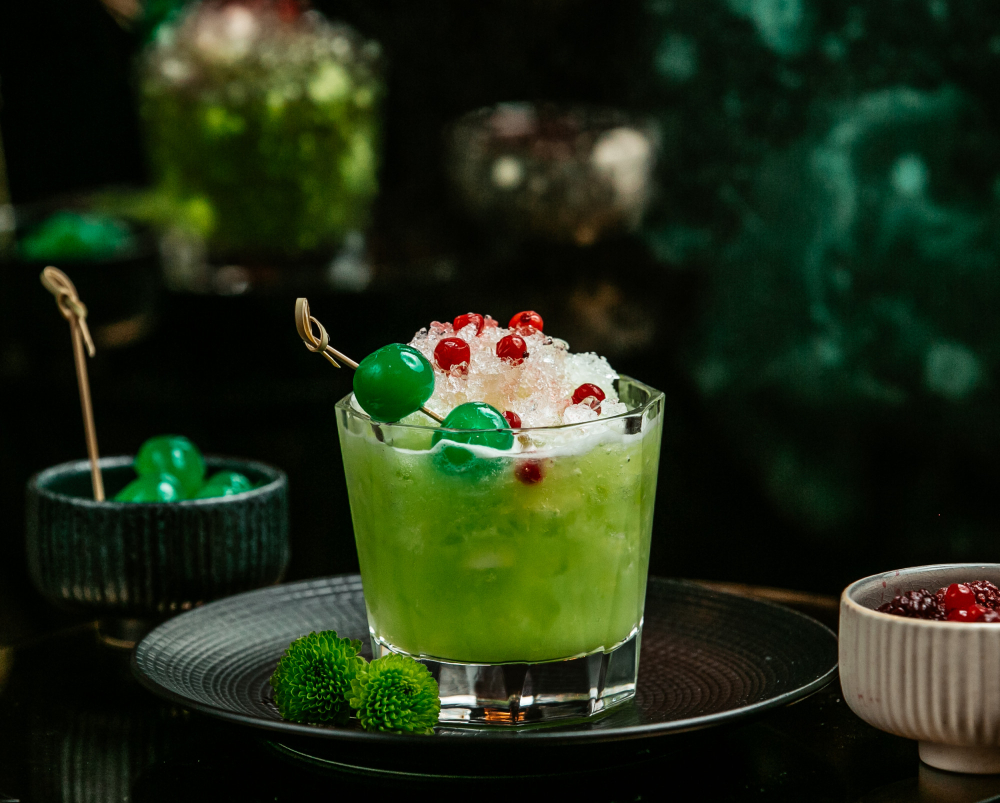
Indonesian Es Cendol is a refreshing traditional dessert drink that brings together chewy green rice-flour jelly, creamy coconut milk, sweet palm sugar syrup, and plenty of crushed or shaved ice. Popular across Indonesia and widely enjoyed in Southeast Asia, this colourful beverage is known for its contrasting textures, balanced sweetness, and cooling character. The word “es” means ice in Indonesian, while “cendol” refers to the small green jelly-like strands that form the defining ingredient of the drink. Together, these components create a dessert that is both visually attractive and deeply connected to Southeast Asian culinary traditions.
Unlike many Western desserts that are served as cakes, pastries, or puddings, Es Cendol demonstrates how a sweet course can also take the form of a chilled beverage. It is commonly enjoyed as a midday refreshment, an afternoon treat, or a dessert after a meal. Its appeal comes from the interaction of several simple ingredients. The coconut milk provides a smooth and creamy base, palm sugar adds a rich caramel-like sweetness, the cendol jelly contributes a soft and pleasantly chewy texture, and ice gives the drink its refreshing quality.
Es Cendol is also an excellent example of the diversity of Indonesian cuisine. Indonesia is made up of many islands and cultural communities, each with its own food traditions. As a result, cendol and similar iced desserts appear in different regional forms, with variations in ingredients, preparation methods, names, and serving styles. Exploring Es Cendol therefore offers more than an introduction to a popular dessert; it provides a glimpse into the ingredients, climate, traditions, and culinary creativity of Southeast Asia.
What Is Es Cendol?
Es Cendol is a chilled Indonesian dessert made by combining cendol jelly with coconut milk, palm sugar syrup, and ice. The cendol itself consists of small, soft strands or droplets made traditionally from a starch-based mixture. These pieces are usually green and have a distinctive smooth, chewy texture. When served in a glass or bowl, the green cendol creates an attractive contrast with the pale coconut milk and dark brown palm sugar syrup.
The drink is usually assembled in layers or mixed together shortly before consumption. Ice is added generously because the dessert is intended to be cold and refreshing. Palm sugar syrup flows through the coconut milk, creating a sweet and aromatic mixture, while the cendol settles throughout the drink and provides something substantial to chew.
Although the ingredients are relatively straightforward, the final experience is complex. Es Cendol combines sweetness, creaminess, fragrance, coldness, and texture in one serving. This combination has helped it remain popular for generations.
The History and Cultural Background of Cendol
The precise origins of cendol and its various regional forms are difficult to trace to one specific person or location. Cendol-like desserts have a long history in Southeast Asia, where rice, coconut, palm sugar, and other tropical ingredients have traditionally played important roles in local cuisines. Similar preparations can be found across countries including Indonesia, Malaysia, Singapore, Brunei, and parts of Thailand.
In Indonesia, cendol became closely associated with traditional markets, street food culture, family celebrations, and everyday refreshments. Its ingredients are particularly suited to the tropical climate. Coconut milk and palm sugar are widely used in Indonesian cooking, while rice-based starches provide an accessible foundation for the chewy jelly.
The dessert’s cultural importance is also reflected in the way it appears at different types of gatherings. Cendol may be sold by street vendors, prepared at home, served during festive occasions, or offered at restaurants specializing in Indonesian cuisine. Its accessibility has allowed it to exist comfortably between everyday street food and traditional celebratory cuisine.
The Meaning of “Es” and “Cendol”
Understanding the name makes the dessert easier to appreciate. In Indonesian, “es” refers to ice or something served iced, while “cendol” refers to the distinctive jelly pieces used in the preparation. The name therefore directly communicates the nature of the dessert.
Cendol itself is typically recognized by its small green strands or worm-like pieces. Their appearance is created during preparation by pushing the cooked starch mixture through a perforated tool or similar method into cold water. The resulting pieces develop their characteristic shape and texture.
The green colour traditionally comes from natural plant-based colouring, particularly pandan leaves or pandan extract. Pandan is an important aromatic ingredient in many Southeast Asian desserts and contributes a gentle fragrance that complements coconut milk and palm sugar.
The Essential Ingredients of Es Cendol
The beauty of Es Cendol lies in the simplicity of its main ingredients. Cendol jelly forms the central component, providing the drink with its distinctive texture. Traditionally, it is made using rice flour or other starches mixed with water and natural colouring. Some modern preparations may use different starch combinations to achieve variations in firmness and chewiness.
Coconut milk is another essential ingredient. Its creamy consistency softens the sweetness of the palm sugar and gives the dessert a rich mouthfeel. Fresh coconut milk can provide an especially fragrant flavour, although commercially prepared coconut milk is also commonly used for convenience.
Palm sugar is responsible for much of the dessert’s characteristic sweetness. Unlike refined white sugar, palm sugar has a deeper flavour with caramel, smoky, and earthy notes. It is generally melted with water to produce a syrup that can be poured over the cendol and coconut milk.
Ice completes the traditional combination. Crushed or shaved ice chills the dessert and gradually dilutes the concentrated sweetness as it melts. This is particularly appropriate for Indonesia’s warm climate, where cold beverages and desserts are naturally popular.
Pandan may also be used to add fragrance. Its subtle aroma gives the dessert an unmistakable Southeast Asian character without overpowering the coconut and palm sugar.
How Cendol Jelly Is Made
Preparing the cendol jelly is one of the most distinctive parts of making Es Cendol. A starch-based mixture is combined with water and often pandan colouring or extract. The mixture is cooked while being stirred until it thickens into a dense, smooth paste.
The hot mixture is then shaped into small strands. Traditionally, this can involve pressing it through a perforated container or cendol mould into a bowl of cold water. As the strands enter the cold water, they firm up and retain their characteristic shape.
The process requires attention to consistency. If the mixture is too thin, the cendol may not hold its shape. If it is excessively thick, creating smooth strands becomes difficult. The finished cendol should be tender and slightly chewy rather than hard.
This preparation demonstrates how traditional cooks can transform a basic starch into a distinctive ingredient using simple techniques. The result is an element that gives Es Cendol much of its identity.
The Importance of Palm Sugar
Palm sugar is one of the ingredients that gives Es Cendol its distinctive flavour. Made from the sap of certain palm trees, palm sugar has been used across Southeast Asian cuisines for generations. Its flavour is more complex than that of ordinary refined sugar, with rich caramel-like and sometimes slightly smoky notes.
For Es Cendol, palm sugar is usually turned into a syrup by heating it with water. The syrup should have enough concentration to provide sweetness without becoming excessively thick. When poured over the cendol and coconut milk, it creates beautiful dark ribbons that contrast with the pale base.
The palm sugar also balances the relatively mild flavours of coconut milk and cendol. Without the syrup, the dessert would lack much of its characteristic depth. Its sweetness is therefore not merely an addition but a fundamental part of the overall flavour structure.
Coconut Milk and Its Creamy Character
Coconut milk gives Es Cendol its smooth and creamy character. It also contributes a gentle tropical aroma that works naturally with palm sugar and pandan. The richness of coconut milk provides a contrast to the cold ice and chewy cendol.
The quality and concentration of coconut milk can significantly affect the final drink. A richer coconut milk produces a more luxurious dessert, while a lighter version creates a thinner and more refreshing beverage. Some preparations may also include a small amount of salt to balance the sweetness and bring out the flavours.
This combination of coconut and palm sugar is common throughout Southeast Asian dessert traditions. Together, they form a flavour pairing that is both traditional and highly adaptable.
Why Pandan Is Important
Pandan is often described as one of the signature aromas of Southeast Asian desserts. Its fragrance can be delicate, sweet, grassy, and slightly floral. In cendol, pandan serves two purposes: it can contribute the familiar green colour of the jelly and add an aromatic quality.
Pandan is also used in the preparation of palm sugar syrup or coconut milk in some versions. The resulting dessert has a more pronounced fragrance without becoming heavily flavoured.
The use of natural ingredients such as pandan illustrates the relationship between Indonesian desserts and local plants. Instead of relying entirely on artificial flavours or colours, traditional recipes often use ingredients that have been readily available within the region.
The Balance of Flavours and Textures
One of the strongest characteristics of Es Cendol is its contrast. The drink contains several components that behave differently in the mouth. The cendol is soft and chewy, the coconut milk is smooth and creamy, the palm sugar syrup is thick and intensely sweet, and the ice is cold and crisp.
This contrast prevents the dessert from feeling one-dimensional. Each spoonful can contain multiple elements, producing a changing combination of flavours and textures. The mild coconut milk balances the richness of the palm sugar, while the ice provides relief from the sweetness.
The dessert is therefore an example of how traditional food can achieve complexity without requiring complicated ingredients. Its sophistication comes from proportion, texture, temperature, and flavour balance.
Es Cendol and Indonesian Street Food Culture
Cendol has an important place within Indonesian street food culture. It can often be found at traditional markets, food stalls, roadside vendors, and local celebrations. Vendors may prepare the components in advance and assemble the dessert when customers order it.
Street food is an important part of Indonesian culinary life because it makes regional flavours accessible to a broad population. Es Cendol fits naturally into this environment because its ingredients can be prepared in larger quantities and combined quickly for serving.
The visual appeal of the dessert also makes it attractive at markets. Green cendol, white coconut milk, dark palm sugar syrup, and translucent ice create a colourful presentation that immediately communicates freshness and sweetness.
Regional and Modern Variations
Although the classic combination remains popular, cendol-based desserts have developed many variations throughout Southeast Asia. Different regions may use different starches, sweeteners, toppings, or methods of serving. Some versions are thicker and more dessert-like, while others are served primarily as drinks.
Modern restaurants and home cooks may experiment with ingredients such as jackfruit, sweetened red beans, durian, grass jelly, or other regional toppings. These additions can create new combinations while maintaining the essential relationship between cendol, sweetness, creaminess, and ice.
Contemporary versions may also be presented in transparent glasses, dessert bowls, or layered cups. The visual presentation has become particularly important as traditional foods are introduced to new audiences through restaurants and social media.
Es Cendol as a Vegetarian Dessert
Es Cendol is naturally appealing to vegetarian diners because its traditional ingredients do not require meat or seafood. The dessert is primarily based on starch, coconut milk, palm sugar, pandan, and ice. This makes it a refreshing option for people seeking vegetarian desserts.
The use of coconut milk also means that traditional Es Cendol does not depend on dairy cream for richness. This gives it a distinctly plant-based character, although the exact ingredients should always be checked when purchasing commercially prepared versions because recipes can vary.
Its colourful appearance, refreshing temperature, and combination of natural ingredients make Es Cendol particularly suitable for vegetarian menus and tropical-themed dessert selections.
Nutritional Considerations
Es Cendol is primarily a sweet dessert, so it is best understood as an occasional treat rather than a complete nutritional meal. Its main sources of energy generally come from palm sugar and the carbohydrate-rich cendol. Coconut milk contributes fat and gives the dessert its creamy texture.
The nutritional composition can vary considerably depending on portion size, the amount of syrup used, the concentration of coconut milk, and additional toppings. A homemade version can be adjusted according to individual preferences, including the level of sweetness and quantity of coconut milk.
Fresh ingredients and moderate portions can make the dessert part of a balanced eating pattern. As with other sweet dishes, the overall dietary context is more important than viewing Es Cendol in isolation.
Why Es Cendol Remains Popular
Es Cendol has survived across generations because it combines familiarity with adaptability. Its core ingredients are deeply connected to Southeast Asian food culture, yet the dessert can easily be modified for modern tastes.
Its refreshing quality is particularly important. In a tropical environment, a cold dessert containing ice can be both satisfying and cooling. The sweetness provides quick energy, while coconut milk and cendol give the drink substance.
Cendol also carries a strong sense of nostalgia for many people who grew up eating it at markets, family gatherings, or local food stalls. Traditional foods often become connected to memories, celebrations, and places, allowing them to retain cultural importance even as food preferences change.
Es Cendol in the Modern Culinary World
As international interest in Southeast Asian cuisine continues to grow, Es Cendol has found audiences beyond Indonesia and neighbouring countries. Restaurants specializing in Indonesian, Malaysian, Singaporean, and broader Southeast Asian cuisines increasingly introduce diners to cendol-based desserts.
Food photography and social media have also helped introduce the dessert to people who may never have encountered it before. Its vibrant green jelly, dark palm sugar syrup, creamy coconut milk, and ice create a visually distinctive presentation.
Modern chefs may reinterpret cendol through plated desserts, refined presentations, frozen variations, and new flavour combinations. These adaptations demonstrate that traditional foods can evolve without losing their cultural identity.
How to Enjoy Es Cendol
Es Cendol is traditionally enjoyed cold and is best consumed soon after assembly. As the ice begins to melt, it combines with the coconut milk and palm sugar syrup, creating a refreshing mixture that can be eaten with a spoon or enjoyed as a thick dessert drink.
The experience is particularly satisfying when the ingredients are well balanced. Too much syrup can overwhelm the coconut and pandan, while too much ice can dilute the flavour. A good serving allows the cendol, coconut milk, palm sugar, and ice to remain distinct while working together.
It can be enjoyed as an afternoon refreshment, a dessert after a meal, or a cooling treat during warm weather. Its versatility is one reason it continues to appear in both traditional and modern food settings.
Conclusion
Indonesian Es Cendol is a remarkable example of how simple ingredients can create a dessert with complex flavour, texture, and cultural meaning. Its combination of chewy green cendol, creamy coconut milk, fragrant pandan, rich palm sugar syrup, and refreshing ice creates an experience that is both satisfying and distinctive.
More than just a sweet drink, Es Cendol reflects the culinary traditions of Indonesia and the wider Southeast Asian region. Its ingredients tell a story of tropical agriculture, traditional cooking techniques, local markets, and generations of food culture. The dessert’s connection to street food and family traditions has helped preserve its popularity, while modern interpretations continue to introduce it to new audiences.
For vegetarian food enthusiasts, Es Cendol offers an especially interesting dessert because its traditional foundation is free from meat and seafood and relies heavily on plant-based ingredients. Its adaptability also allows cooks and chefs to experiment with flavours, toppings, presentation, and sweetness while maintaining the essential character of the dish.
Ultimately, Es Cendol represents the beauty of Southeast Asian dessert culture: refreshing, colourful, aromatic, texturally interesting, and deeply rooted in tradition. Whether enjoyed from a traditional market stall or presented in a contemporary restaurant, this Indonesian iced dessert continues to demonstrate how culinary heritage can remain vibrant while evolving with changing tastes.
Online Internship with Certificate
You may be interested
French Clafoutis: A Simple Yet Elegant Fruit Dessert
Anshika Jain - September 16, 2026French cuisine is often associated with sophisticated techniques, carefully balanced flavours, and beautifully presented dishes, but some of its most beloved desserts are surprisingly simple. Clafoutis is…
Mexican Champurrado: The Traditional Chocolate-Based Beverage
Anshika Jain - September 16, 2026Mexican cuisine is celebrated around the world for its vibrant flavours, colourful ingredients, regional diversity, and deep connection with history and culture. While tacos, tamales, enchiladas, and…
Pavlova: The Light and Elegant Meringue-Based Dessert
Anshika Jain - September 16, 2026Pavlova is one of the most visually striking desserts in the world of baking. With its crisp white exterior, soft marshmallow-like centre, clouds of whipped cream, and…
Most from this category
Arancini: Italy’s Golden Rice Balls Filled with Tradition and Flavour
Anshika Jain - September 15, 2026
Tangyuan: The Traditional Chinese Rice Balls Symbolising Family and Togetherness
Anshika Jain - September 15, 2026Horchata: Exploring the Sweet and Refreshing Traditional Drink
Anshika Jain - September 16, 2026Atakilt Wat: Exploring Ethiopia’s Flavourful Vegetable Stew
Anshika Jain - September 15, 2026Arancini: Italy’s Golden Rice Balls Filled with Tradition and Flavour
Anshika Jain - September 15, 2026
French Clafoutis: A Simple Yet Elegant Fruit Dessert
September 16, 2026
Mexican Champurrado: The Traditional Chocolate-Based Beverage
September 16, 2026
Pavlova: The Light and Elegant Meringue-Based Dessert
September 16, 2026
Horchata: Exploring the Sweet and Refreshing Traditional Drink
September 16, 2026

Leave a Comment