

Neyyappam: Kerala’s Ghee-Fried Rice Sweet With a Deep Caramelised Edge

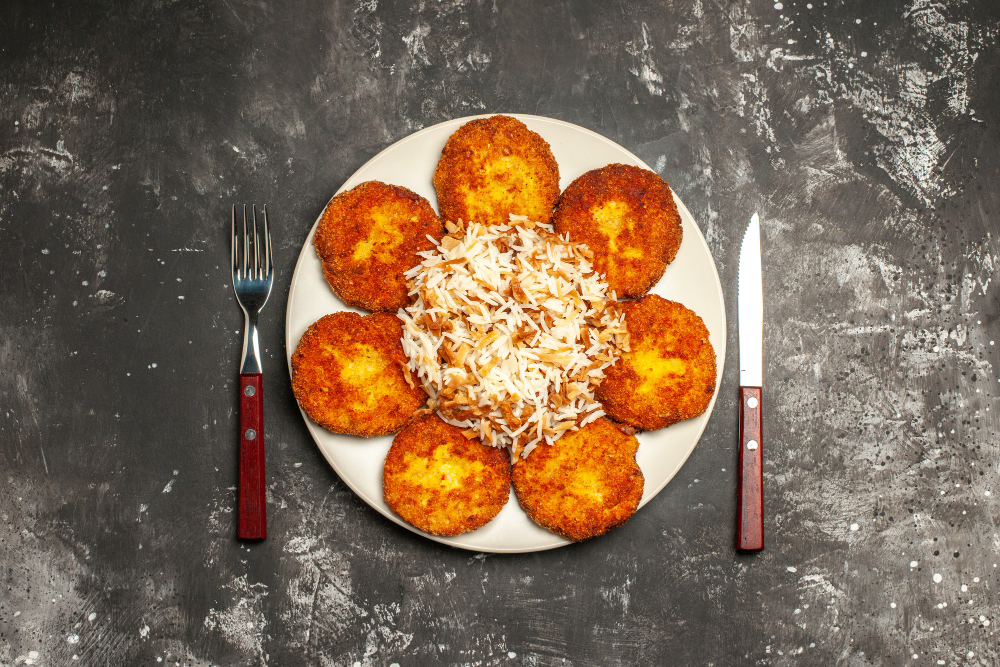
Kerala’s culinary identity is shaped by coconut, rice, jaggery, aromatic spices, and cooking traditions passed down through generations. Among its many traditional sweets, Neyyappam holds a special place for its distinctive flavour, soft interior, and deeply caramelised exterior. Made primarily from rice flour or ground rice, jaggery, banana, and ghee, this small, round sweet is fried until its edges develop a rich brown colour and its surface acquires an inviting aroma. The result is a treat that balances sweetness, a gentle hint of spice, and the nutty fragrance of clarified butter.
Neyyappam is more than a dessert served after a meal. It is associated with home cooking, festive occasions, temple traditions, and the everyday food culture of Kerala. Its ingredients are relatively simple, but the final texture depends on careful preparation. The consistency of the batter, the ripeness of the banana, the quality of the jaggery, and the temperature of the ghee can all influence whether the finished sweet becomes soft and tender or develops a pleasantly crisp, caramelised edge.
Although recipes vary between households and regions, the essential character of Neyyappam remains recognisable. It is a rice-based sweet transformed by jaggery and frying into something deeply aromatic, making it an enduring example of how traditional Indian cooking creates complex flavours from familiar ingredients.
What Is Neyyappam?
Neyyappam is a traditional Kerala sweet generally prepared from a batter containing rice, jaggery, banana, and cardamom. The name is commonly understood through its Malayalam components: ney refers to ghee, while appam refers to a type of cake or pancake-like preparation. The name reflects the importance of ghee in its flavour and traditional preparation, although cooking methods and the amount of ghee used can differ.
Unlike baked cakes, Neyyappam is typically cooked by frying spoonfuls of batter in a small quantity of ghee or oil, often using a special appachatti or another suitable pan. The batter gradually sets as it cooks, producing a rounded sweet with a browned exterior. When prepared well, the centre remains soft and moist while the outside develops a slightly firm texture and a rich, caramel-like taste.
Neyyappam is sometimes compared with other South Indian appam preparations because of its name and rice-based ingredients. However, it should not be confused with every dish called appam. Kerala has several preparations with different batters, textures, cooking techniques, and serving traditions. Neyyappam is distinguished by its sweetened rice batter, jaggery-rich flavour, and characteristic fried finish.
The Ingredients Behind Its Distinctive Flavour
The appeal of Neyyappam comes from the interaction of a few basic ingredients. Rice provides the structure, jaggery gives sweetness and a deep flavour, banana contributes moisture, and ghee adds a rich aroma. Cardamom, coconut, sesame seeds, and small pieces of coconut may also appear in particular household recipes.
Rice: The Foundation of the Sweet
Rice is the principal structural ingredient in traditional Neyyappam. Some recipes use raw rice soaked and ground into a smooth or slightly textured paste, while others use rice flour for convenience. Ground rice can produce a characteristic texture that differs slightly from a preparation made entirely with commercial flour.
The consistency of the rice component is important because it determines how the batter spreads and how the sweet cooks. A batter that is too thin may produce flatter appams or absorb more frying fat, while a batter that is excessively thick may become dense or remain undercooked in the centre. The aim is a consistency that holds its shape while allowing the interior to cook evenly.
Jaggery: The Source of Deep Sweetness
Jaggery gives Neyyappam much of its distinctive colour and flavour. Made by concentrating sugarcane juice or, in some regions, palm-derived sap, jaggery contains sugars and other compounds that contribute a more complex taste than refined white sugar. Depending on its source and processing, it may have notes reminiscent of caramel, molasses, or toasted sugar.
For many traditional recipes, jaggery is dissolved in a little water and strained to remove unwanted particles before being mixed into the batter. This step helps distribute the sweetness more evenly and prevents impurities from affecting the finished texture.
As the batter cooks, the jaggery contributes to the darkened surface and the sweet, toasted aroma associated with Neyyappam. However, the final colour also depends on frying temperature and cooking time. Excessive heat can darken the exterior before the centre is properly cooked, so the caramelised finish requires control rather than simply using a high flame.
Banana: Moisture and Natural Sweetness
Ripe banana is frequently included to improve the batter’s softness and flavour. It adds moisture, natural sweetness, and a subtle fruity note that complements the jaggery. It can also help bind the ingredients, although the precise effect depends on the recipe and the type of rice used.
The ripeness of the banana matters. A well-ripened fruit is easier to mash and generally blends more smoothly into the batter. Its sweetness can also influence how much jaggery a cook chooses to use. Too much banana, however, may make the mixture excessively moist, which can affect the shape and cooking time of the appam.
Ghee and Cardamom: The Finishing Touches
Ghee contributes a rich, nutty fragrance that is central to the character suggested by the name Neyyappam. During frying, its aroma combines with the sweetness of jaggery and the fragrance of cardamom. The result is more complex than sweetness alone: the finished sweet can taste buttery, toasted, gently spiced, and caramelised.
Cardamom is commonly used to add warmth without overpowering the other ingredients. Some cooks add grated coconut or small coconut pieces for additional texture, while others include sesame seeds. These additions reflect household preferences rather than a single universal formula.
How Neyyappam Develops Its Caramelised Edge
The exterior of Neyyappam is one of its most appealing features. As the batter heats, moisture begins to evaporate, the starches set, and the sugars undergo changes that contribute to browning and flavour development. The combination of jaggery, heat, and frying creates a darker surface with a distinctive sweet aroma.
Caramelisation refers specifically to the heat-driven transformation of sugars. Browning in a food can also involve other reactions, including reactions between sugars and amino compounds. In Neyyappam, the final colour and flavour emerge from several overlapping processes, influenced by the ingredients, moisture, and cooking temperature.
The goal is to achieve an exterior that is well browned without becoming bitter or burnt. If the pan is too hot, the surface may darken rapidly while the centre remains raw or gummy. If the heat is too low, the appam may take too long to develop its characteristic exterior and can become greasy. Moderate, controlled heat gives the batter time to cook through while allowing the surface to develop its rich colour.
The balance between softness and browning is what makes a well-prepared Neyyappam distinctive. Its exterior provides a gentle contrast to the tender centre, while the toasted notes intensify the flavour of the jaggery and ghee.
The Traditional Preparation Method
Traditional Neyyappam preparation begins with the careful selection and preparation of the ingredients. When whole rice is used, it is typically washed, soaked, and ground with an appropriate amount of water. Jaggery is dissolved separately and strained, while ripe banana is mashed until smooth. These components are combined with cardamom and any additional ingredients included in the recipe.
The batter is mixed until the ingredients are evenly distributed. Depending on the method, it may be rested briefly to allow the rice to hydrate and the flavours to blend. Some recipes use a relatively smooth batter, while others retain a little texture. The ideal consistency depends on the ingredients and the cooking vessel.
A traditional appachatti can be used to shape the sweet, although a suitable small pan can also work. Ghee or another cooking fat is heated before a portion of batter is added. The appam cooks until its lower surface sets and browns, after which it is carefully turned to cook the other side. Once the centre is cooked and the exterior has developed the desired colour, the sweet is removed and allowed to drain briefly.
Successful preparation depends on observing the batter rather than following time alone. Differences in pan size, heat intensity, batter thickness, and moisture can change the cooking time. Testing a small portion first can help determine whether the batter needs adjustment or whether the pan temperature is suitable.
Common Mistakes That Affect Texture and Taste
One of the most common problems is using a batter with the wrong consistency. Excess water can make the appams spread and cook unevenly, while an overly thick mixture may produce dense sweets with an undercooked centre. Adjustments should be made gradually because the banana and jaggery mixture already contributes moisture.
Another problem is cooking over excessive heat. Since jaggery-rich batter browns readily, a very hot pan can create a dark exterior before the interior has set. Reducing the heat and allowing the appam to cook more gradually usually produces a better balance.
The choice of banana can also affect the outcome. An underripe banana may contribute less sweetness and may be harder to mash, whereas an extremely watery mixture can make the batter difficult to manage. Similarly, jaggery varies in moisture and flavour, meaning that the same recipe may behave differently with different varieties.
Finally, the cooking fat influences the aroma and texture. Ghee provides a characteristic flavour, but the quantity must be managed carefully. Excessive fat or an unsuitable temperature can produce an oily result. Attention to ingredient proportions and controlled frying generally matters more than adding extra ghee in pursuit of richness.
Neyyappam in Kerala’s Food Culture
Neyyappam belongs to a wider tradition of rice-based sweets and snacks that have developed across Kerala’s households and communities. Rice has long been a major component of the region’s food culture, while coconut, jaggery, and aromatic spices provide a distinctive flavour vocabulary. Neyyappam brings these familiar ingredients together in a preparation suited to celebrations as well as everyday enjoyment.
The sweet is associated with home kitchens, festive cooking, and religious contexts in parts of Kerala. Its place in these settings can vary by family, locality, and community. In some households, Neyyappam may be prepared for special occasions; in others, it is a familiar snack that can be made whenever the ingredients are available.
Traditional foods often carry significance beyond their ingredients. The process of soaking rice, preparing jaggery, mixing the batter, and frying each portion can be part of a shared domestic routine. Recipes may be learned through observation and practice, with details such as batter consistency and the preferred degree of browning passed from one generation to another.
This continuity helps explain why traditional sweets remain meaningful even as lifestyles change. A food such as Neyyappam connects contemporary kitchens with older methods of preparation while leaving room for individual preferences and adaptation.
How Neyyappam Differs From Other Indian Sweets
India has an extensive range of sweets prepared with rice, jaggery, milk, flour, coconut, and ghee. Neyyappam shares ingredients with many of them, but its cooking technique and final texture distinguish it from other preparations.
Compared with steamed rice cakes, Neyyappam develops a more pronounced fried exterior. Unlike syrup-soaked sweets, it generally derives its sweetness from jaggery mixed directly into the batter rather than from a separate sugar syrup added after cooking. Its flavour is also different from milk-based desserts, which often depend on the richness of dairy solids and the texture created through reduction.
It can be compared with other regional appam varieties, but similarities in naming should not obscure their differences. Some appams are fermented, some are steamed, and others are prepared with different proportions of rice, coconut, or other ingredients. Neyyappam’s defining combination is its sweet batter and its browned, fried finish.
These distinctions illustrate the diversity of Indian culinary traditions. Even when dishes share a basic ingredient, changes in preparation, local produce, and cooking methods can create markedly different foods.
Nutritional Considerations and Enjoying Neyyappam in Moderation
Neyyappam is an energy-dense sweet because it combines rice-based carbohydrates, jaggery, banana, and cooking fat. Its nutritional composition varies according to the recipe, serving size, amount of ghee or oil absorbed during frying, and the proportions of rice, banana, and jaggery used.
Jaggery is sometimes regarded as nutritionally superior to refined sugar because it may retain small quantities of minerals from its production process. However, it remains a concentrated source of sugar, and those trace minerals do not make a jaggery-based sweet equivalent to a nutrient-rich whole food. Similarly, banana contributes some nutrients, but its presence does not eliminate the sugar and energy content of the finished preparation.
For most people, Neyyappam can be enjoyed as an occasional treat within an overall balanced diet. Portion size and frequency are more meaningful than assuming that a traditional sweet is automatically healthy because it uses familiar or minimally processed ingredients. People managing specific dietary needs may wish to adjust the recipe or seek advice suited to their circumstances.
The objective is not to diminish the cultural value of traditional sweets but to understand them accurately. Neyyappam is appreciated primarily for its flavour, texture, and culinary heritage, and it can be enjoyed with an awareness of its ingredients.
Modern Variations and Changing Food Preferences
Although traditional preparation remains important, contemporary cooks have developed variations to suit different kitchens and preferences. Some use rice flour instead of soaking and grinding whole rice, while others adjust the amount of banana, include coconut pieces, or experiment with different types of jaggery. These changes can make the recipe easier to prepare or create a slightly different texture.
Cooking equipment also influences modern preparation. An appachatti is associated with traditional shaping, but small non-stick pans and other suitable cookware can be used when the heat is controlled carefully. Some cooks experiment with alternative cooking methods to reduce the amount of added fat. Although these versions may not reproduce the same exterior or aroma as conventional ghee-frying.
Such adaptations demonstrate how food traditions evolve without necessarily losing their identity. A variation may depart from a particular household’s preferred method. Yet still draw on the central combination of rice, jaggery, banana, and warm spice. Preserving a traditional recipe does not always mean refusing change. It can also mean understanding which characteristics make the dish recognisable and carrying those forward.
Conclusion: A Small Sweet With a Lasting Culinary Identity
Neyyappam demonstrates how a handful of ingredients can produce a sweet with remarkable depth of flavour. Rice provides the structure, jaggery contributes a rich sweetness. Banana helps create a tender interior, and ghee brings a fragrant finish. Carefully controlled frying transforms the batter into a rounded sweet with a browned exterior and a characteristic caramelised edge.
Its appeal extends beyond taste. Neyyappam reflects Kerala’s rice-based food traditions, the importance of household cooking, and the ways regional recipes preserve culinary knowledge across generations. Its preparation rewards patience and attention, particularly when balancing the softness of the centre with the deep colour of the exterior.
As modern food culture embraces both global trends and regional rediscovery, traditional sweets such as Neyyappam offer a reminder that culinary innovation does not always require unfamiliar ingredients. Sometimes, the enduring appeal of a dish lies in the thoughtful use of ingredients that have been part of a region’s kitchens for generations. With its aromatic ghee, jaggery-rich sweetness, and toasted edges. Neyyappam continues to represent a distinctive and memorable part of Kerala’s culinary heritage.
Online Internship with Certificate
You may be interested
Kharvas: The Milky Steamed Pudding That Comes From a Surprising Source
Anshika Jain - October 13, 2026Indian cuisine is filled with traditional desserts that transform simple ingredients into dishes with distinctive flavours, textures, and cultural significance. Among these lesser-known delicacies, Kharvas stands out…

Kajjikayalu: South Indian Fried Pastries With a Coconut-Sugar Filling
Anshika Jain - October 13, 2026Indian cuisine is celebrated for its remarkable variety of traditional sweets, many of which are closely connected with regional ingredients, family traditions, and festive celebrations. Among the…
Sukhiyan: Kerala’s Sweet Moong-Dal Fritters
Anshika Jain - October 13, 2026Kerala is known for its diverse culinary traditions, where coconut, jaggery, rice, lentils, and aromatic spices play an important role in everyday cooking and festive celebrations. Among…
Most from this category
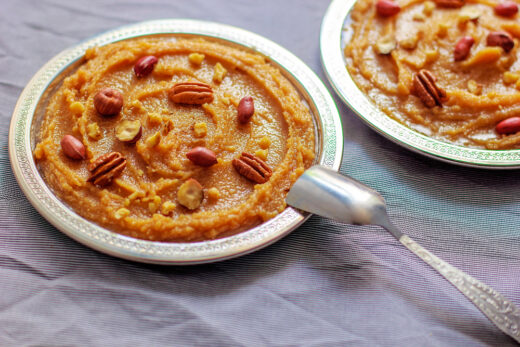
Chalimidi: Andhra’s Soft Rice-Flour Sweet With an Almost Fudge-Like Texture
Anshika Jain - October 13, 2026
Gujarati Oondhiyu: The Forgotten Village-Style Preparations Behind the Famous Dish
Anshika Jain - October 8, 2026Chalimidi: Andhra’s Soft Rice-Flour Sweet With an Almost Fudge-Like Texture
Anshika Jain - October 13, 2026


Sukhiyan: Kerala’s Sweet Moong-Dal Fritters
October 13, 2026


Leave a Comment