

Rajasthani Raab: The Fermented Grain-Based Drink-Food Hybrid

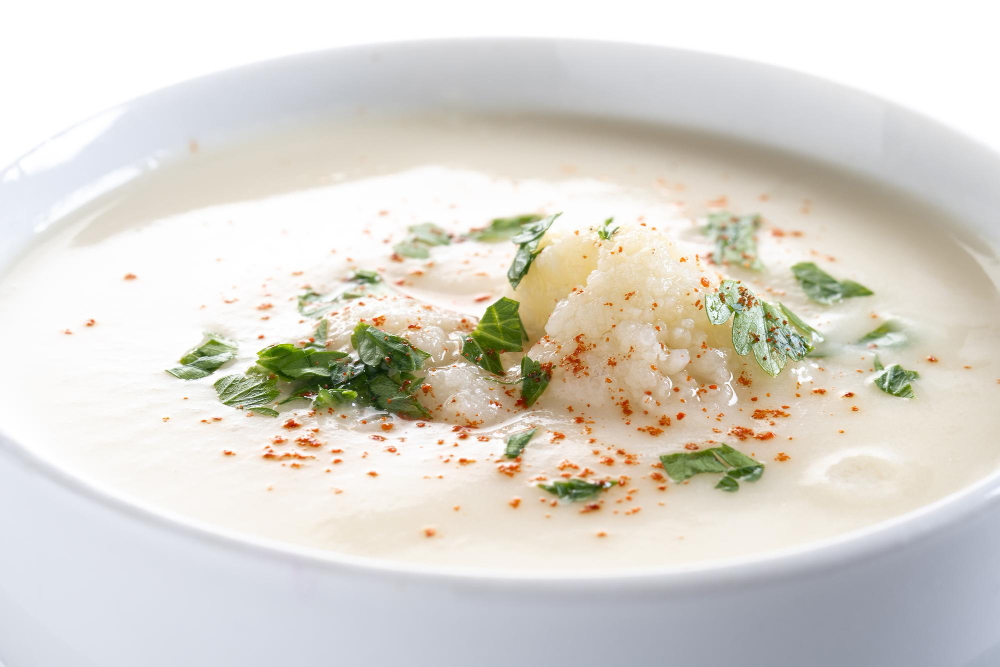
Rajasthan is often associated with rich spices, elaborate festive foods, and dishes designed to withstand the challenges of an arid climate. Yet the state’s traditional food culture also contains preparations that are remarkably simple, practical, and closely connected to everyday life. Rajasthani Raab is one such preparation. Traditionally made from grain or flour and liquid, Raab occupies an unusual position between a drink, a thin porridge, and a light food. Depending on the ingredients and regional practice, it can be mildly fermented, tangy, warming, cooling, or nourishing.
The importance of Raab lies not only in its flavour but also in the culinary knowledge embedded in its preparation. Traditional households developed foods around ingredients that were available locally, could be stored for long periods, and could provide nourishment without demanding elaborate cooking. Raab reflects this philosophy particularly well. It demonstrates how grains, flour, buttermilk, water, spices, and other ingredients can be transformed into a preparation that is easy to consume and adaptable to different circumstances.
The term Raab can refer to different regional preparations rather than one completely standardized recipe. In Rajasthan and neighbouring western Indian regions, variations may be prepared using millet flours, wheat, maize, or other grains, with buttermilk or water serving as the liquid base. Some versions involve fermentation or natural souring, while others are cooked directly. This diversity is important because it shows that Raab is better understood as a culinary tradition than as a single fixed formula.
Understanding Rajasthani Raab
Raab can be described as a thin grain-based preparation with a consistency that sits between a beverage and a light meal. Its texture may range from pourable to slightly thick depending on the grain, flour, liquid, and cooking method used. This unusual consistency is precisely what makes the preparation interesting.
Unlike a conventional drink, Raab can contain enough grain-based substance to provide a sense of fullness. At the same time, it can be consumed from a cup or bowl rather than being eaten in the same way as a solid meal. This makes it a fascinating example of the fluid boundaries between food and drink in traditional cuisines.
The preparation also illustrates how traditional food categories are not always as rigid as modern culinary terminology suggests. Contemporary menus often separate beverages, soups, porridges, and main dishes into distinct categories. Traditional household foods frequently exist between these classifications because their primary purpose is nourishment rather than fitting into a particular menu category.
The Connection Between Raab and Rajasthan’s Climate
The development of traditional Rajasthani foods cannot be separated from the region’s challenging climate. Large parts of Rajasthan experience hot, dry conditions, limited rainfall, and significant seasonal variations. Food traditions therefore developed around ingredients that could be stored efficiently and meals that could provide nourishment using relatively accessible resources.
Millets and other hardy grains have historically been particularly valuable in dryland agriculture. Their ability to grow under comparatively difficult conditions has made them important in many traditional food systems across western India.
Raab fits naturally into this environment. A grain-based preparation can provide energy while its liquid form makes it easier to consume. Depending on the ingredients and preparation method, it can also serve different purposes across seasons. A warm version may be comforting during cooler periods, while a thinner, fermented or buttermilk-based version can be particularly appealing in hot weather.
This adaptability reflects a broader principle of traditional cuisine: successful foods are often those that can respond to changing environmental conditions without requiring completely different ingredients.
Grain Flours as the Foundation
The character of Raab depends significantly on the grain used. Traditional variations may incorporate millet flours or other cereal grains, with the exact choice influenced by local availability and household practice.
Millets are particularly interesting in this context because they are nutritionally dense grains associated with dryland agriculture. Bajra, or pearl millet, has a long culinary history in Rajasthan and other parts of western India. Its robust flavour and earthy character can give a grain-based preparation considerable depth.
Other grains can produce different sensory results. Wheat-based versions may have a milder and smoother profile, while maize can contribute a distinct sweetness and grain aroma. These differences demonstrate how the basic idea of Raab can accommodate multiple agricultural traditions.
The flour is generally incorporated carefully into the liquid to avoid excessive lumps. Cooking allows the starches to hydrate and thicken the mixture, creating the characteristic consistency of the preparation.
Fermentation and Natural Souring
One of the most intriguing aspects of some Raab traditions is fermentation or natural souring. Fermentation has been an important food-preservation and flavour-development technique across India for centuries. It can transform the sensory properties of grains and dairy while introducing acidity and complexity.
In preparations involving buttermilk or naturally soured liquids, the resulting Raab can develop a gently tangy flavour. This acidity creates an important contrast with the earthy character of the grain. Instead of tasting simply like cooked flour, the preparation can become aromatic, slightly sour, and refreshing.
Fermentation can also alter the texture and flavour perception of the ingredients. Although the exact microbiological and nutritional effects depend on the ingredients and fermentation conditions, traditional fermented foods demonstrate the ability of microorganisms to transform basic ingredients into something substantially different.
It is important, however, to distinguish traditional fermentation from simply adding a sour ingredient. Not every preparation called Raab undergoes a lengthy fermentation process. Regional variations may use buttermilk directly, while others may rely on naturally developed sourness. The term therefore encompasses a broader family of preparations.
The Role of Buttermilk
Buttermilk is an important ingredient in several western Indian food traditions, particularly in preparations designed to be light, refreshing, and suitable for hot climates. When incorporated into Raab, it introduces acidity and a dairy-based smoothness that balances the grain.
The combination of grain and buttermilk is also nutritionally interesting. Grain contributes carbohydrates and other nutrients, while buttermilk can provide protein and minerals depending on its composition.
The result is a preparation that feels more substantial than a conventional beverage while remaining lighter than a solid grain-based meal. This helps explain why Raab occupies such an unusual position in the culinary landscape.
The tanginess of buttermilk can also make the dish more appealing in warm weather. Sour flavours are often perceived as refreshing, and the liquid consistency makes the preparation easy to consume.
Spices and Aromatic Balance
Rajasthani cuisine is frequently associated with strong spices, but traditional Raab does not necessarily depend on an intense spice profile. Its character can come primarily from the grain, dairy or fermented liquid, and the cooking process.
Depending on the regional version, cumin, ajwain, salt, ginger, or other spices may be used. These ingredients can introduce warmth and aroma without overpowering the grain.
Cumin is particularly compatible with grain-based preparations because of its earthy and slightly smoky aroma. Ajwain can contribute a sharper herbal character. Ginger can add freshness and gentle heat, while salt helps bring the flavours into balance.
The restrained use of seasoning is significant. The purpose is generally to enhance the underlying ingredients rather than turn Raab into a heavily spiced curry.
Raab as a Traditional Functional Food
Traditional food cultures often developed preparations that served multiple purposes simultaneously. A dish could provide hydration, energy, nourishment, comfort, and digestive ease without being designed according to modern nutritional categories.
Raab fits this idea of a functional household food. Its liquid form makes it easy to consume, while its grain base provides energy. When made with buttermilk, it incorporates a dairy component, and when fermented, it gains an additional layer of culinary complexity.
The precise nutritional value depends on the ingredients and proportions, so it is important not to treat every form of Raab as nutritionally identical. Nevertheless, the basic concept reflects an efficient use of ingredients.
This is particularly relevant when considering traditional diets in regions where food resources had to be used carefully. A preparation that could stretch a modest quantity of grain into a nourishing liquid meal had practical value.
Raab and Seasonal Eating
Seasonality is an important part of traditional Rajasthani food culture. Ingredients, preparation methods, and meal patterns can change according to weather conditions. Raab’s flexibility allows it to adapt to these changes.
A warm grain-based version can be suitable during cooler months, when people may prefer comforting foods with a warming character. In warmer weather, a thinner version prepared with buttermilk can feel lighter and more refreshing.
This seasonal flexibility demonstrates how traditional food systems respond to climate without relying on modern refrigeration, imported ingredients, or standardized menus.
The same culinary concept can therefore serve different purposes throughout the year. This is one reason such preparations can remain relevant across generations.
The Food-Drink Boundary in Traditional Cuisine
Raab raises an interesting question about how food should be categorized. Modern culinary culture tends to distinguish sharply between beverages and foods. A drink is expected to be liquid, while food is generally associated with chewing and eating from a plate or bowl.
Traditional cuisines often have much more fluid boundaries. Porridges, gruels, broths, fermented grain drinks, thin dals, and dairy-based preparations can all occupy spaces between these categories.
Raab is a particularly clear example because its grain content gives it substance while its consistency allows it to be consumed almost like a beverage. Its role can also change depending on preparation. One household may serve it as a light meal, while another may treat it as a traditional nourishing drink.
This flexibility makes Raab an interesting subject not only for food enthusiasts but also for anyone studying the evolution of culinary categories.
Raab and Rajasthan’s Millet Heritage
The growing global interest in millets has created renewed attention toward traditional Indian foods based on hardy grains. Rajasthan has long been associated with millet cultivation and consumption, particularly pearl millet.
Modern discussions about climate-resilient agriculture increasingly highlight the importance of crops that can perform under relatively difficult growing conditions. Millets are often included in these conversations because several varieties require comparatively fewer agricultural inputs than some water-intensive cereal crops.
Traditional preparations such as Raab demonstrate that millet is not merely a contemporary health-food trend. It has been part of everyday culinary traditions for generations.
By transforming millet flour into a drinkable or spoonable preparation, Raab also illustrates the versatility of these grains. The same agricultural crop can become breads, porridges, beverages, or other preparations depending on local culinary knowledge.
The Cultural Significance of Simple Food
One of the challenges faced by traditional foods is that simplicity can sometimes cause them to be overlooked. Elaborate dishes often receive more attention because they are visually impressive or associated with celebrations. Everyday foods such as Raab may appear too ordinary to attract the same interest.
Yet everyday foods often provide a more accurate picture of how communities actually eat. They reflect household economics, agricultural practices, seasonal changes, family habits, and practical nutritional needs.
Raab’s value therefore extends beyond its ingredients. It represents a culinary approach in which food is expected to be useful as well as flavorful. It can make efficient use of staple grains, accommodate seasonal ingredients, and provide a comforting meal without requiring elaborate preparation.
Modern Interest in Traditional Fermented Foods
Fermentation has become increasingly prominent in contemporary food culture. From sourdough and kombucha to kimchi and fermented dairy, consumers are exploring foods in which microorganisms play a role in flavour, preservation, and texture.
Traditional Indian cuisines have always contained a wide variety of fermented preparations, although many have not received the same international attention. Raab provides an opportunity to examine how grain and dairy can interact within a traditional food system.
However, modern interest should not reduce fermentation to a marketing trend. Traditional fermentation involves specific ingredients, environmental conditions, cultural knowledge, and preparation practices. Its value lies not simply in the word “fermented” but in the food tradition surrounding it.
Understanding Raab within its Rajasthani context makes it more meaningful than presenting it simply as another fermented beverage.
Raab in Contemporary Food Culture
There is considerable potential for Raab to find a place in modern conversations about regional Indian cuisine. Its combination of grains, liquid, and traditional fermentation makes it different from the more familiar Indian beverages and porridges commonly discussed outside the region.
Chefs and home cooks interested in heritage foods can explore the preparation while maintaining respect for its regional identity. Modern interpretations may adjust consistency, introduce seasonal ingredients, or present it differently, but the underlying relationship between grain and liquid should remain recognizable.
The dish may also appeal to people interested in simple one-pot foods. Its preparation demonstrates that a small number of staple ingredients can create a meal with considerable sensory and cultural depth.
Preserving the Tradition of Raab
Traditional foods survive when knowledge about them continues to move from one generation to the next. Recipes written down in cookbooks are valuable, but practical knowledge about consistency, fermentation, ingredient proportions, and cooking time is often learned through observation and experience.
Raab represents this kind of culinary knowledge. Its many regional variations show that food traditions are living systems rather than rigid formulas.
Preserving Raab therefore means documenting its variations while recognizing that different households may prepare it differently. There is no need to force every version into a single standardized recipe.
Greater recognition of such foods can also help broaden perceptions of Rajasthani cuisine. The state’s culinary identity extends far beyond famous dishes and includes many everyday preparations that reflect adaptation to climate and local resources.
Conclusion
Rajasthani Raab is a fascinating example of how traditional cuisine can blur the boundaries between food and drink. Built around grain or flour and prepared in liquid form, it can resemble a thin porridge, a nourishing beverage, or a light meal depending on its ingredients and consistency. Some versions incorporate buttermilk and fermentation or natural souring, creating a gentle tang that complements the earthy character of the grain.
Its significance becomes clearer when viewed within Rajasthan’s environmental and agricultural context. Hardy grains, particularly millets, have long played an important role in dryland food systems, while buttermilk and fermented ingredients offer practical ways of creating nourishing and refreshing preparations.
Raab also demonstrates that culinary sophistication does not always come from elaborate recipes. Its depth comes from the relationship between grain, liquid, fermentation, seasoning, and cooking technique. It is a food shaped by climate, agricultural knowledge, household practicality, and regional tradition.
As contemporary food culture increasingly explores fermentation, millet, sustainable grains, and indigenous culinary traditions, Raab offers an especially interesting example from Rajasthan. It deserves recognition not simply as an unusual grain-based drink, but as a traditional food system in miniature—one that demonstrates how communities can transform simple ingredients into something nourishing, adaptable, and deeply connected to place.
Online Internship with Certificate
You may be interested
Gujarati Oondhiyu: The Forgotten Village-Style Preparations Behind the Famous Dish
Anshika Jain - October 8, 2026Gujarati cuisine is celebrated for its remarkable ability to create complex flavours from seasonal vegetables, grains, pulses, spices, and fresh herbs. Among its most recognizable dishes, Oondhiyu…
Uttarakhand Chainsoo: The Roasted Black-Lentil Dish With an Unexpected Depth of Flavour
Anshika Jain - October 8, 2026The cuisine of Uttarakhand is deeply influenced by the Himalayan landscape, local agriculture, seasonal availability, and the practical food traditions of mountain communities. While dishes such as…
Arunachali Zan: The Warm Rice-Based Dish Somewhere Between Porridge and Soup
Anshika Jain - October 8, 2026India's northeastern region is home to culinary traditions that are deeply connected with geography, climate, agriculture, and indigenous food cultures. Among the lesser-known dishes of Arunachal Pradesh,…
Most from this category

Pandan: Southeast Asia’s Green, Fragrant Ingredient Taking Over Modern Desserts
Anshika Jain - October 6, 2026
Medovik: Russia’s Multi-Layered Honey Cake That Looks Like Dessert Architecture
Anshika Jain - October 6, 2026Tahini Desserts: The Sesame Paste Turning Up in Modern Pastries
Anshika Jain - October 8, 2026Pandan: Southeast Asia’s Green, Fragrant Ingredient Taking Over Modern Desserts
Anshika Jain - October 6, 2026

Leave a Comment