

Odisha Dalma: Lentils Cooked With Vegetables and Raw Banana

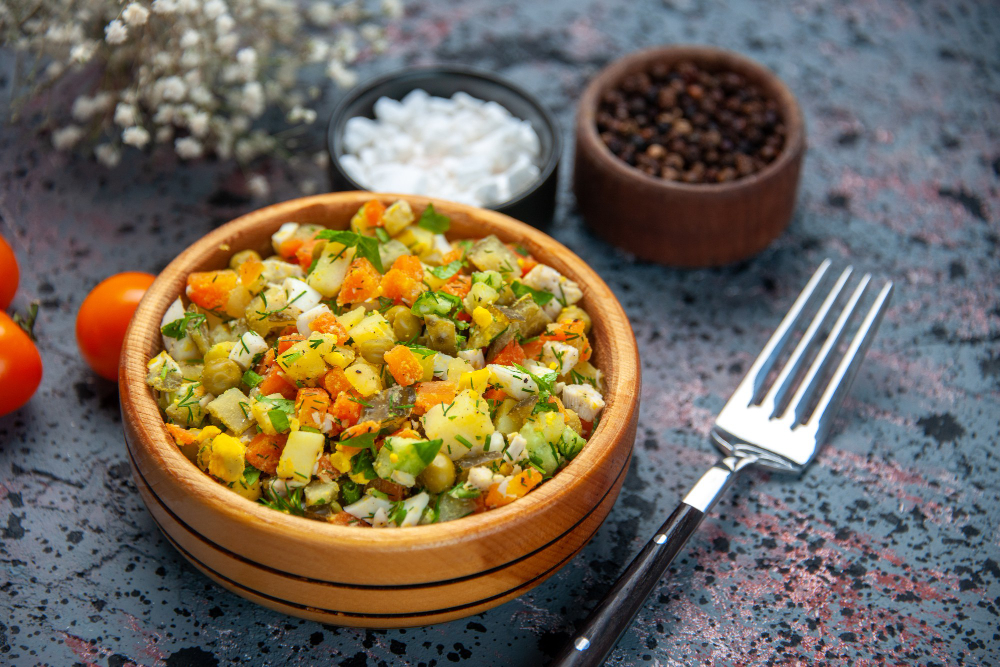
Indian cuisine is known for transforming simple ingredients into dishes with remarkable depth, nutrition, and cultural identity. Among the many traditional preparations of eastern India, Odisha Dalma stands out as a wholesome combination of lentils, vegetables, spices, and raw banana. Unlike many dal preparations that focus primarily on pulses, Dalma brings together protein-rich lentils and a variety of seasonal vegetables in a single comforting dish. The result is a nourishing meal that reflects the simplicity and balance associated with traditional Odia cooking.
Dalma is closely connected with the food culture of Odisha and is traditionally prepared using ingredients that are easily available in local households. Toor dal or other lentils are cooked with vegetables such as raw banana, pumpkin, potato, papaya, eggplant, and different seasonal produce. The dish is usually seasoned with turmeric, cumin, ginger, and other simple spices rather than being dominated by heavy masalas. This restrained approach allows the natural flavours of the vegetables and lentils to remain central.
What makes Odisha Dalma particularly interesting is the way it combines several food groups in one preparation. Lentils provide plant-based protein, vegetables contribute fibre, vitamins, minerals, and natural sweetness, while raw banana adds a firm texture and mild starchy character. Traditionally served with rice, Dalma demonstrates how regional Indian cuisine can create a complete and satisfying meal from modest ingredients.
The Cultural Identity of Odisha Dalma
Dalma is more than an everyday lentil dish in Odisha. It represents an important part of the state’s culinary identity and reflects the broader philosophy of Odia food, where ingredients are often allowed to retain their individual character. Traditional cooking in Odisha frequently emphasizes seasonal vegetables, locally available produce, mild seasoning, and balanced flavours instead of relying on excessive quantities of spices.
The connection between Dalma and Odisha’s temple food traditions also contributes to its cultural significance. The cuisine associated with the Jagannath Temple in Puri is particularly influential in discussions of Odia food culture. While household Dalma and temple preparations can differ in ingredients and preparation, both reflect the region’s emphasis on simple, plant-based cooking and carefully balanced flavours.
The dish is also closely associated with the idea of combining dal and vegetables rather than preparing them separately. This makes Dalma practical for everyday meals while also giving it a distinctive culinary identity. It can be served during ordinary family lunches, traditional gatherings, or as part of a broader Odia meal.
What Makes Dalma Different From Regular Dal?
At first glance, Dalma may appear similar to a conventional Indian dal, but its preparation and texture give it a different character. A typical dal preparation may involve cooking lentils separately and finishing them with a tempering of spices, onions, garlic, tomatoes, or chillies. Dalma, in contrast, traditionally brings lentils and vegetables together during cooking, allowing their flavours to develop collectively.
The vegetables are not merely added as a garnish or side ingredient. They become an integral part of the dish. As they cook with the lentils, their flavours blend into the broth while retaining varying degrees of texture. Pumpkin can provide sweetness, raw banana can add firmness, and eggplant can contribute softness. Potatoes can make the dish more substantial, while papaya and other seasonal vegetables introduce their own subtle characteristics.
This combination creates a dish that sits somewhere between a thick lentil stew and a vegetable-rich dal. It is filling without necessarily being heavy, and its flavour profile can remain relatively gentle despite the use of spices.
The Importance of Raw Banana
Raw banana is one of the ingredients that can give Dalma its distinctive identity. Unlike ripe banana, raw banana has a firm texture and a relatively neutral flavour. When cooked, it becomes tender without completely losing its structural character, making it particularly suitable for a dish where vegetables and lentils cook together.
Raw banana also contributes starch and helps make Dalma more satisfying. Its mild flavour allows it to absorb the seasoning and flavours of the lentils without overwhelming the other ingredients. This makes it particularly useful in traditional vegetarian cooking, where texture becomes an important part of creating a satisfying meal.
The use of raw banana also demonstrates how regional Indian cuisine makes creative use of ingredients at different stages of ripeness. Rather than treating fruits and vegetables as separate culinary categories, traditional cooking often uses them according to their texture, maturity, and suitability for a particular preparation.
Vegetables That Give Dalma Its Character
One of the defining qualities of Dalma is its flexibility. There is no single combination of vegetables that needs to appear in every household version. The selection can change according to season, availability, family tradition, and regional preference.
Pumpkin is often particularly useful because it introduces natural sweetness and soft texture. Potato adds body and makes the dish more substantial, while eggplant can become tender and absorb the surrounding flavours. Raw papaya, pointed gourd, yam, and other vegetables may also be used in different versions.
This seasonal flexibility is important because it connects Dalma to the agricultural character of Odisha. Traditional cuisines developed around ingredients that were available locally rather than around standardized supermarket inventories. A dish such as Dalma could therefore change naturally throughout the year while maintaining its essential identity.
The mixture of vegetables also means that every spoonful can have a slightly different combination of textures. Some pieces remain firm, others become soft, and the lentils provide a creamy foundation that connects everything together.
Lentils as the Foundation of the Dish
The lentils used in Dalma provide its nutritional and textural foundation. Toor dal is commonly associated with many Indian dal preparations and can be used to create the soft, creamy consistency that works well with vegetables. Other lentils may also be used depending on the regional or household variation.
When lentils cook alongside vegetables, their starch gradually thickens the cooking liquid. This creates a naturally cohesive texture without requiring cream or other thickening agents. The vegetables release their own flavours and juices into the cooking liquid, creating a broth that is more complex than lentils cooked alone.
This cooking method also demonstrates an important principle of traditional cuisine: maximizing flavour through the interaction of simple ingredients rather than depending on elaborate techniques. The lentils do not need to be transformed into a complicated sauce. Instead, their natural creaminess becomes the medium through which the vegetables, spices, and aromatics interact.
The Role of Spices in Odisha Dalma
Dalma is generally characterized by a relatively restrained spice profile. Turmeric is important for colour and earthy flavour, while cumin can provide a warm and aromatic quality. Ginger may contribute freshness and gentle heat, while dried red chillies can be used according to preference.
One of the most important aspects of the seasoning is that it should complement the vegetables rather than hide them. This distinguishes Dalma from preparations in which vegetables are heavily coated with masala. In Dalma, the seasoning forms a background layer that allows the natural sweetness and earthiness of the ingredients to remain noticeable.
The final tempering can also influence the character of the dish. Cumin seeds, dried red chillies, and other traditional tempering ingredients may be heated in oil or ghee before being incorporated into the cooked dal and vegetables. This short step releases aromatic oils and gives the finished dish a more pronounced fragrance.
Traditional Cooking Method and Texture
The preparation of Dalma begins with washing the lentils and preparing the selected vegetables. The vegetables are cut into reasonably large pieces so that they can maintain some texture during cooking. Raw banana is usually peeled and cut into pieces, while harder vegetables may require similar preparation to ensure even cooking.
The lentils and vegetables can then be cooked together with turmeric, ginger, and water until the lentils become soft and the vegetables are tender. Traditionally, the desired consistency is neither extremely thin nor excessively thick. It should be substantial enough to coat rice while still retaining the character of a comforting dal.
Once the main ingredients are cooked, the seasoning can be adjusted and a tempering added. The tempering provides an aromatic finishing layer, but the overall dish remains relatively simple. This balance between gentle cooking and aromatic finishing is part of what makes Dalma so recognizable.
Modern kitchens may use pressure cookers or other convenient cooking equipment to reduce preparation time. Although the cooking technology may change, the essential principle remains the same: lentils and vegetables should develop a unified flavour while retaining recognizable textures.
Why Dalma Works as a Complete Meal
Dalma is an excellent example of how traditional vegetarian cuisine can combine nutrition and convenience. Lentils contribute protein and complex carbohydrates, while vegetables provide dietary fibre and a range of micronutrients. Raw banana and potatoes can contribute additional carbohydrates and help make the meal more filling.
When served with steamed rice, Dalma becomes a particularly satisfying combination. Rice provides a neutral base that allows the mildly spiced dal to become the central component of the meal. The softness of cooked rice also contrasts with the varied textures of vegetables within the Dalma.
The nutritional profile naturally depends on the specific ingredients and quantities used, but the overall structure of the dish makes it easy to build a balanced vegetarian meal. It does not depend on excessive frying, rich cream, or large quantities of oil to achieve satisfaction.
Dalma and the Philosophy of Seasonal Eating
One of the most interesting aspects of Dalma is its relationship with seasonal eating. Traditional cuisines often evolved without the expectation that every vegetable would be available throughout the year. Instead, cooks adapted recipes to whatever was fresh and accessible.
Dalma naturally accommodates this approach. Its core identity comes from the combination of lentils, vegetables, and seasoning rather than from one rigid list of ingredients. This means that seasonal produce can become part of the dish without fundamentally changing its character.
Such flexibility is increasingly relevant in contemporary discussions about sustainable eating. Cooking with seasonal and locally available ingredients can reduce dependence on highly processed foods and encourage greater awareness of where food comes from. Traditional recipes such as Dalma demonstrate that this approach is not a new culinary trend but a long-established part of regional food culture.
The Place of Dalma in an Odia Meal
Dalma is traditionally associated with rice and can be accompanied by other dishes in a larger Odia meal. Its soft consistency and balanced flavour make it suitable as a central preparation, while other vegetable dishes, fried items, chutneys, or pickles can provide contrasting flavours and textures.
In a simple home meal, however, Dalma and rice can be sufficient on their own. This simplicity is part of its appeal. A dish does not necessarily need numerous components to feel complete when the main preparation already combines lentils and vegetables.
The experience of eating Dalma is therefore closely connected with comfort and familiarity. It is the kind of food that can work as an everyday meal while still carrying a strong regional identity.
Modern Interpretations of Odisha Dalma
As regional Indian cuisines receive greater attention outside their traditional communities, dishes such as Dalma are increasingly being explored by home cooks, chefs, food writers, and culinary enthusiasts. Modern interpretations may experiment with vegetable combinations, cooking methods, or presentation while retaining the basic idea of lentils cooked with vegetables.
Contemporary cooks may also adapt Dalma for different dietary preferences. It can naturally fit vegetarian and plant-forward diets, and its ingredient structure makes it relatively easy to prepare without dairy. The use of seasonal vegetables also allows home cooks to personalize the dish according to availability.
However, modernization does not necessarily require turning Dalma into something entirely different. One of its greatest strengths is its simplicity. The more elaborate the preparation becomes, the greater the possibility of losing the characteristics that make the dish distinctive. The future of traditional foods may therefore lie not only in reinvention but also in preserving the underlying principles of the original preparation.
Why Traditional Dishes Like Dalma Matter Today
Modern food culture often focuses on novelty, fusion, and visually elaborate dishes. At the same time, there is growing interest in foods that emphasize nutrition, simplicity, plant-based ingredients, and cultural heritage. Dalma sits naturally at the intersection of these interests.
Its combination of lentils and vegetables reflects a practical approach to vegetarian nutrition; Its dependence on seasonal ingredients connects it to local food systems. Its relatively mild seasoning allows the ingredients themselves to remain important. Most importantly, its identity is rooted in a specific regional culinary tradition rather than being a generic lentil-and-vegetable stew.
Learning about Dalma therefore offers more than an opportunity to discover another Indian recipe. It provides a window into the food culture of Odisha and demonstrates how traditional cooks developed meals around nutrition, availability, flavour, and practicality.
Conclusion
Odisha Dalma represents the remarkable ability of traditional Indian cuisine to create deeply satisfying food from simple ingredients. By bringing lentils together with vegetables and raw banana, the dish combines protein, fibre, texture, and flavour in a preparation that is both nourishing and comforting. Its mild seasoning allows the natural character of the ingredients to remain visible, while the flexibility of its vegetable combinations reflects the seasonal nature of regional cooking.
Raw banana gives the dish a particularly distinctive texture, while lentils create the creamy foundation that brings the different vegetables together. Served with rice, Dalma becomes a simple yet complete meal that carries the culinary identity of Odisha into everyday cooking.
As interest in regional Indian cuisine continues to grow, dishes like Dalma deserve attention not because they need dramatic reinvention, but because they already demonstrate many qualities that contemporary food culture increasingly values: plant-based ingredients, seasonal vegetables, balanced nutrition, minimal processing, and strong cultural identity. Odisha Dalma is therefore more than a traditional dal. It is an example of how thoughtful cooking can turn ordinary ingredients into a dish with nutritional value, culinary character, and a meaningful connection to regional heritage.
Online Internship with Certificate
You may be interested
Yomogi Mochi: Japan’s Mugwort Rice Cake with a Distinctive Herbal Flavour
Anshika Jain - November 2, 2026Japanese cuisine is widely recognised for its attention to seasonal ingredients, delicate flavours and traditional food-making techniques. Among its many rice-based specialities, Yomogi Mochi holds a distinctive…
Rote Grutze: A red-fruit pudding made with berries and starch
Anshika Jain - November 2, 2026German cuisine features a wide range of traditional desserts that combine seasonal fruits, simple cooking techniques and regional ingredients. Among the most recognisable examples from northern Germany…

Ovocne Knedliky: Czech Fruit Dumplings and Their Place in European Cuisine
Anshika Jain - November 2, 2026Czech cuisine is known for its comforting traditional dishes, seasonal ingredients and distinctive approach to sweet and savoury cooking. Among its most beloved specialities is Ovocné knedlíky,…
Most from this category

Mazurek: A decorated, often very flat pastry topped with fruit preserves
Anshika Jain - November 2, 2026
Cardoon: Thistle Vegetable with Edible Stalks and Distinctive Flavour
Anshika Jain - October 30, 2026Mazurek: A decorated, often very flat pastry topped with fruit preserves
Anshika Jain - November 2, 2026Kissel: A fruit-based dessert made with berries or other fruits
Anshika Jain - November 2, 2026
Rote Grutze: A red-fruit pudding made with berries and starch
November 2, 2026

Leave a Comment